Is a boating safety course required for jet skis in Texas?
It’s a common misconception among folks who love being out on the water, especially those zipping around on personal watercraft (PWC) like jet skis, that the rules might be a little different or perhaps even less stringent than for a big ol' motorboat. You’re not alone if you've ever wondered, "Do I really need to take a full-blown boater safety course just for my jet ski?" The Texas waters are vast and full of fun, but they also come with important responsibilities, and knowing exactly what's required before you hit that throttle is key to a safe and legal day. This guide is here to clear up that confusion and walk you through the specifics of boater education requirements for jet skis in the Lone Star State.
Understanding Texas Boater Education Requirements for Personal Watercraft (PWCs)
Let's cut right to the chase: in Texas, a personal watercraft (PWC), commonly known as a jet ski, Sea-Doo, or WaveRunner, is legally considered a Class A motorboat. This means it's not some separate category with its own unique set of lenient rules. If it has a motor and you're operating it on public waters, it falls under the same general umbrella of boating regulations. This often comes as a surprise to many, especially new PWC owners who might think their compact, agile vessel would be exempt from some of the more rigorous requirements associated with larger boats. But the reality is, with their speed and maneuverability, jet skis actually require a solid understanding of water safety and navigation.
Age and Education Mandates for PWC Operators
Texas has specific age and education requirements designed to keep everyone safe on the water, and these absolutely apply to anyone operating a PWC. If you were born on or after September 1, 1993, and you plan to operate a PWC (or any vessel with a motor of 15 horsepower or more, or a sailboat over 14 feet in length) on public waters, you are legally required to successfully complete a boater education course. This isn't just a suggestion; it's the law. Imagine being pulled over by a game warden after an exhilarating ride on Lake Travis or Galveston Bay, only to find out you're breaking the law because you never took that course. It's a preventable headache, and often, the age requirement is where most people get tripped up.
For teenagers eager to take the helm of a jet ski, this rule is particularly important. While it's fantastic to see young people getting involved in watersports, the power and speed of a modern PWC demand respect and knowledge. A 16-year-old, for instance, might feel perfectly capable behind the handlebars, but without the certification, they're not only risking fines but also potentially putting themselves and others in danger due to a lack of formal safety training. The course provides a foundational understanding that even naturally cautious individuals might not possess.
Who is Exempt from the Boater Education Requirement?
Now, there are always a few exceptions to the rule, and Texas boater education is no different. The most significant exemption applies to those born before September 1, 1993. If you're in that group, you are generally exempt from the mandatory boater education certification requirement. This is often referred to as a "grandfather clause" and acknowledges that many older, experienced boaters learned the ropes before such formal requirements were in place. So, if you're a seasoned boater who's been cruising Texas lakes for decades, you might not need to rush out and take a class.
However, even if you're exempt by age, it's crucial to understand that knowing the rules of the water is still your responsibility. Laws and regulations can change, and what was common practice years ago might not be today. Furthermore, exemptions don't excuse you from following all other boating laws, such as having proper Texas Boat Safety Equipment Requirements on board or adhering to speed limits and navigation rules. Ignorance of the law is never a valid excuse, regardless of your age or boating experience. For more on who specifically needs the certificate, check out our guide on Who Needs a Boater Education Certificate in Texas.
Why the Course Matters for PWC Operators
Beyond just the legal obligation, taking a boater education course for your jet ski genuinely enhances your safety and enjoyment on the water. PWCs, by their very nature, are designed for speed and agility, which can also make them incredibly challenging to operate safely without proper training. They handle differently than traditional boats, have distinct stopping characteristics, and their smaller size can sometimes make them less visible to larger vessels. The course covers these specific nuances.
Think about it: a jet ski operator often has a wider field of view than someone steering a cabin cruiser, but their reaction time needs to be just as sharp, if not sharper, given the PWC's speed. The course instills vital knowledge about right-of-way rules, understanding navigation markers, dealing with emergency situations like capsizing or engine failure, and recognizing hazardous conditions. It teaches you how to share the waterways respectfully with everything from kayakers to fishing boats. Without this formal education, you might inadvertently put yourself, your passengers, or other water enthusiasts at risk simply because you're unaware of standard operating procedures or critical safety protocols. Learning these skills upfront can prevent accidents and ensure your time on the water is memorable for all the right reasons.
How to Fulfill the Texas Boater Education Requirement
Once you've determined that you, or someone you know, falls under the category of needing boater education in Texas for operating a jet ski, the next step is actually getting certified. Thankfully, the Texas Parks and Wildlife Department (TPWD) offers several convenient and approved methods to complete this requirement. It's designed to be accessible, recognizing that people have busy lives but still need to acquire this essential knowledge. Don't let the idea of "school" deter you; these courses are usually engaging and packed with practical information you'll actually use.
Online Boater Safety Courses
For many, the most convenient way to fulfill the boater education requirement is through an approved online course. These courses offer incredible flexibility, allowing you to learn at your own pace, from the comfort of your home, and on your schedule. You can often start, pause, and resume the course as needed, fitting it around work, school, or family commitments. Just make sure that any online course you choose is officially approved by the Texas Parks and Wildlife Department. There are several reputable providers out there whose curricula meet state standards.
These digital platforms use interactive modules, videos, and quizzes to make the learning process engaging. You'll cover everything from safe navigation practices to understanding the "rules of the road" on the water, specific to Texas. After completing the course material, you'll typically take a final exam. Upon passing, you'll receive your certification, which you can then print or carry digitally. This is a game-changer for those who live far from an in-person class location or simply prefer a self-guided learning approach. You might even find supplementary study guides or rulebooks available on platforms like Amazon that can help reinforce the lessons learned in the online course, though the official course itself is what grants the certification.
In-Person Classes and Testing
While online courses are popular, some individuals prefer the traditional classroom setting, and in-person boater education classes are still a valuable option. These courses are usually taught by certified instructors and offer the benefit of direct interaction, allowing you to ask questions, engage in discussions with other students, and get immediate clarification on complex topics. For some, the structured environment of a classroom helps with focus and retention, and the camaraderie of learning with others can make the experience more enjoyable.
These classes are typically offered by local marinas, community centers, schools, or through organizations like the U.S. Coast Guard Auxiliary and the U.S. Power Squadrons. Check the TPWD website for a list of approved courses and schedules in your area. Often, these courses run over a weekend or a series of evenings, culminating in a written exam. The hands-on element and the ability to discuss real-world scenarios with an experienced instructor can be particularly beneficial, especially for those who are completely new to operating any type of watercraft. You might even find that local Bass Pro Shops stores or other outdoor retailers occasionally host or promote these in-person events, sometimes even offering special discounts on safety gear to attendees.
What You'll Learn in a PWC Safety Course
Regardless of whether you choose an online or in-person format, the core curriculum of a Texas boater education course is designed to equip you with comprehensive knowledge for safe and responsible PWC operation. It’s far more than just "don't crash." You'll dive deep into critical topics that are essential for navigating Texas' diverse waterways. One major component involves understanding navigation rules, including right-of-way scenarios, proper passing procedures, and how to interpret buoys and other markers that act as traffic signs on the water. You'll learn the difference between a red buoy and a green buoy and what they mean for safe passage.
The course also covers crucial safety practices specific to PWCs. This includes how to properly launch and retrieve your jet ski, safe fueling procedures, what to do if you capsize, and how to handle various weather conditions. You'll learn about the importance of maintaining a safe distance from other vessels, swimmers, and shorelines, especially given the rapid acceleration and stopping distances of jet skis. Furthermore, you'll be educated on state and federal laws regarding reckless operation, noise regulations, and the dangers of boating under the influence. The aim is to create knowledgeable, responsible operators who not only understand the rules but also appreciate the significant impact their actions have on the safety and enjoyment of everyone else on the water. Knowing these rules can significantly reduce the risk of incidents and ensure that you, your passengers, and fellow boaters have a great time out on the water.
Operating Your Jet Ski Responsibly Beyond Certification
Getting your boater education certificate is a fantastic first step, but it's really just the foundation. Being a truly responsible jet ski operator in Texas means continually practicing safe habits and understanding that the rules are there for a reason – everyone's safety. The certificate proves you have the knowledge, but ongoing vigilance and smart choices on the water are what truly make you a safe boater. Texas waters can be busy, especially during peak seasons, and your actions directly impact everyone sharing those beautiful lakes and coastal bays.
Essential Safety Equipment for PWCs
Just like any other vessel, personal watercraft have specific safety equipment requirements that must be met. This isn't optional; it's the law, and it's there to protect you and your passengers in case of an emergency. Every person on a PWC must wear a U.S. Coast Guard-approved life jacket (Personal Flotation Device, or PFD). It’s not enough to just have them on board; they need to be worn. Given the dynamic nature of jet ski riding, falling off is a common occurrence, and a properly fitting PFD can be the difference between a minor splash and a serious incident. You can find a wide range of approved life jackets for all sizes at retailers like Bass Pro Shops or through online marketplaces such as Amazon.
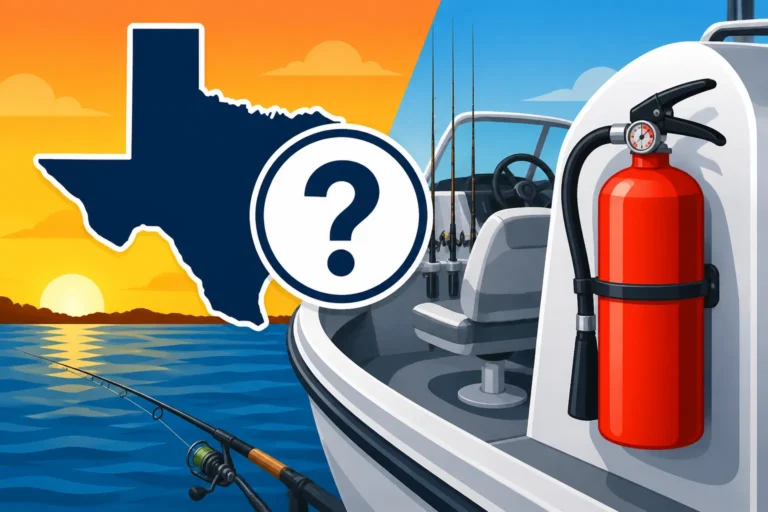
Beyond life jackets, you'll also need a whistle or horn to signal distress, a fire extinguisher if your PWC has an enclosed engine compartment (check your owner's manual), and an engine cut-off switch lanyard, which must be attached to the operator's wrist or PFD. These small items seem minor but are critical in emergencies. Imagine an engine fire or needing to alert another boat to your presence; these tools become invaluable. For a comprehensive list of what to have on board, you can refer to our detailed guide on Texas Boat Safety Equipment Requirements. Remember, it’s not about avoiding a ticket; it’s about being prepared for the unexpected.
Navigating Texas Waters with a PWC
Operating a jet ski requires constant awareness of your surroundings and adherence to specific navigation rules. Texas waterways have specific rules for "no wake zones" often found near docks, marinas, and congested areas. These are critical for preventing damage to property and ensuring the safety of swimmers and other vessels. Additionally, you must always maintain a safe distance from other boats, swimmers, and fixed objects. "Safe distance" generally means enough room to stop or turn without collision, considering speed, weather, and traffic density. Many PWC accidents happen due to operators cutting too close to other vessels or objects.
Reckless operation is strictly prohibited and can include weaving through congested traffic, jumping the wake of another vessel too closely, or operating at excessive speeds in restricted areas. These activities are not only dangerous but can also lead to hefty fines and legal consequences. When you're out on the water, remember that your PWC is a powerful machine, and respect for other boaters and the environment is paramount. Always be mindful of fishing boats, kayaks, and stand-up paddleboarders, giving them ample space. For specific rules regarding different types of vessels, looking into resources like Are life jackets required for kayaks in Texas? can give you a broader understanding of how different watercraft interact legally and safely.
Consequences of Non-Compliance
Ignoring Texas' boater education requirements or other PWC regulations can lead to a host of unpleasant consequences. The most immediate is often a citation and a fine. Game wardens and other law enforcement officers patrol Texas lakes, rivers, and coastal waters, and they are well-versed in marine regulations. Getting caught operating a PWC without the required certification, or without proper safety equipment, can quickly turn a fun day into an expensive one. These fines can range from moderate to substantial, depending on the severity and nature of the violation.
Beyond financial penalties, serious infractions, especially those involving reckless operation or accidents, can result in your PWC being impounded, the suspension of your boating privileges, or even criminal charges if injuries or significant property damage occur. Imagine explaining to your insurance company why you were operating without a legally required certificate. It's not a conversation anyone wants to have. Furthermore, violations of boating laws are often reported and can become part of your public record. The hassle, cost, and potential danger far outweigh the minimal effort required to get certified and follow safety guidelines. It’s always better to be safe, knowledgeable, and compliant than to face the repercussions of negligence. Similar to the consequences of not having a fishing license, as explored in Penalties for Fishing Without a Texas License, the state takes its boating rules seriously.
| Operator Age | Born On or After Sept. 1, 1993 | Born Before Sept. 1, 1993 | PWC Operation (16 years or older) | PWC Operation (13-15 years old) | PWC Operation (Under 13 years old) |
|---|---|---|---|---|---|
| Boater Education Required? | Yes | No (Exempt) | Yes, if born after 9/1/93 | Yes, must be supervised by someone 18+ with certification or born before 9/1/93 | No, cannot operate PWC |
| Why? | Legal mandate for safe operation of motorized vessels. | Grandfathered in due to age. | Mandatory for most operators of this age. | Must demonstrate proficiency and be supervised. | Legally too young to operate. |
| Certification Valid For? | Lifetime | N/A (Exempt) | Lifetime | Lifetime | N/A |
Disclaimer
This article is for general informational purposes only and does not constitute professional advice. Laws, prices and regulations vary by location and change over time. Consult a qualified professional for guidance on your specific situation.