What happens if you lose your Texas fishing license
It's a frustrating, stomach-dropping moment we've all probably experienced: you reach for your wallet or check your tackle box, only to realize your Texas fishing license, that little piece of paper proving your legal right to cast a line, is gone. Whether it slipped out of your pocket, got wet and disintegrated, or simply vanished into the abyss of your gear bag, losing your license can feel like a major setback. But don't let that sinking feeling ruin your day on the water or keep you from future fishing trips. This comprehensive guide will walk you through exactly what happens when your license goes missing and, more importantly, how to quickly and easily get back on track.
The Initial Panic and What Not to Do
The first reaction to a lost fishing license is often a mix of panic and resignation. You might think your fishing trip is over, or worse, that you're in for a heap of trouble if a game warden pulls up. It's easy to jump to conclusions, but taking a deep breath and understanding the actual situation can save you a lot of stress and potential headaches.
Don't Assume Your Season is Over
Many anglers, especially those new to the sport or to Texas regulations, might automatically believe that losing their physical license means they can't fish anymore until they get a replacement. This isn't entirely true, and it's a misconception that can cause unnecessary downtime. The Texas Parks and Wildlife Department (TPWD) has provisions in place to ensure that a lost physical card doesn't completely derail your fishing plans, assuming you had a valid license to begin with. The key is proving you purchased one, which we'll dive into shortly. Your legal right to fish comes from the purchase itself, not solely from the physical card.
Think about it: if you bought your license online, there's a record of it. If you bought it at a retailer, there's also a digital footprint. The physical license is primarily for quick verification in the field. So, while it's definitely an inconvenience, it's not the end of your fishing season. You just need to know the proper steps to confirm your license status and, if necessary, secure a replacement.
Avoid Fishing Without Proof
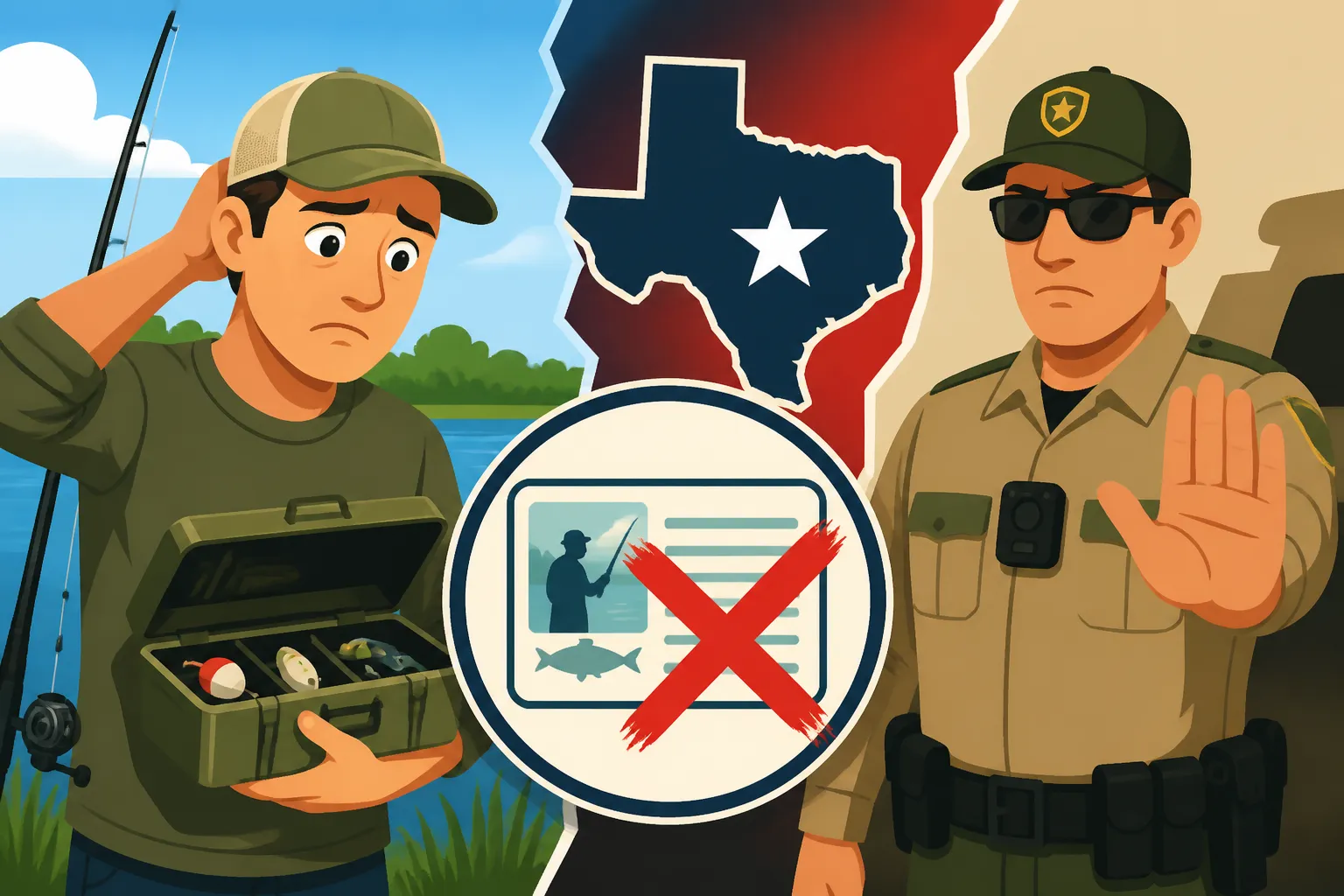
This is where common sense and a bit of caution come into play. While your fishing privileges aren't automatically revoked the moment your license goes missing, you are still required to possess proof of your valid license while actively fishing. Attempting to fish without any verifiable proof can lead to significant penalties. A game warden’s job is to ensure everyone on the water is complying with regulations, and if they can't verify your license on the spot, you could be cited. The fine for fishing without a license in Texas can be substantial, often hundreds of dollars, plus court fees.
Imagine you're out on Lake Travis, having a fantastic day, and a TPWD game warden approaches for a routine check. If you can't produce a physical license, a digital copy, or provide sufficient information for them to look up your purchase, you're putting yourself at risk. It's not worth the potential ticket or the hassle of a court appearance. Even if you truly bought one, the burden of proof is on you. This is why understanding how to show proof, even without the physical card, is so crucial.
How to Prove You Had a License
Okay, so you've lost the little paper or card. Now what? The good news is that in today's digital age, proving you have a valid Texas fishing license is much easier than it used to be. You have a few options to confirm your legal status, which can be a lifesaver if you encounter a game warden.
Digital Proof on Your Phone
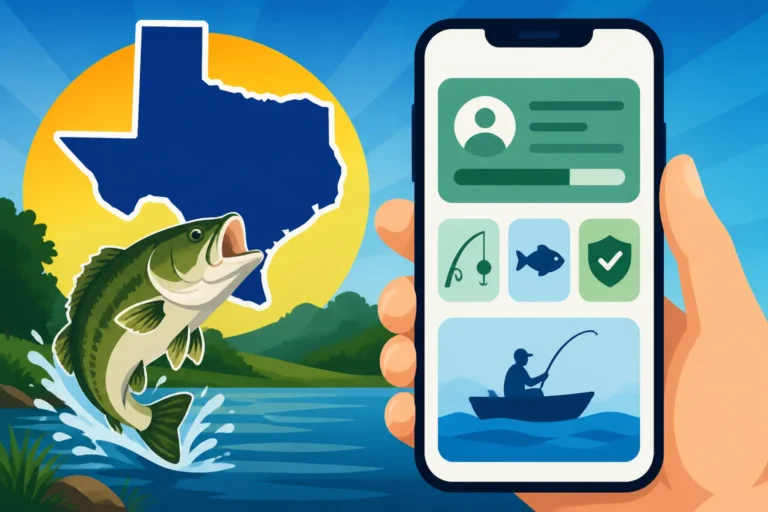
The Texas Parks and Wildlife Department understands that things get lost, especially when you're out enjoying the rugged Texas landscape. That's why they offer several ways to access digital proof of your license. The easiest and most widely accepted method is through the official TPWD Outdoor Annual mobile app. This app, available for both Apple and Android devices, allows you to download and store your licenses directly on your phone.
Once you've purchased a license, you can simply open the app, log in with your customer ID (often your driver's license number), and your current licenses will populate. You can then view and even "carry" them digitally. This means if a game warden asks to see your license, you can pull it up right on your phone. It's convenient, environmentally friendly, and often more durable than a paper license that can easily get soaked or torn. Just make sure your phone is charged and protected in a waterproof case, which you can easily find on online retailers like Amazon, to avoid further mishaps. The app also contains critical information on statewide and specific Texas Freshwater Fishing Regulations and Texas Saltwater Fishing Regulations, which is handy for quick reference.
Beyond the official app, a simple photograph or a screenshot of your license on your phone can sometimes suffice for verification, especially if it clearly shows your name, customer ID, license type, and expiration date. While the app is preferred, a clear digital image is certainly better than no proof at all. It's always a good practice to take a photo of your new license as soon as you get it and store it in your phone's photo library or a cloud service as a backup.
Physical Proof Beyond the Card
What if your phone battery dies, or you’re in an area with no signal, or you just prefer old-school methods? There are still ways to demonstrate you're a licensed angler. When you purchase your fishing license, whether online or in person, you usually receive some form of receipt or confirmation.
- Email Confirmation: If you bought your license online, you likely received an email confirmation with your license details. Keeping these emails archived can be a quick way to pull up your information.
- Printed Receipt: When purchasing from a retailer like Walmart, Academy Sports + Outdoors, or a local bait shop, you'll get a physical receipt. While this isn't your actual license, it usually contains your customer ID and transaction details, which a game warden can use to look up your license in the TPWD system.
- Customer ID: Your TPWD customer ID, often linked to your driver's license number, is a unique identifier. If you remember this number, or have it stored somewhere safe, a game warden can use it to verify your license status instantly using their mobile devices. This is often the quickest way for them to confirm your purchase if you've lost all other forms of physical and digital proof. It’s a good idea to jot down your customer ID in a separate place, like a note in your tackle box that isn’t exposed to the elements.
It's important to note that while these methods can help verify your license, they aren't a direct substitute for having the actual license or an approved digital version. The safest bet is always to get a replacement as soon as possible, especially if you plan on continued fishing trips.
Getting a Replacement Texas Fishing License
So, you've established you had a license, but you still want that physical or official digital copy back. No problem! Replacing a lost Texas fishing license is a straightforward process, and you have several convenient options depending on your preference and immediate needs.
Online Replacement Process
For most people, the quickest and easiest way to replace a lost license is through the Texas Parks and Wildlife Department's online licensing system. This is available 24/7, meaning you can handle it from the comfort of your home, even late at night or early in the morning before a planned fishing trip.
Here's how it generally works:
- Visit the TPWD Website: Navigate to the official TPWD outdoor recreation licensing page.
- Log In: You'll need to log in using your customer ID, which is typically your Texas driver's license number, or another form of identification you used when purchasing your original license. If you've forgotten your credentials, there are usually options to recover them.
- Access Your Licenses: Once logged in, you should see a list of your past and current licenses. There will be an option to view or reprint them.
- Initiate Replacement: Look for a "Replacement License" or "Reprint License" option. Follow the prompts, confirm your details, and proceed to payment for any applicable replacement fees.
- Print or Save: After completing the process, you'll usually be able to print a temporary license immediately. This temporary printout is valid as your license until your official replacement arrives in the mail or you can retrieve a hard copy. You can also save the PDF to your phone for digital proof.
The beauty of the online system is its speed. Within minutes, you can have a printable, legal document in your hand. This is incredibly helpful if you realize your license is missing right before heading out. Keep in mind that a fee usually applies for replacements, which we'll discuss in more detail. If you are looking to get a new license entirely, not just a replacement, you can also easily accomplish that through the TPWD online system; check out our guide on how to buy a Texas fishing license online.
In-Person Replacement Options
If you prefer face-to-face interaction or don't have access to a printer, you can also replace your lost Texas fishing license in person. There are thousands of license retailers across the state ready to assist you.
These include:
- Sporting Goods Stores: Major chains like Academy Sports + Outdoors or Bass Pro Shops almost always have a customer service desk equipped to handle license sales and replacements.
- Walmart Stores: Many Walmart locations in Texas also offer TPWD licensing services.
- Local Bait and Tackle Shops: Often, your friendly neighborhood bait shop is an authorized TPWD license vendor. These smaller shops are great resources for local fishing tips as well!
- TPWD Law Enforcement Offices: In some larger cities, you might find a TPWD law enforcement office that can process replacements, though these are less common than retail outlets.
When you go in person, make sure to bring a valid form of identification, typically your Texas driver's license. Having your customer ID number on hand will speed up the process even further. The staff will be able to look up your original purchase, issue a replacement, and collect any associated fees. You'll walk out with a brand-new physical license in hand, ready for your next adventure. Many people find this option reassuring, as it provides immediate physical proof and an opportunity to ask questions. If you're wondering where to buy a Texas fishing license in person, these are your best bets.
Replacement by Phone
For those who prefer to speak with someone directly and don't need immediate physical proof, the TPWD offers a phone-based replacement service. You can call their customer service center during business hours to request a replacement.
Here’s the general procedure:
- Call TPWD Customer Service: Find the official TPWD licensing customer service number on their website.
- Provide Information: You'll need to provide your personal information, including your customer ID or driver's license number, to allow the representative to locate your original license purchase in their system.
- Confirm Details and Payment: The representative will confirm your license details and explain any replacement fees. You'll provide payment information over the phone.
- Receive by Mail: A replacement license will then be mailed to you. This option is great for convenience but does involve a waiting period for the mail to arrive, so it’s not ideal if you plan to fish immediately.
While this option is available, it's typically the slowest method for obtaining a new physical license. For immediate needs, the online or in-person methods are usually more practical.
Costs and Considerations for Replacements
Nothing in life is truly free, and replacing a fishing license usually comes with a small administrative fee. It’s a minor cost, but it’s good to be aware of it so there are no surprises.
Understanding Replacement Fees
When you replace a lost Texas fishing license, the Texas Parks and Wildlife Department typically charges a nominal administrative fee. This fee covers the cost of processing and issuing the new document. Currently, the standard replacement fee is $10. This applies whether you replace it online, by phone, or in person at a retailer. This fee is usually in addition to any initial online transaction fees you might have paid when purchasing the original license, such as the fees mentioned in our article on Texas Online License Purchase Fees.
It's important to budget for this small fee if you find yourself needing a replacement. While it might feel like an extra expense, it's a small price to pay for compliance and peace of mind on the water.
When to Get a Replacement vs. a New License
This is a common question, especially as the fishing license year runs from September 1st to August 31st each year.
- Replacement: You get a replacement when your existing, currently valid license is lost or destroyed. The replacement will have the same expiration date as your original license. For instance, if you bought a license in September and lose it in February, you'd get a replacement that still expires on August 31st.
- New License: You purchase a new license when your previous license has expired (after August 31st), or if you are purchasing a license for the first time. There's no "replacement" for an expired license; you simply buy a brand-new one for the current license year.
If you lose your license very close to the August 31st expiration date, you might consider whether it's worth paying the replacement fee for only a few weeks of use. Sometimes, it might make more sense to wait a short period and just purchase your new license for the upcoming year starting September 1st, depending on your fishing plans. However, remember that you cannot fish legally without a current, valid license. For a full understanding of the renewal cycle, you might want to read our article on Texas Fishing License Renewal Rules.
Here's a quick summary of your replacement options:
| Replacement Method | Cost (Approx.) | Speed for Physical License | Convenience | Notes |
|---|---|---|---|---|
| Online | $10 | Instant (printable) | High | Available 24/7, allows immediate printing or digital save. |
| In-Person | $10 | Immediate (physical card) | Medium | Requires travel to a retailer, but you leave with a physical license. |
| By Phone | $10 | Slow (mailed) | Medium | Requires waiting for mail delivery, not suitable for immediate use. |
Keeping a Backup Plan
To avoid the stress and cost of losing your license again, it's a great idea to have a robust backup plan.
- Digital Redundancy: Utilize the TPWD Outdoor Annual app, but also take a clear photo of your physical license and save it to your phone's photo library and a cloud storage service (like Google Drive, Dropbox, or iCloud). This way, even if your phone's app gets buggy, you still have an accessible image.
- Physical Protection: Invest in a small, waterproof holder for your physical license. Many anglers use clear, zip-top bags or dedicated waterproof wallets, available from outdoor retailers or online stores like Amazon. These can also hold other essential documents.
- Duplicate Printout: If you print your license at home, print an extra copy and leave one securely stored in your vehicle, boat's glove compartment, or a dedicated "fishing file" at home.
- Memorize Customer ID: Your TPWD Customer ID is paramount. Memorizing it or having it written down in a separate, secure location (not with your physical license) can be a lifesaver if all else fails.
By taking these proactive steps, you can significantly reduce the chances of encountering that frustrating moment of realizing your Texas fishing license is lost and ensure your time on the water remains worry-free. Remember, proper preparation is key to enjoying all that Texas fishing has to offer!
Disclaimer
The information provided in this guide is for general informational purposes only and is not intended as legal advice. Texas fishing regulations and licensing requirements can change. Always consult the official Texas Parks and Wildlife Department (TPWD) website or contact them directly for the most current and accurate information before fishing.