Does a Texas driver’s license work as ID for a fishing license?
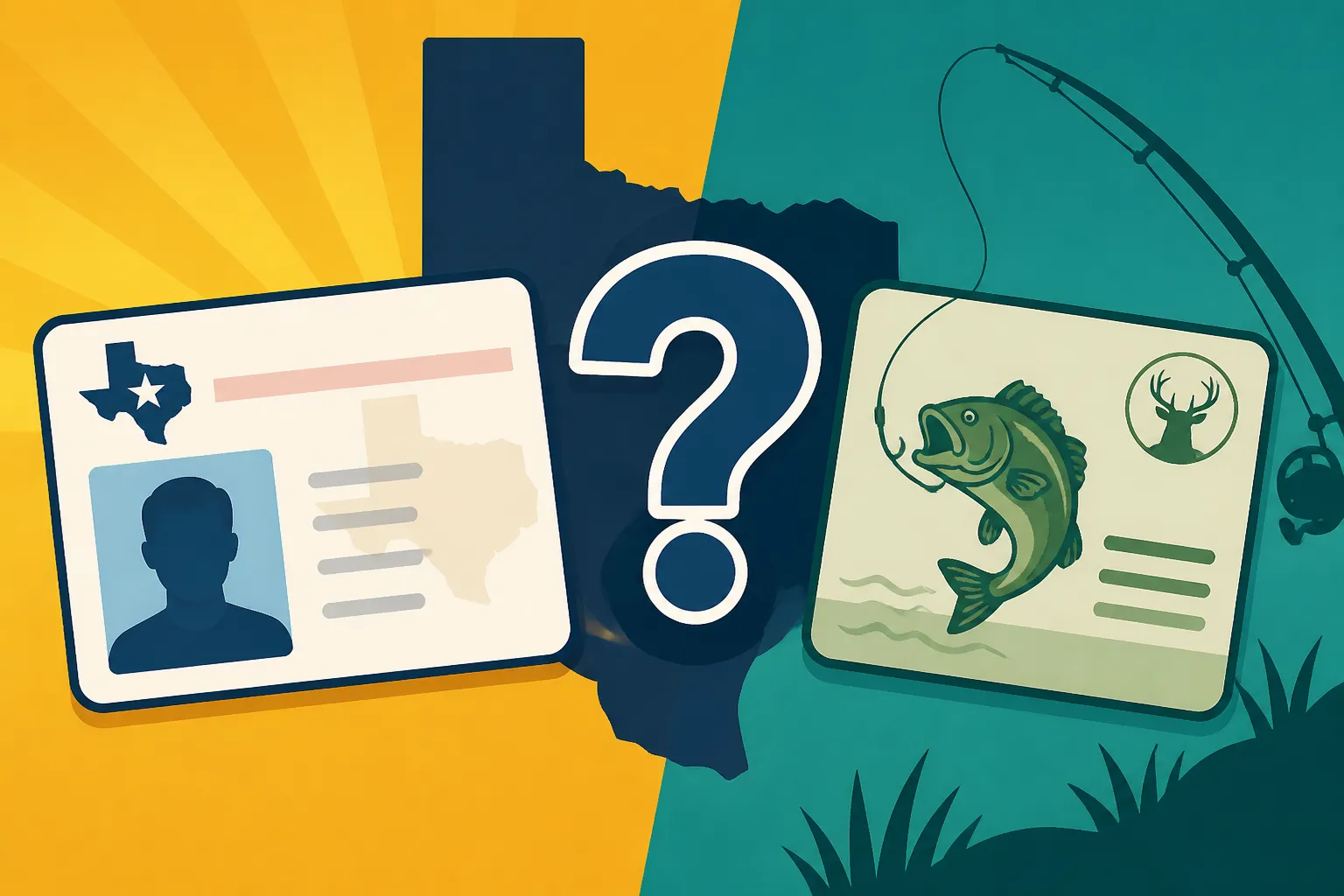
It’s a common question that pops up in conversations at the boat ramp or tackle shop: "Does my Texas driver's license work as ID for a fishing license?" The simple answer is yes, absolutely! In fact, for most resident anglers, your valid Texas driver's license is the most straightforward and universally accepted form of identification when you're purchasing or presenting your fishing license. This guide is going to dive deep into exactly why your driver's license is so important, what alternatives exist, and why having the right ID handy can save you a lot of headaches.
Understanding Texas Fishing License Identification Requirements
When you're dealing with anything related to official state permits, like a fishing license, there's always a need for proper identification. It's not just some bureaucratic hurdle; it's a vital step to ensure that the person buying the license is who they say they are, is eligible for the specific license type, and understands the responsibilities that come with it.
The Primary Purpose of Your ID for Fishing Licenses
Think about it: the state needs to know who you are. This isn't about Big Brother watching your fishing spots; it's about managing a natural resource effectively and fairly. Your ID, particularly your Texas driver's license, serves several critical functions in the fishing license process. First and foremost, it verifies your identity. It proves you're a real person, not someone trying to game the system. Without a clear ID, anyone could claim to be anyone, making it impossible to track licenses or enforce regulations.
Secondly, and this is huge for us Texans, it establishes your residency. As you probably know, fishing license fees are different for residents and non-residents. Your Texas driver's license is the gold standard for proving you live in the Lone Star State, unlocking those resident rates. Imagine the chaos if folks from out of state could just walk in and claim resident prices without proof!
Finally, your ID is crucial for age verification. There are specific exemptions and discounts based on age, such as for our younger anglers or our seasoned veterans. Without a reliable way to check your birthdate, these programs couldn't exist fairly. It’s all about maintaining order and ensuring everyone plays by the same rules for the benefit of our precious Texas fisheries.
What Texas Parks and Wildlife Department Considers Valid ID
While a Texas driver's license is often the easiest and most preferred option, it's certainly not the only valid form of identification recognized by the Texas Parks and Wildlife Department (TPWD). The key is that the ID must be a government-issued photo identification that clearly states your name and date of birth.
For Texas residents, this could include:
- Texas State ID Card: If you don't drive, a state ID card issued by the Department of Public Safety (DPS) serves the exact same purpose as a driver's license for identification.
- Military ID: Active-duty military personnel, especially those stationed in Texas, often use their military IDs. This is particularly relevant when considering things like Texas Fishing License for Active-Duty Military or Texas Disabled Veteran Fishing License Rules.
- U.S. Passport: A valid U.S. passport is always an acceptable form of identification.
For non-residents, things are pretty similar:
- Out-of-State Driver's License: Your valid driver's license from another U.S. state is perfectly fine. It proves your identity and establishes you as a non-resident.
- Passport: For international visitors, a valid passport is essential.
- Visa: Depending on the situation, a visa might also be needed in conjunction with a passport for international anglers.
The important takeaway here is to always have a readily acceptable form of identification. Whether you're purchasing your initial license or renewing it, having proper ID is the first step in ensuring a smooth transaction. For more on getting started, check out our comprehensive guide on How to Get a Texas Fishing License.
The Texas Driver's License as Proof of Residency and Age
One of the biggest advantages of using your Texas driver's license is its dual function: it proves who you are and where you're from. These two pieces of information are fundamental to the Texas fishing license system.
Establishing Texas Residency for License Benefits
Let's talk about residency. It’s not just a formality; it directly impacts how much you pay for your license. Texas residents enjoy significantly lower license fees compared to non-residents, and for good reason—our tax dollars contribute to the management and stocking of our state's waterways. Your Texas driver's license, with a current Texas address, is the most robust way to prove you’re a bona fide resident.
Imagine Sarah, who just moved to Dallas from Oklahoma. She's excited to hit Lake Ray Hubbard for some bass fishing. When she goes to buy her license, if her driver's license still shows her Oklahoma address, she'll be charged the non-resident rate. It's a bummer, but it's fair. Once she updates her driver's license to her new Texas address, she can then purchase a resident license. This often means a significant saving. For a deeper dive into the cost differences, you might want to look into Texas Resident Fishing License Cost versus Texas Nonresident Fishing License Cost. The system relies on accurate identification to ensure these benefits are properly distributed.
Verifying Age for Discounts and Exemptions
Beyond residency, your Texas driver's license is crucial for verifying your age. This is especially important because Texas has several age-based exemptions and discounts designed to make fishing accessible to everyone.
For instance, younger anglers often don't need a license at all. If you're under 17 years old, you're generally exempt from needing a fishing license in Texas. Your driver's license (or another valid ID like a school ID for younger teens) confirms you fit into this category. Our guide on Texas Youth Fishing License Rules has all the details on this.
On the other end of the spectrum, our more experienced anglers, especially those 65 and older, are eligible for discounted licenses. Your Texas driver's license provides immediate proof of age, allowing you to access these benefits. For specific details on how this works, check out Texas Senior Fishing License Discount and our article on Do people born before 1931 need a Texas fishing license?, which covers a unique historical exemption. In essence, the birthdate printed on your driver's license is the quick and easy way for retailers and wardens to confirm your eligibility for these programs without any fuss.
What to Do If You Don't Have a Texas Driver's License
While a Texas driver's license is incredibly convenient, not everyone has one. Maybe you're new to the state and haven't gotten around to updating yours, or you're a visitor, or you simply don't drive. Don't worry, you still have options!
Acceptable Alternative Forms of Identification
The key, as mentioned, is a government-issued photo ID that clearly shows your name and date of birth. Here's a quick rundown of what else usually works:
- Texas State ID Card: This is probably the most common alternative for Texas residents who don't drive. It’s issued by the same DPS and carries the same weight for identity and residency verification.
- U.S. Passport: A valid United States passport is always a good bet, whether you're a resident or non-resident. It's recognized internationally and nationally as a strong form of identity verification.
- Military ID: For service members, a valid U.S. Military ID card is fully accepted. This is particularly useful for those who might be active duty and stationed here, or for veterans who qualify for special licensing considerations, which you can learn more about in our piece on Texas Disabled Veteran Fishing License Rules.
- Concealed Handgun License (CHL) or License to Carry (LTC): In Texas, your CHL or LTC can also serve as a valid form of identification, as it's a government-issued document with your photo and pertinent details.
- Foreign Passports with Visas: For our international visitors, a valid passport from your home country, often accompanied by a valid U.S. visa, will serve as your primary form of identification.
The important thing is that these alternatives provide the same critical information: who you are and, if applicable, where you reside. When purchasing in person, the vendor will visually verify the photo and information. For online purchases, you'll typically enter this information, and it will be cross-referenced against state databases.
Special Considerations for Non-Residents and International Anglers
If you're visiting Texas and looking to cast a line, your out-of-state driver's license will work perfectly for establishing your identity and non-resident status. It's straightforward. You present your valid driver's license from, say, Louisiana or Colorado, and you'll be issued a non-resident fishing license. This process is seamless at any license retailer. If you're just here for a short trip, you might even consider a Texas One-Day Fishing License for Visitors to maximize your time on the water.
For our international friends, a passport is the go-to. If you’re visiting from Mexico, Canada, or further abroad, your home country's passport is the key document. Depending on the length and purpose of your stay, you might also need to present a valid U.S. visa to verify your legal presence in the country. TPWD and its licensed retailers are equipped to handle these situations, ensuring that everyone who wants to experience Texas fishing can do so legally. Just remember, the goal is always clear, undeniable identification.
Practical Tips for Purchasing and Carrying Your Fishing License
Now that we've covered the ins and outs of ID, let's talk about the practical side of getting and using your fishing license. It's not just about having the right ID to buy it, but also having everything squared away when you're out on the water.
In-Person Purchases and Digital Options
Most anglers in Texas are familiar with walking into a local sporting goods store, bait shop, or even a Walmart to pick up their annual license. Places like Academy Sports + Outdoors or Can you buy a Texas fishing license at Walmart? are common spots. When you go this route, your Texas driver's license is exactly what the clerk will ask for. They'll scan it or manually enter your information, and in minutes, you'll have your license in hand. It’s a quick and efficient process.
However, in this digital age, many prefer the convenience of buying their license online. The TPWD website makes this incredibly easy. While you won't physically hand over your driver's license, you will be prompted to enter your driver's license number, date of birth, and other identifying information. This data is then used to verify your identity and residency against state records. It’s the same verification process, just done electronically. For a step-by-step guide, you can refer to our article on How to buy a Texas fishing license online. Whether in person or online, your driver's license details are central to the transaction.
The Importance of Having Your ID and License Handy While Fishing
This is probably the most crucial piece of advice for any angler in Texas. It's not enough to have a license; you must also be able to present it when requested by a game warden or other law enforcement official. And guess what? They'll almost certainly ask for a photo ID to confirm you are indeed the person whose name is on that license.
Picture this: you're enjoying a peaceful morning fishing on Lake Fork, when suddenly a Texas Parks and Wildlife game warden pulls up. They're doing their rounds, ensuring everyone is legal. They'll politely ask to see your fishing license and a form of identification. If you only have your license, but no ID, you could potentially face a citation for not being able to fully identify yourself as the license holder. It's a simple verification step that protects both you and the integrity of the state's regulations.
Thankfully, TPWD has embraced technology to make this easier. You can now carry a digital version of your license on your smartphone using the official Texas fishing license mobile app explained. This is fantastic for convenience. However, even with the digital license on your phone, you should still have your physical driver's license or another government-issued photo ID with you. The app displays your license details, but the warden still needs to verify that you are the person associated with that license. So, while you can absolutely Can you show a Texas fishing license on your phone?, don't forget that trusty driver's license in your wallet. For a deeper dive into the legal requirements, check out Do you have to carry your Texas fishing license while fishing?.
Ultimately, your Texas driver's license isn't just a permit to drive; it's a powerful and widely accepted tool for proving your identity, residency, and age across various state-regulated activities, including fishing. Keeping it current and handy is just smart angling practice.
| ID Type | Acceptable for Residents? | Acceptable for Non-Residents? | Primary Use Case | Key Information Provided |
|---|---|---|---|---|
| Texas Driver's License | Yes | No (unless for non-res status) | Identity, Residency, Age Verification | Photo, Name, DOB, Address |
| Texas State ID Card | Yes | No | Identity, Residency, Age Verification | Photo, Name, DOB, Address |
| Out-of-State Driver's License | No | Yes | Identity, Non-Resident Status, Age Verification | Photo, Name, DOB, Home State Address |
| U.S. Passport | Yes | Yes | Identity, Citizenship (Resident), Identity (Non-Res) | Photo, Name, DOB |
| U.S. Military ID | Yes | Yes | Identity, Service Status (for exemptions) | Photo, Name, DOB, Military Status |
| Foreign Passport (+ Visa) | No | Yes | Identity, Legal Presence in U.S. (International) | Photo, Name, DOB, Nationality, Visa Info |
Disclaimer
The information provided in this guide is for general informational purposes only and does not constitute legal advice. Fishing regulations and identification requirements are subject to change. Always consult the official Texas Parks and Wildlife Department website or a current Outdoor Annual for the most up-to-date and accurate information before engaging in any fishing activities.