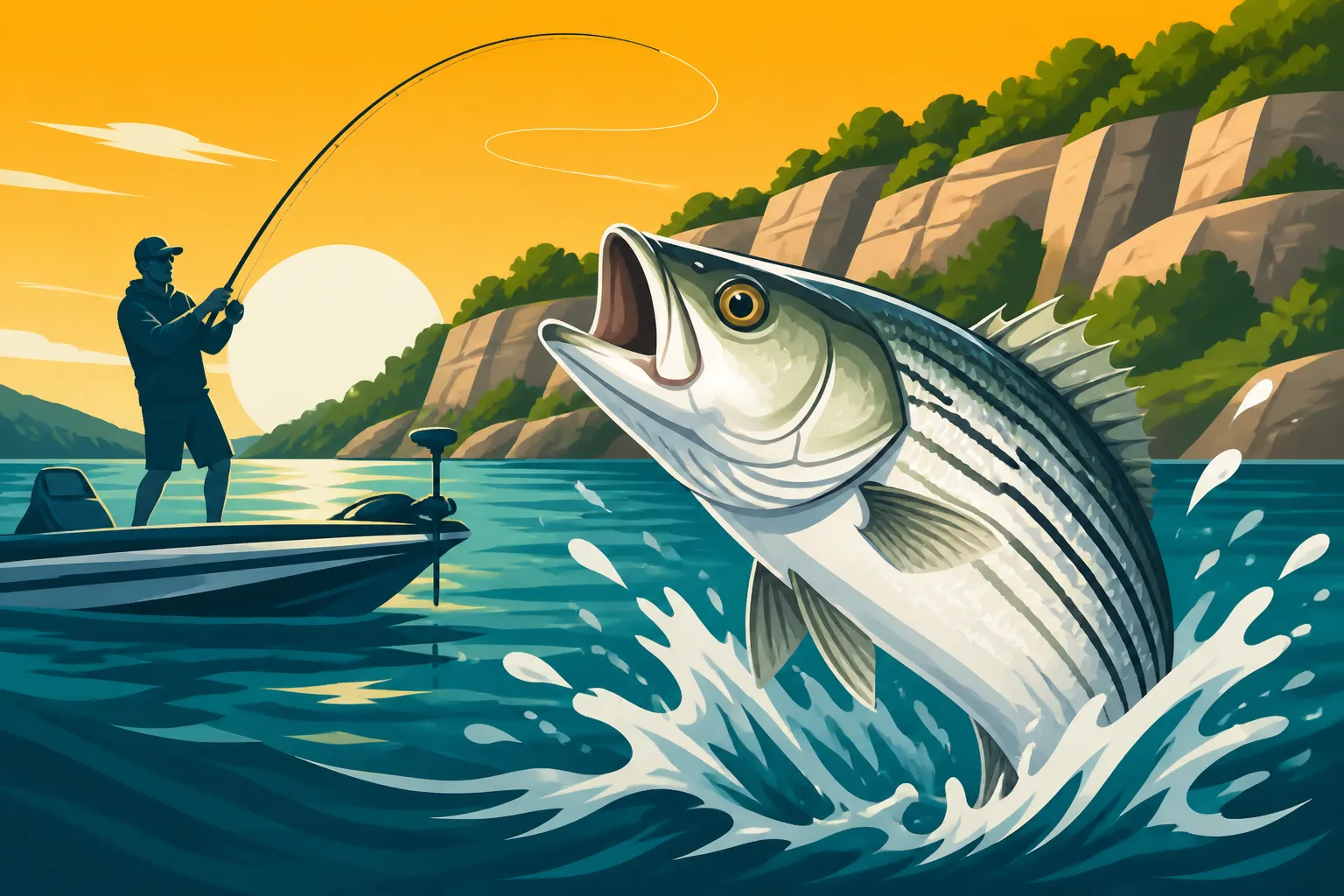
Possum Kingdom Lake striped bass fishing
If you've ever dreamt of battling a powerful, hard-fighting fish that can peel line off your reel with incredible speed, then chasing striped bass on Possum Kingdom Lake is probably high on your list. But let's be real, these pelagic predators can be notoriously fickle, leaving even seasoned anglers scratching their heads. This guide is dedicated to unraveling the mysteries of Possum Kingdom's striped bass, equipping you with the knowledge and tactics to consistently find and hook into these magnificent fish.
Understanding Possum Kingdom Lake's Striper Appeal
Possum Kingdom Lake, often affectionately called "PK" by locals, isn't just another pretty face on the Texas landscape. This reservoir, cradled by impressive cliffs and rolling hills, is a truly special fishery, particularly renowned for its robust population of striped bass. These aren't just any stripers; the fish here are known for their size, strength, and the thrilling fight they put up, making every catch a memorable experience.
Why Possum Kingdom Lake is a Striper Hotspot
What makes Possum Kingdom such a prime location for striped bass? It boils down to a few key factors that create the perfect habitat for these powerful schooling fish. First, the lake's sheer size and depth provide ample room for large schools of stripers to roam and thrive. Unlike some shallower impoundments, PK offers the deep, cool water that striped bass crave, especially during the scorching Texas summers. This thermal refuge is crucial for their survival and growth, allowing them to reach impressive sizes.
Beyond its physical dimensions, Possum Kingdom boasts an incredibly healthy forage base, primarily consisting of gizzard and threadfin shad. These small baitfish are the lifeblood of the striper population, providing an abundant food source that allows them to grow fat and feisty. When you combine deep, cool water with a plentiful supply of bait, you create an environment where striped bass can truly flourish, leading to the consistent catches and trophy opportunities that draw anglers from across the state and beyond. The consistent stocking efforts by the Texas Parks and Wildlife Department also play a significant role in maintaining a thriving and healthy population, ensuring that there are always plenty of fish to pursue.
The Lake's Layout and Key Striper Habitats
Navigating Possum Kingdom Lake effectively for stripers means understanding its unique topography. The lake can generally be divided into upper, middle, and lower sections, each with distinct characteristics that influence where stripers might be found. The upper reaches of the lake, particularly near the Brazos River inflow, can be shallower and have more standing timber, attracting stripers when they follow bait upstream. However, the true heart of the striper fishery often lies in the middle and lower sections, where the lake widens and deepens dramatically.
Striped bass are pelagic, meaning they often suspend in open water, but they are also highly structure-oriented, especially when feeding or seeking refuge. Look for them congregating around main lake points, submerged humps, deep ledges, and the prominent cliff faces that line much of the lake's shores. These structures provide ambush points and breaks in current where baitfish often school. Understanding how to read your electronics to identify these features is absolutely crucial for success. In areas like Hell's Gate, for instance, the deep water and dramatic rock formations create perfect environments for stripers to hold and chase bait.
Essential Techniques for Possum Kingdom Striped Bass
Catching striped bass on Possum Kingdom requires a versatile approach. These fish are opportunistic feeders, but their behavior changes with the seasons and time of day, demanding different techniques to consistently put them in the boat. Mastering a few key methods will significantly increase your chances of success.
Trolling for Stripers
Trolling is perhaps the most popular and effective method for covering large expanses of water and locating active schools of striped bass on Possum Kingdom. This technique involves dragging artificial lures or umbrella rigs behind your boat at a controlled speed, typically ranging from 2.5 to 4 miles per hour. The goal is to present your bait at the depth where stripers are actively feeding or holding. During various times of the year, particularly when fish are scattered or suspended in open water, trolling can be the most efficient way to get your lure in front of them.
You'll need a good trolling motor or your main outboard, along with appropriate rods that can handle the drag of multiple lures. Common lures for trolling include deep-diving crankbaits like Bomber Long A or Mann's Stretch series, soft plastic swimbaits on jig heads, or even large spoons. Many anglers also employ umbrella rigs, which mimic a small school of baitfish, often with a larger "chaser" lure at the end. Pay close attention to your electronics while trolling; when you mark a school of bait or stripers, adjust your boat's path to pass directly through them. Don't be afraid to experiment with different depths and speeds until you find what triggers a strike.
Live Bait Fishing Strategies
When stripers are being finicky or holding tight to structure, live bait can often be the undeniable key to success. For Possum Kingdom, gizzard and threadfin shad are the absolute gold standard for live bait. The challenge, of course, is catching them, which usually requires a cast net in areas where baitfish are schooling near the surface or around lights at night. Keeping these delicate baitfish alive and frisky in a well-aerated livewell is paramount, as lively bait is far more enticing to a hungry striper.
Once you have your live bait, there are several effective presentations. Downrigging is a fantastic method for presenting live shad at precise depths, especially when stripers are holding deep in the water column during warmer months. This allows you to place your bait right in the strike zone. Another common technique is free-lining, where a single shad is hooked through the nose or back and allowed to swim naturally with little or no weight, particularly effective when stripers are feeding near the surface or when current is present. Lastly, suspending bait under a large float or balloon is great for keeping your bait at a consistent depth over submerged structure or when targeting suspended schools. Often, anglers will run multiple lines with different presentations to maximize their chances. If you're looking for an expert to help you with these techniques, many experienced guides listed on services like FishingBooker specialize in live bait tactics for stripers.
Topwater and Artificial Lure Action
While trolling and live bait often get the most attention, the explosive strikes on topwater lures can be the most exhilarating experience in striper fishing. Topwater action typically occurs during low-light conditions – early mornings, late evenings, or on overcast days – when stripers push baitfish to the surface. Look for active schools of bait being chased, often indicated by diving birds or disturbances on the water. Large walking baits like Zara Spooks, poppers, or even big pencil poppers can elicit ferocious strikes when worked correctly over active fish.
Beyond topwater, a variety of other artificial lures can be incredibly effective. Heavy spoons, such as a Slabsider or a jigging spoon, are excellent for vertical jigging over deep, suspended schools of stripers, mimicking a wounded baitfish fluttering downwards. Big soft plastic swimbaits, often weighing several ounces, rigged on heavy jig heads can be cast and retrieved over points or ledges, or even slow-trolled. Jerkbaits, particularly those designed to dive to medium depths, can also be productive when stripers are holding a bit shallower. Experimentation is key, and having a diverse selection of lures ensures you're ready for whatever the stripers are keying in on.
Seasonal Striper Patterns at Possum Kingdom
Understanding the seasonal movements and behaviors of striped bass is fundamental to consistent success on Possum Kingdom Lake. Like most fish, stripers respond dramatically to changes in water temperature, forage availability, and spawning cycles. Knowing what to expect throughout the year will help you select the right spots and techniques. You might even want to check out our comprehensive guide on Texas Fishing Seasons Month by Month for a broader perspective on what's biting across the state.
Spring and Fall Feeding Frenzies
Spring and fall are often considered the "golden seasons" for striped bass fishing on Possum Kingdom. As water temperatures cool down in the fall and warm up in the spring, stripers become incredibly active and aggressive, moving into shallower depths and actively chasing baitfish.
In spring, typically from March through May, stripers begin to move up the lake and into shallower coves and creek arms as the water warms and baitfish become more active. They'll often feed heavily in preparation for their spawning run, which, for landlocked stripers, is more of a migratory instinct up river systems like the Brazos. This is a prime time for throwing larger swimbaits, jerkbaits, and even some topwater early in the morning. Trolling is also highly effective as fish are often scattered and actively searching for food. Look for birds diving, which is always a good indicator of baitfish being pushed to the surface by hungry stripers.
Fall, from September through November, brings a similar resurgence in activity. As the lake's surface temperature begins to drop, stripers move out of their deep summer haunts and scatter across the lake, often pushing baitfish into open water or against prominent points and humps. This is a fantastic time for live bait presentations, but also for covering water with trolling setups or chasing visible topwater action. The fish are actively gorging themselves, building reserves for the colder months, making them highly receptive to a variety of offerings.
Summer Deepwater Tactics
The brutal Texas summer heat presents a significant challenge for Possum Kingdom striper anglers. As surface water temperatures soar, stripers retreat to the cooler, oxygen-rich depths where they can find thermal comfort. This doesn't mean they stop feeding, but it does mean you have to change your approach dramatically. Targeting these fish often requires specialized techniques and careful monitoring of your electronics. Our guide on How to Fish in Hot Texas Summers offers more general advice for staying safe and successful in the heat.
During June, July, and August, stripers will typically be found anywhere from 30 to 70 feet deep, often suspended over main lake channels, submerged humps, or near the base of the towering cliffs. This is when downriggers become absolutely indispensable for presenting live shad or deep-diving lures at precise depths. Vertical jigging with heavy spoons directly over marked schools is another highly effective tactic. Focus your efforts during the low-light hours of very early morning or late evening, as stripers might briefly move shallower to feed before retreating to the depths. Patience and persistence are key, as is a good fish finder to locate these deep-dwelling schools.
Winter Slowdowns and Opportunities
Winter fishing on Possum Kingdom might seem daunting, but it offers some unique opportunities for patient striper anglers. As water temperatures drop into the 40s and 50s, stripers become less active and their metabolism slows. However, they also tend to school up very tightly around deep bait concentrations, making them easier to target if you can find them.
From December through February, look for large, dense schools of stripers and baitfish on your electronics, often hugging the bottom in deeper sections of the lake or suspending over channels. Vertical jigging with heavy spoons or large soft plastics is a primary tactic during this time. Slowly trolling deep-diving crankbaits or umbrella rigs can also be effective, albeit at much slower speeds than in warmer months. On warmer, sunny winter days, stripers might occasionally move up shallower for a brief feeding window, especially if there's an abundance of bait. Always pay close attention to the weather patterns, as a slight warming trend can significantly improve the bite.
Gearing Up for Success: Tackle and Electronics
Having the right equipment is non-negotiable when targeting the powerful striped bass of Possum Kingdom Lake. These fish are known for their strength and stamina, demanding tackle that can withstand intense battles. Furthermore, in a vast reservoir like PK, modern electronics aren't just a luxury – they're an absolute necessity for locating fish and staying safe.
Recommended Rods, Reels, and Line
For chasing Possum Kingdom stripers, you'll want a medium-heavy to heavy action rod, typically in the 7 to 8-foot range. This length provides the leverage needed to fight powerful fish and cast heavier lures or control multiple trolling lines. For casting artificials or live bait, a fast tip combined with a strong backbone is ideal for detecting subtle bites and setting the hook firmly. If you're looking for recommendations, our guide on Best Fishing Rods for Texas Anglers provides more detail on selecting the right stick for various species.
When it comes to reels, robust baitcasting reels are often preferred for trolling and heavy jigging, offering superior cranking power and line capacity. However, a strong spinning reel in the 4000-6000 size range can also be effective for casting lures and jigging. The key is durability and a smooth, reliable drag system, as these fish will test it. For line, a braided main line of 30-50 lb test is common, offering incredible strength, sensitivity, and minimal stretch. Many anglers will then add a 20-30 lb fluorocarbon or monofilament leader, especially when fishing clear water or using live bait, to provide a bit of shock absorption and improve stealth. For those interested in deeper dives, exploring Best Fishing Reels for Texas Anglers can help you choose the perfect match.
Crucial Electronics and Navigation
In a large and complex lake like Possum Kingdom, your electronics are your eyes underwater. A high-quality fish finder with advanced sonar capabilities is paramount. Look for units that offer 2D sonar, Down Imaging (or DownScan), and especially Side Imaging (or SideScan). Side Imaging allows you to scan wide areas on either side of your boat, dramatically increasing your ability to locate bait schools, individual stripers, and submerged structure like humps and ledges that are out of your direct path. Being able to mark these features and then precisely position your boat over them is the difference between a frustrating day and a successful one.
Beyond fish finding, a reliable GPS with detailed lake mapping is essential for navigation and marking waypoints. Possum Kingdom has numerous points, coves, and submerged features, and a good map will help you understand the topography and pinpoint productive areas. You can mark schools of fish you find, productive trolling passes, or areas where you caught bait. Many modern units integrate GPS and sonar into one display, making them incredibly powerful tools. For further insights into maximizing your on-water tech, check out our guide on Best Fishing Electronics for Texas Anglers. When exploring a new body of water or looking to optimize your striper strategy, connecting with a local guide through platforms like FishingBooker can offer invaluable insights into using these electronics effectively on PK.
| Technique/Lure Type | When to Use | Target Depth | Best Seasons | Notes |
|---|---|---|---|---|
| Trolling (Deep Diving Cranks/Umbrella Rigs) | Covering water, scattered fish, finding schools | 15-40 feet (or deeper with downriggers) | Spring, Fall, Summer (deep) | Experiment with speeds (2.5-4 mph). Watch electronics. |
| Live Shad (Downrigged/Freeline) | Finicky fish, suspended schools, precise depth control | Variable, match fish depth | All seasons | Best bait by far. Keep lively. |
| Vertical Jigging (Spoons) | Over deep, suspended schools, winter tight schools | 20-70+ feet | Summer (deep), Winter | Mimics wounded baitfish. Aggressive jigging. |
| Topwater (Poppers/Walking Baits) | Active surface feeders, low light conditions | Surface | Spring, Fall | Exciting strikes! Look for birds/surface boils. |
| Soft Plastic Swimbaits | Casting over points, shallow trolling, jigging | Variable | Spring, Fall | Versatile. Match shad size/color. |
Disclaimer
Fishing conditions and regulations in Texas can change. Always consult the latest Texas Parks and Wildlife Department (TPWD) Outdoor Annual or their official website before heading out to ensure you are aware of current licensing requirements, bag limits, and any other specific regulations for Possum Kingdom Lake or other Texas waters. Safety should always be your top priority on the water.