How to fish a Texas rig for bass
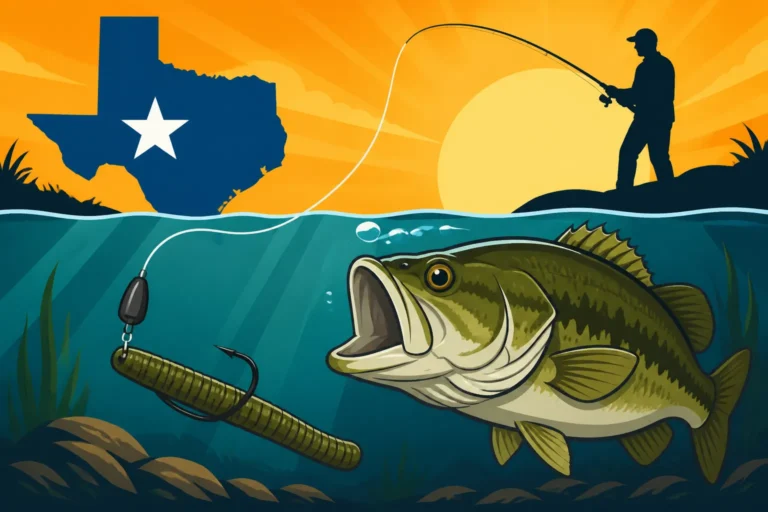
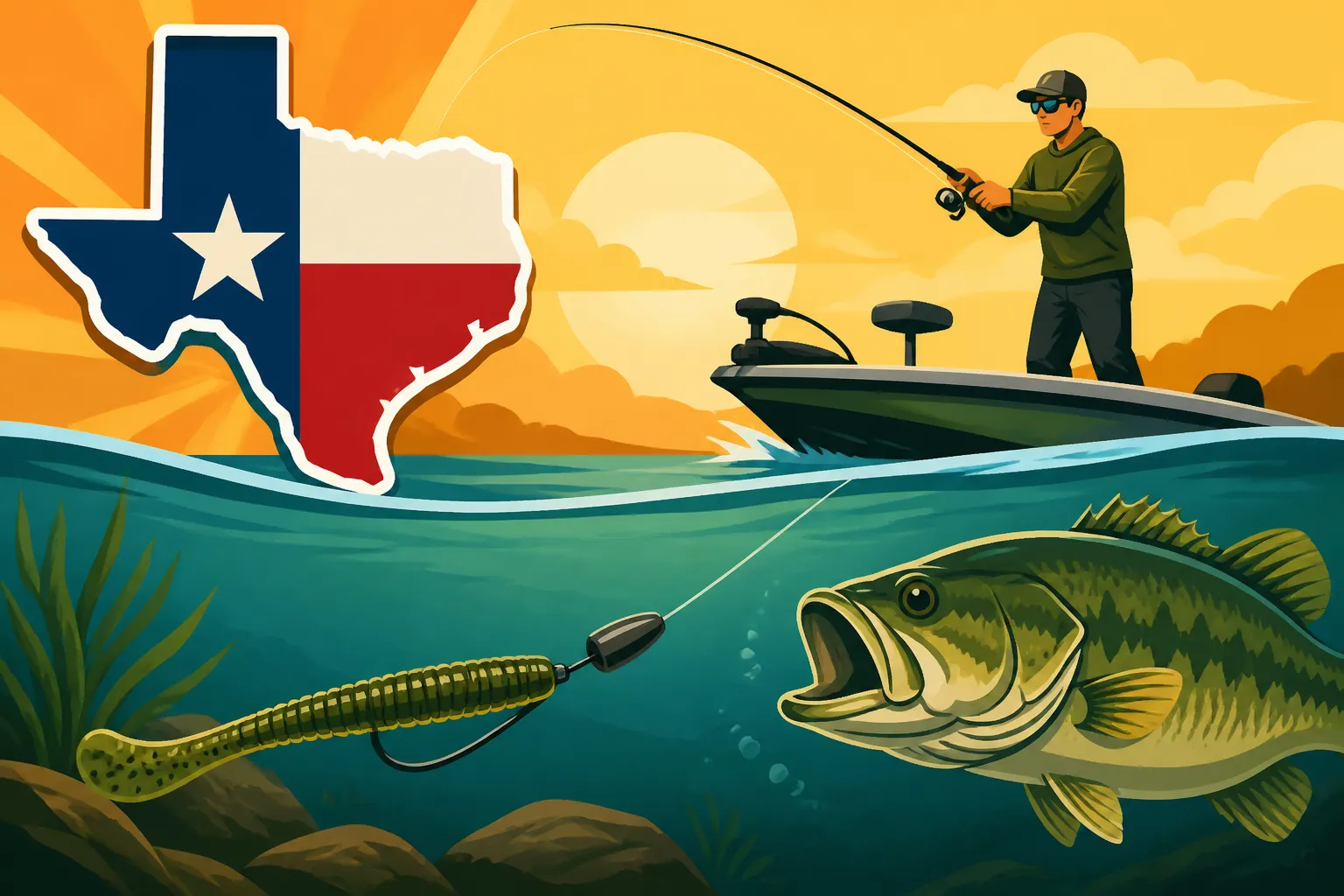
Oh, the Texas rig! It's one of those foundational techniques in bass fishing, a true classic, and for good reason. It’s incredibly versatile and effective, but if you’re new to it, or even if you’ve tried it a few times and just keep getting hung up or missing fish, it can feel more frustrating than fantastic. Don’t you worry, because this guide is all about taking the mystery out of the Texas rig, breaking down everything you need to know to fish it confidently and catch more bass in Texas waters.
Understanding the Texas Rig: A Timeless Bass Catcher
The Texas rig is a staple for bass anglers across the Lone Star State, and frankly, across the entire country. Its ingenious design allows you to present a soft plastic bait in a weedless manner, meaning your hook point is embedded into the plastic, making it resistant to snags in heavy cover like hydrilla, submerged timber, or rocky bottoms. This is a huge advantage when you're targeting those elusive bass that love to hide deep within thick vegetation or tangled brush.
It's not just about being weedless, though. The Texas rig offers a subtle, natural presentation that can entice even the most finicky bass. Unlike a jig that might have a skirt or a crankbait with a distinct wobbling action, a Texas-rigged worm or creature bait typically glides and undulates with a more lifelike motion, mimicking a crawfish, lizard, or a dying baitfish. This makes it incredibly effective in a wide range of conditions, from clear lakes to muddy rivers, and in both shallow and deeper water. If you're looking to explore different presentations, check out our guide on Beginner Fishing Techniques for Texas Anglers to see how the Texas rig fits into the bigger picture.
Why the Texas Rig Reigns Supreme for Texas Bass
Living and fishing in Texas means dealing with a diverse range of environments. We have everything from vast, stump-filled reservoirs like Lake Fork and Sam Rayburn, to the clearer, rockier lakes of the Hill Country, and even dense aquatic vegetation in our East Texas fisheries. The Texas rig shines in almost all these scenarios because of its adaptability.
For instance, when bass are hunkered down in the thick hydrilla beds of Lake Palestine during the heat of summer, trying to throw a spinnerbait or a crankbait will often just result in a frustrating mess of weeds on your retrieve. But a Texas-rigged worm, with its weedless profile, can be punched right through that cover, getting directly into the fish's living room. Similarly, if you’re exploring the timber-laden depths of Lake Livingston or probing the brush piles in Lake Conroe, a Texas rig allows you to work your bait slowly and deliberately, feeling every bump and subtle change in the bottom without constantly snagging. This isn't just about avoiding frustration; it’s about getting your bait into places other lures can’t, and that's where the big bass often hide.
Anatomy of a Simple Yet Effective Rig
At its core, a Texas rig is quite simple, consisting of just a few key components:
- A hook: Typically a worm hook or an Extra Wide Gap (EWG) hook, designed specifically to secure soft plastics and remain weedless.
- A bullet weight: This is a lead or tungsten weight, usually bullet-shaped, that slides freely on your line above the hook. The sliding action gives the bait a natural fall and allows the weight to separate from the bait when a fish bites, making it harder for the fish to shake the hook.
- A soft plastic bait: This is where you have endless choices – worms, creature baits, craws, lizards, flukes, and more. The type you choose depends on what you're trying to imitate and the conditions you're fishing.
That's it! Simple, right? But the magic happens in how these pieces work together, providing a natural, enticing presentation that bass find irresistible, especially when they're hiding in hard-to-reach places.
Rigging Your Perfect Texas Rig Setup
Getting your Texas rig set up correctly is crucial for its effectiveness. It's not just about slapping a hook and a weight on your line; there's a specific technique to ensure it's truly weedless and presents your bait naturally. Let's walk through it, piece by piece.
Selecting the Right Components
Before you even start threading, you need to choose the right gear. This is where personal preference and the specific fishing conditions come into play.
- Hooks: For most Texas rig applications, an Extra Wide Gap (EWG) worm hook is the go-to. The wider gap allows for a good hook-set even with bulkier soft plastics, and the offset shank helps keep your bait straight. Sizes typically range from 2/0 for smaller worms up to 5/0 or even 6/0 for larger creature baits or magnum worms. If you're fishing thinner worms, a straight shank worm hook can also work well.
- Weights: The most common weight for a Texas rig is a bullet weight. These come in lead or tungsten. Tungsten weights are denser and smaller than lead weights of the same weight, meaning they create a more compact presentation, give you better feel for the bottom (which is a huge advantage for detecting subtle bites), and are more environmentally friendly. You can find a fantastic selection of tungsten weights on Amazon these days, which makes stocking up super convenient. Weight sizes can range from 1/16 oz for very light, subtle presentations in shallow water to 1 oz or more for punching through heavy mats or fishing deep water. A good starting point is usually 1/8 oz to 1/4 oz for general purpose fishing.
- Soft Plastics: This is where the fun begins! The variety is astounding. For new anglers, a straight tail worm (like a Zoom Trick Worm or a Berkley PowerBait worm) or a creature bait (like a Strike King Rage Craw) are excellent choices.
- Worms: Long, slender worms are great for a subtle, finesse presentation, especially in clear water or when fish are pressured. Curl-tail worms add more action, while straight-tail worms have a more natural, slithering fall.
- Creature Baits/Craws: These mimic crawfish or other critters and are fantastic for punching heavy cover or when bass are feeding aggressively on crustaceans. Their appendages create a lot of vibration and water displacement.
- Flukes/Stick Baits: While often fished weightless, they can also be Texas rigged with a small weight for a darting, dying baitfish presentation.
Consider the water clarity, depth, and type of forage when making your selection. If you want to dive deeper into bait choices, our article on Best Soft Plastics for Texas Bass Fishing offers even more insights.
Step-by-Step Rigging Process
Now, let's put it all together. This process ensures your bait is perfectly weedless and ready to fish.
- Thread the Weight and Bead (Optional): Start by threading your bullet weight onto your main line, narrow end first. Some anglers like to add a small glass or plastic bead between the weight and the hook eye. This creates a clicking sound when the weight slides against it, which can attract bass, and also helps protect your knot from the weight. This is a common practice you'll see many Texas anglers doing.
- Tie on Your Hook: Tie your chosen EWG worm hook to your line using a strong, reliable knot like a Palomar knot or an improved clinch knot. Make sure the knot is cinched down tightly.
- Insert the Hook Point: Take your soft plastic bait. Insert the hook point directly into the very tip of the head of the bait, maybe about a quarter-inch deep.
- Push Through and Rotate: Push the hook point all the way through the bait until the eye of the hook is just barely exposed at the top. Then, rotate the hook 180 degrees so the hook point is now facing the body of the bait.
- Measure and Bury: Lay the hook alongside the body of the bait to determine where the hook point should re-enter the plastic. You want the bait to lay straight without bunching up or stretching. Mark that spot with your thumb.
- Re-enter and Skin Hook: Push the hook point through the body of the bait at your marked spot. Crucially, don't let the hook point come all the way out the other side. Instead, just barely "skin hook" the point back into the plastic so it's hidden. This is what makes the rig truly weedless.
Voila! You now have a perfectly rigged Texas rig. The bait should be straight, the hook point hidden, and the weight free to slide. If you need more visual guidance, searching for "How to tie a Texas rig" can bring up some great video tutorials.
Rigging Variations for Specific Situations
While the basic Texas rig is excellent, there are a few variations that can fine-tune its performance.
- Pegged Texas Rig: Sometimes, you want the weight to stay snug against the soft plastic, especially when punching through heavy cover, fishing in extremely thick grass, or when you want a more compact presentation. To do this, simply insert a small toothpick or a rubber bobber stop into the narrow end of the bullet weight, pinning it in place against the bait. This prevents the weight from sliding up the line. Many tournament anglers use pegged weights when fishing dense hydrilla or lily pads.
- Heavy Punch Rigs: For those extreme scenarios where bass are buried deep under matted vegetation, you might need a heavier setup. This involves using weights from 1 oz up to 2 oz or even more, paired with heavy-duty flipping hooks and braided line. The technique is often called "punching" or "flipping" and is incredibly effective for triggering reaction bites in dense cover.
- Weightless Texas Rig: For a very subtle, slow-falling presentation, you can omit the bullet weight entirely. This is fantastic for fishing shallow water, around docks, or over sparse grass beds where bass are cruising and highly sensitive to unnatural movements. A weightless fluke or stick bait, Texas-rigged, has an enticing dying-baitfish action that's hard to beat.
| Component | Primary Use Case | Weight/Size Range (Common) | Notes |
|---|---|---|---|
| Hook (EWG) | General purpose, versatile, excellent weedlessness | 2/0 – 5/0 | Ensure wide enough gap for chosen plastic; matches bait size. |
| Bullet Weight | Standard Texas Rig, varying depths & cover | 1/8 oz – 1 oz | Lead (cheaper), Tungsten (better feel, smaller profile); choose based on depth, wind, and cover density. |
| Soft Plastic Worm | Finesse, subtle action, clear water | 4" – 10" | Straight-tail (natural glide), Curl-tail (more action), Ribbon-tail (maximum action). |
| Soft Plastic Creature | Mimic crawfish/lizards, punching heavy cover | 3" – 5" | Good vibration, bulkier profile, effective in stained water. |
| Soft Plastic Fluke/Stick | Dying baitfish imitation, weightless often | 4" – 6" | Excellent for shallow water, subtle twitches. Can be Texas-rigged with light weight. |
| Bead (Optional) | Sound attraction, knot protection, weight spacer | Small (4-6mm) | Glass beads offer more sound than plastic. |
| Bobber Stop (Optional) | Pegging weight for heavy cover, punching | Small, various sizes | Keeps weight snug against bait for better penetration and compact presentation. |
Getting your gear just right can make a huge difference in your success. You can find many of these items, like various hook sizes and different brands of soft plastics, on Amazon or at your local tackle shop.
Mastering the Retrieve and Presentations
Once your Texas rig is perfectly tied, the real art begins: presenting it to the fish. The Texas rig isn't a "cast and crank" lure; it's designed for slow, deliberate presentations that allow you to feel the bottom and detect subtle bites. This is where patience and focus truly pay off.
The Standard Drag-and-Pause
This is the quintessential Texas rig retrieve, and it's highly effective for covering water and feeling out the bottom.
- Cast: Make a precise cast to your target area – perhaps the edge of a grass line, a submerged stump, or a rocky point. Let the bait sink to the bottom on a slack line. Pay close attention as it falls; sometimes a bass will hit it on the drop!
- Feel the Bottom: Once it hits bottom, you'll feel a slight "thump" or your line will go slack. Reel in any slack until your line is taut but not stretched. You should be able to feel the weight on the bottom.
- Drag: Use your rod tip to slowly drag the bait a few feet across the bottom. Don't use your reel to move the bait; your reel is just for taking up slack. Sweep your rod from about the 9 o'clock position to the 11 o'clock position.
- Pause: After dragging, pause. This is critical! Many bites happen during the pause as the bait settles. Keep your line semi-slack but ready to feel a bite.
- Reel Slack: While keeping your rod tip pointed at the bait, reel in the slack line you created during the drag.
- Repeat: Continue this drag-pause-reel sequence all the way back to the boat.
This retrieve allows your bait to mimic a crawfish scuttling along the bottom or a worm trying to burrow. It's incredibly effective when fish are somewhat lethargic or just need a slower presentation to commit.
The Hop and Pop
When bass are a bit more active, or you're trying to emulate a fleeing crawfish or a creature trying to escape, the hop-and-pop retrieve can be deadly.
- Cast and Sink: Same as the drag, cast to your target and let the bait sink to the bottom.
- Short Hops: Instead of a long drag, use a quick snap of your wrist or a short, sharp lift of your rod tip (from 9 o'clock to 10 o'clock) to make the bait "hop" off the bottom.
- Fall and Pause: Immediately let the bait fall back to the bottom on a semi-slack line. The weight will hit first, then the soft plastic will flutter down after it. This separation of weight and bait on the fall is a key trigger for bites.
- Reel Slack and Repeat: Reel in your slack and repeat the hopping action.
This retrieve is excellent for fishing around rocks, stumps, or areas where you want to draw a bit more attention to your bait. It’s particularly effective in cooler water when bass might be slightly more aggressive.
Swimming the Texas Rig
Yes, you can actually "swim" a Texas rig, especially with certain soft plastics like swimbaits or larger curly-tail worms. This technique is great for covering water more quickly or when bass are suspended slightly off the bottom.
- Cast and Sink (or not): Cast to your desired depth. You can let it sink to the bottom, or start your retrieve immediately if you want to target suspended fish.
- Steady Retrieve: Instead of dragging or hopping, use a slow, steady retrieve, occasionally pausing or adding a slight twitch. The key is to keep the bait just above the bottom, or at the depth where you believe bass are holding.
- Vary Depth: Experiment with how fast you reel to control the depth. You want the soft plastic to have a natural, undulating swimming action. This can be fantastic for fishing over submerged grass beds or along drop-offs.
For these varied retrieves, having the right rod and reel can make a huge difference in sensitivity and control. Our guide on Best Fishing Rods for Texas Anglers can help you select the perfect setup.
Advanced Tips and Troubleshooting Common Challenges
Even with a perfect rig and a mastered retrieve, the Texas rig can present challenges. Knowing how to adapt to different conditions and troubleshoot common issues will significantly improve your success rate.
Detecting the Bite: The Subtle Art
One of the biggest hurdles for new Texas rig anglers is detecting a bite. Unlike a topwater explosion, a Texas rig bite is often incredibly subtle.
- The "Thump": The most common bite feels like a dull "thump" or a slight tick on your line. It might feel like you just hit a piece of structure, but if it's accompanied by any tension or movement in your line, set the hook!
- Weightlessness: Sometimes, your line will suddenly go slack or feel weightless, even if you know your bait is on the bottom. This often means a bass has picked up the bait and is swimming towards you. Reel down quickly and set the hook.
- Line Movement: Keep a close eye on your line where it enters the water. Any sudden twitch, jump, or lateral movement can indicate a bite.
- Feeling "Spongy": Occasionally, the retrieve will just feel "off" or "spongy." This can be a bass mouthing the bait.
Don't wait! If you suspect a bite, even if it's just a gut feeling, set the hook. You'll miss a few, but you'll connect with more fish in the long run.
The Mighty Hook Set
A proper hook set with a Texas rig is crucial. Because the hook point is skin-hooked into the plastic, you need a strong, sweeping motion to drive that hook home.
- Feel the Bite: Once you detect a bite, keep your rod tip pointed towards the bait.
- Reel Down to Slack: Quickly reel in any slack in your line until you feel tension.
- Sweep and Drive: In one fluid motion, sweep your rod directly overhead or to the side, pulling hard. Think of it as driving a nail with a hammer. Don't just jerk; make it a powerful, sustained pull.
- Keep Tension: Once the hook is set, keep constant tension on the line and reel the fish in.
Using a medium-heavy or heavy action rod with a fast tip, paired with good braided or fluorocarbon line, will give you the power and sensitivity needed for effective hook sets. Consider exploring Best Line for Texas Bass Fishing to optimize your setup.
Adapting to Different Cover
The Texas rig is king in cover, but different types of cover require slight adjustments.
- Grass (Hydrilla, Milfoil): For dense grass beds, use a pegged weight and a heavier weight (1/2 oz to 1 oz) to punch through. Once through, let it sink, then slowly pull it over sparse patches or through open holes. If you feel resistance, pop it quickly to clear any weeds.
- Wood (Stumps, Laydowns, Brush Piles): Unpegged weights can be beneficial here, as the weight can sometimes slide through snags while the bait follows. Slowly drag the bait over and around the wood. If you get hung, try shaking your rod tip on a slack line; often the weight will free itself.
- Rocks (Ledges, Boulders, Riprap): A slow drag-and-pause retrieve is usually best. The tungsten weight's sensitivity will help you feel every rock, indicating structure where bass might be hiding. Be prepared for hang-ups, as the exposed hook point can wedge in cracks.
- Open Water/Sparse Cover: Use lighter weights (1/8 oz to 1/4 oz) or even a weightless rig for a more natural, slower fall. This is perfect for fishing subtle depth changes or isolated clumps of grass.
It really comes down to experimenting and learning what feels right in different environments. One of the best ways to gain experience is to spend time on various Texas lakes, such as Lake Fork Fishing Guide for big bass or Canyon Lake Fishing Guide for rocky environments.
Dealing with Snags
Snags are inevitable when fishing a Texas rig in heavy cover, but there are ways to minimize them and retrieve your lure.
- Gentle Approach: Fish slowly and deliberately. If you feel resistance that isn't a bite, stop immediately.
- Slack Line Shake: Give your line a little slack, then gently shake your rod tip. Often, the weight will fall out of whatever it's hung on.
- Circle the Snag: If from a boat, slowly move to the other side of the snag. Sometimes pulling from a different angle will free the lure.
- Rod Tip Pluck: If close enough, carefully reach your rod tip down to the snagged line and try to pluck it free.
Even with the best techniques, you'll lose a few. That's just part of fishing heavy cover. Just make sure you've got extra weights and hooks on hand! You'll find that many anglers buy their bulk packs of hooks and weights from reliable online sources like Amazon to keep their tackle box stocked.
The Texas rig is a truly indispensable tool for any bass angler in Texas. With a little practice, understanding of your equipment, and patience, you'll be confidently pitching and dragging this classic rig, unlocking hidden bass in the toughest cover our beautiful state has to offer.
Disclaimer
Fishing conditions and regulations in Texas can change. Always consult the latest Texas Parks and Wildlife Department (TPWD) regulations before heading out on the water. This guide is for informational purposes only and should not be considered legal advice.