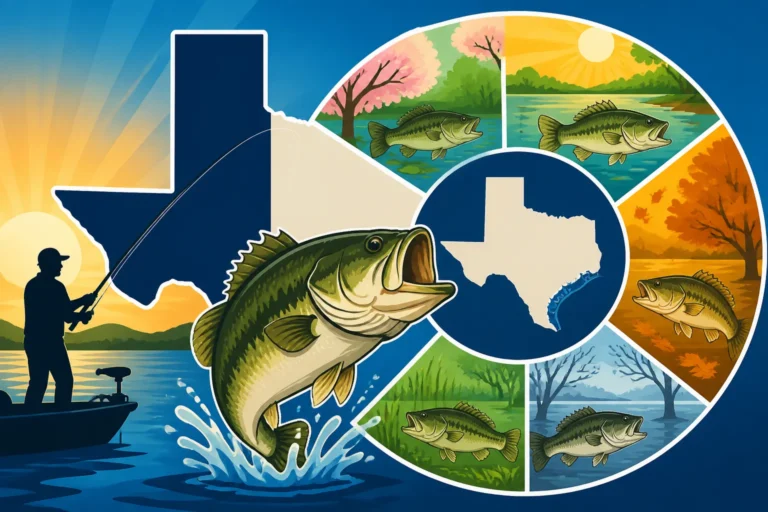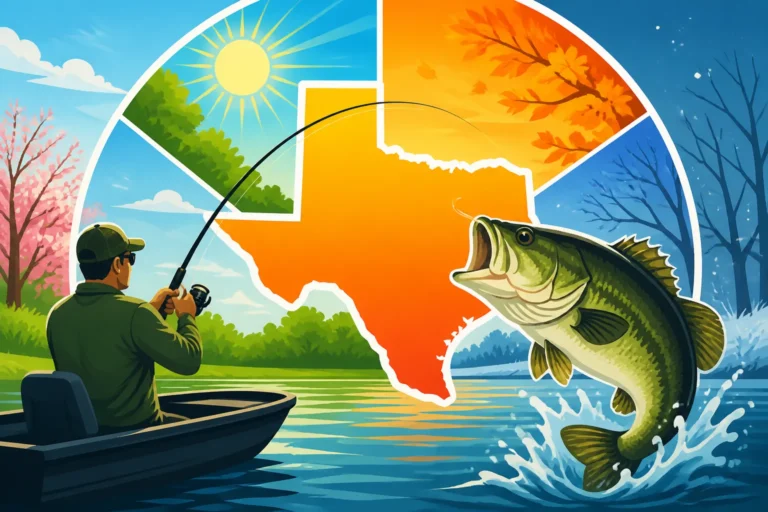
Best month to catch striped bass on Lake Texoma
Many anglers dream of landing a trophy striped bass, and Lake Texoma, straddling the Texas-Oklahoma border, is undoubtedly one of the premier destinations for these powerful fish. However, knowing the absolute best month to visit can feel like cracking a secret code, leaving many wondering if they're timing their trip right or just wasting gas. This guide will demystify the seasonal patterns of Lake Texoma stripers, revealing the prime times for incredible action and offering strategies to help you connect with these hard-fighting beauties year-round.
Understanding Lake Texoma Striped Bass Behavior
To consistently catch striped bass on Lake Texoma, it’s essential to understand what drives their movements and feeding patterns throughout the year. These aren't just any fish; stripers are incredibly responsive to environmental cues, making a little biological knowledge go a long way.
Seasonal Movements and Forage
Striped bass are highly migratory fish, even within the confines of a massive reservoir like Lake Texoma. Their entire existence revolves around two primary factors: water temperature and the availability of their favorite food source, gizzard and threadfin shad. As the seasons change, so do the stripers' preferred depths and locations. In the colder months, they tend to consolidate into large, dense schools, often holding in deeper, more stable water where temperature fluctuations are less extreme.
As the lake warms up in spring and cools down in fall, stripers become more active and will relentlessly chase shad into shallower areas, sometimes even pushing them to the surface in spectacular feeding frenzies known as "topwater blitzes." Understanding this predator-prey dynamic and how it shifts seasonally is your first step to consistent success. You'll find that their movements often mirror the shad schools, so if you can locate the bait, you're usually hot on the trail of the stripers.
Water Temperature and Striper Activity
Water temperature is arguably the single most critical factor influencing striped bass behavior. Unlike some other freshwater species that tolerate wide temperature swings, stripers thrive in cooler water. Their metabolic rate, feeding aggression, and even where they choose to hold in the water column are directly linked to the temperature.
During the scorching Texas summers, for instance, stripers will retreat to the thermocline – a layer in the water where the temperature rapidly changes with depth – or seek out the deepest, coolest pockets of the lake where oxygen levels remain adequate. This means they'll often be found 30, 40, or even 50 feet down, making traditional casting difficult and requiring specialized techniques. Conversely, in the spring and fall, when the entire water column is within their preferred temperature range (typically 55-70°F), they become much more active. They'll readily move into shallower waters, chase bait on the surface, and generally be more accessible to a wider range of fishing methods. Paying attention to daily and seasonal temperature trends can provide invaluable clues for where to start your search.
Top Months for Striped Bass on Lake Texoma
While Lake Texoma offers year-round opportunities for striped bass, certain months truly shine, offering distinct advantages and experiences for anglers.
Spring March-May: The Spawning Run Excitement
When it comes to sheer numbers and aggressive bites, spring is hands down one of the most exciting times to be on Lake Texoma for striped bass. From March through May, stripers embark on their annual spawning migration up the Red and Washita rivers. This natural event concentrates vast schools of fish as they stage and move towards their spawning grounds.
During this period, the stripers are incredibly active and focused on feeding, making them highly susceptible to a variety of baits and lures. Anglers often experience multiple hook-ups, with schools of fish busting the surface or holding tight in the river channels. March and April are particularly phenomenal, offering some of the fastest action of the entire year. The fish are strong, healthy, and aggressively striking at anything resembling a shad. If you're looking for an unforgettable trip with high catch rates and the chance to land some truly impressive fish, spring is your prime window. Remember to check the specific regulations, as the "Texas Fish Bag and Length Limits" can vary. For those planning their visit, understanding the nuances of the "Lake Texoma striped bass season" can further refine your trip planning.
Fall September-November: The Epic Topwater Blitz
Just as the spring brings a spawning frenzy, the fall ushers in another incredibly productive and visually spectacular period for Texoma stripers: the famed "topwater blitz." As the oppressive summer heat begins to subside and the lake water temperatures gradually drop through September, October, and November, striped bass once again become highly energized and ravenous.
They start schooling up intensely, pushing huge balls of shad to the surface, creating chaotic feeding frenzies that are a sight to behold. This is the time when topwater lures truly shine, offering heart-stopping strikes that will get your adrenaline pumping. You'll often spot these "blitzes" from a distance by observing diving birds, which are key indicators of feeding stripers below. The fish are aggressively building up their reserves for the colder months ahead, making them fearless and eager to strike. Many seasoned Texoma anglers consider late September through October to be their favorite time to chase these surface-busting giants, combining fantastic weather with unparalleled action.
Summer June-August: Deep Water and Early Mornings
Don't let the summer heat deter you; Lake Texoma still offers fantastic striped bass fishing during June, July, and August, though the approach needs to change. As surface temperatures climb, stripers retreat to deeper, cooler, and more oxygenated waters. This means the prime fishing shifts from shallow, surface-oriented tactics to targeting fish in the main lake channels, humps, and ledges.
Success in summer often hinges on early morning and late evening bites when fish may temporarily move shallower to feed under low-light conditions. During the day, expect to find them suspended in the thermocline, sometimes 30-50 feet deep. This is a time when good electronics are absolutely essential for locating schools. Anglers often employ methods like downrigging with umbrella rigs or vertical jigging with heavy spoons. While the action might not be as non-stop as the spring spawn or fall blitz, summer offers the chance for consistent catches if you adapt your techniques to the stripers' deepwater hideouts. Plus, a calm summer morning on Texoma is truly beautiful. If you're interested in refining your deepwater strategies, techniques similar to "How to fish a Carolina rig in deep water" can be adapted for Texoma stripers.
Winter December-February: Challenging but Rewarding
Winter fishing for striped bass on Lake Texoma can be the most challenging, but it can also be incredibly rewarding for the patient and well-prepared angler. As water temperatures plummet from December through February, stripers consolidate into extremely tight, massive schools, often holding in the deepest parts of the lake.
These fish are less active due to their slowed metabolism, but they still need to feed. The key to success lies in locating these schools using high-quality sonar and then presenting baits directly to them with slow, deliberate movements. Vertical jigging with heavy spoons or large soft plastics is a common tactic, as is dead-sticking live bait right in their strike zone. While you might not get as many bites as in spring or fall, the fish you do catch can often be large, healthy specimens. Winter also offers a quieter, more serene fishing experience with fewer boats on the water. It’s a great time for dedicated anglers who enjoy the hunt and the challenge of coaxing a strike from a less active fish.
Essential Techniques and Gear for Texoma Stripers by Season
Matching your techniques and gear to the season is crucial for maximizing your chances of catching Lake Texoma striped bass. Each period demands a slightly different approach.
Spring Tactics and Lures
During the spring spawning run, stripers are often found in the river channels (Red and Washita) and around the main lake points leading into these rivers. Live shad is, without a doubt, the king of baits, and many guides will net fresh shad daily. However, artificial lures can be incredibly effective too. Large swimbaits, especially those with a paddle tail that mimics a shad's profile, are excellent choices. Soft plastic "Sassy Shads" or similar baits rigged on heavy jig heads (3/4 to 1.5 oz) are also go-to options. Deep-diving crankbaits that reach depths of 15-25 feet can tempt stripers holding deeper in the channels.
Trolling is also a highly productive method in spring, with umbrella rigs or large Hair Jigs being popular choices. You'll want a medium-heavy to heavy action rod and a reel spooled with strong line – 15-20lb monofilament or 30-50lb braided line is appropriate given the size and fighting power of these fish. Before you head out, make sure your "Lake Texoma fishing license rules" are squared away, as fishing both Texas and Oklahoma waters requires specific licensing. You can find a fantastic selection of these lures, including various swimbaits and jig heads, on Amazon, making it easy to stock up before your trip.
Fall Fishing Strategies
Fall is the season for explosive topwater action. When stripers are pushing shad to the surface, you'll want to have a dedicated topwater setup ready. Large poppers (like the Chug Bug) and walking baits (such as the Heddon Super Spook or Zara Spook) are incredibly effective. Look for actively feeding birds—gulls and terns diving into the water are almost always a sign of stripers below. Cast your topwater lure into the commotion and work it aggressively.
If the topwater bite isn't happening, or if the fish are still a bit deeper, lipless crankbaits, swimbaits, and even casting or trolling deep-diving crankbaits can produce. These fish are often on the move, so covering water is important. A good quality pair of polarized sunglasses will be invaluable for spotting surface activity from a distance. You can find durable and effective polarized sunglasses on Amazon to help you locate those coveted topwater blitzes. For more specific lure recommendations, refer to "Best lures for striped bass on Lake Texoma".
Summer Deepwater Methods
Summer requires a shift in tactics, focusing on deeper presentations. Vertical jigging with heavy slab spoons (like the Sassy Shad from a reputable tackle manufacturer or similar metal jigs) is a primary method. Drop the spoon to the depth where you're seeing fish on your electronics and work it with sharp lifts and drops. Large bucktail jigs can also be effective.
Downriggers are another excellent tool for summer, allowing you to present baits (like umbrella rigs, deep-diving crankbaits, or live shad) at precise depths where the stripers are holding. Live gizzard shad, drifted or slow-trolled over structure and along thermoclines, is often the most consistent producer during these hot months. Good electronics, like those you might use for "How to use a fish finder for bass fishing", are absolutely non-negotiable for finding these deep-holding schools.
Winter Slow Presentation
Winter fishing demands patience and precision. Stripers are typically tightly schooled in the deepest parts of the main lake, often near significant changes in bottom contour or structure. Your sonar is your most important piece of equipment. Once you locate a school, vertical jigging is again a key technique. Use heavy spoons, large soft plastics on heavy jig heads, or even heavier bucktail jigs. The presentation needs to be much slower and more subtle than in warmer months.
"Dead sticking" live bait – simply suspending a live shad at the depth of the fish, with minimal movement – can be incredibly effective when the stripers are lethargic. Focus on areas like the main river channels, deep holes, and major submerged creek beds. A good "Texas All-Water Fishing License Explained" is highly recommended, as winter often means you'll be venturing across both state lines in search of the best concentrations of fish.
Maximizing Your Texoma Striper Success Beyond the Season
Beyond knowing the best months and techniques, a few additional strategies can significantly enhance your Lake Texoma striped bass fishing experience.
Reading Lake Conditions
Striped bass fishing is rarely a static endeavor. Factors like recent rainfall, water clarity, current generation schedules from the Denison Dam, and even major weather fronts can profoundly impact striper behavior. A sudden influx of muddy water from a heavy rain, for instance, might push fish out of certain areas or make them harder to locate. Conversely, a stable weather pattern with consistent dam generation can lead to predictable feeding windows.
Paying attention to these real-time lake conditions by checking online resources, local bait shops, or fishing reports is crucial. Furthermore, investing in good quality fishing electronics, including a reliable fish finder and GPS, will allow you to quickly adapt to changing conditions and locate fish regardless of the season. Learning to interpret the readings on your fish finder, much like you would if learning "how to read lake contour maps for bass fishing", will give you a significant advantage.
Hiring a Local Guide
If you're new to Lake Texoma, don't have extensive electronics, or simply want to maximize your chances of success on a limited time frame, hiring a local fishing guide is an investment that often pays dividends. Texoma guides spend countless hours on the water, tracking fish movements and adapting to daily changes. They possess invaluable, up-to-the-minute knowledge of where the fish are biting, what baits are working best, and which techniques are most effective for current conditions.
A good guide will not only put you on fish but also teach you specific techniques for catching stripers, helping you become a more proficient angler in the long run. Many of these experienced guides, like those you might find listed in "Best striper guides on Lake Texoma", operate year-round, so they can provide expert advice no matter when you decide to visit.
Essential Gear Checklist
Beyond the specific lures and baits, ensuring you have the right general gear is paramount when targeting Lake Texoma stripers. These fish are strong, so your tackle needs to be robust.
- Rods and Reels: Opt for medium-heavy to heavy action rods (7' to 7'6") paired with strong baitcasting or spinning reels capable of holding ample line. This setup is generally similar to a good "Best rod and reel setup for Texas bass fishing", just often a bit heavier.
- Line: Spool your reels with 15-20lb monofilament or 30-50lb braided line, depending on your preferred technique and the water clarity. Braided line offers superior sensitivity and strength, while monofilament provides more stretch.
- Cooler: A large, high-quality cooler is a must for keeping your catch fresh in Texas's often warm climate. Stripers are excellent table fare, and proper handling ensures their quality.
- Safety Gear: Don't forget all essential boat safety equipment, including life jackets for all passengers. For general information on licenses, refer to "Texas Fishing License Requirements Explained".
You can find a wide array of reliable fishing gear, from quality rods and reels to durable coolers, all available for convenient purchase on Amazon, ensuring you're well-equipped for your Texoma adventure. Additionally, useful items like fishing scales and measuring boards, vital for adhering to bag and length limits, are also readily available on Amazon.
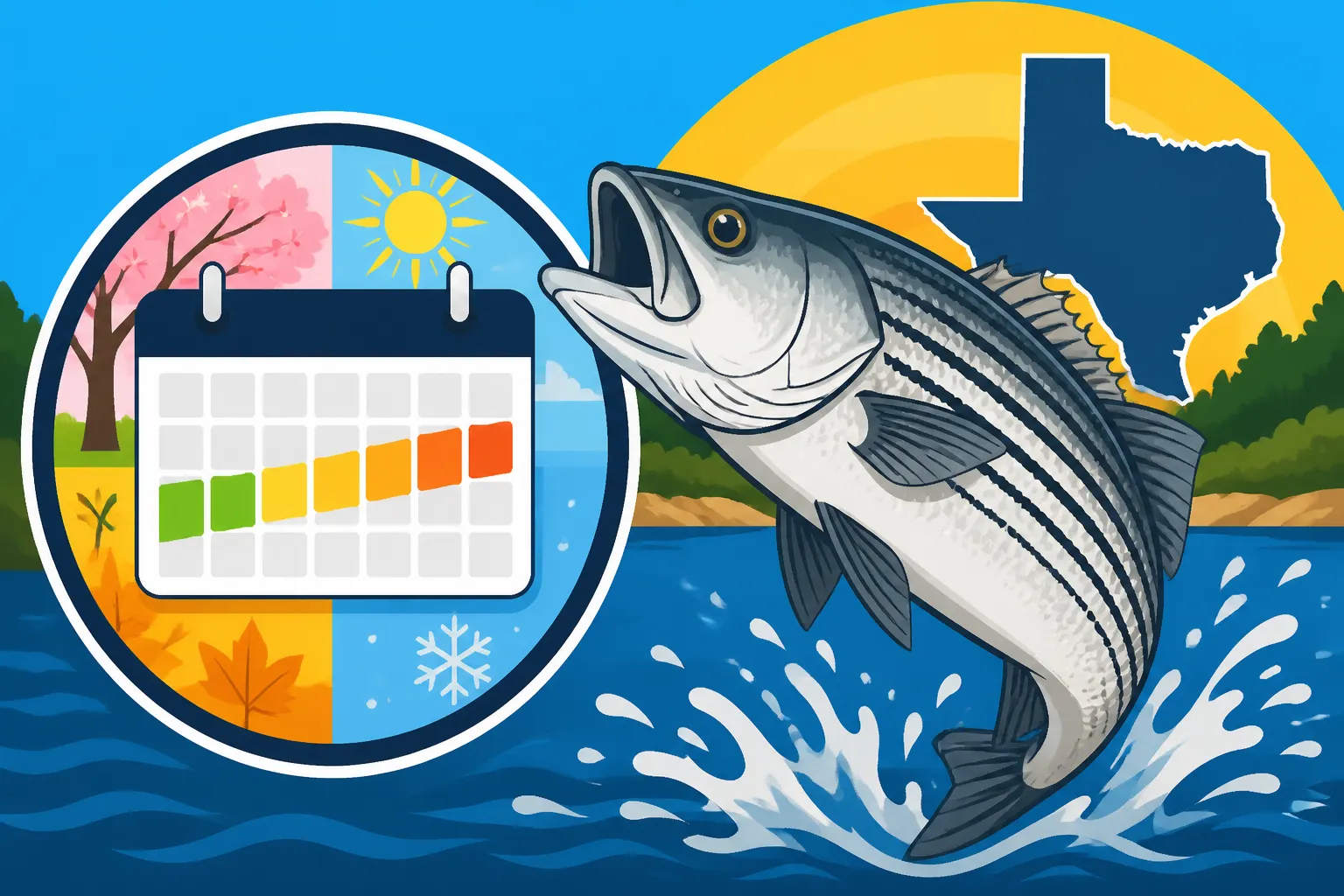
| Season | Best Months | Primary Behavior | Key Techniques & Lures | Success Rate (General) |
|---|---|---|---|---|
| Spring | March, April, Early May | Spawning run, aggressive feeding in rivers | Live shad, swimbaits, deep crankbaits, trolling | Excellent |
| Summer | June, July, August | Retreat to deep, cool water; early/late bites | Vertical jigging, downrigging, live bait | Good |
| Fall | Late September, October, November | Topwater blitz, active feeding on surface | Topwater lures, lipless crankbaits, swimbaits | Excellent |
| Winter | December, January, February | Tight schools in deep water, less active | Slow vertical jigging, dead sticking live bait | Challenging but Rewarding |
Disclaimer
Fishing conditions, regulations, and fish behavior can change rapidly. Always consult the latest Texas Parks and Wildlife Department (TPWD) regulations and local weather forecasts before planning any fishing trip to Lake Texoma or any other body of water. This guide is for informational purposes only and does not guarantee fishing success.