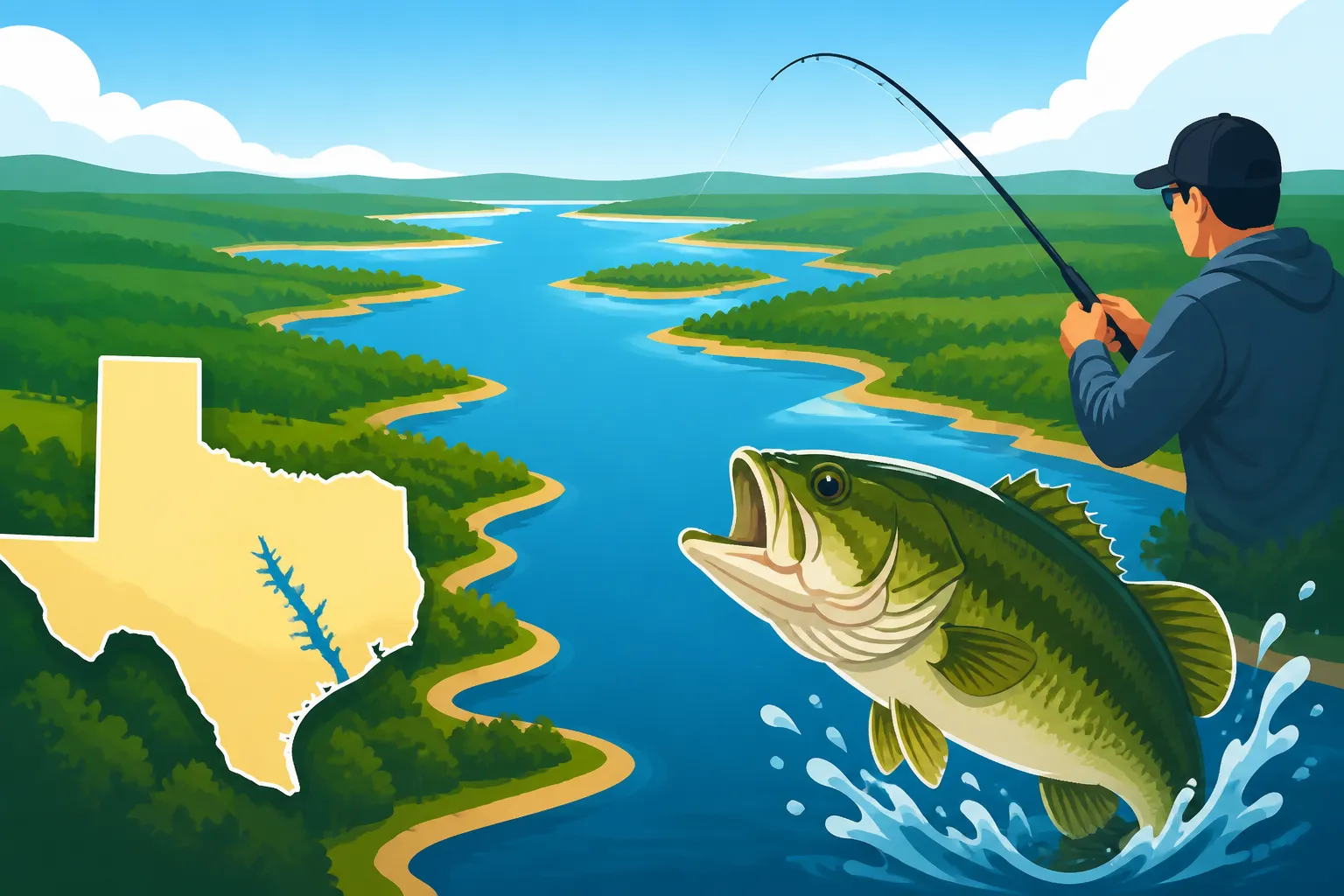
How long is Toledo Bend Reservoir
Ever stared at a map of Toledo Bend Reservoir and just felt a little overwhelmed by its sheer expanse? You're certainly not alone! This truly massive body of water, straddling the Texas-Louisiana border, isn't just a big lake; it's a sprawling inland sea that demands respect and a bit of foreknowledge for anyone hoping to truly conquer its abundant waters. This guide aims to demystify the sheer scale of Toledo Bend, helping you understand its dimensions and what that means for your next fishing adventure.
Understanding the Sheer Scale of Toledo Bend
When we talk about the size of a lake, often the first thing that comes to mind is its length. But with a reservoir like Toledo Bend, its length is just one piece of a much larger, more complex puzzle. It's not simply a long, narrow stretch of water; it's a vast and intricate system with countless coves, arms, and submerged structures.
The Official Measurement: Miles of Water
Toledo Bend Reservoir is officially recognized as having an impressive length of approximately 65 miles. Imagine driving for over an hour on the highway, and that's roughly the distance you'd cover from one end of this lake to the other if you could travel in a straight line. This measurement typically refers to the main channel, following the course of the Sabine River, which was dammed to create this incredible fishery.
This extensive length means that different sections of the lake can offer vastly different fishing experiences and even ecological characteristics. The upper reaches near Logansport, Louisiana, and Patroon, Texas, for example, tend to be shallower and more riverine, with extensive timber and cypress trees. As you move south towards the dam, the lake becomes progressively wider, deeper, and more open, resembling a vast inland sea. Understanding this gradual change is crucial for any angler trying to pattern fish across its considerable expanse.
The sheer distance between the northern and southern ends means that weather patterns can vary, water clarity can differ dramatically, and even the predominant species or best techniques might change depending on which 10-mile stretch you choose to fish. It’s not uncommon for anglers to focus on just one section of the lake because exploring its entirety could take years, if not a lifetime, to truly master.
Beyond the Straight Line: Shoreline and Depth
While 65 miles is a significant linear measure, it barely scratches the surface of Toledo Bend's true vastness. The reservoir boasts an astonishing 1,200 miles of shoreline, a figure that truly brings home the immense complexity and habitat diversity of this lake. To put that into perspective, 1,200 miles is roughly the distance from Houston, Texas, to Chicago, Illinois, by road!
This incredible shoreline length is due to the countless creeks, bays, and coves that indent its edges, providing endless opportunities for anglers to explore. Each bend, point, and submerged creek channel contributes to this massive figure, creating an intricate maze of fish-holding structure. From shallow grass flats perfect for topwater action to steep rocky banks dropping into deep water, the variety is simply astounding.
Adding to its grand scale, Toledo Bend has an average depth of around 20 feet, but can plunge to over 100 feet near the dam and in old river channels. This varied topography means that fish can be found at virtually any depth, depending on the season and water conditions. The combination of immense length, sprawling shoreline, and diverse depths makes Toledo Bend a truly world-class fishery, but also one that requires strategic planning.
Navigating the Immense Waters: What the Length Means for Anglers
The formidable length and sprawling nature of Toledo Bend present both exciting challenges and unparalleled opportunities for anglers. It means you can always find new water to explore, but it also means you need a solid strategy to make the most of your time on the water.
Strategic Fishing Zones and Hotspots
Because of its extensive length, Toledo Bend is often thought of in terms of distinct fishing zones. Anglers rarely "fish the whole lake" in a single trip. Instead, they pick a region – the northern timber, the central creeks, or the southern deep water – and focus their efforts there. For example, during the spring, the shallower, timber-filled northern sections near the river channel can be phenomenal for spawning largemouth bass, while in the scorching Texas summers, the deeper, more open southern end might hold concentrations of schooling white bass or even the elusive striped bass in cooler water.
This segmented approach is vital for success. Trying to cover too much water across the 65-mile stretch can lead to wasted time and fuel, without truly understanding any particular area. Instead, many seasoned anglers, and especially professional guides found on platforms like FishingBooker, specialize in specific zones, knowing the nuances of the water, the best baits, and the current patterns for that particular section of the lake. This local expertise becomes invaluable on a body of water this size, saving you years of trial and error.
Understanding these zones also helps when planning your trip. If you're targeting big bass in the early spring, you might focus on the backwaters and creeks of the mid-lake region. If you're looking for crappie in cooler months, brush piles and standing timber in specific arms might be your best bet. Knowing the general characteristics of different areas across the lake's length can drastically improve your chances of a successful outing.
Boating and Travel Time Considerations
When you're dealing with a lake that is 65 miles long, travel time between different spots can be substantial. A fast bass boat might zip across the open water, but navigating through timbered areas or idle zones can eat up valuable fishing hours. For instance, traveling from the popular Pendleton Bridge area near the dam to the northern reaches could easily take over an hour of continuous running, even at high speeds, not accounting for any stops or slow zones.
This means fuel consumption is a serious consideration. Larger, more powerful boats are often necessary to effectively cover the vast distances on Toledo Bend, which translates to needing plenty of fuel capacity. It’s not a lake where you can casually venture out with a small jon boat and expect to explore distant areas safely or efficiently. Safety is also paramount; sudden weather changes can turn this lake into a formidable challenge, and being far from your launch point can become a dangerous situation. Always check the forecast and tell someone your float plan.
For those planning an extended trip, consider staying at a lodging facility that offers easy access to the specific fishing zones you want to target. Many marinas and resorts, such as Cypress Bend Resort or Fin & Feather Resort, are strategically located to minimize travel time to prime fishing grounds. Thinking about the logistics of boat ramps, fuel stops, and potential shelter points along its incredible length is just as important as choosing your lure. You can read more about the various Best marinas on Toledo Bend to help plan your visit.
| Measurement Type | Value (Approximate) | Significance for Anglers |
|---|---|---|
| Linear Length | 65 miles | Varies fishing conditions from north to south; requires choosing a focused fishing zone. |
| Shoreline Length | 1,200 miles | Indicates immense habitat diversity (coves, creeks, points); endless structure to explore. |
| Surface Area | 185,000 acres | Largest man-made lake in the South; can feel like an ocean; requires powerful boats & electronics. |
| Maximum Depth | 100+ feet | Offers deep-water fishing opportunities, especially in summer and winter. |
Toledo Bend's Impact Beyond Just Length
The sheer scale of Toledo Bend isn't just about impressive numbers; it translates into a profoundly rich and diverse environment, impacting everything from local ecosystems to the economies of nearby communities. Its length and breadth make it a unique asset.
Ecological Diversity and Habitat
The 65 miles of Toledo Bend, along with its 1,200 miles of shoreline, encompass an incredible array of ecological habitats. From the flooded timber and cypress trees in its upper reaches to the more open, rocky bluffs and deep channels closer to the dam, it provides a home for a vast diversity of fish and wildlife. These varied habitats support different forage bases and provide critical spawning and nursery grounds. You can learn more about specific species in our Texas Largemouth Bass Fishing Guide.
For instance, the shallow, heavily timbered areas offer protection for juvenile fish and excellent ambush points for predators like largemouth bass and crappie. As you move into deeper, clearer water, you might find different species thriving, such as blue catfish or even hybrid striped bass that prefer open water and schooling baitfish. This ecological richness is directly tied to the reservoir's immense size, allowing for multiple ecosystems to coexist and thrive within its boundaries.
This diversity means that anglers can employ a wide range of techniques, often switching from flipping heavy cover in the morning to cranking ledges in the afternoon, all within the same general area of the lake. It's a living laboratory of freshwater ecosystems, constantly changing with the seasons and water levels, but always offering a rich environment for a multitude of fish species. You can read more about how to adapt your strategies in our guide on Texas Fishing Seasons Month by Month.
Economic and Recreational Significance
Toledo Bend’s tremendous length and size make it an economic powerhouse for the communities along both the Texas and Louisiana sides of the border. It draws millions of visitors annually, fueling local businesses such as marinas, tackle shops, restaurants, and lodging facilities. The tourism dollars generated by fishing, boating, and other water sports are absolutely vital to these rural areas, creating jobs and supporting local infrastructure.
Fishing tournaments, often attracting hundreds of boats and thousands of anglers, are a regular occurrence on Toledo Bend, further boosting its economic impact. These events specifically choose Toledo Bend because its vastness can accommodate a large number of participants without overcrowding the fishing grounds, offering ample space for everyone to compete. It's not just a lake; it's a vibrant recreational hub that offers opportunities for everything from competitive angling to leisurely family outings.
Moreover, the reservoir is a critical resource for outdoor enthusiasts beyond just fishing. Boating, kayaking, birdwatching, and camping are all popular activities, all benefiting from the expansive natural beauty and sheer space that Toledo Bend provides. The unique Texas-Louisiana reciprocal license for Toledo Bend rules also highlight its cross-state significance, making it accessible to anglers from both states with a single license valid on the entire lake.
Planning Your Trip: Making the Most of Toledo Bend's Size
Embarking on a fishing trip to Toledo Bend Reservoir can be an unforgettable experience, but its immense size requires some thoughtful planning. Knowing its length and how it impacts access and strategy will set you up for success.
Choosing the Right Launch Points
Given the 65-mile length of Toledo Bend, selecting the appropriate launch point is one of the most critical decisions you'll make. You wouldn't launch a boat in Port Arthur to fish in Galveston Bay, and the same principle applies here. If your target fishing grounds are in the northern, riverine sections of the lake, launching near Logansport or Huxley Bay makes far more sense than driving all the way down to the dam area. Conversely, if you're aiming for the deep-water humps or the clearer water near the main dam, areas like Pendleton Bridge or Cypress Bend are ideal.
Researching your chosen fishing area beforehand, including recent fishing reports and local knowledge, will guide your launch point decision. For example, if you're planning to target specific Toledo Bend Bass Fishing Spots that are known to be productive, you'll want to find the nearest public or private ramp to those areas. Many of these ramps offer amenities like fuel, bait, and tackle, which are essential when you're out on such a large body of water.
Consider also the type of boat you have. Smaller boats might prefer launching in more protected coves or narrower sections of the lake, where the open water expanses might be less intimidating. Larger boats, especially those designed for tournaments, will have more flexibility but still benefit from minimizing travel time to prime locations. Always check ramp conditions, as some can be shallower during low water periods.
Hiring a Guide for the Best Experience
For first-time visitors or those looking to maximize their limited time on Toledo Bend, hiring a local fishing guide is often the wisest investment. The sheer length and complexity of the reservoir make it incredibly challenging to learn on your own, especially if you're only visiting for a few days. A guide brings years of experience navigating the lake, understanding seasonal patterns, knowing the best baits, and pinpointing productive spots.
A good guide not only puts you on fish but also teaches you about the lake's nuances, from how to read the electronics to understanding fish behavior in different conditions. This knowledge can be invaluable for future trips, essentially fast-tracking your learning curve on this monumental lake. Many experienced guides operate on Toledo Bend, and you can often find them through referrals, local tackle shops, or online platforms like FishingBooker. They can cater to specific preferences, whether you're chasing trophy bass, slab crappie, or schooling white bass.
Think of it as having a personal GPS for the best fishing spots, combined with a living encyclopedia of techniques and local wisdom. Given the grand scale of Toledo Bend, a guide isn't just a luxury; it's often a pragmatic choice that transforms a potentially frustrating search into a successful and enjoyable fishing expedition. It also reduces the need to invest in extensive Best Fishing Electronics for Texas Anglers immediately, as the guide will have all the necessary gear and knowledge to navigate and locate fish.
Disclaimer
Please remember that fishing regulations, license requirements, and local conditions can change. Always consult the official Texas Parks and Wildlife Department (TPWD) and Louisiana Department of Wildlife and Fisheries (LDWF) websites for the most current information before planning your fishing trip to Toledo Bend Reservoir. Safety on the water is paramount.