Lake Livingston catfish fishing spots
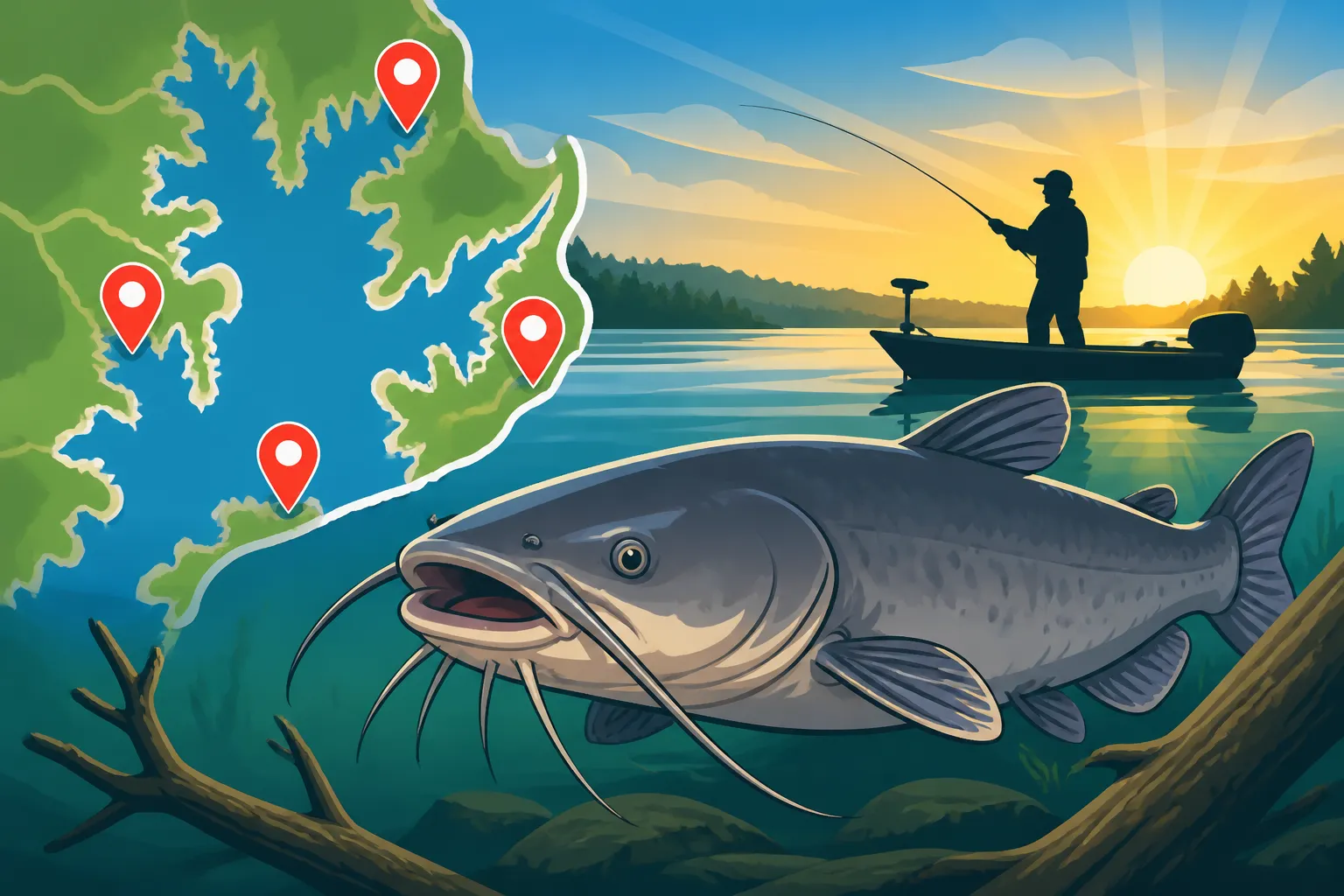
Navigating a large body of water like Lake Livingston in search of prime catfish real estate can feel like an overwhelming task, especially when you're just looking for that perfect spot where the bite is consistent. It's easy to waste precious fishing time cruising around, wondering where the big ones are hiding. This comprehensive guide is here to cut through the guesswork, helping you pinpoint the best catfish fishing spots on Lake Livingston, understand the habits of its whiskered residents, and equip you with the knowledge to make your next trip a success.
Understanding Lake Livingston's Catfish Allure
Lake Livingston, a massive reservoir covering over 90,000 acres in East Texas, is a true gem for anglers, particularly those with a passion for catfish. It's fed primarily by the Trinity River, which brings a constant influx of nutrients and diverse habitat, making it an incredibly fertile ground for various fish species, especially catfish. Unlike some smaller, more predictable lakes, Livingston's sheer size and complex structure mean that successful catfish angling often comes down to understanding specific patterns and locations.
The lake's consistent water levels and strong current from the Trinity River create an ideal environment. The river channel snakes its way through the lake, offering deep holes, ledges, and submerged timber – all prime real estate for catfish. These conditions contribute to a robust population of blue, channel, and flathead catfish, each with their own preferences for habitat and feeding. The abundance of baitfish, from shad to sunfish, also ensures that the catfish here grow to impressive sizes, making it a bucket-list destination for many dedicated catfishermen.
Key Catfish Species in Lake Livingston and Their Habits
Lake Livingston is home to a fantastic trio of catfish species, each offering a different challenge and reward. Understanding their individual habits is crucial for tailoring your approach and finding them consistently. This insight is part of mastering how to catch catfish in Texas.
Blue Catfish Domination
Blue catfish are the reigning kings of Lake Livingston, known for their enormous size and powerful fights. These impressive fish thrive in the open waters and deeper sections of the lake, especially along the main river channel and its numerous submerged creek beds. Blues are schooling fish, often found in large aggregations, which means when you find one, you're likely to find many more. They are primarily piscivores, meaning they prefer eating other fish. Shad, especially freshly caught or frozen cut shad, is hands-down the most effective bait for big blues. Other excellent choices include fresh cut buffalo, carp, or even small sunfish.
Their feeding habits are often influenced by current. Look for them in areas where the current is sweeping baitfish, such as points, humps, and ledges near the old riverbed. In summer, they tend to stay in deeper, cooler waters, often congregating around structure. In cooler months, they might move shallower to feed. For more detail on identifying these giants, check out our guide on the Texas Blue Catfish Identification Guide.
Channel Catfish Abundance
Channel catfish are the most widespread and frequently caught catfish species in Lake Livingston. They're not usually as large as blues, but they're incredibly feisty and delicious, making them a favorite for many anglers. Channels are more tolerant of varying water conditions and can be found almost anywhere in the lake, from shallow coves to main lake points and deeper channel edges. They are opportunistic feeders with a diverse diet, consuming everything from insects and crustaceans to small fish and decaying organic matter.
For channel catfish, stink baits, punch baits, and chicken livers are incredibly effective. You can also catch them on small pieces of cut bait. Look for channel cats in areas with timber, brush piles, or weed lines. They love patrolling transition zones where shallow water meets deeper drop-offs. They are particularly active during low light conditions, such as dawn, dusk, and even into the night. If you're planning a trip, understanding how to catch catfish at night in Texas can be a game-changer for channels.
Elusive Flathead Catfish
Flathead catfish are the true ambush predators of Lake Livingston, known for their reclusive nature and preference for live bait. Unlike blues and channels, flatheads are solitary fish, preferring to hide in heavy cover like submerged timber, logjams, and rock piles, waiting to ambush unsuspecting prey. They have a distinct flat head, a lower jaw that protrudes beyond the upper jaw, and a mottled brown and yellow coloration that helps them blend into their surroundings. They are almost exclusively piscivorous, and their favorite meals are live sunfish, small carp, or large shiners.
Finding flatheads requires a more deliberate approach. You'll need to target areas with significant underwater structure, particularly large logjams or deep brush piles in or near the main river channel or larger creek arms. Fishing directly in or very close to this heavy cover is key. They are typically less active during the day and often feed more aggressively after dark. Our Texas Flathead Catfish Identification Guide can help you distinguish them from other species.
Top Catfish Fishing Spots on Lake Livingston
Lake Livingston's vastness can be daunting, but certain areas consistently produce excellent catfish action. These locations offer the kind of structure and food sources that catfish simply can't resist.
The Trinity River Channel
The most prominent feature of Lake Livingston, the old Trinity River channel, is a highway for baitfish and a prime hunting ground for all three catfish species. This submerged channel, which meanders through the entire lake, offers varying depths, ledges, and submerged timber.
- Upstream Section (North of US-190 Bridge): This area, particularly where the Trinity River first enters the lake, is phenomenal for both blue and channel catfish. The river current is strongest here, concentrating baitfish. Look for deep holes, bends, and submerged logjams. Fishing here often involves anchoring upstream and drifting cut bait or live bait down into deeper pockets. Guide services often frequent this area, and you can sometimes find local experts through platforms like FishingBooker to learn their specific tricks for the current.
- Mid-Lake Channel (Near Point Blank and Kickapoo Creek): As the channel widens and deepens, it creates vast open water stretches with subtle humps and ledges. These areas are fantastic for blue catfish. Use your sonar to identify schools of baitfish and drop-offs along the old riverbed. Drifting with cut bait is a popular and effective technique here, covering a lot of water until you find a school of active fish. The convergence of Kickapoo Creek also brings additional nutrients and structure.
- Downstream Channel (Towards the Dam): Closer to the Lake Livingston Dam, the channel continues to offer deep water and structure. The deep water near the dam structure itself can hold monster blue catfish, especially in summer. However, always be aware of regulations and safety zones around dam structures. This deep water provides cooler temperatures and a constant flow of water, making it a comfortable home for large blues.
Major Creek Arms and Tributaries
While the main river channel gets a lot of attention, Lake Livingston's numerous creek arms and smaller tributaries are equally productive, especially for channel and flathead catfish.
- White Rock Creek and Kickapoo Creek: These larger creek arms, particularly their lower sections where they join the main lake, are excellent. They have their own submerged channels, plenty of timber, and often hold good populations of baitfish. For flatheads, target the heaviest timber and logjams within these creek beds. Channels will be found along the edges and shallower flats. Using live perch or sunfish on trotlines or juglines can be very effective in these areas. For more on these methods, see our guide on Texas Trotline and Jugline Rules.
- Pine Island and Wolf Creek: Similar to White Rock and Kickapoo, these creeks offer abundant cover and varied depths. Look for submerged brush piles, standing timber, and deeper bends in the creek channels. These areas are often less pressured than the main river and can offer fantastic fishing, especially during the spring and fall transitions. Early mornings or late evenings are prime times in these shallower, cover-rich spots.
Submerged Bridges and Roadbeds
Before Lake Livingston was impounded, several roads and bridges crisscrossed the land. These submerged structures now serve as incredible artificial reefs and ambush points for catfish.
- Old US-190 Roadbed: The old roadbed of US-190, particularly the sections east and west of the current bridge, is a magnet for all three catfish species. It creates a subtle rise on the lake bottom, offering a current break and a place for baitfish to congregate. Blue catfish will patrol the deeper edges of the old road, while channel cats might hold closer to the top. Flatheads can be found around any remnants of old bridge pilings or concrete rubble.
- Other Submerged Structures: Utilize your sonar and GPS to locate other undocumented submerged roadbeds, old foundations, or remnants of structures. These hidden gems can be incredibly productive and hold untouched populations of catfish. When you find these spots, they often become personal favorites, providing consistent action away from the crowds.
Essential Gear and Techniques for Lake Livingston Catfish
Having the right tackle and knowing how to use it makes all the difference when targeting Lake Livingston's catfish. The sheer size of the fish and the environment demand robust gear.
Rods, Reels, and Line
For serious catfishing on Lake Livingston, you'll want heavy-duty equipment.
- Rods: Look for stout, medium-heavy to heavy action rods, typically 7 to 8 feet long. These rods need enough backbone to handle large catfish and pull them out of heavy cover, especially for flatheads. Brands like Ugly Stik or Rippin Lips offer durable options perfect for this kind of fishing.
- Reels: Baitcasting reels with a strong drag system and high line capacity are preferred for blue and flathead catfish. For channel catfish, a sturdy spinning reel can also work, but for anything over 10-15 pounds, a baitcaster is your best bet. A good quality reel will ensure you have the cranking power to retrieve heavy weights and fight big fish.
- Line: Monofilament line in the 25-50 lb test range is a good all-around choice due to its abrasion resistance and shock absorption. However, many anglers prefer braided line (50-80 lb test) for its incredible strength, sensitivity, and smaller diameter, especially when fishing deep or in heavy cover. Pair braided mainline with a 30-50 lb fluorocarbon or monofilament leader for added stealth and abrasion resistance. Check out our guide on the best line for Texas catfish rigs for more options.
Best Baits for Lake Livingston Catfish
The right bait is paramount.
- Cut Bait (Shad, Perch, Carp, Buffalo): This is the undisputed champion for blue catfish and effective for large channels. Fresh cut bait is always superior. Cast nets are a valuable tool for catching your own shad or small sunfish directly from the lake. The oilier the fish, the better.
- Live Bait (Perch, Sunfish, Shiners): Absolutely essential for flathead catfish. Hook a lively sunfish or perch through the back or lips and present it near heavy cover. Flatheads are notoriously picky, and live bait is often the only thing that will entice them.
- Prepared Baits (Stink Bait, Punch Bait, Chicken Livers): These are fantastic for channel catfish and can occasionally tempt smaller blues. Punch baits, which stick well to a treble hook, are particularly popular. Chicken livers are messy but effective, especially in warmer water. Our article on Best Catfish Bait for Texas Lakes provides a deeper dive into these options.
Rigs and Techniques
Simple but strong rigs are often the most effective.
- Carolina Rig/Santee Cooper Rig: This is a go-to for many catfish anglers. It involves a sliding egg sinker or a flat sinker, a swivel, and a leader (18-36 inches) tied to a circle hook. The Santee Cooper variant adds a small float on the leader to lift the bait off the bottom, making it more visible. This rig is versatile for both anchored and drifting presentations.
- Slip Sinker Rig: Similar to a Carolina rig but often used with a shorter leader, ideal for fishing stationary bait on the bottom.
- Three-Way Swivel Rig: Excellent for fishing a live bait off the bottom while keeping your weight firmly planted.
- Trotlines and Juglines: For targeting multiple fish, especially in creek arms or slower current areas, trotlines and juglines are traditional and highly effective. However, be sure to understand all Texas Trotline and Jugline Rules before deploying them.
Tips for a Successful Catfish Trip on Lake Livingston
Beyond knowing the spots and gear, a few additional tips can significantly boost your success rate on Lake Livingston.
Seasonal Strategies
Catfish behavior changes with the seasons, so adjusting your tactics accordingly is crucial. This is a critical aspect of understanding the Best Time of Year to Fish in Texas.
- Spring (March-May): As water temperatures rise, catfish become very active and move into shallower areas to spawn. Look for blues and channels in 5-15 feet of water in creek channels, coves, and main lake points. Flatheads will start to become more active in their timber hideouts. Spring is an excellent time for quantity and quality.
- Summer (June-August): The heat drives catfish into deeper, cooler waters. Blue catfish will congregate in large schools along the main Trinity River channel, especially in 20-40 feet of water. Target flatheads in deep logjams. Channel catfish might still be found shallower during early morning or late evening, but also seek out deeper humps and ledges during the day. Night fishing is particularly effective in summer.
- Fall (September-November): Catfish go on a major feeding spree as water temperatures begin to cool, stocking up for winter. They can be found in a wide range of depths, moving between deep channels and shallower flats. This is a fantastic time for trophy blue catfish as they aggressively chase shad.
- Winter (December-February): While fishing can slow down, winter is prime time for catching massive blue catfish in their deep wintering holes along the main channel. Locate these deep schools using your electronics and present baits vertically. Fishing can be incredibly productive, but patience is key.
Using Electronics Wisely
Lake Livingston's vastness makes a good fish finder and GPS invaluable. Use your sonar to:
- Locate Baitfish: Catfish are never far from their food source. If you find large schools of shad, catfish are usually nearby or actively feeding on them.
- Identify Structure: Look for the old Trinity River channel, submerged creek beds, humps, ledges, and timber. Mark these spots on your GPS.
- Find Catfish Schools: Modern fish finders can often distinguish large aggregations of blue catfish, especially when they're stacked up in deep water.
Safety and Regulations
Lake Livingston is a large, busy lake. Always prioritize safety. Wear your life jacket, especially when boating. Be mindful of changing weather conditions, as sudden storms can develop quickly.
Before you even launch your boat, make sure you're up to date on all regulations. This includes the Texas Freshwater Fishing Regulations, which detail bag and length limits for each species. You'll also need a valid Texas fishing license. If you're unsure, our guide on Texas Fishing License Requirements Explained can clear things up. If you're bringing a boat, ensure you meet all Texas Boat Registration Requirements.
Table: Prime Catfish Spots & Species in Lake Livingston
| Fishing Spot | Primary Species Targeted | Best Time of Year | Recommended Bait | Key Features / Tips |
|---|---|---|---|---|
| Upper Trinity River Channel | Blue, Channel | Spring, Fall | Cut Shad, Punch Bait | Strong current, deep holes, logjams. Anchor upstream. |
| Mid-Lake Channel (Humps/Ledges) | Blue | Summer, Winter | Cut Shad, Live Perch | Deep open water, subtle structure. Drift fishing. |
| Creek Mouths (White Rock, Kickapoo) | Channel, Flathead | Spring, Fall | Live Perch, Chicken Livers | Timber, brush piles, current breaks. Fish cover. |
| Submerged Old US-190 Roadbed | Blue, Channel, Flathead | All Year | Cut Bait, Live Bait | Structure attracts all species. Use sonar to locate. |
| Deep Water Near Dam | Blue | Summer, Winter | Large Cut Bait | Cooler water, consistent flow. Look for suspended fish. |
| Isolated Timber Stands | Flathead | Spring, Summer | Live Sunfish | Heavy cover, ambush points. Present bait precisely. |
Disclaimer
The information provided in this guide is for general informational purposes only and should not be considered legal advice regarding fishing regulations. Fishing rules and conditions can change rapidly. Always consult the official Texas Parks and Wildlife Department (TPWD) website or their most current Outdoor Annual for the latest regulations, licensing requirements, and any emergency closures before heading out. Safety should always be your top priority on the water.