Lake Conroe closest fishing lake to Houston
For Houston anglers, the struggle is real: you love casting a line, but the thought of a multi-hour trek to a prime fishing spot can be a real buzzkill. Luckily, you don't have to sacrifice precious fishing time for a long drive. Lake Conroe stands out as the absolute closest major fishing lake to Houston, offering fantastic opportunities for a wide variety of species without the marathon journey, and this guide is here to show you exactly why and how to make the most of it.
Why Lake Conroe is Houston's Go-To Fishing Destination
When you live in a sprawling metropolis like Houston, finding a quick escape to nature, especially a good fishing hole, feels like striking gold. Lake Conroe isn't just a nearby lake; it's the nearby lake that consistently delivers for anglers. It's close enough for a spontaneous afternoon trip but expansive enough to feel like a genuine getaway.
Unbeatable Proximity and Accessibility
Imagine waking up on a Saturday morning, grabbing your gear, and being on the water before the sun is even high in the sky. That's the reality for Houstonians heading to Lake Conroe. Located just north of Houston, generally about an hour's drive from downtown, it's incredibly accessible via I-45 North. You won't be spending half your day stuck in traffic or navigating winding country roads just to get there. This ease of access makes it perfect for a quick day trip, a weekend getaway, or even a spur-of-the-moment evening session after work.
Think about it: many other popular Texas fishing destinations, while fantastic, require a much more significant time commitment. Lake Conroe offers that immediate gratification. You can easily pop up for a few hours, wet a line, and be back home enjoying dinner, feeling refreshed without the exhaustion of a major road trip. For busy families or individuals with limited free time, this convenience is a game-changer, allowing more time fishing and less time driving.
Diverse Fishery for All Anglers
Lake Conroe isn't a one-trick pony; it boasts a robust and diverse fishery that appeals to every type of angler. Whether you're chasing trophy largemouth bass, seeking the hard-fighting hybrid striped bass, or looking to fill a cooler with catfish and crappie, this lake has something for everyone. This diversity means you can experiment with different techniques and target different species depending on the season, your mood, or who you're fishing with.
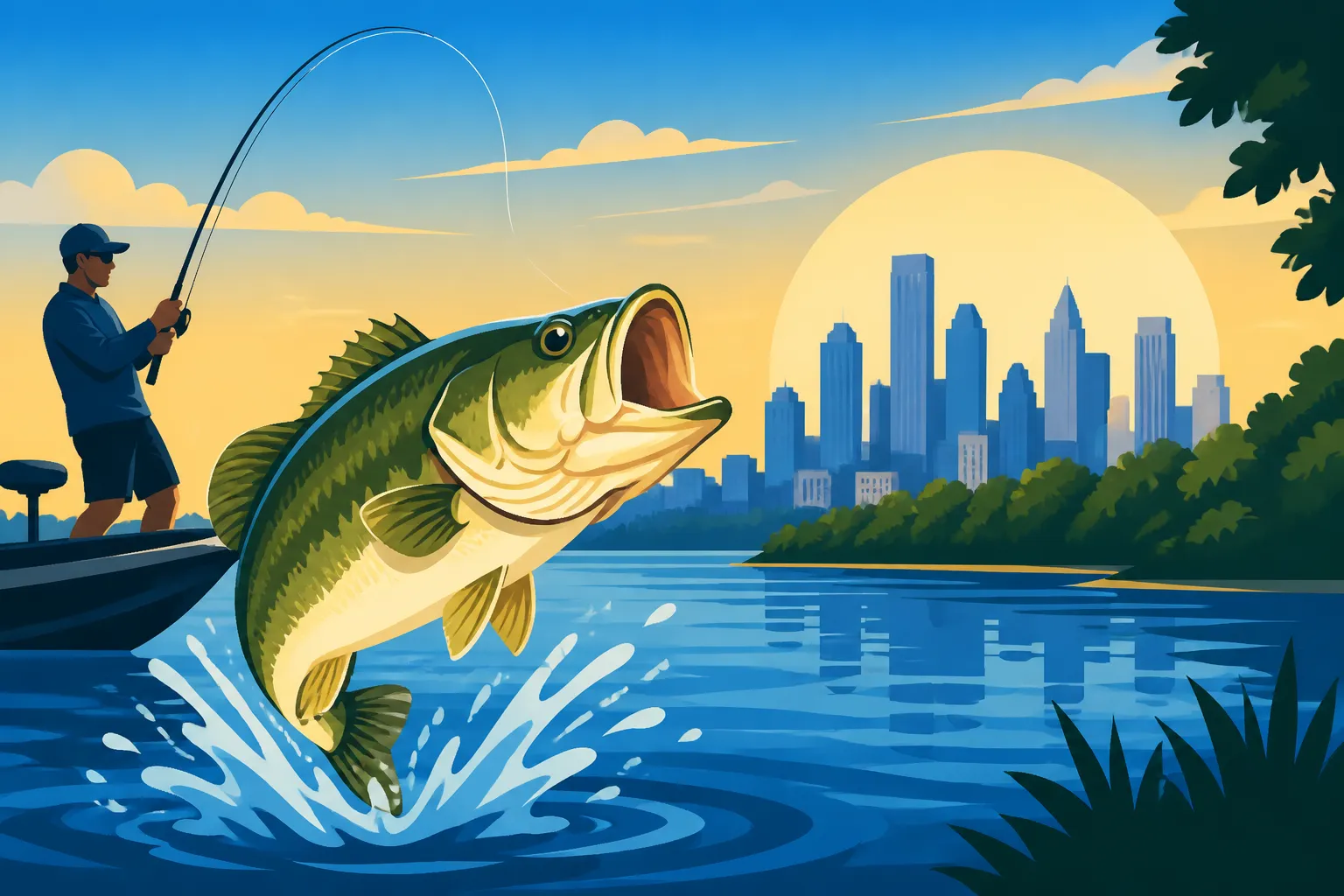
The lake is particularly renowned for its largemouth bass, consistently producing impressive catches, including ShareLunker-sized fish. But it's not just about the bass. The hybrid stripers offer a thrilling fight, especially when they're schooling, and the catfish population, including blues, channels, and flatheads, provides steady action. Even beginners and kids can have a blast targeting crappie and various sunfish species. This variety ensures that every trip to Lake Conroe can be a new adventure, keeping things exciting and challenging year-round.
Public Access Points and Amenities
One of the best things about Lake Conroe is the abundance of public access points and well-maintained amenities that make your fishing trip smooth and enjoyable. You'll find numerous boat ramps, fishing piers, and shoreline access areas, meaning you don't necessarily need your own boat to enjoy the lake. Many of these spots are located within public parks, offering additional facilities like restrooms, picnic areas, and playgrounds, which are perfect if you're bringing the family along.
For example, places like Lake Conroe Park provide excellent bank fishing opportunities and multiple boat ramps. Scott's Ridge Park and Stow-a-Way Marina also offer good access. If you're looking to rent a boat or even hire a local guide for a specialized trip, there are plenty of marinas and charter services readily available around the lake. These facilities often offer bait, tackle, and valuable local knowledge, making it easy for even out-of-towners to get set up quickly. You can often find and book these experienced guides through platforms like FishingBooker, making your planning even smoother.
Key Fish Species to Target in Lake Conroe
Lake Conroe's reputation as a premier fishing destination is built on the strength of its diverse fish populations. Knowing what's biting and where to find them is key to a successful trip.
Largemouth Bass Fishing Strategy
If you're coming to Lake Conroe, chances are you've got largemouth bass on your mind. This lake is legendary for its bass fishing, producing numerous large fish over the years. Understanding their habits and the best times to target them will significantly increase your chances of success.
Seasonal Hot Spots and Baits:
- Spring (March-May): This is prime time as bass move into shallower waters for their spawn. Look for them around submerged hydrilla beds, lily pads, and timber in coves and pockets. Jerkbaits, spinnerbaits, squarebill crankbaits, and soft plastics rigged on a Texas rig for bass are excellent choices. Areas near the main lake points and creek channels leading into spawning flats are also productive.
- Summer (June-August): As temperatures rise, bass often retreat to deeper, cooler waters. Focus on main lake humps, ledges, and deep brush piles, especially during early morning or late evening. Texas-rigged worms, deep-diving crankbaits, football jigs, and shaky heads are effective. Night fishing can also be incredibly productive during the brutal Texas summer heat.
- Fall (September-November): Bass become very active as they feed up for winter. They can be found chasing shad in shallower waters, especially near creek mouths and points. Topwater lures, lipless crankbaits, and chatterbaits are great for aggressive fish.
- Winter (December-February): While fishing can be slower, big bass can still be caught. Look for them holding tight to deep structure, like brush piles, docks, and submerged timber in creek channels. Jigging spoons, Alabama rigs, and slow-rolled spinnerbaits are effective.
Many anglers specifically seek out the Lake Conroe bass during the annual Texas Bass Spawning Season Guide for their chance at a true trophy. Always be mindful of the daily bag and length limits for bass to help preserve this fantastic fishery.
Hybrid Striped Bass and Catfish Opportunities
Beyond the largemouth, Lake Conroe offers exciting action for other species, particularly the hard-fighting hybrid striped bass and abundant catfish.
Hybrid Striped Bass Action:
Hybrid stripers in Lake Conroe are a blast to catch, known for their powerful runs and aggressive strikes. They are stocked by TPWD and thrive in the lake's open waters.
- Locating Hybrids: Look for schools of hybrids chasing baitfish (often shad) in open water, especially near the main lake points, humps, and the dam area. Keep an eye out for birds diving into the water, as this often indicates feeding frenzies. In summer, they tend to move deeper, following the bait.
- Effective Techniques: Trolling with lipless crankbaits or bucktail jigs is a popular method. Live bait, such as shad or minnows, fished under a bobber or on a downline, is also incredibly effective. When you find a schooling frenzy, casting topwater plugs, swimbaits, or even Slabs (heavy metal jigs) into the commotion can lead to multiple hook-ups. Many local guides specialize in finding these schooling fish, and you can easily connect with one through a site like FishingBooker if you're looking for expert assistance.
Catfish Abundance:
Lake Conroe is a fantastic lake for catching all three major Texas catfish species: channel, blue, and flathead.
- Blue and Channel Catfish: These are widespread throughout the lake. Target them in creek channels, river bends, and around brush piles. Popular baits include punch bait, cut bait (like shad or perch), shrimp, and nightcrawlers. Fishing on the bottom with a simple Carolina rig is often the most effective method. Night fishing for catfish, especially during the warmer months, can be phenomenal.
- Flathead Catfish: These elusive giants prefer live bait. Look for them around heavy cover, submerged timber, and deep holes in the creek channels. Live perch or sunfish are top choices for bait. Flatheads are often caught using trotlines or juglines, but always be sure to adhere to Texas trotline and jugline rules if you choose these methods.
Crappie and Sunfish for Family Fun
For those looking for a more relaxed day of fishing or introducing kids to the sport, Lake Conroe's crappie and sunfish populations are perfect. These panfish offer consistent action and are delicious to eat.
Crappie Fishing Tips:
Crappie are schooling fish, so once you find one, you're likely to find more.
- Locating Crappie: Look for crappie around submerged brush piles, standing timber, and under boat docks, especially in the larger creeks and coves. They tend to hold tight to structure. In cooler months, they might be deeper, while in spring, they'll move shallower to spawn.
- Best Baits and Techniques: Small jigs (1/16 to 1/8 oz) tipped with a soft plastic grub or minnow imitation are incredibly effective. Live minnows fished under a bobber are also a classic and reliable choice. Spider rigging with multiple poles can help you cover more water and find active schools. The key is to present your bait slowly and precisely near cover. For more specific cold-water tactics, check out how to catch How to Catch Crappie in Cold Water.
Sunfish (Bream) for Everyone:
Bluegill, redear sunfish (shellcrackers), and other bream species are abundant and eager biters, making them ideal for young anglers or anyone wanting consistent action.
- Finding Sunfish: They are almost everywhere! Look for them in shallower waters around docks, lily pads, submerged vegetation, and shaded banks.
- Simple Setup: A light spinning rod, small hook (size 8-12), a tiny bobber, and a piece of worm, crickets, or corn is all you need. Cast near cover and wait for that bobber to disappear! These fish are feisty for their size and provide endless entertainment.
Mastering Lake Conroe: Tips and Techniques
Fishing Lake Conroe successfully often comes down to adapting your approach to the conditions, the season, and the specific species you're targeting. A little preparation and local knowledge go a long way.
Seasonal Fishing Approaches
Understanding how fish behave throughout the year is crucial for consistent success on Lake Conroe. The lake transforms with the seasons, and so should your strategy.
- Spring Fling: As mentioned, spring is all about the spawn. Bass are shallow, aggressive, and protecting nests. Focus on slow presentations near cover, but also be ready for reactionary bites with faster moving baits if they're cruising. Crappie also move shallow.
- Summer Grind: When the Texas sun beats down, water temperatures soar. Early mornings, late evenings, and night fishing become paramount. Fish will seek thermal refuge in deeper water or dense shade under docks and hydrilla mats. Adjust your retrieve speeds to be slower, and focus on vertical presentations in deeper structure. Remember to stay hydrated and protect yourself from the sun during these scorching months; for more tips, look into How to Fish in Hot Texas Summers.
- Fall Feast: As temperatures cool, fish become much more active, feeding heavily to build up reserves for winter. This is a great time for aggressive tactics. Look for schooling activity, especially for hybrid stripers and white bass, chasing baitfish on the surface. Bass will be feeding on shad in shallower coves and points.
- Winter Patience: Fishing in winter requires patience and precision. Fish are often lethargic and tightly schooled in deeper areas. Finesse techniques, like drop-shotting or slow-rolling a jig, can be highly effective. Pay close attention to your electronics to locate these tight schools.
Essential Gear for Lake Conroe
Having the right tools for the job can make a significant difference. While you don't need a huge arsenal, some key items are universally helpful on Lake Conroe.
- Rods and Reels: For bass and hybrid stripers, a medium-heavy to heavy action casting rod (6'6" to 7'6") paired with a baitcasting reel (6.4:1 to 7.3:1 gear ratio) is ideal for throwing larger lures and handling strong fights. For crappie and sunfish, a light to ultralight spinning rod (5' to 6'6") with a small spinning reel is perfect for finesse presentations.
- Line: For bass, 15-20 lb fluorocarbon or braided line with a fluorocarbon leader is a popular choice for sensitivity and strength. For crappie, 4-6 lb monofilament or braided line with a mono leader works well.
- Lures and Baits:
- Bass: Soft plastics (worms, creature baits), jigs (football, swim jigs), crankbaits (squarebill, deep-diving), spinnerbaits, chatterbaits, and topwater lures (frogs, poppers).
- Hybrids: Slabs, bucktail jigs, lipless crankbaits, live shad or minnows.
- Catfish: Punch bait, cut bait, worms, shrimp, live perch.
- Crappie: Small jigs, live minnows, micro spoons.
Remember to bring a good tackle box that's organized and appropriate for the species you intend to target. If you're just starting out, a Beginner Fishing Gear Checklist for Texas can be incredibly useful.
Navigating the Lake and Finding Fish
Lake Conroe is a large reservoir, so knowing how to get around and effectively locate fish is paramount.
- Maps and GPS: Invest in a good lake map (paper or digital) or a GPS unit with detailed lake contours. This will help you identify channels, humps, points, and submerged structure where fish like to hold. Modern fish finders with side-imaging and down-imaging capabilities, covered in articles like Best Fishing Electronics for Texas Anglers, are invaluable for pinpointing brush piles and schools of fish.
- Structure is Key: Fish are structure-oriented. Look for areas with changes in depth, submerged timber, hydrilla beds, rock piles, and points that extend into the main lake. These are natural ambush points or resting areas for various species.
- Reading the Water: Pay attention to visible signs of fish activity, such as schooling baitfish on the surface, diving birds, or fish jumping. These are clear indicators of feeding activity. Wind also plays a crucial role; a light chop can break up the surface, making fish less wary and often more active.
- Hiring a Guide: If you're new to Lake Conroe or want to quickly learn the ropes, hiring a local fishing guide is an excellent investment. They have up-to-the-minute knowledge of where the fish are biting and what techniques are working best. Websites like FishingBooker make it simple to find highly-rated Lake Conroe fishing guides who specialize in the species you're after. They can save you a lot of time and frustration, getting you straight to the action.
Planning Your Lake Conroe Fishing Trip
Making the most of your trip to Lake Conroe involves a bit of planning, from ensuring you're legally compliant to considering where you'll stay and eat.
Licensing and Regulations
Before you even cast your first line, ensure you have the proper Texas fishing license. Even though it's close to Houston, it's still Texas Public Waters.
- Texas Fishing License: Anyone 17 years of age or older needs a valid Texas fishing license to fish in public waters, which includes Lake Conroe. You'll also likely need a freshwater fishing endorsement. You can purchase these online through the Texas Parks and Wildlife Department (TPWD) website, at most sporting goods stores, or at some bait shops around the lake. For a complete rundown, refer to our guide on Texas Fishing License Requirements Explained.
- Bag and Length Limits: Be aware of the specific bag and length limits for the fish species you intend to keep. These regulations are in place to help manage fish populations and ensure healthy fisheries for years to come. You can find these details in the current Texas Parks and Wildlife Outdoor Annual, or by checking specific guides like Texas Largemouth Bass Length Limits or Texas Catfish Bag Limits.
Boat Rentals and Guide Services
If you don't own a boat or prefer the expertise of a local, Lake Conroe has you covered.
- Boat Rentals: Several marinas around Lake Conroe offer a variety of boat rentals, from pontoon boats perfect for family outings to smaller fishing boats equipped with trolling motors. This is a great option for experiencing the lake without the commitment of ownership. Make sure to reserve in advance, especially during peak seasons.
- Guided Fishing Trips: As mentioned, a fishing guide can be a game-changer. Lake Conroe is home to many professional guides who specialize in bass, hybrid stripers, or catfish. They provide all the necessary gear, bait, and invaluable knowledge of current patterns and hot spots. This is particularly recommended for first-timers or those looking to learn new techniques. Platforms like FishingBooker make it easy to compare guides, read reviews, and book a trip that fits your preferences and budget.
Local Accommodations and Dining
While Lake Conroe is often a day trip for Houston residents, many visitors choose to make a weekend of it, and there are plenty of options for staying and eating.
- Accommodations: The Lake Conroe area, particularly around Montgomery and Conroe, offers a wide range of lodging. You'll find everything from major hotel chains and charming bed and breakfasts to vacation rentals and lakeside cabins. Many properties cater specifically to anglers, offering boat parking and easy access to the water. Some popular spots include Margaritaville Lake Resort, Lake Conroe, offering a resort experience, or more budget-friendly hotels in the nearby towns.
- Dining: After a long day on the water, you'll have earned a good meal. The area around Lake Conroe boasts diverse dining options, from casual lakeside eateries serving up burgers and fresh seafood to more upscale restaurants. Whether you're craving some classic Texas BBQ, Mexican food, or a gourmet meal, you'll find something to satisfy your appetite. Many restaurants offer beautiful lake views, providing the perfect end to a successful fishing day.
Remember, fishing is not just about the catch; it's about the entire experience. Lake Conroe provides an excellent balance of convenience, diverse fishing opportunities, and great amenities, solidifying its place as the premier fishing lake closest to Houston.
| Species | Best Season | Primary Lures/Baits | Key Locations | Notes |
|---|---|---|---|---|
| Largemouth Bass | Spring, Fall | Soft plastics, Jigs, Crankbaits, Topwater | Hydrilla beds, Timber, Docks, Main lake points | Trophy potential, often found near cover |
| Hybrid Striped Bass | Spring, Fall, Summer | Slabs, Bucktail jigs, Live Shad, Topwater | Open water, Main lake humps, Dam area, Chasing baitfish | Hard fighters, often school near bait |
| Channel Catfish | Year-round | Punch bait, Cut bait, Worms | Creek channels, River bends, Brush piles | Abundant, good eating, active at night |
| Blue Catfish | Year-round | Cut bait (shad, perch), Live perch | Deeper channels, Brush piles | Can grow very large, especially in cooler months |
| Crappie | Spring, Winter | Small jigs, Live minnows | Submerged brush, Standing timber, Docks | Schooling fish, excellent table fare |
| Sunfish (Bream) | Spring, Summer | Worms, Crickets, Corn | Shallow cover, Lily pads, Docks, Shaded banks | Great for kids and beginners, constant action |
Disclaimer
The information provided in this guide is for general informational purposes only. Fishing regulations, conditions, and fish behavior can change rapidly. Always consult the latest Texas Parks and Wildlife Department (TPWD) regulations and local advisories before heading out on the water. Fishing involves inherent risks, and safety precautions should always be observed.