Who Doesn’t Need a Texas Fishing License
It's incredibly frustrating when you just want to enjoy a peaceful day on the water, but the endless rules and regulations around fishing licenses in Texas feel like trying to untangle a giant mess of fishing line. Many folks mistakenly believe everyone needs a license, which isn't always the case, leading to confusion or even missed opportunities to cast a line. This comprehensive guide is here to cut through all that noise, clearly explaining exactly who can legally fish in the vast, beautiful waters of Texas without needing to purchase a state fishing license.
The Foundation: Why Fishing Licenses Exist in Texas and the General Rule
Before we dive into who doesn't need a license, it’s helpful to understand why these licenses exist in the first place. It might feel like just another fee, another hoop to jump through, but there’s a crucial reason behind it all. Knowing this context can sometimes make the regulations a little easier to swallow, even if they still feel complex at times.
More Than Just a Piece of Paper: The Purpose of Licensing
Think of a fishing license not as a barrier, but as your direct contribution to keeping Texas's fisheries healthy and thriving for generations to come. The revenue generated from the sale of fishing licenses in Texas, along with other related fees, goes directly to the Texas Parks and Wildlife Department (TPWD). This money is absolutely vital for funding crucial conservation efforts. We're talking about everything from stocking millions of fish in our lakes and rivers each year—like the popular rainbow trout program in winter or the constant efforts to boost bass populations—to maintaining public boat ramps, conducting scientific research on fish populations, and enforcing regulations that prevent overfishing. Without these funds, our amazing Texas fishing opportunities would quickly diminish. It’s a direct investment in the future of our sport, ensuring that those picturesque sunsets over Lake Fork or the thrill of a redfish bite in Galveston Bay continue for everyone.
The Baseline Expectation: When You Usually Need a License
Okay, so generally speaking, if you're 17 years old or older and you plan to fish in any public waters in Texas, you're going to need a fishing license. This includes all the rivers, lakes, streams, and coastal waters that aren't exclusively private property. It doesn't matter if you're casting a line from a fancy bass boat, dropping a bait from a kayak, or simply enjoying some bank fishing at your favorite local spot—the standard rule applies. This requirement is pretty universal across most states, and Texas is no exception. It's the default assumption, and any deviation from this standard rule will fall under one of the specific exemptions we're about to explore. For most anglers, understanding "Texas Fishing License Requirements Explained" is the first step in responsible recreation.
Navigating the Endorsements: Freshwater, Saltwater, and Beyond
Beyond the basic fishing license, Texas has different endorsements depending on where you plan to fish. This is where it can get a little tricky for newcomers. There's a freshwater fishing endorsement for inland waters and a saltwater fishing endorsement for coastal waters. If you want to fish both, you'll need the appropriate license that covers both or an all-water package. It's not just about getting a license, but getting the right license for your angling adventures. For example, if you're hitting up Lake Texoma, you'll need a different set of considerations than if you're targeting redfish in the Laguna Madre. Many anglers find the "Texas All-Water Fishing License Explained" article helpful in understanding these nuances. These endorsements contribute to specific conservation efforts relevant to their respective ecosystems, ensuring that funds from saltwater fishing licenses, for instance, are directed towards coastal marine life and habitats.
Age is More Than Just a Number: Youth and Senior Exemptions
Age plays a significant role in determining whether a Texas fishing license is required. It's one of the most common exemptions and often a pleasant surprise for families planning a fishing trip. Texas makes it easier for both the very young and the more seasoned anglers to enjoy fishing without the financial burden of a license.
Young Anglers: Casting Lines Without a License Until 17
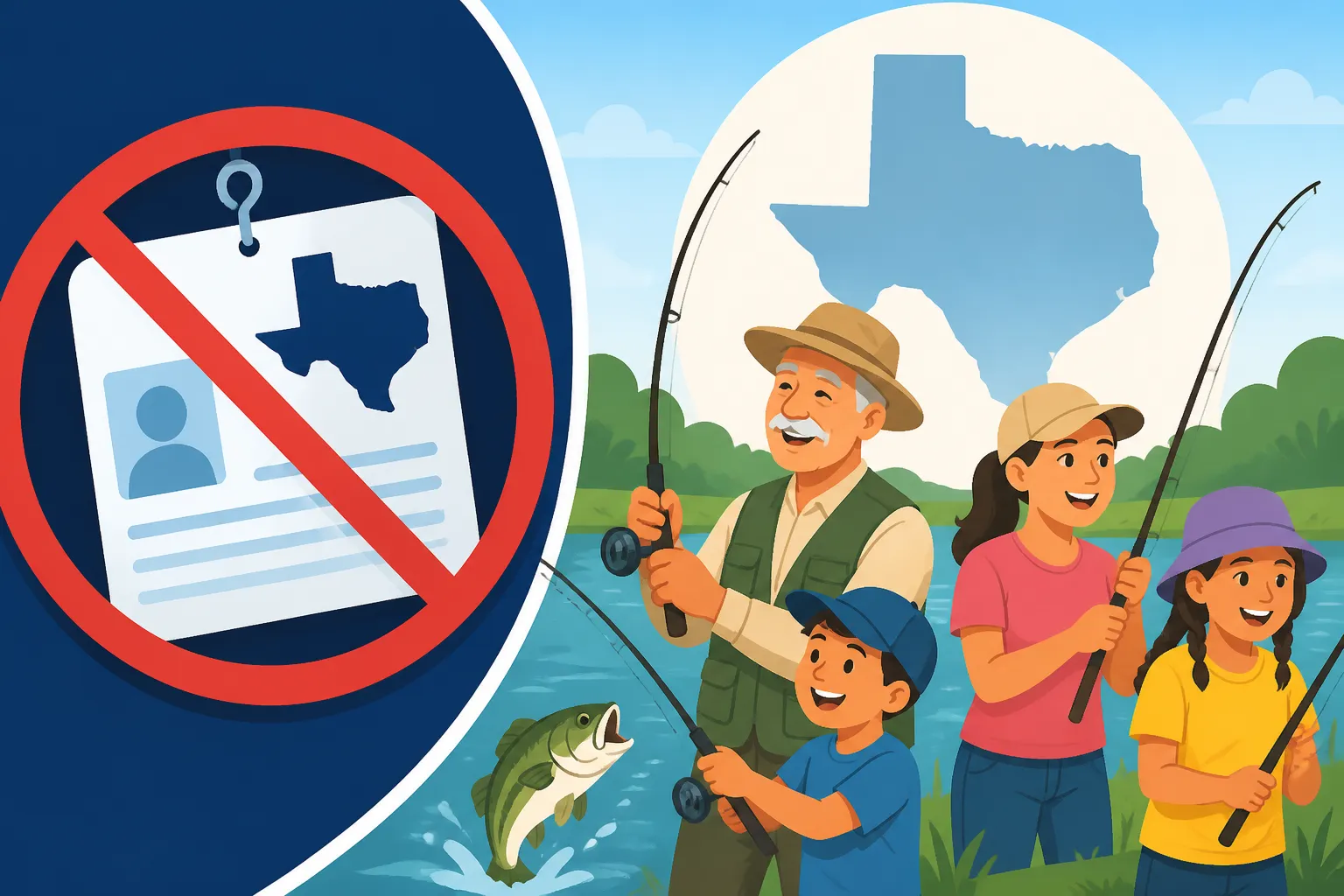
This is fantastic news for families! In Texas, any person under 17 years of age is not required to have a fishing license. This is a brilliant initiative by the state to encourage younger generations to get out there, experience nature, and develop a love for fishing without any upfront cost for their parents or guardians. Imagine the joy of taking your kids or grandkids to a local pond, handing them a simple rod and reel, and watching their faces light up with excitement as they reel in their first sunfish, knowing you didn't have to worry about buying them a license.
This exemption applies universally, whether they're fishing for largemouth bass in Lake Travis, reeling in catfish from the Trinity River, or trying to catch a speckled trout off a Galveston pier. They can fish alongside you, using the same techniques and targeting the same species, completely legally, as long as they haven't celebrated their 17th birthday yet. This is a huge benefit for school groups, youth organizations, and parents looking for affordable outdoor activities. It removes a potential financial hurdle, making fishing more accessible. However, it's crucial to remember that while they don't need a license, they are still subject to all other fishing regulations, such as bag and length limits for specific species. You'll still need to teach them about Texas Fish Bag and Length Limits and responsible angling practices.
Celebrating Experience: Special Provisions for Anglers 65 and Older
Texas values its senior citizens, and that appreciation extends to fishing privileges. While there isn't a complete exemption for those 65 and older, there are significant discounts and a specific, less expensive license available to them. Residents who are 65 years of age or older can purchase a "Senior Resident Fishing License" at a substantially reduced price. This isn't a free pass, but it's a very affordable way for seasoned anglers to continue enjoying their passion without breaking the bank, especially for those on fixed incomes.
This specialized license ensures that seniors can access both freshwater and saltwater fishing opportunities across the state. It recognizes their lifelong contributions and provides an incentive for them to remain active outdoors. It’s important for seniors to understand that they do still need to purchase this specific senior license, and it comes with all the necessary endorsements, but it’s a much more budget-friendly option than a full-price adult license. Details on the "Texas Senior Fishing License Discount" are readily available and worth looking into for eligible residents. This provision makes it possible for many to keep their cherished tradition of fishing alive, whether it's for crappie with their grandkids or a quiet morning chasing bass.
A Nod to History: The Grandfather Clause for Those Born Before 1931
This is a rather unique and truly historical exemption that often surprises people. Texas offers a very specific "Grandfather Clause" for its oldest residents. Any person born before January 1, 1931, does not need a Texas fishing license to fish in public waters. This is a full exemption, meaning they don't need to purchase any type of license, senior or otherwise. It's a testament to a bygone era and a way to honor the generation that lived through significant historical events.
This exemption is straightforward: if your birth year is 1930 or earlier, you're good to go. There's no need to apply for a special card, fill out forms, or pay any fee. You just need to be able to provide proof of age, such as a driver's license or state ID, if asked by a game warden. This allows our most senior Texans to enjoy fishing without any bureaucratic hassle, recognizing their long history with the state's natural resources. It’s a wonderful policy that acknowledges their legacy and provides true free access to fishing.
Honoring Service: Military and Disabled Veteran Exemptions
Texas proudly supports its military personnel and veterans, and this commitment extends to providing fishing license exemptions as a small token of gratitude for their service and sacrifice. These exemptions are incredibly valuable, offering free access to fishing for many who have served or are currently serving our country.
Serving Our Country: Active Duty Military Personnel and Their Families
Active duty military members stationed in Texas, including their spouses and dependent children under the age of 17, are often eligible for special considerations, though the rules can be a bit nuanced. While active duty military personnel generally still need a license, Texas offers a discounted "Active Duty Military" license. More significantly, non-resident active duty military personnel who are stationed in Texas may purchase a resident fishing license, which is a substantial saving over the regular non-resident rate. This is a huge benefit, as non-resident licenses can be considerably more expensive. This ensures that those serving our nation don't face additional financial burdens when trying to enjoy some relaxation on Texas waters.
However, a truly impactful exemption applies specifically to resident active duty military personnel who are on leave. If a Texas resident who is currently active in the U.S. armed forces is home on leave, they are exempt from needing a fishing license for the duration of their official leave. This is a wonderful gesture, allowing them to reconnect with family and enjoy the simple pleasure of fishing during their time off without worrying about purchasing a license. They simply need to carry their military ID and their official leave papers. This thoughtful provision ensures that our heroes can enjoy the peace and quiet of Texas lakes and bays during their brief respite. You can find more details on "Texas Fishing License for Active-Duty Military" to ensure compliance.
Valuing Sacrifice: Free Licenses for Disabled Veterans
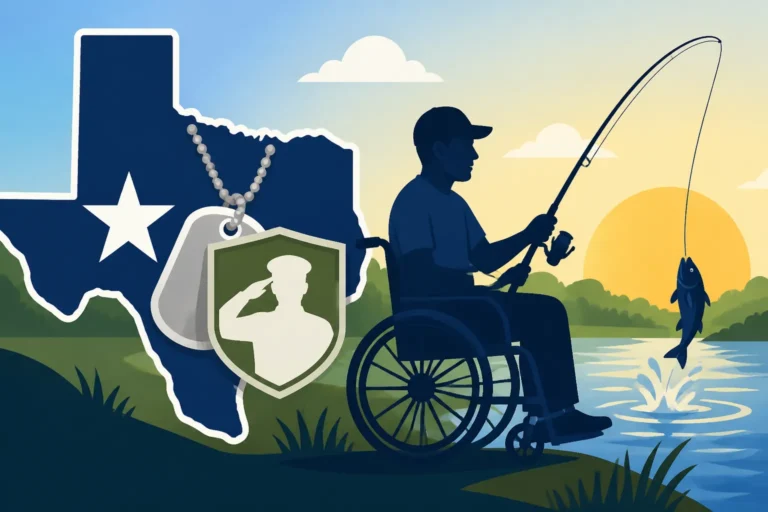
Perhaps one of the most significant and appreciated exemptions is for disabled veterans. Texas offers a free fishing license to resident veterans of the U.S. Armed Forces who have a service-connected disability of 50% or greater, or who have been awarded the Purple Heart. This isn't just a discount; it's a completely free annual fishing license, including all necessary endorsements. It's a profound way for the state to honor the profound sacrifices made by these individuals.
The process involves providing specific documentation from the Department of Veterans Affairs (VA) proving the service-connected disability rating or Purple Heart award. This can typically be obtained from a VA office or through their online portal. Once verified, these veterans can enjoy unlimited fishing across Texas's vast freshwater and saltwater environments without any cost. This can be a huge blessing, offering a therapeutic and accessible outdoor activity for those who may face other challenges due to their service. It's a tangible recognition of their bravery and commitment. Learning about "Texas Disabled Veteran Fishing License Rules" is important for eligible individuals.
The Fine Print: Proving Eligibility and Maintaining Compliance
For all military and veteran exemptions, proving eligibility is key. This usually means carrying appropriate identification and documentation. For active duty personnel on leave, this includes their military ID and official leave orders. For disabled veterans, it's documentation from the VA. It's not enough to simply be a veteran; you need to have the official paperwork on hand to demonstrate your eligibility if a game warden asks.
Game wardens are diligent in enforcing regulations, and while they are generally understanding, they also need to ensure compliance to protect our natural resources. Therefore, keeping these documents readily accessible, perhaps stored digitally on your phone or in a waterproof pouch along with your other fishing gear, is highly recommended. You can't just state you're a veteran; you need the proof. It's a small administrative step that ensures you can enjoy your fishing time hassle-free and avoid any potential penalties for fishing without a Texas license, which can be quite steep.
Beyond Public Waters: Fishing on Private Land and Designated Areas
Not all fishing takes place in publicly accessible rivers, lakes, and bays. There are significant exemptions that apply when you're casting a line in private settings or in certain managed community areas. Understanding these rules can open up more fishing opportunities without the need for a license.
Your Own Backyard: Fishing on Private Property and Legally Stocked Ponds
This is probably one of the most straightforward exemptions: if you are fishing in water that is wholly on private land that you own or have permission to fish, and that water is not part of a public stream or lake, you generally do not need a Texas fishing license. This applies to your own farm pond, a stock tank on a friend's ranch, or a private lake within a controlled community that doesn't have a natural, direct connection to public waterways. The key here is "wholly on private land" and "not part of a public stream or lake."
Imagine you have a beautiful pond on your property that you've stocked with bass and catfish. Your family, friends, and guests can fish there to their heart's content without needing a state fishing license. The same goes if you're visiting a friend with a large stock tank on their ranch. As long as the water body is entirely contained within that private property and doesn't flow directly into or from a public water system, the state fishing license requirement is typically waived. This is a common situation for landowners and residents in rural areas. You can delve deeper into "Do you need a license to fish on private property in Texas?" for all the specifics.
Community Ponds and Restricted Access: Navigating Local Rules
Many communities, particularly in suburban and urban areas, have created small ponds and lakes within parks or housing developments. The rules for these can vary. If a community pond is entirely self-contained, meaning it doesn't connect to a public waterway, and is managed strictly by a homeowners association or a private entity, state fishing licenses may not be required. However, it's crucial to check with the specific management authority for that water body. Some of these ponds might still require a local permit or adhere to specific community rules.
On the other hand, some city park ponds or lakes are actually part of the Texas Parks and Wildlife Department's "Neighborhood Fishin'" program. These are often regularly stocked with catfish or rainbow trout. While these are public access points, the TPWD sometimes designates specific events or areas within these programs where a license might be waived for certain participants, like during youth events. Always check the signage at the site or the TPWD website for the most current information regarding these community fisheries. It's better to be safe than sorry, and a quick check can prevent any misunderstandings.
Catch-and-Release Programs and Special Events: Temporary Waivers
Occasionally, special events, educational programs, or even certain fishing tournaments might operate under a temporary waiver for fishing licenses. For example, some youth-focused fishing clinics might be granted an exemption for participants for the duration of the event. Similarly, research or educational institutions might have special permits that allow their personnel to fish without a standard license for scientific purposes. These are typically very specific and limited in scope and time.
These waivers are not common for the general public and are almost always tied to a specific organized event or scientific study. You cannot assume an event offers an exemption unless it is clearly stated by the organizers and confirmed by TPWD. If you plan to participate in a fishing tournament, always verify with the tournament director about license requirements. Most tournaments, especially those involving game fish, will still require all participants to hold a valid Texas fishing license. If you're looking for educational resources on fishing gear or techniques, many helpful books can be found on Amazon, often providing details on local regulations too.
Special Occasions and Reciprocal Waters: Unique Exemptions
Texas offers a few distinct situations and agreements where the usual fishing license requirements are either temporarily suspended or modified due to special circumstances or interstate agreements. These are important to know, especially if you live near state borders or look forward to specific annual events.
The Gift of Free Fishing: Texas Free Fishing Day
This is a fantastic opportunity that everyone should mark on their calendar! Texas designates one day each year as "Free Fishing Day." On this particular day, usually the first Saturday in June, anyone can fish in any public water in Texas without a fishing license. This includes both freshwater and saltwater. It's a wonderful chance for newcomers to try fishing for the first time without the commitment of purchasing a license, or for seasoned anglers to introduce a friend or family member to the sport.
"Texas Free Fishing Day" is explicitly designed to promote fishing and outdoor recreation. While no license is required, all other fishing regulations, such as bag limits, length limits, and gear restrictions, remain in effect. It's not a free-for-all; it's simply a waiver of the license fee for one day. Many parks and communities host special fishing events on this day, offering clinics and loaner tackle, making it an ideal time to get involved. Check the TPWD website annually for the exact date, as it can sometimes shift slightly.
Interstate Cooperation: Lake Texoma and Border Water Agreements
Fishing across state lines can be a bureaucratic nightmare, but Texas has some intelligent reciprocal agreements to ease the burden, especially concerning Lake Texoma. This massive reservoir spans the border between Texas and Oklahoma, and traditionally, you'd need a license from both states to fish the entire lake. However, a special agreement simplifies this.
If you possess a valid Texas fishing license (with the necessary freshwater endorsement, of course), you can fish in the Oklahoma waters of Lake Texoma without needing an Oklahoma license, provided you are fishing only from the Texas shoreline or from a boat launched in Texas waters and remaining within the boundaries of the lake itself. The reverse is also true for Oklahoma license holders. This unique arrangement prevents anglers from needing two separate licenses to enjoy one body of water. However, there are nuances, especially concerning harvest limits, which usually default to the regulations of the state whose license you hold. For instance, "Lake Texoma Fishing License Rules" are complex and very specific, covering everything from striped bass limits to gear restrictions, so it's always wise to review them before heading out. For other border waters, like the Sabine River and Toledo Bend with Louisiana, different reciprocal agreements apply.
Texas State Parks: Specific Shoreline Fishing Opportunities
One of the lesser-known but incredibly valuable exemptions exists at Texas State Parks. Many state parks that offer fishing opportunities allow visitors to fish from the shore or from a pier within the park boundaries without needing a state fishing license. This is a huge benefit for families, campers, and anyone looking for an accessible, low-cost way to try fishing.
This exemption is specifically for fishing within a state park. If you leave the park boundaries to fish in adjacent public waters, or if you launch a boat from the state park into general public waters, the license requirement kicks back in. But for simply casting a line from a designated fishing area inside the park, you're usually good to go. This makes state parks an excellent choice for beginner anglers or those on a budget. Always check with the specific park you plan to visit, as conditions can vary, but this "Free Shoreline Fishing at Texas State Parks" is a fantastic program. Remember, entrance fees to the state park still apply, but the fishing itself is license-free under these conditions.
Special Circumstances and Commercial Operations
Beyond the more common age, military, and private land exemptions, there are a few other specific scenarios where an individual might not need a standard recreational fishing license in Texas. These often involve highly specialized roles, specific disabilities, or unique permits.
Anglers with Intellectual Disabilities: The Companion Card
Texas offers a compassionate exemption for individuals with intellectual disabilities. If a person has been issued a "Companion Card" by the Texas Department of Parks and Wildlife, they are exempt from needing a fishing license. This card is specifically for individuals with profound intellectual disabilities and also allows a designated companion to assist them without needing their own license, as long as they are directly aiding the cardholder.
This program is designed to facilitate access to outdoor recreation for a particularly vulnerable population, allowing them to experience the joy of fishing with the support they need. It's a recognition that not all individuals can navigate the standard licensing process or fish independently. The Companion Card itself serves as proof of exemption for both the cardholder and their assisting companion. This thoughtful provision reflects a commitment to inclusivity in Texas's outdoor spaces.
Commercial Fishing and Aquaculture: Different Licensing Regimes
If you're involved in fishing as a commercial enterprise—meaning you're catching fish for sale rather than for personal recreation—then the standard recreational fishing license exemptions do not apply. Instead, you'll be operating under an entirely different set of commercial fishing licenses and permits. These are typically much more expensive, require more extensive applications, and come with very strict regulations concerning gear, harvest limits, seasons, and reporting requirements.
Examples include licenses for commercial shrimpers, oyster harvesters, or individuals who commercially harvest finfish from the Gulf. Similarly, if you operate an aquaculture business, raising fish in controlled environments for sale, you'll be dealing with specific aquaculture permits and regulations through the state, not recreational fishing licenses. The two systems are distinct because their purposes are fundamentally different: one is for sport and personal consumption, the other is for business and commerce. Therefore, commercial fishermen don't typically "not need" a recreational license; they need an entirely different type of license altogether.
Educational and Research Permits: Fishing for a Greater Purpose
Finally, specific individuals conducting authorized scientific research, educational programs, or conservation projects may be issued special permits by the TPWD that exempt them from needing a standard fishing license. These permits are highly specialized and are granted for specific purposes, such as conducting fish surveys, collecting specimens for scientific study, or demonstrating fishing techniques as part of an official educational curriculum.
For example, a university researcher studying fish migration patterns in the Guadalupe River might have a permit to deploy specialized gear and collect fish samples without a recreational license. Likewise, a TPWD biologist conducting electrofishing surveys to assess fish populations in Lake Travis would be operating under official permits. These are not general exemptions; they are specific authorizations tied to professional duties and scientific objectives. If you're passionate about learning more about fish identification or conservation, many excellent field guides can be found on Amazon that complement these scientific efforts. These permits ensure that vital research and education can proceed efficiently, contributing to the broader understanding and management of Texas's aquatic resources.
| Exemption Category | Key Criteria | Proof Required (if applicable) | Typical Age Range (if applicable) |
|---|---|---|---|
| Youth Anglers | Under 17 years of age | None (age verification by ID) | Under 17 |
| Senior Anglers (Born Pre-1931) | Born before January 1, 1931 | Valid ID showing birth date | 93+ (as of 2024) |
| Disabled Veterans | Resident, 50%+ service-connected disability or Purple Heart recipient | VA documentation | Any adult age |
| Active Duty Military (On Leave) | Texas resident, active duty, on official leave | Military ID & leave papers | Any adult age |
| Fishing on Private Property | Water wholly on private land, no connection to public waterways | Land ownership/permission (if challenged) | All ages |
| Texas Free Fishing Day | Specific designated day (usually 1st Saturday in June) | None | All ages |
| Texas State Parks (Shoreline) | Fishing from shore/pier within designated park boundaries | Park entrance receipt/pass (for entry) | All ages |
| Intellectual Disability | Holds a TPWD Companion Card | TPWD Companion Card | All ages |
| Lake Texoma Reciprocal | Valid Texas (or OK) license to fish entire lake (specific rules) | Valid TX fishing license | All ages (standard license needed) |
Disclaimer
The information provided in this guide is for general informational purposes only and does not constitute legal advice. While we strive to ensure accuracy, fishing regulations can be complex and are subject to change by the Texas Parks and Wildlife Department. Always consult the official TPWD Outdoor Annual or their website for the most current and specific regulations before fishing. Failure to comply with regulations can result in penalties.