Best gloves for handling catfish
There’s nothing quite like the thrill of feeling a big thump on your line, setting the hook, and battling a powerful catfish in Texas waters. But then comes the moment of truth: actually handling that fish. If you've ever wrestled a slimy, squirming channel cat or been poked by the sharp spines of a blue cat, you know it's not always a pleasant experience. This guide is here to walk you through why specialized gloves are a game-changer for any serious catfisherman and what to look for when choosing the perfect pair to keep your hands safe and your catch secure.
Why You Even Need Special Gloves for Catfish (Beyond Just Grabbing Them)
You might be thinking, "Gloves? Can't I just grab them with a towel or a fish gripper?" And while those tools certainly have their place, dedicated catfish handling gloves offer a level of protection and confidence that really makes a difference. Bare hands or thin gloves often just don't cut it when you're dealing with the unique challenges these whiskered warriors present.
The Threat of Catfish Spines and Puncture Wounds
Let's be real: catfish are armed. They possess formidable dorsal and pectoral fin spines that aren't just sharp; they can deliver a nasty, painful puncture wound. These spines are designed for defense, and when a fish is thrashing, it's all too easy for one to find its way into your hand. A puncture from a catfish spine isn't just a momentary sting; it can lead to swelling, prolonged soreness, and in some cases, even infection due to the slime and bacteria from the fish and the water. Imagine reeling in a beautiful flathead, only to spend the rest of your trip nursing a throbbing hand that makes it impossible to re-bait a hook or tie a knot. It’s a real buzzkill, and exactly the kind of frustration a good pair of gloves can prevent.
Dealing with Slime, Grit, and a Strong Grip
Catfish are notoriously slimy creatures. This slick coating is another natural defense mechanism, making them incredibly difficult to hold onto, especially if they're still full of fight. Trying to unhook a squirming, slippery catfish with bare hands often results in the fish flopping back into the water before you can even get a picture, or worse, falling onto the boat floor. Beyond the slime, these fish can also be covered in grit, sand, or debris from the bottom, which can be abrasive. Specialized gloves, especially those with textured or rubberized palms, provide the superior grip you need to maintain control. This isn't just about protecting your hands; it's about handling the fish responsibly, minimizing stress for catch-and-release, and preventing accidental drops that could harm the fish or your gear. If you're targeting a big blue cat, you'll want to be confident in your hold. For more on targeting these species, check out How to Catch Catfish in Texas.
Protecting Your Hands from the Environment (Sun, Hooks, Etc.)
While spines and slime are the immediate concerns, the right gloves offer broader protection. Think about all the other hazards your hands encounter during a typical fishing trip:
- Hooks: Even when not in a fish's mouth, stray hooks on lures or trotlines can easily snag an unprotected hand.
- Line: Handling braided line under tension can cause friction burns or cuts.
- Sun Exposure: Long days on the water, especially in the intense Texas sun, can lead to painful sunburns on your hands. Many fishing gloves offer UPF protection.
- Boat Surfaces/Bank Terrain: Reaching into livewells, grabbing rough boat edges, or moving around rocky banks can all cause scrapes and abrasions.
- Fish Teeth: While catfish don't have rows of razor-sharp teeth like some predatory fish, larger specimens can have abrasive mouth plates that can still scrape or abrade skin, especially if you're trying to perform a lip-grip.
Having a robust pair of gloves means you're not just ready for the fish, but for everything else the fishing environment throws at you.
Key Features to Look for in a Great Catfish Handling Glove
Choosing the best gloves isn't just about grabbing the first pair you see. There are specific features that elevate a good pair of gloves to a great pair for handling Texas catfish. It's all about balancing protection, functionality, and comfort.
Material Matters: Puncture Resistance and Durability
The core purpose of a catfish glove is protection, and that starts with the material. You need something tough enough to withstand those sharp spines.
- Kevlar or Dyneema Blends: These are often found in cut-resistant gloves and offer excellent puncture and slash resistance. They're typically lightweight and breathable, but they might not have the best grip when wet on their own. Look for gloves that integrate these materials, especially in the palm and finger areas, and then combine them with a coating for grip. These kinds of gloves are usually what you find marketed as "fillet gloves" or "fish handling gloves" at retailers like Bass Pro Shops.
- Rubberized or Nitrile Coatings: These are fantastic for grip, especially on wet, slimy surfaces. They also add a layer of puncture resistance, though usually not as extreme as Kevlar. Gloves fully coated in thick rubber or industrial-grade nitrile are very durable and water-resistant. The downside is they can sometimes be less breathable and offer less dexterity.
- Thick Leather: While durable and offering decent abrasion resistance, plain leather can get waterlogged, stiff, and typically doesn't offer the same level of puncture resistance against sharp spines as modern synthetics. Some specialized gloves might use leather reinforced with other materials.
- Heavy-Duty Synthetics: Many gloves use a blend of synthetic fibers for their base, offering a balance of flexibility and strength. The key is what kind of reinforcement or coating they have on top to truly stop those spines.
When you're out there wrestling with a potential trophy, like the massive blue cats found in lakes such as Lake Tawakoni or Lake Texoma, you'll want to be sure your gloves can take a beating.
Grip and Dexterity: Balancing Protection with Feel
What good are protective gloves if you can't actually hold onto the fish or tie a knot? The best catfish gloves strike a balance between armor-like protection and functional dexterity.
- Textured Palms: Look for gloves with textured, often rubberized or silicone-patterned palms. This dramatically improves grip on slick fish and wet surfaces. Without a good grip, the fish can still squirm free, potentially harming itself or you.
- Flexibility: Stiff, bulky gloves are difficult to work with. You want gloves that allow your fingers to move relatively freely. This means you can still tie knots, unhook fish without struggling, and handle your rod and reel efficiently. Some gloves achieve this by using thinner, more flexible materials on the back of the hand while maintaining heavy-duty protection on the palm and fingers.
- Finger Length: Some anglers prefer full-finger gloves for maximum protection, while others opt for three-quarter or half-finger designs for increased dexterity. For catfish handling, especially with their spines, full-finger is generally recommended. However, a full-finger glove that is too bulky will be a hindrance, so finding one that fits snugly without being restrictive is key.
Water Resistance and Ease of Cleaning
Fishing is a wet sport, and catfish are often retrieved from murky or muddy waters. Your gloves need to handle this reality.
- Water Resistance/Waterproof: While full waterproof gloves exist, they often sacrifice breathability and dexterity. For catfish, you want gloves that resist water absorption, dry quickly, and ideally don't become heavy or clammy when wet. Many rubberized or nitrile-coated gloves shed water effectively.
- Ease of Cleaning: After a day of handling slimy fish, your gloves will be, well, slimy. You'll want gloves that can be easily rinsed clean with a hose or even thrown in a washing machine (check manufacturer instructions). Materials that absorb odors are a no-go; you don't want your gloves smelling like a tackle box full of cut bait after one trip. The ability to quickly rinse them off means you're less likely to transfer fish slime and odor to your steering wheel, cooler, or other gear. For tips on preparing your bait, see How to rig cut bait for catfish.
Types of Gloves for Catfish Handling
When you head to your favorite outdoor retailer or browse online, you'll find a bewildering array of gloves. Let's break down the common types and how they stack up for tackling Texas catfish.
Heavy-Duty Fillet/Cut-Resistant Gloves
These gloves are often marketed for filleting fish or for kitchen use where knife safety is paramount. However, their primary strength – cut resistance – translates beautifully to spine protection.
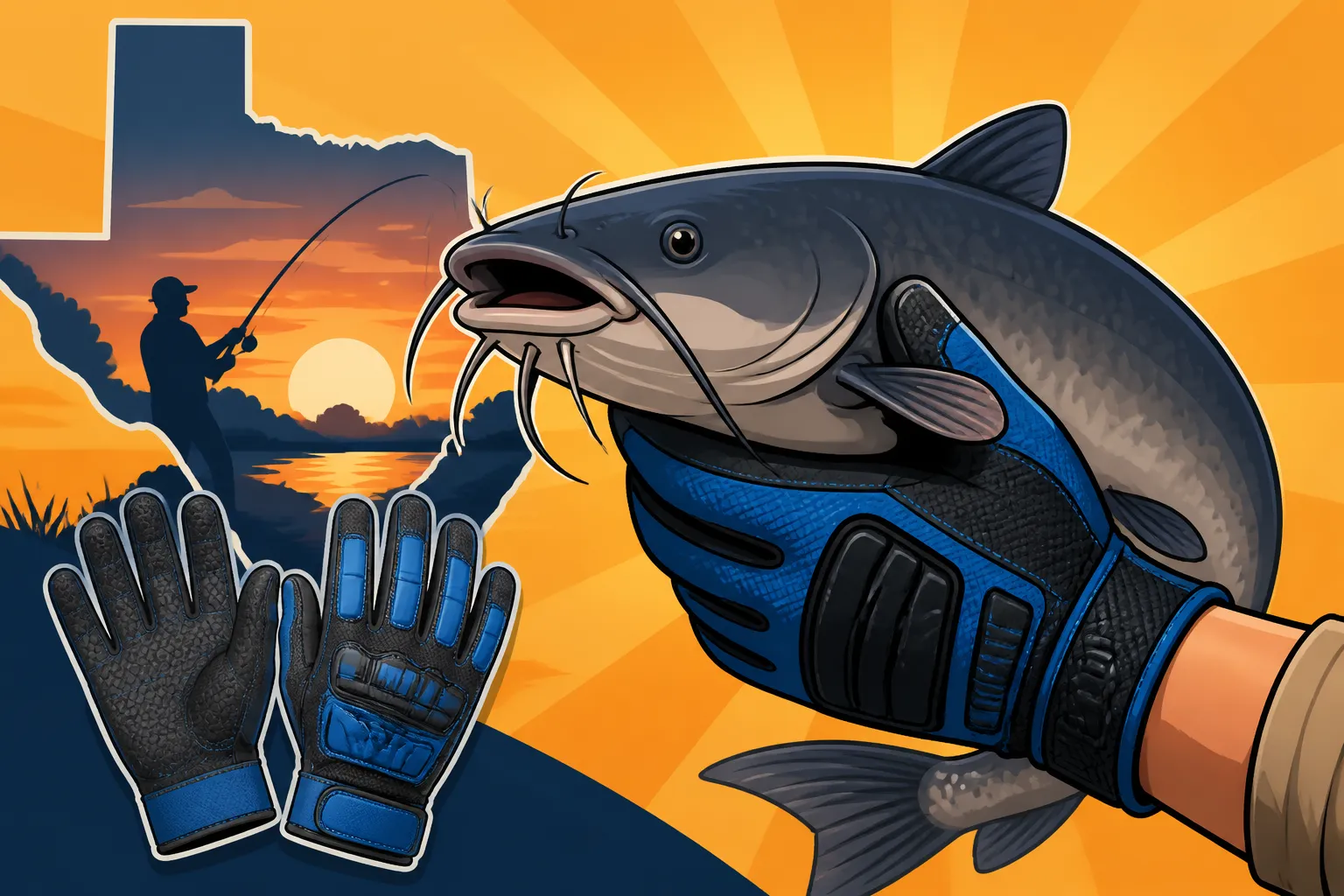
- What they are: Typically made from a blend of high-strength fibers like Kevlar, Dyneema, or HPPE (High Performance Polyethylene), often with a textured, sometimes rubberized, coating on the palm and fingers for grip. They're designed to prevent blades from slicing through, which also makes them highly effective against sharp fish spines.
- Pros: Excellent puncture and cut resistance, giving you peace of mind when handling spiny fish. Many offer a good grip on wet surfaces. They're often thin enough to allow for decent dexterity, surprisingly so given their protective qualities. You can find robust options from brands carried by retailers like Bass Pro Shops, which cater specifically to anglers.
- Cons: They can sometimes be a bit pricier than basic work gloves. While highly protective, a truly massive spine from a record-breaking flathead could potentially still penetrate, so caution is always advised. Some can become a bit waterlogged if not properly designed with a water-resistant coating.
- Best Use: Ideal for anglers who frequently target catfish of all sizes, especially those concerned about spine punctures. They offer a great balance of protection and utility for handling, unhooking, and even preparing your catch.
Rubberized or Nitrile-Coated Work Gloves
You've probably seen these in hardware stores or industrial supply shops. They're designed for general labor but offer a surprisingly good solution for catfish.
- What they are: Usually a knit synthetic base (like nylon or polyester) dipped in a thick layer of rubber, latex, or nitrile. The coating provides grip and a barrier.
- Pros: Very affordable and widely available, often found in multi-packs. Excellent grip on wet and slimy surfaces due to the thick coating. Offer decent water resistance and some level of puncture protection, far superior to bare hands or thin fabric gloves. They are easy to rinse clean. You can easily pick these up online from Amazon, often with various color and size options.
- Cons: Puncture resistance isn't as high as specialized cut-resistant gloves against very sharp, direct spine jabs. They can sometimes be a bit stiff and reduce dexterity, making intricate tasks like tying small knots a challenge. Breathability can be limited, leading to sweaty hands in hot Texas summers.
- Best Use: A great budget-friendly option for casual catfishermen or those who primarily target smaller to medium-sized channel catfish where the spines are less menacing. They're also excellent for general boat work or handling bait.
Specialty Fishing/Landing Gloves
These are gloves designed explicitly for anglers, sometimes with unique features tailored to fish handling.
- What they are: A broad category that can range from lightweight sun-protection gloves with a reinforced palm to heavy-duty gauntlets. Some might have built-in magnet systems for attaching to clothing, or specific textures designed to be "fish-friendly."
- Pros: Often designed with angler needs in mind, meaning good fit, dexterity, and features like UV protection. Many will incorporate good grip on the palms.
- Cons: The level of spine protection varies wildly. Some are more about sun protection and light handling, not heavy-duty catfish defense. You'll need to scrutinize the product description carefully to ensure it offers the puncture resistance you need for catfish. They can also be quite specialized and thus more expensive.
- Best Use: If you can find a specialty fishing glove explicitly rated for handling toothy or spiny fish, it can be an excellent choice. However, many in this category are geared more towards bass or saltwater species with different handling challenges. Always prioritize puncture resistance for catfish.
Here’s a quick overview to help you decide:
| Glove Type | Puncture Resistance (Spines) | Grip on Wet/Slimy Fish | Dexterity | Water Resistance | Cost Level | Common Use Case |
|---|---|---|---|---|---|---|
| Heavy-Duty Fillet/Cut-Resistant | Excellent | Very Good | Good to Very Good | Good | Mid-High | Frequent catfish anglers, all sizes, filleting |
| Rubberized/Nitrile-Coated Work | Good | Excellent | Fair to Good | Very Good | Low | Casual catfish anglers, smaller to medium fish, general boat work |
| Specialty Fishing/Landing (General) | Varies (check specs) | Good | Very Good | Varies | Mid-High | Specific fish handling, often not primary spine protection |
Choosing the Right Gloves for Your Texas Catfishing Style
Ultimately, the "best" glove is the one that best suits your specific needs and fishing habits. Catfishing in Texas is incredibly diverse, from juglining on Sam Rayburn to bank fishing for channel cats in a local pond, and your glove choice should reflect that.
Bank Angler vs. Boat Angler Considerations
Your fishing platform can influence your glove choice.
- Bank Anglers: If you're fishing from the bank, especially in areas with uneven terrain, rocks, or heavy vegetation, durability and overall hand protection might be a higher priority. You might also be carrying your gear further, so gloves that are quick to put on and take off, and perhaps more compact, could be a plus. You might also want gloves that offer a bit more all-around protection from stray thorns or rough surfaces when setting up your spot.
- Boat Anglers: On a boat, you might have more immediate access to water for rinsing and space for multiple pairs of gloves. Dexterity for tasks like navigating electronics, operating the trolling motor, or quickly re-baiting multiple rods (especially when running a Texas trotline hook limit rules setup) becomes more crucial. Comfort for long hours of wear is also important. If you’re fishing from a boat, you might also be handling other potentially sharp items like anchors or fishing tools more frequently.
Target Species and Size: From Channel Cats to Trophy Blues
The size and species of catfish you're after significantly impact the required level of protection.
- Small Channel Catfish: These are abundant in most Texas waters and are often the first catfish many anglers catch. Their spines, while sharp, are generally smaller and less robust. A good pair of rubberized work gloves might be perfectly adequate.
- Medium to Large Channel Cats & Small Blues/Flatheads: As the fish get larger, so do their spines and their power. For these, a more robust rubberized glove or an entry-level cut-resistant glove would be a wise upgrade. You don't want to underestimate a feisty 10-pound blue cat! Remember to always check Texas channel catfish length and bag limit and Texas blue catfish length and bag limit regulations.
- Trophy Blue Catfish & Flatheads: If you're specifically targeting those monstrous blues and flatheads that can easily exceed 30 or 40 pounds, you absolutely need the best protection you can get. These fish have incredibly thick, sharp spines and immense power. This is where a top-tier, heavy-duty fillet/cut-resistant glove truly shines. Investing in maximum protection is a no-brainer when you’re anticipating a battle with a potential record-breaker. For tips on landing these giants, check out How to catch blue catfish in Texas lakes.
Comfort, Fit, and Personal Preference
No matter how protective or feature-rich a glove is, if it's uncomfortable or doesn't fit right, you won't wear it.
- Try Them On: If possible, try gloves on before buying. Wiggle your fingers, make a fist, and imagine tying a knot. Do they feel too tight, too loose, or too bulky?
- Size Matters: Just like clothing, gloves come in different sizes. A glove that's too big will reduce dexterity and increase the chance of it slipping off. One that's too small will be uncomfortable and restrict movement.
- Breathability: In the hot Texas climate, breathability is a real concern. Some gloves can cause your hands to sweat excessively, leading to discomfort and potentially making them harder to grip the fish. Look for materials that offer some airflow, or consider gloves with perforations.
- Durability Beyond Spines: Consider the overall construction. Are the seams well-stitched? Will the coating hold up to repeated use and exposure to water and sun? You want gloves that will last more than just a few trips.
Ultimately, the best gloves for handling catfish in Texas are the ones that give you the confidence to safely and effectively land your catch, without worrying about painful pokes or slippery mishaps. A little protection goes a long way in ensuring your day on the water is enjoyable and memorable for all the right reasons.
Disclaimer
This article is for general informational purposes only and does not constitute professional advice. Laws, prices and regulations vary by location and change over time. Consult a qualified professional for guidance on your specific situation.