Why is Texas flounder season closed in November
It's incredibly frustrating when November rolls around, and you're all geared up for prime flounder fishing, only to hit a wall of regulations. Many Texas anglers, myself included, have felt that sting of disappointment, especially knowing how epic the fall flounder run can be. This guide is going to dig deep into why the Texas Parks and Wildlife Department (TPWD) implements a closed season for flounder in November, explaining the biological reasons and what it means for your fishing plans.
The Angler's Dilemma: Missing Out on the Flounder Run
For many dedicated anglers along the Texas coast, the autumn months are synonymous with the highly anticipated flounder run. This is the time when these delicious flatfish migrate from the shallow bay systems out to the deeper waters of the Gulf of Mexico to spawn, creating incredible fishing opportunities. The thought of missing out on this action due to a closed season can be genuinely bewildering, even disheartening, especially when you've been planning for months. It feels counterintuitive to close a season during what many consider the absolute peak for catching flounder. You've got your gear ready, maybe even bought a new set of waders or a trusty gig from a retailer like Amazon, only to find your prime window shut.
The Coveted November Flounder Run
Historically, November has been a golden month for targeting flounder. As water temperatures drop, flounder begin their impressive migration from the brackish bay waters, through the passes, and into the Gulf. This movement concentrates fish in predictable choke points like the jetties, guts, and mouths of bayous, making them highly accessible to anglers, whether you're gigging from a boat or wade fishing with a rod and reel. The sheer volume of fish moving during this period used to make for some of the most memorable fishing trips of the year, often yielding impressive limits and even trophy-sized fish. It's a truly unique phenomenon that coastal communities cherish, defining a significant part of the fall fishing calendar.
The techniques for targeting flounder during this run are also incredibly effective. Many anglers employ artificial lures, such as soft plastics mimicking baitfish or shrimp, bounced along the bottom. Others prefer live bait, like mud minnows or finger mullet, fished on a Carolina rig. Then there's the ever-popular gigging, particularly at night, which becomes highly productive as flounder lie camouflaged on the bay floor. The closure interrupts this tradition, forcing anglers to adapt or postpone their pursuit of this elusive, tasty species.
Impact on Anglers and Local Businesses
The November flounder closure isn't just a minor inconvenience; it has a tangible ripple effect across the entire coastal fishing community. Anglers who plan annual trips around the flounder run suddenly find their prime target off-limits, potentially shifting their focus to other species or even canceling their trips altogether. This impacts not only their personal enjoyment but also local tackle shops, bait stores, fishing guides, and coastal hotels and restaurants that rely on the influx of fishing tourism during peak seasons. Imagine a guide specializing in night gigging charters for flounder; their primary business model is directly affected, necessitating a pivot to other species or techniques.
Small businesses, often family-owned, feel the pinch most acutely. A bait shop owner in Port Aransas or Galveston, for instance, might see a significant drop in sales of live mud minnows and Gulp! shrimp, which are hot items for flounder fishing. Similarly, the local eateries and motels that typically see a bump in business from out-of-town anglers chasing flounder might experience a downturn. It’s a delicate balance trying to protect a species while minimizing economic disruption, and the TPWD constantly grapples with these complex considerations.
The Biological imperative: Protecting Flounder Populations
The decision to close the Texas flounder season in November isn't arbitrary; it's a critical conservation measure rooted in the biology of the species. The southern flounder, the primary species targeted in Texas, has faced significant population declines over the years, prompting wildlife managers to take decisive action. This isn't about punishing anglers; it's about ensuring there are flounder for future generations to catch. The scientific data points to specific vulnerabilities during their spawning cycle that necessitate this protective window.
Spawning Migration and Vulnerability
Southern flounder undertake an incredible journey each fall. As bay waters cool, mature flounder migrate from the shallow bays and estuaries through connecting passes and into the deeper, saltier waters of the Gulf of Mexico to spawn. This mass movement, often referred to as the "flounder run," concentrates the fish in predictable locations. While this concentration makes them easier for anglers to catch, it also makes them incredibly vulnerable to overfishing. They are moving in large numbers, often in shallower channels or passes, making them highly susceptible to both rod-and-reel fishing and gigging.
During this migration, flounder are focused on reproduction, and their biological drive to spawn can override their natural wariness, making them easier targets. Female flounder, in particular, are carrying vast numbers of eggs, and harvesting them before they've had a chance to release those eggs significantly impacts the reproductive success of the entire population. The TPWD's data indicated that without a protective closure during this critical period, the flounder population would continue to decline, potentially to unsustainable levels. This closure acts as a bottleneck protection, giving a significant portion of the spawning stock a chance to reproduce successfully before being subjected to fishing pressure.
Protecting the Next Generation
The goal of the November closure is fundamentally about protecting the future of the southern flounder fishery. By closing the season during the peak of their offshore spawning migration, the TPWD aims to allow as many adult flounder as possible to successfully reproduce. Each female flounder can release hundreds of thousands, if not millions, of eggs, and the success of this spawning effort directly correlates to the number of juvenile flounder that will eventually recruit into the fishery in subsequent years. Without a robust spawning class, the population simply cannot replenish itself.
This conservation strategy is a long-term investment. It's about ensuring that the next generation of flounder has a fighting chance. While it means anglers temporarily miss out on the thrill of the run, the hope is that these efforts will lead to stronger, healthier flounder populations in the future, ultimately resulting in more fish and more consistent fishing opportunities for everyone down the line. It's a tough pill to swallow in the short term, but it's a necessary step to prevent a more severe decline, or even collapse, of the fishery, which would be a far greater loss.
Texas Parks and Wildlife Department's Role and Data
The Texas Parks and Wildlife Department (TPWD) is the state agency tasked with managing and conserving Texas's natural resources, including its valuable fisheries. Their decisions regarding bag limits, length limits, and season closures, like the one for flounder in November, are not made lightly or without extensive research. They are based on scientific data collection, population assessments, and a keen understanding of fish biology and ecology.
Monitoring Flounder Populations
TPWD biologists conduct comprehensive monitoring programs throughout the year to assess the health of Texas's fish populations, including southern flounder. This involves various methods, such as gill netting, trawling, and creel surveys (angler interviews). These surveys collect crucial data on flounder abundance, size distribution, age structure, and reproductive status. For instance, trawl surveys in bay systems help track the recruitment of juvenile flounder, while gill netting provides data on adult populations. These long-term datasets are essential for identifying trends and detecting declines or improvements in fish stocks.
In the case of southern flounder, years of monitoring revealed a concerning downward trend in population numbers, particularly in the number of female flounder successfully reproducing. This data, combined with studies on their migration and spawning habits, provided the scientific justification for implementing more stringent regulations. Without this diligent data collection, management decisions would be based on guesswork, which would be detrimental to the long-term sustainability of the fishery. Understanding the life cycle, especially when and where the fish are most vulnerable, is paramount for effective conservation.
Management Strategies and Conservation Efforts
The November flounder closure is just one component of a broader management strategy designed to rebuild the southern flounder population. In addition to the closure, other regulations, such as daily bag limits, annual possession limits, and minimum length limits, are also in place to control harvest pressure. For example, Texas Freshwater Fishing Regulations and Texas Saltwater Bag Limits by Species detail specific restrictions to ensure anglers are only taking a sustainable number of fish. These measures collectively work to reduce fishing mortality and allow more flounder to reach maturity and reproduce.
Here's a look at the current general bag and length limits for southern flounder in Texas, though specific regulations can vary and should always be checked with the latest TPWD Outdoor Annual:
| Parameter | General Season (Excluding November) | November Closure |
|---|---|---|
| Daily Bag Limit | 5 fish per person per day | 0 fish |
| Minimum Length Limit | 15 inches | N/A |
| Fishing Method Allowed | Rod-and-reel, Gigging (day/night) | None |
| Possession Limit | Varies, often 10 fish | 0 fish |
Note: Always consult the official TPWD Outdoor Annual for the most current and specific regulations.
TPWD also engages in other conservation efforts, such as habitat restoration projects in critical nursery areas for juvenile flounder. While the November closure is perhaps the most impactful single regulation for flounder, it's part of a multi-faceted approach. Anglers can support these efforts by staying informed, adhering to regulations, and practicing responsible fishing techniques, such as proper catch and release when targeting other species during the closure. Even simple things, like using appropriate hooks and carefully handling fish before releasing them, can make a difference. Many anglers look for high-quality gear on platforms like Amazon to ensure they have the right tools for ethical fishing.
Navigating the Flounder Season Rules
Understanding the "why" behind the November flounder closure is crucial, but knowing "how" to navigate these rules is equally important for any Texas angler. It's not just about abstaining from flounder fishing during that month; it's also about being aware of the specific timing and what alternative opportunities are available to keep your lines wet. Staying informed about the Texas Flounder Season and Limits will prevent any accidental violations and ensure you're fishing legally.
Understanding the November Restrictions
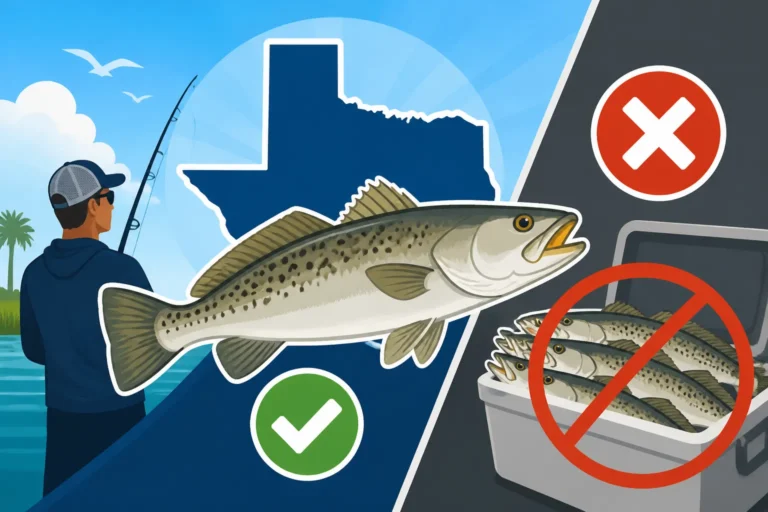
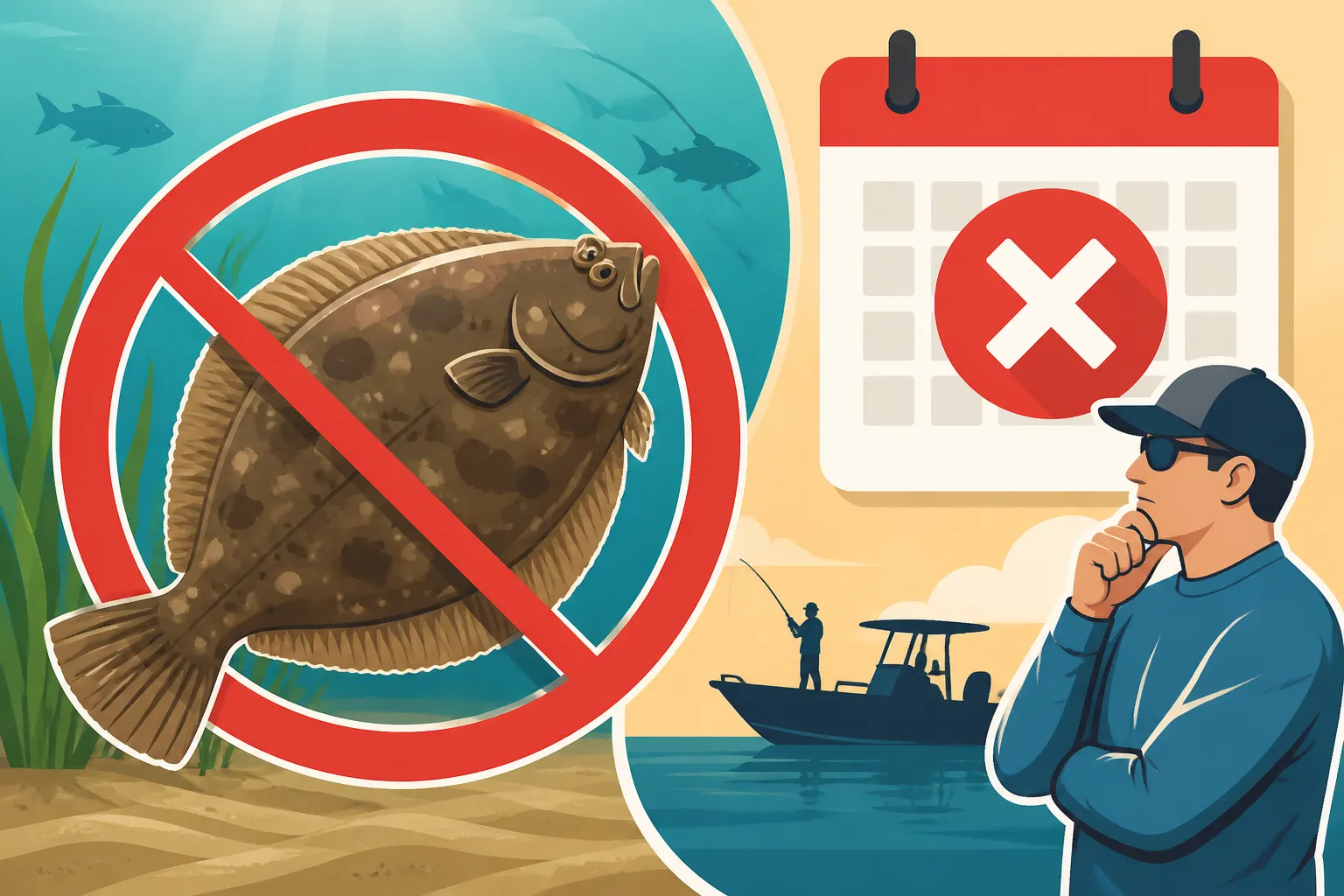
The November closure typically runs for the entire month, from November 1st through November 30th. During this period, it is illegal to catch or possess southern flounder in Texas waters, whether you are fishing with a rod and reel, gigging, or using any other method. This applies to both recreational and commercial fishing. Essentially, flounder are completely off-limits during these 30 days. Violating this regulation can lead to significant fines and penalties, as outlined in the Penalties for Fishing Without a Texas License or for violating bag/length limits. It's a serious matter that game wardens patrol actively.
It's also important to remember that these regulations apply to all Texas waters – bays, estuaries, and the Gulf of Mexico within state jurisdiction. Some anglers mistakenly believe that the closure only applies to certain areas, but it is comprehensive. The only exception, as of my last check, is for specific circumstances like the recreational harvest of flounder with a valid Texas fishing license from the Padre Island National Seashore in specific designated areas, but even then, the November closure typically still applies. This makes it vital to check the latest TPWD Outdoor Annual every year, as regulations can and do change based on scientific assessments. You might even want to keep a digital copy on your phone or a laminated printout in your tackle box, readily available, perhaps even one you sourced from a reputable outdoor supplier online.
Alternative Fishing Opportunities During the Closure
While the closure of flounder season in November can be a bummer, Texas still offers a fantastic array of fishing opportunities during this prime autumn month. Don't let the flounder closure keep you off the water! Many other popular species are actively feeding and can provide excellent action.
Here are a few ideas for what you can target:
- Redfish: Fall is an incredible time for redfish in the Texas bays. As water temperatures cool, redfish become very active and can be found schooling in shallow flats, around oyster reefs, and near passes. They'll readily hit a variety of lures, from soft plastics to topwater plugs, and natural baits like cut mullet or shrimp.
- Speckled Trout: Big speckled trout often move into deeper bay guts and channels during cooler months but can still be found chasing bait in the shallows. MirrOlure MirrOdine, Corky Devil, or soft plastics on a 1/8 to 1/4 oz jig head are excellent choices. Check out Texas Speckled Trout Bag Limits for specific regulations.
- Black Drum: These hard-fighting fish are abundant in Texas bays and are often overlooked. They love shrimp or crab offerings fished on the bottom. Look for them around oyster reefs, shell pads, and deeper channels.
- Sheepshead: Known for their "human-like" teeth, sheepshead are a blast to catch, especially around pier pilings, jetties, and oyster reefs. They prefer small live shrimp or pieces of crab.
- Catfish: In freshwater lakes and rivers across Texas, fall is a fantastic time for channel, blue, and flathead catfish. They are often schooling up and feeding aggressively before winter. Fresh cut bait, shad, or stink baits can be highly effective. Learn more about Texas Catfish Bag Limits.
- White Bass: If you're near a river system that feeds into a larger lake, the fall can see some early white bass runs, though the main run typically occurs in late winter/early spring. These aggressive fighters are a blast on light tackle.
- Offshore Species: If you have access to a boat and favorable weather, venturing offshore can yield opportunities for snapper, kingfish, mahi-mahi, and other pelagic species, which are still active in the Gulf during November.
Even without flounder, the Texas coast and its inland waters remain vibrant fisheries. You can still hone your skills, try new techniques, or explore different fishing grounds. Plus, this time provides a great opportunity to stock up on any gear you might need, perhaps checking out the latest fishing electronics on Amazon or upgrading your fishing line for next season. Remember, a valid Texas Fishing License Requirements Explained is still needed for all these pursuits!
Disclaimer
The information provided in this guide is for general informational purposes only and is not intended as legal advice regarding fishing regulations. Fishing rules and regulations in Texas are subject to change by the Texas Parks and Wildlife Department (TPWD). It is the responsibility of every angler to consult the official TPWD Outdoor Annual or website for the most current and accurate regulations before engaging in any fishing activity. Non-compliance with fishing laws can result in fines and penalties.