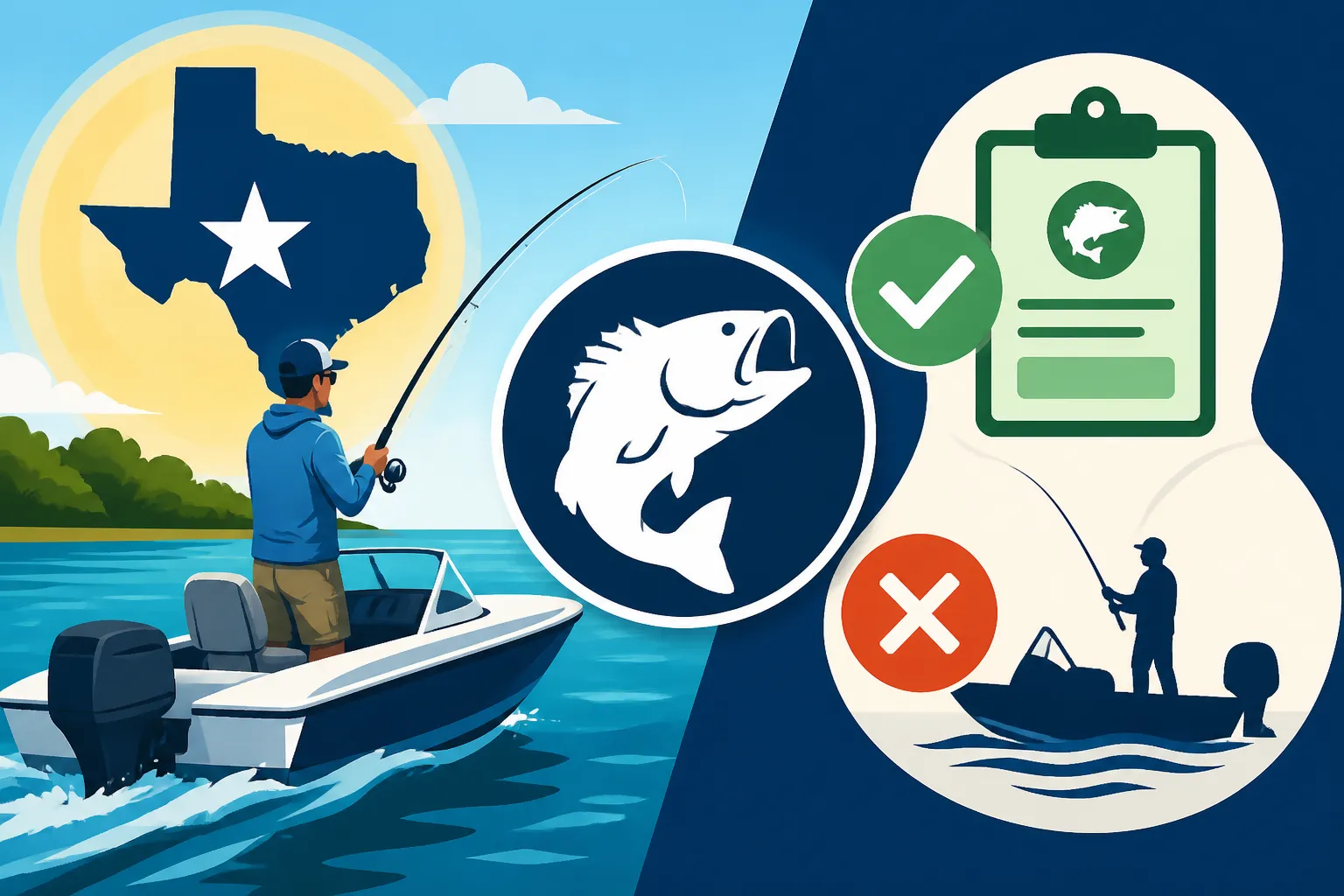
Do you need a fishing license to fish from a boat in Texas?
It’s a question that trips up so many anglers, especially when you’re planning a relaxing day out on the water: do you actually need a fishing license if you're fishing from a boat in Texas? The short answer, which often surprises folks, is almost always a resounding "yes." This guide will cut through the confusion and explain exactly when, why, and for whom a Texas fishing license is absolutely necessary, even when you're casting lines from the comfort of your own vessel.
The Foundation: Why a License is Almost Always Required on a Boat
Let's get straight to it: generally, if you're 17 years old or older and casting a line into public waters from any platform – be it a bank, a pier, or a boat – you need a valid Texas fishing license. This isn't just a random rule; it's how the Texas Parks and Wildlife Department (TPWD) funds critical conservation efforts, fish stocking programs, habitat restoration, and enforcement that keeps our Texas waters abundant and enjoyable for everyone. Without those license fees, our incredible fisheries simply wouldn't thrive the way they do.
Imagine you've got your new boat, maybe a slick bass boat ready for Lake Fork or a sturdy bay boat for Galveston Bay. You’ve got all your gear, perhaps even some new lures you ordered from Amazon, and you’re excited to hit the water. It’s easy to think that because you own the boat, or because you’re not on "land," the rules might be different. But the fish don't care if you're in a fancy Skeeter or a beat-up johnboat; if you're engaged in fishing in public waters, the license requirement applies. This rule is designed to ensure that everyone who benefits from Texas's robust fishing resources contributes to their sustainability.
Public Waters Versus Private Waters: The Key Distinction
The main differentiator for needing a fishing license in Texas, whether from a boat or shore, hinges entirely on whether the water body is considered "public" or "private."
If you’re out on public waters – and this includes virtually all major lakes like Lake Sam Rayburn, Toledo Bend, Lake Texoma, all rivers, creeks, reservoirs, and the entire Gulf Coast – then yes, an appropriate fishing license is required for anyone age 17 and over. This holds true whether you're anchored, drifting, or slowly trolling. The moment your line hits water that is legally accessible to the public for fishing, you fall under state regulations. This applies universally to freshwater, saltwater, and even those brackish areas where the two meet. So, if you're planning a trip to the Best Places to Fish in Texas, assume you'll need that license.
However, there's a significant exception for private waters. If you are fishing exclusively in a private lake, pond, or tank that is entirely on private land and has no public access (meaning, it's not connected to public waterways and is wholly owned by one or more individuals or entities), then you generally do not need a state fishing license. This is a common scenario for many landowners with stock ponds or private ranch lakes. You could be fishing from a small Jon boat, a kayak, or even just a float tube on your own private pond, and the license isn't a concern. The crucial part here is "no public access" and "entirely on private land." If there's any public easement, or if the water flows into or out of a public waterway, the private water exemption typically doesn't apply.
For instance, if you're fishing a small, isolated pond on your ranch that you stocked yourself, you’re good without a license. But if you’re fishing a pond that's part of a subdivision and accessible to multiple residents, or one that drains into a public creek, then state regulations, including licensing, would likely apply. It's always best to err on the side of caution and check with TPWD if there's any ambiguity about a particular water body's public or private status.
Navigating Exceptions and Special Circumstances
While the "almost always" applies, Texas fishing regulations do have some specific exceptions and special considerations. It's vital to understand these to avoid any unexpected run-ins with game wardens, who are always out there ensuring everyone plays by the rules for the sake of conservation.
Knowing these exceptions can save you a fine and ensure your fishing trip goes smoothly. It’s not about finding loopholes, but understanding the system designed to balance access and resource management.
Age Exemptions and Special Permits
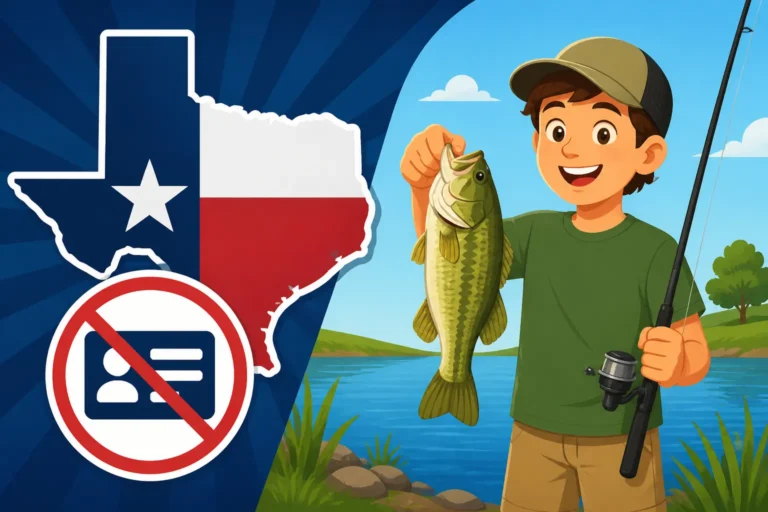
One of the most common and welcome exceptions relates to age. In Texas, children under 17 years of age do not need a fishing license, regardless of whether they are fishing from a boat, pier, or bank. This is a fantastic rule that encourages youth participation in fishing and makes family outings much simpler. You don't have to worry about buying a Texas Youth Fishing License Rules for your kids; they can fish freely!
This means if you're taking your kids or grandkids out on your boat on Lake Travis, they can drop a line without any license requirements, while you, if you're 17 or older, will still need yours. It's a great way to introduce the next generation to the joys of fishing without adding an extra cost burden on families.
There are also specific exemptions for disabled veterans who are Texas residents and meet certain criteria, and individuals born before September 1, 1931. These groups may qualify for a free fishing license or be exempt entirely. For example, a Texas resident who is a disabled veteran with a 50% or more service-connected disability or who has lost the use of a lower extremity may be eligible for a free license. It's worth looking into the Texas Disabled Veteran Fishing License Rules if you or someone you know qualifies. Similarly, those born before a certain date are grandfathered in under older regulations and don't require a license. These exemptions are a way of honoring service and providing continued access for long-time anglers.
Free Fishing Day and State Park Opportunities
Texas also offers special opportunities where a license isn't required for anyone, boat or no boat.
The most widely known is Texas Free Fishing Day, which occurs once a year, typically on the first Saturday in June. On this day, you can fish in any public water body in Texas without a fishing license. This is a perfect chance to try out a new lake from your boat, introduce friends to fishing, or just enjoy the sport without the usual administrative step. Keep an eye on the TPWD calendar for the exact date each year, as it's a popular time for families and casual anglers alike. While the license is waived, remember that all other regulations, like bag and length limits, still apply. You can find more details by searching for Texas Free Fishing Day.
Additionally, if you're fishing exclusively from the shoreline or a fishing pier within a Texas State Park, you generally do not need a fishing license. This is another fantastic initiative by TPWD to encourage outdoor recreation. However, this exemption typically does not extend to fishing from a boat launched within a state park. If you launch your boat and then fish from it on the main lake or bay waters, you're back to needing a license if you're 17 or older. The "Free Shoreline Fishing at Texas State Parks" is specifically for the bank or pier, not for fishing from your vessel out on the open water. Always double-check the specific rules for the state park you plan to visit, as nuances can exist.
Here's a quick summary of who generally doesn't need a Texas fishing license:
| Category | Description | Applies to Boat Fishing? |
|---|---|---|
| Youth | All persons under 17 years of age. | Yes |
| Disabled Veterans | Texas residents with 50% or more service-connected disability or loss of a lower extremity (with proper documentation). | Yes |
| Elderly | Persons born before September 1, 1931. | Yes |
| Free Fishing Day | Everyone on the annual designated Free Fishing Day. | Yes |
| Private Waters | Anyone fishing on a water body entirely on private land with no public access. | Yes |
| State Park Shoreline/Pier | Anyone fishing from the bank or a designated fishing pier within a Texas State Park. | No (not for boat fishing) |
The Consequences of Fishing Without a License
Okay, so we've established that if you're 17 or older and fishing from a boat in public Texas waters, you need a license, barring a few specific exemptions. But what if you forget, or you "just didn't know," or you intentionally try to skip getting one? The consequences can be a real buzzkill for your fishing trip, not to mention a hit to your wallet. Game wardens take these regulations seriously because they are fundamental to managing and protecting Texas's natural resources.
Getting caught without a valid fishing license in Texas is considered a Class C misdemeanor. While it might not sound like a huge deal, it comes with a fine, potential court costs, and the hassle of a legal process.
Fines and Penalties
The base fine for fishing without a license can range from around $25 to $500. However, that's just the starting point. When you factor in administrative fees, court costs, and various surcharges, that initial $25 citation can easily balloon into hundreds of dollars. It's not uncommon for a "simple" citation to end up costing you $200-$500 or more after all the add-ons.
Think about it this way: a standard resident annual all-water fishing license costs around $40 (including the administrative fee). Paying that upfront is a far better deal than risking a fine that's potentially ten times that amount. For more on the specific costs, you might want to read up on Texas Fishing License Cost for Residents and Nonresidents.
Moreover, repeat offenders can face escalating penalties, and in some cases, your fishing privileges could even be suspended. Game wardens have the authority to issue citations, and they're often quite visible on popular lakes and coastal areas, especially during peak fishing seasons. They use boats, ATVs, and even plain clothes to ensure compliance. It’s not worth the risk, especially when it's so easy to purchase a license.
Importance of Carrying Your License
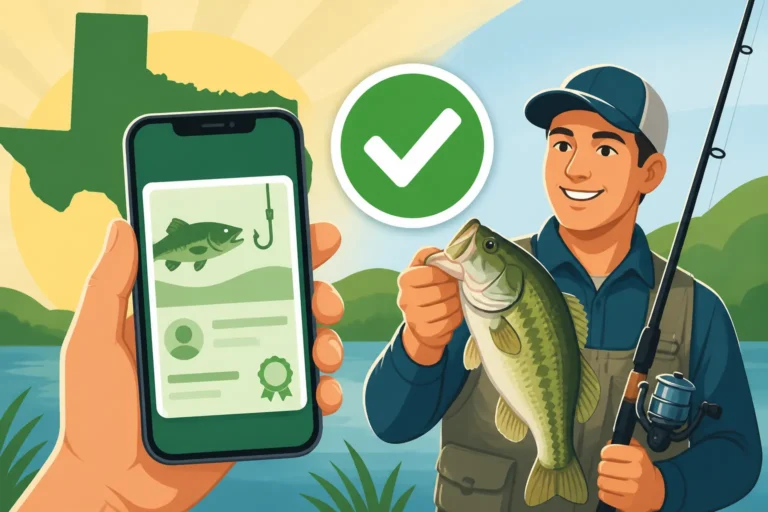
Once you've purchased your license, whether it's an annual, temporary, or combination license, it's crucial to have it with you while fishing. Traditionally, this meant carrying a physical copy of your license. However, in our increasingly digital world, TPWD now allows you to carry proof of your license on your phone.
You can display your license via the official TPWD Outdoor Annual mobile app, or even a clear, legible photograph of your paper license. This convenience means you don't necessarily need to worry about the physical card getting wet or lost, which is a common concern when you're out on the water. Just make sure your phone is charged and the image or app is readily accessible. It's still a good practice to keep a physical copy in your tackle box or glove compartment as a backup, especially if you're prone to draining your phone battery or fishing in areas with no signal. Remember, a game warden will ask to see proof of your valid license, and having it immediately available saves everyone time and trouble.
Getting Your Texas Fishing License
Now that you know you almost certainly need a fishing license to fish from your boat in Texas, the good news is that getting one is incredibly easy and convenient. TPWD has made the process straightforward, ensuring there are multiple ways to secure your license before your next outing.
Whether you're planning months in advance or just decided on a spur-of-the-moment trip, getting your license is quick and accessible.
Convenient Purchase Options
You have several convenient options for purchasing your Texas fishing license:
- Online: This is often the quickest and easiest method. You can visit the official TPWD website, select the license type you need (resident, non-resident, all-water, freshwater-only, saltwater-only, etc.), fill out your information, and pay with a credit card. You can then print a temporary copy immediately, and a permanent license will be mailed to you. Many anglers appreciate this digital convenience, especially when planning a trip last minute. While you might be browsing fishing gear on Amazon, remember that the official TPWD site is where you'll secure your actual license. For a step-by-step guide, check out How to Buy a Texas Fishing License Online.
- By Phone: If you prefer to speak to someone, you can call the TPWD License Sales office. They can assist you in selecting the correct license and process your purchase over the phone. You'll receive a confirmation number that serves as your temporary license until your physical one arrives.
- In Person: Many retailers across Texas are authorized TPWD license vendors. These include major sporting goods stores like Academy Sports + Outdoors, Bass Pro Shops, Cabela's, and even some Walmart locations. Smaller independent tackle shops and convenience stores also often sell licenses. This is a great option if you need to pick up some bait or tackle anyway, or if you prefer a physical transaction. Just remember that while you might buy a new fishing hat at Amazon, your license needs to come from an authorized vendor. Find a location near you with this guide: Where to Buy a Texas Fishing License In Person.
Understanding License Types and Endorsements
Texas offers a variety of fishing licenses to suit different needs. The most common license for boat anglers is the Annual Resident All-Water Fishing Package, which covers both freshwater and saltwater fishing for a full year. If you're only planning to fish in freshwater lakes and rivers, a Freshwater-Only license might suffice, or if you're strictly hitting the coast, a Saltwater-Only license.
It's crucial to understand that if you plan to fish in saltwater, you'll need the Saltwater Endorsement in addition to your base license, unless you purchase an "All-Water" package which already includes it. This endorsement is what allows you to legally fish in the bays, estuaries, and offshore waters of the Texas Gulf Coast. For a deeper dive into the specific requirements and costs, our articles on Texas Freshwater Fishing Regulations and Texas Saltwater Fishing Regulations are invaluable resources.
If you're unsure which license is best for you, consider where you'll be doing most of your fishing. For maximum flexibility and to cover all your bases, especially if you plan to explore both inland lakes and the coastal waters from your boat, the All-Water Fishing Package is usually the safest bet. It eliminates any doubt about whether you're covered for a spontaneous trip to a new fishing spot.
Final Thoughts for Texas Boat Anglers
Fishing from a boat in Texas offers some of the most incredible angling experiences you can imagine, from chasing trophy bass in sprawling reservoirs to battling redfish in the coastal flats. The freedom of being on the water, moving from spot to spot, and accessing areas unreachable from shore is truly special.
However, that freedom comes with the responsibility of understanding and adhering to the regulations designed to protect these precious resources for generations to come. While the answer to "Do you need a fishing license to fish from a boat in Texas?" is almost always "yes" for adults in public waters, the good news is that getting one is simple, affordable, and directly contributes to keeping Texas a premier fishing destination. So, get your license, gather your gear (maybe a new tackle box from Amazon to organize those lures!), and enjoy your time on the water, knowing you're doing your part.
Disclaimer
Please remember that fishing regulations, including licensing requirements, can change. While this guide provides the most current and accurate information available at the time of writing, it is always your responsibility to consult the official Texas Parks and Wildlife Department (TPWD) website or their Outdoor Annual for the latest rules and updates before you go fishing. This content is for informational purposes only and does not constitute legal advice.