Best time of year to fish Lake Fork for bass
It's a question every angler dreams of answering: when is the absolute best time to tangle with a giant bass on legendary Lake Fork? Let's be honest, trying to pinpoint the perfect day or even month can feel like chasing a ghost. But trust me, as someone who's spent countless hours navigating those famous timber-laden waters, understanding the seasonal patterns on Lake Fork is the key to unlocking those truly unforgettable trophy catches. This guide is here to break down the nuances, season by season, so you can plan your ultimate bass adventure.
The Allure of Lake Fork's Trophy Bass Fishery
Lake Fork isn't just another lake; it's a bucket-list destination for serious bass anglers, and for good reason. Its reputation as a trophy bass factory isn't just hype – it's the result of decades of careful management and a perfect storm of environmental factors.
Why Lake Fork Stands Out
What makes Lake Fork such a unique and prolific fishery? Well, it all starts with its design and ongoing management. When it was impounded in 1980, thousands of acres of timber were left standing, creating an underwater maze of cover that largemouth bass absolutely adore. This submerged forest offers endless ambush points, protection from predators, and a rich ecosystem for forage.
But it's not just the timber. The Texas Parks and Wildlife Department (TPWD) has been a champion for Lake Fork's trophy potential. They established a strict slot limit – all bass between 16 and 24 inches must be immediately released. This means that a huge population of prime breeding-age bass are protected, allowing them to grow to truly massive sizes. Combine that with a robust forage base of gizzard shad, threadfin shad, sunfish, and even some stocked tilapia, and you've got a recipe for growing giants. The nutrients flowing into the lake from its tributaries also contribute to a healthy ecosystem, fueling rapid growth rates. It’s no wonder this lake consistently produces ShareLunker entries. If you're curious about the specific criteria, you can learn more about the Texas ShareLunker Program Explained.
Understanding Bass Behavior in a Big Lake
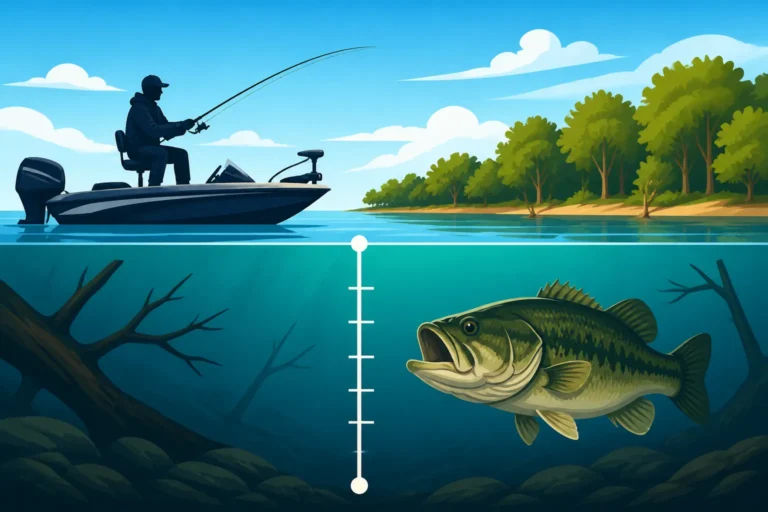
To truly find success on Lake Fork, you have to think like a bass. Their behavior is heavily influenced by a range of factors, most notably water temperature, but also light penetration, oxygen levels, and the ever-present pressure from other anglers. Lake Fork spans over 27,000 acres, meaning bass can be found from mere inches of water out to depths exceeding 70 feet, depending on the conditions.
As the seasons change, so does the bass's metabolism and their preferred habitat. In colder water, they're more lethargic, seeking stable temperatures and conserving energy, often relating tightly to structure. When the water warms up, they become far more active, chasing baitfish and moving shallower. Oxygen levels also play a crucial role, especially in the heat of summer. Bass will seek out areas where oxygen is plentiful, often near current, spring feeds, or in specific depth zones above the thermocline. And let's not forget fishing pressure; Lake Fork is popular, so bass here have seen it all. Learning to adapt your approach to these changing variables is just as important as knowing the calendar month.
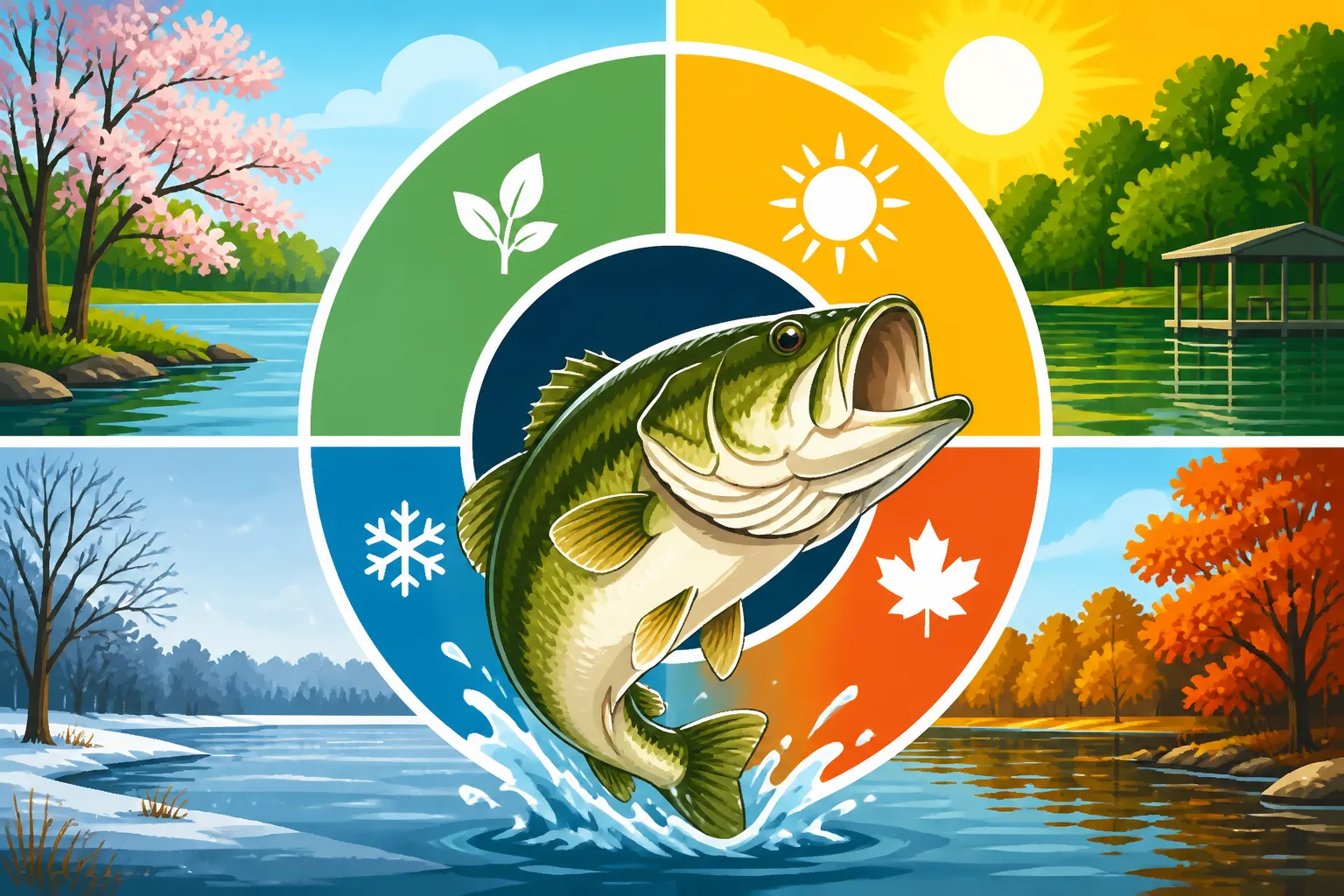
Decoding Lake Fork's Bass Seasons: A Month-by-Month Guide
While there's no single "best" time that guarantees a trophy, each season on Lake Fork offers unique opportunities and challenges. Let's break down what you can expect throughout the year.
Spring: The Pre-Spawn to Post-Spawn Explosion (March-May)
Ah, spring on Lake Fork. For many, this is the Holy Grail, the period when the biggest bass in the lake become most accessible and aggressive. It’s truly a time of transformation, from the anticipation of pre-spawn to the post-spawn recovery. This is a critical period where you can really learn How to Fish for Bass in Texas.
March: Pre-Spawn, Bass Staging, and Hungry Fish
March is electric. The water temperature starts to climb steadily after winter's chill, signaling to the bass that it's time to eat, bulk up, and get ready for the spawn. During this pre-spawn phase, bass will migrate from their deep winter haunts towards shallower staging areas near traditional spawning grounds. Think creek channels, points leading into coves, and the edges of hydrilla beds. These fish are often incredibly fat and aggressive, gorging themselves on shad and sunfish.
Your best bet here is to target these staging zones with moving baits that mimic large baitfish. Deep-diving crankbaits in shad patterns, slow-rolled spinnerbaits around timber, and football jigs crawled along the bottom are deadly. Pay close attention to changes in depth and cover. A sudden warming trend can push these fish even shallower, while a cold front can send them scurrying back to deeper comfort zones. The bite can be phenomenal, but it's also highly dependent on those temperature fluctuations.
April: Peak Spawn and the Quest for Bedding Bass
April is typically prime spawning season on Lake Fork. This is when those giant females move onto beds in shallow water, often in protected coves, along main lake points, and within the extensive hydrilla and emergent grass beds. The water temperature is usually in the 60s Fahrenheit, triggering this ancient urge. If you're interested in the specifics, you can dive deeper into Texas Largemouth Bass Spawning Months.
For many, this is the ultimate sight-fishing challenge. Spotting a big bass on a bed, whether it's an invisible depression in hydrilla or a visible sandy spot, and trying to coax a bite can be exhilarating and frustrating in equal measure. Soft plastics like lizards, creature baits, and big Texas-rigged worms in natural colors are the go-to baits. Pitching these baits accurately and patiently working them near the bed is key. However, it's crucial to remember that bedding bass are extremely vulnerable. Ethical anglers minimize stress and release these fish quickly to ensure the health of the fishery. Sometimes, a big wave of spawners will come in, and then another smaller wave, so the bite can be staggered.
May: Post-Spawn Recovery and Active Feeding
As May progresses, many of the bass have finished spawning and are in various stages of recovery. Some will still be guarding fry (baby bass), while others will be moving to slightly deeper cover, regaining their strength and feeding heavily. This post-spawn period can offer some fantastic fishing, as bass often become very aggressive.
Look for bass around the first significant break lines outside of spawning coves, submerged hydrilla edges, and isolated timber. They'll often be targeting schools of baitfish. Topwater lures like poppers and walking baits can be incredibly effective early in the morning or late in the evening. Swimbaits, both soft and hard-bodied, are excellent choices for imitating larger shad. And, of course, a good old Texas rig for bass with a big worm or creature bait is always a reliable option for probing timber and brush piles. This is a time when fish are generally spread out but actively feeding.
Summer: Battling the Heat and Finding Deep Bass (June-August)
Texas summers are no joke, and Lake Fork is no exception. The scorching heat presents a real challenge, but for those willing to adapt, there are still plenty of opportunities to catch quality bass.
June: Transition to Deeper Water and Early Morning Bites
As June arrives, the air and water temperatures continue to climb. Bass that were shallow during the spawn begin their migration to deeper, more stable environments. You’ll still find some aggressive shallow-water action early in the mornings or late in the evenings, especially around hydrilla edges and shaded boat docks, but the primary patterns start to shift offshore.
Focus on main lake points, submerged humps, and brush piles in 10-20 feet of water. Crankbaits that can reach these depths, jigs, and large Texas-rigged worms are excellent choices. Look for schools of baitfish on your electronics, as bass will often be close by. Fishing structures like the many bridges and roadbeds around the lake can also be productive as bass use them as highways and ambush points.
July-August: Toughest Months, Deep Water Strategies
These are undeniably the toughest months for bass fishing on Lake Fork due to extreme heat and often stable, high-pressure systems. The midday sun drives bass deep, and oxygen levels can become a factor in certain areas. This is when you truly need to understand How to Fish in Hot Texas Summers.
To succeed, you'll need to focus on two main approaches:
- Low Light & Shallow: Target bass in the first hour of daylight or the last hour before dark with topwaters, frogs (in heavy cover), or buzzbaits. These fish are usually relating to dense shade or thick vegetation.
- Deep Water Dominance: For the rest of the day, you'll be fishing deep. Look for thermoclines (layers of water with different temperatures) where bass will often suspend. Target main lake ledges, deep timber, humps, and submerged roadbeds in 20-35 feet of water, or even deeper. Carolina rigs, heavy football jigs, deep-diving crankbaits (like the Strike King 10XD or Norman DD22), and drop shots are your best friends. Vertically jigging spoons can also trigger bites from deep, lethargic bass. Patience and good electronics are absolutely crucial during this period.
Fall: Transition and Feeding Frenzies (September-November)
Fall is a fantastic time to be on Lake Fork, offering some of the most consistent and exciting fishing of the year as bass actively feed in preparation for winter.
September: Water Cooling and Initial Turnover
Early September can still feel like summer, but as the month progresses, the water temperatures begin to drop. This often triggers the dreaded "fall turnover" in some lakes, where the water column mixes, dispersing baitfish and bass. While Lake Fork doesn't always experience a dramatic turnover due to its structure and depth, bass will certainly be transitioning from their summer patterns.
The key is to follow the baitfish. As water cools, shad will start to school up and move shallower. Bass will often be found chasing these schools. Topwater lures, lipless crankbaits, and spinnerbaits are great for covering water and finding active fish. Don't be afraid to experiment with different depths as the bass figure out their new patterns.
October-November: Prime Feeding Frenzies and Active Bass
This is arguably one of the "best times" for consistent action on Lake Fork. The water has cooled significantly, oxygen levels are good throughout the water column, and bass are in a full-blown feeding frenzy. They are focused on bulking up for winter and will aggressively chase bait.
Look for concentrations of shad, often schooling in the backs of creeks or along main lake points. The bass will be right there with them, pushing them to the surface. Topwater action can be incredible, with walking baits and poppers drawing violent strikes. Lipless crankbaits like a Bill Lewis Rat-L-Trap or a Strike King Red Eye Shad are phenomenal for covering vast flats and hydrilla edges where shad are present. Spinnerbaits, jerkbaits, and squarebill crankbaits are also highly effective, especially around timber and shallower cover. This is a time when fish are actively moving and can be caught in a variety of ways, making it incredibly fun for anglers of all skill levels.
Winter: Challenging but Rewarding (December-February)
Winter on Lake Fork might not offer the sheer numbers of fish that spring or fall does, but it's a prime time for targeting truly giant bass if you have the patience and the right approach. These are the months when many of the biggest ShareLunkers are often caught.
December: Cold Water and Deep Structure
As December sets in, the water temperatures plummet, and bass become much more lethargic. They'll retreat to their deep winter haunts, seeking out stable temperatures and abundant cover. You'll find them tightly clustered around deep timber, creek channel bends, and submerged roadbeds.
Slow presentations are the name of the game. Jigs, particularly football jigs or big casting jigs in dark colors (black and blue, green pumpkin), are excellent for probing the dense timber and bottom structure. Slowly dragging a Carolina rig with a soft plastic lizard or worm can also entice bites. Vertically jigging spoons over deep bait balls or isolated timber can also be effective. The bites might be subtle, so pay close attention to your line and feel.
January-February: Coldest Months and Trophy Potential
These are the coldest months on Lake Fork, with water temperatures often dipping into the 40s. While the bite can be slow, these are prime months for dedicated anglers to catch that once-in-a-lifetime fish. The biggest bass in the lake often feed heavily on large forage, and if you can put a bait in front of them, they're more likely to bite than their smaller counterparts. For a deeper dive, check out tips on How to catch bass when the water is cold.
Continue to focus on the deep-water patterns from December, but be even more meticulous. Look for subtle changes in depth, isolated timber on a deep flat, or creek channel swings. Big jigs, slow-crawled magnum worms, and suspending jerkbaits worked excruciatingly slowly can be deadly. Don't overlook periods of warming trends, even minor ones, as these can trigger short windows of increased activity. Patience and persistence are your greatest allies during this challenging but ultimately very rewarding season.
Strategies for Maximizing Your Lake Fork Bass Experience
Knowing the seasonal patterns is a huge step, but truly maximizing your time on Lake Fork involves considering other dynamic factors and being prepared with the right gear.
Beyond the Calendar: Weather, Moon, and Local Knowledge
While the calendar provides a great baseline, Mother Nature doesn't always follow it precisely. Sudden cold fronts can shut down a hot bite, sending fish deeper and making them finicky. Conversely, a prolonged warming trend in winter or a cloudy day in summer can activate fish. Understanding How barometric pressure affects fishing can also give you an edge.
Moon phases also play a significant role, particularly around the full and new moons, which can often correlate with increased feeding activity. Many anglers swear by fishing during these periods. Keep an eye on local fishing reports for Lake Fork. They provide real-time conditions and patterns that can be invaluable. Websites and local bait shops are great resources.
Perhaps the most valuable resource, however, is local knowledge. Hiring a seasoned guide for a day, especially on your first few trips, can dramatically shorten your learning curve. A good guide knows the lake's ever-changing moods, the hot spots, and the best techniques for the current conditions. Services like FishingBooker are fantastic for finding experienced Lake Fork bass fishing guides and charters who can put you on fish and teach you the ropes. They can pinpoint the exact locations and methods that are working best right now.
Gear Up for Success: Essential Tackle for Lake Fork
Lake Fork bass are often big, strong fish living in dense cover, so your gear needs to be up to the task. Don't skimp on quality, especially when targeting these powerful fish.
Your rod and reel setup should be robust. For most applications, a medium-heavy to heavy action casting rod, 7 to 7.5 feet in length, paired with a reliable baitcasting reel with a good drag system, is ideal. For specific techniques like frogging in thick mats, you might even want an extra-heavy rod. If you're looking for recommendations, consider checking out the Best rod and reel setup for Texas bass fishing.
Line choice is critical on Fork. Many anglers opt for 15-20 lb fluorocarbon for jigs, Carolina rigs, and crankbaits due to its low visibility and sensitivity. When fishing heavy cover or punching mats, braided line (50-65 lb test) is almost a necessity for its strength and abrasion resistance.
As for lures, your tackle box should be well-stocked for the various seasons. Here's a quick rundown:
- Jigs: Flipping jigs (1/2 to 1 oz), football jigs (3/4 to 1.5 oz), swim jigs.
- Soft Plastics: Large Texas-rigged worms (10-14 inches), creature baits, lizards, senkos, swimbaits (flukes). Don't forget to learn How to fish a Texas rig for bass for effectively navigating Lake Fork's timber.
- Crankbaits: Squarebills for shallow cover, medium-divers for hydrilla edges, and deep-divers (like the Strike King 10XD) for offshore structure.
- Topwaters: Walking baits (Spook, Zara Puppy), poppers, frogs, buzzbaits.
- Spinnerbaits: 1/2 to 1 oz, in shad and chartreuse patterns.
- A-Rigs: Especially popular in colder water for targeting schools of bass.
It’s all about having the versatility to match the conditions, whether you're probing deep timber or casting over hydrilla mats.
| Season | Primary Bass Location | Recommended Lures/Techniques | Key Factors |
|---|---|---|---|
| Spring | Shallow coves, creek channels, hydrilla edges (staging & spawning) | Jigs, crankbaits, spinnerbaits, soft plastics (lizards, worms), sight fishing | Water temp (50-70°F), moon phase, stable weather |
| Summer | Deep ledges, humps, timber, hydrilla edges (early/late) | Deep crankbaits, Carolina rigs, jigs, drop shots, topwater (low light) | High heat, oxygen levels, early/late bites |
| Fall | Around schooling baitfish, main lake points, hydrilla flats | Topwater, lipless crankbaits, spinnerbaits, jerkbaits, swimbaits | Cooling water, baitfish migration, active feeding |
| Winter | Deep timber, creek channel bends, humps, roadbeds | Jigs, slow-rolled spinnerbaits, spoons, suspending jerkbaits, big worms | Cold water (40-50°F), slow presentations, trophy hunt |
Disclaimer
The information provided in this guide is for general informational purposes only. Fishing regulations, conditions, and fish behavior can change. Always consult the latest regulations from the Texas Parks and Wildlife Department (TPWD) before fishing. Stay safe on the water, be aware of weather conditions, and practice ethical angling by respecting catch limits and practicing catch-and-release, especially for trophy bass.