Best spring fishing spots in Texas
Oh, spring in Texas! It’s that magical time of year when the weather starts to warm up, the flowers are blooming, and the fish, well, they really start to get active. But with so many incredible lakes, rivers, and coastal waters across our vast state, it can feel a bit overwhelming trying to figure out where to cast your line for the best spring action. If you’re wondering where to find those hungry fish as the season turns, this guide is here to help you navigate the best spring fishing spots in Texas, covering everything from trophy bass to feisty speckled trout.
Freshwater Hotspots for Spring Bass Fishing
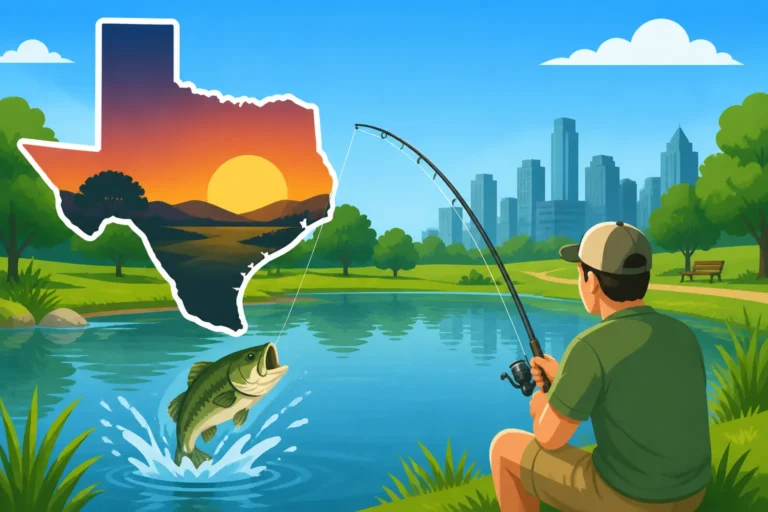
Spring is undeniably prime time for bass fishing in Texas. Those big largemouth bass are getting ready to spawn, are actively spawning, or have just finished, making them more aggressive and predictable than almost any other time of year. Knowing where to go can make all the difference, and thankfully, Texas has no shortage of legendary bass lakes that truly shine when the dogwoods start to bloom.
Lake Fork: Trophy Bass Capital
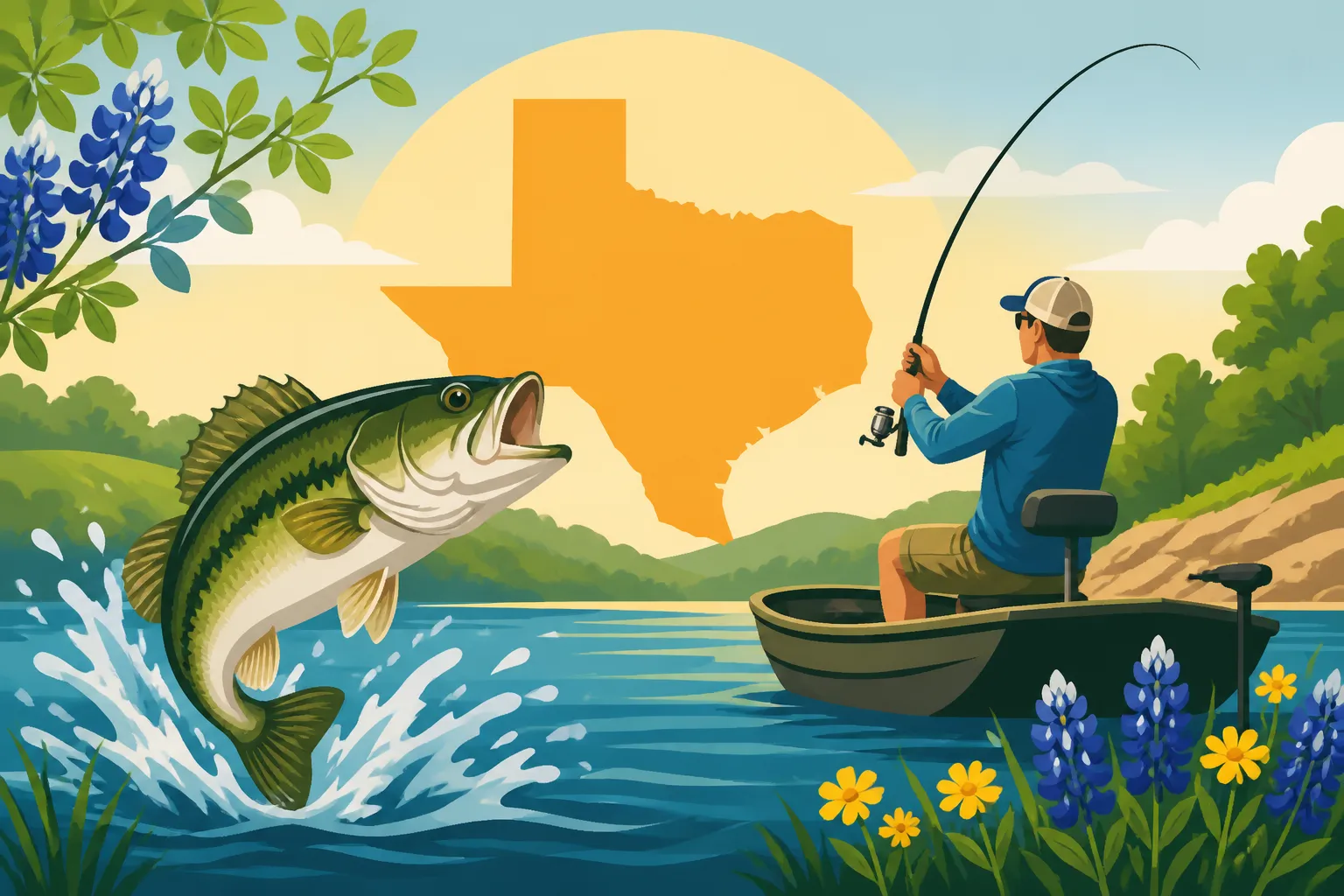
When you talk about trophy bass in Texas, Lake Fork almost immediately comes to mind, and spring is when this East Texas gem really lives up to its reputation. As water temperatures climb into the 50s and 60s, these giant bass start their pre-spawn ritual, moving from deep winter haunts to shallower staging areas. You'll find them congregating around creek channels, points, and humps adjacent to spawning coves. Once the water hits that magic 60-65 degree mark, usually mid-March through April, they move into the shallow protected coves and pockets to build nests.
Anglers targeting Lake Fork in spring often have success with big swimbaits, jerkbaits, and crankbaits during the pre-spawn. As the bass transition to the actual spawn, flukes, Senkos, and creature baits pitched to visible beds can be incredibly effective. Don't forget jigs around brush piles and docks as well; these big fish love cover. It's not uncommon to see multiple double-digit bass caught here each spring, making it a bucket-list destination for many. If you’re chasing a true monster for the Texas ShareLunker Program Explained, Lake Fork is your best bet during these months.
Sam Rayburn Reservoir: Consistent Action and Big Fish
Another East Texas powerhouse, Sam Rayburn Reservoir, offers incredible spring fishing that appeals to anglers of all skill levels. "Big Sam," as it's affectionately known, is a vast lake with abundant timber, hydrilla, and creek channels that provide excellent habitat for largemouth bass. In the spring, just like Lake Fork, the bass here follow a predictable pattern. They'll start pushing shallower in February and March, hitting those main lake points and secondary points leading into spawning flats.
The spawn typically kicks off a bit earlier in the southern parts of the lake and progresses northward. You'll find bass in pockets and coves, often around cypress trees and submerged grass beds. Topwater lures, spinnerbaits, and lipless crankbaits are phenomenal when bass are actively feeding in the pre-spawn and post-spawn phases. During the spawn itself, sight-fishing with soft plastics and jigs can yield impressive results. The sheer size and diversity of Sam Rayburn mean there's always a new spot to explore, and the consistent production of good-sized bass makes it a perennial spring favorite. Many anglers even book guides through services like FishingBooker to help navigate the best spring patterns on this massive body of water.
Toledo Bend Reservoir: Shared Waters, Shared Success
Straddling the Texas-Louisiana border, Toledo Bend Reservoir consistently ranks as one of the top bass lakes in the nation. Spring here is nothing short of spectacular, offering anglers a chance to catch truly immense bass. This reservoir is known for its vast expanses of submerged timber, hydrilla, and numerous creek arms, all of which become crucial in the spring migration of bass.
The pre-spawn movement usually starts in late February, with bass staging on offshore humps and points before moving into shallower coves and pockets. Crankbaits, jerkbaits, and Carolina rigs work wonders during this phase, especially in areas with hydrilla lines. When the bass move onto their beds, usually from March through April, the sheer number of shallow water spawning areas on Toledo Bend is incredible. Soft plastics like lizards, worms, and creature baits become go-to choices for pitching to visible beds. Post-spawn, the fish often retreat to slightly deeper hydrilla edges or submerged timber, where topwater frogs and buzzbaits can provoke explosive strikes. Remember that Toledo Bend Bass Fishing Spots often require navigating timber, so proper boat handling is key.
Other Freshwater Gems in Spring
While bass tend to steal the spring spotlight, Texas's diverse freshwater environments offer fantastic opportunities for other species. From schooling white bass to slab crappie and hefty catfish, there's a spring bite for everyone.
White Bass Runs: River and Lake Action
The annual white bass run is a rite of passage for many Texas anglers, signaling the official start of spring. These energetic fighters migrate upstream from their main lake bodies into rivers and creeks to spawn, creating incredible fishing opportunities. The timing varies slightly by region and water temperature, but generally kicks off in late February and continues through March and sometimes into April.
The Trinity River is legendary for its white bass run, with thousands of fish pushing upstream from Lake Livingston. Other popular rivers include the Brazos, Colorado, and Neches. Anglers can target them from the bank or small boats, using small spinnerbaits (like a Rooster Tail), tiny crankbaits, or jigs in white, chartreuse, or silver. The key is to find those schooling fish, often in deeper bends or pools below rapids. You'll also find excellent white bass action in lakes like Lake Texoma and Lake Whitney, where they will school up on main lake points and humps as well as run into the inflowing creeks. For those looking to join the fun, understanding the Texas White Bass Run Timing is essential for a successful trip.
Crappie: Shallow Water Slabs
Spring is also a phenomenal time to target crappie in Texas. As water temperatures warm, these tasty panfish move out of their deeper winter haunts and into shallower waters to spawn. They'll typically relate to brush piles, submerged timber, standing timber, boat docks, and even rocky banks in coves and pockets. This shallow movement makes them much easier to locate and catch, especially for bank anglers or those in smaller boats.
Lakes like Lake Palestine, Cedar Creek Reservoir, and even Lake Fork offer outstanding spring crappie fishing. Look for water depths of 3-10 feet, often around newly emerging vegetation or any kind of submerged structure. Small jigs (1/32 to 1/16 ounce) in chartreuse, white, or black-and-chartreuse are perennial favorites, tipped with minnows if you want to increase your odds. Spider rigging or single pole jigging around brush piles can produce limits of "slab" crappie. Many families enjoy crappie fishing in the spring because the action can be fast-paced, making it perfect for introducing kids to the joys of fishing.
Catfish: Awakening Giants
Don't overlook catfish in the spring! As the water warms, channel catfish, blue catfish, and flathead catfish all become much more active. They'll start to move into shallower areas to feed heavily before their own spawning season, which typically occurs a bit later in late spring or early summer.
Channel catfish are abundant in almost every Texas lake and river. In spring, they can be found cruising shallow flats, creek channels, and around structural elements like brush piles. Punch baits, cut bait, or even chicken livers are highly effective for channels. For blue catfish, look for them around main lake points, humps, and creek channels, often transitioning from deeper water to shallower feeding areas. Cut shad or carp are prime baits for blues. Flatheads, the ambush predators, will be found around heavy cover like log jams, standing timber, or rocky crevices in rivers and larger lakes. Live sunfish or perch are almost always the best bait for these solitary giants. Spring can offer some of the best opportunities to hook into a truly large blue or flathead catfish as they become more active. If you're wondering How to Catch Catfish in Texas, spring is an ideal time to put those techniques into practice.
Coastal Spring Fishing Opportunities
While freshwater fishing gets a lot of attention in the spring, the Texas Gulf Coast truly comes alive as well. The milder temperatures, clearer waters, and increasing baitfish activity make it a fantastic time for saltwater anglers to target redfish, speckled trout, and flounder in the bays and nearshore waters.
Speckled Trout and Redfish in the Bays
The expansive bay systems along the Texas coast — think Galveston Bay, Matagorda Bay, Aransas Bay, and Corpus Christi Bay — offer incredible spring fishing for speckled trout and redfish. As winter's chill fades and water temperatures rise into the 60s and 70s, these game fish become more active and move onto shallow flats, grass beds, and oyster reefs to feed.
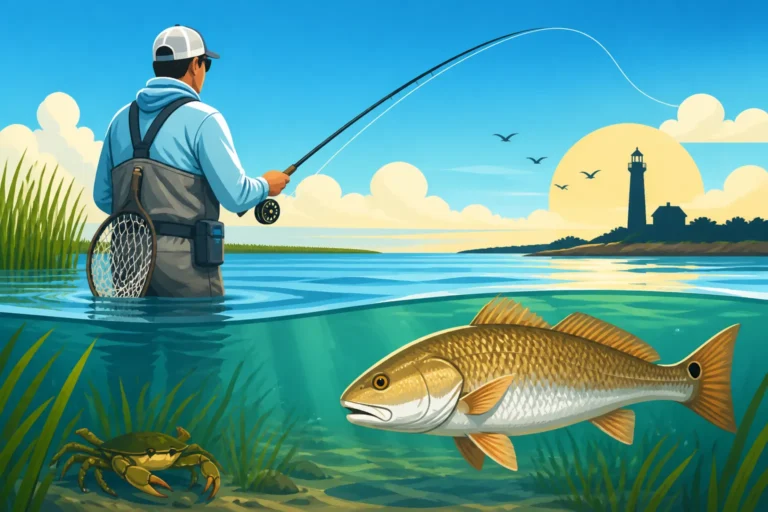
Anglers targeting speckled trout will find success with a variety of lures. Soft plastics, such as those from MirrOlure or Down South Lures, rigged on a 1/8 to 1/4 ounce jighead are incredibly versatile. Topwater lures can be absolutely explosive during low light conditions in the early morning or late evening. Look for trout holding near baitfish schools or around the edges of grass beds. Redfish, known for their powerful fights, will often be found tailing in super shallow water on the flats, rooting for crabs and shrimp. Gold spoons, weedless soft plastics, and live shrimp are excellent choices for redfish. Wade fishing or fishing from a kayak are popular and highly effective ways to pursue these species in the spring. You can often find experienced local guides through platforms like FishingBooker who specialize in spring wade fishing for these prized catches.
Flounder Migration and Nearshore Action
While the peak flounder run is in the fall, spring still offers excellent opportunities to target these delicious flatfish as they move back into the bays from offshore spawning grounds. You'll find them ambushing baitfish around sandy bottoms, channel edges, and structure like jetties and rock piles.
Live bait, particularly mud minnows or finger mullet, fished on a Carolina rig, is a classic and highly effective method for flounder. Jigging with soft plastics that mimic baitfish or shrimp can also produce strikes. Spring flounder fishing often means focusing on the mouths of passes, tidal guts, and areas where currents create ambush points. The conditions can be more pleasant than the extreme heat of summer, making spring an enjoyable time to target flounder. While you don't need a special license for this specific species, it's always good to be aware of Texas Flounder Season and Limits which can sometimes have unique regulations.
Here's a quick overview of some top spring fishing spots and their prime targets:
| Fishing Spot | Primary Target Species (Spring) | Best Techniques (Spring) | Key Features / Notes |
|---|---|---|---|
| Lake Fork | Largemouth Bass | Swimbaits, Jigs, Soft Plastics | Trophy bass potential, abundant timber and hydrilla. |
| Sam Rayburn Reservoir | Largemouth Bass, Crappie | Crankbaits, Spinnerbaits, Jigs, Minnows | Vast, diverse cover, consistent bass and crappie. |
| Toledo Bend Reservoir | Largemouth Bass | Jerkbaits, Soft Plastics, Topwater | National top-tier bass lake, extensive timber. |
| Trinity River (upstream) | White Bass | Small Jigs, Spinnerbaits | Legendary white bass run, bank and small boat access. |
| Lake Palestine | Crappie, Largemouth Bass | Jigs, Minnows, Worms | Excellent crappie in brush, good bass. |
| Galveston Bay System | Speckled Trout, Redfish, Flounder | Soft Plastics, Topwaters, Live Bait | Shallow flats, oyster reefs, jetties, wade fishing. |
| Matagorda Bay System | Redfish, Speckled Trout | Spoons, Soft Plastics, Live Shrimp | Diverse bay complex, great for wade or kayak fishing. |
Maximizing Your Spring Fishing Success
Spring can be a tricky time because conditions can change rapidly. One day it's warm and sunny, the next a cold front rolls through, dropping temperatures and making the fish finicky. Being prepared for these shifts is part of the Texas fishing experience!
Watching the Weather and Water Conditions
Pay close attention to frontal systems. Bass and other species will often feed aggressively before a cold front, then become much harder to catch immediately after. Rising water temperatures are usually a good sign, indicating fish will be moving shallower and becoming more active. Look for stable weather patterns for the most consistent bite. For river runs, water flow and clarity are crucial – too much rain can blow out a river, making fishing difficult, while stable flows are ideal.
Wind can also play a huge role, especially on large reservoirs or bays. A light to moderate chop can be beneficial, creating a "walter's table" effect that makes fish less wary and helps break up your boat's silhouette. However, strong winds can make boat control difficult and muddy up shallow areas. Always check the forecast before heading out, and consider booking a guide through a reputable service like FishingBooker who can help you navigate changing conditions.
Strategic Location Choices
Think about the specific phases of the spawn for your target species. Are the bass pre-spawn, actively spawning, or post-spawn? This will dictate whether you target deeper staging areas, shallow protected coves, or slightly deeper cover after they've spawned. For saltwater, incoming and outgoing tides are critical for moving water and actively feeding fish, especially around guts, passes, and points. Knowing how Best Tides for Fishing Texas Bays can significantly improve your chances.
Consider the type of cover available. Spring fish, particularly bass and crappie, will relate heavily to cover: submerged timber, hydrilla, lily pads, boat docks, brush piles, and rocky structure. In saltwater, grass flats, oyster reefs, and scattered shell are key. Finding these elements in conjunction with favorable water temperatures and depth will put you in the strike zone. Don't be afraid to move around and experiment with different depths and covers until you find active fish.
Disclaimer
Fishing conditions and regulations in Texas can change. Always check the latest proclamations from the Texas Parks and Wildlife Department (TPWD) before you head out. This guide provides general information and recommendations, but it is your responsibility to be aware of and comply with all current fishing laws and license requirements.