How far is Lake Fork from Dallas
Navigating the sprawling landscape of North Texas to get to your favorite fishing spot can sometimes feel like half the battle, especially when you're itching to get your line in the water. For many anglers in Dallas, the burning question isn't if they'll head to Lake Fork, but how long that drive is going to take. This guide will meticulously break down the typical distance and travel time from Dallas to Lake Fork, offer strategic advice for your journey, and explain why this legendary lake is absolutely worth the drive.
The Straight Scoop: Distance and Drive Time to Lake Fork
Let's get right to it because when you've got a bass boat hooked up or your tackle box is brimming with anticipation, every minute counts. Lake Fork, often hailed as Texas's premier trophy bass lake, isn't right on Dallas's doorstep, but it's certainly not an insurmountable trek either. It's perfectly positioned for a day trip or a weekend getaway, making it incredibly accessible for those living in the DFW metroplex.
Miles and Minutes: What to Expect on the Road
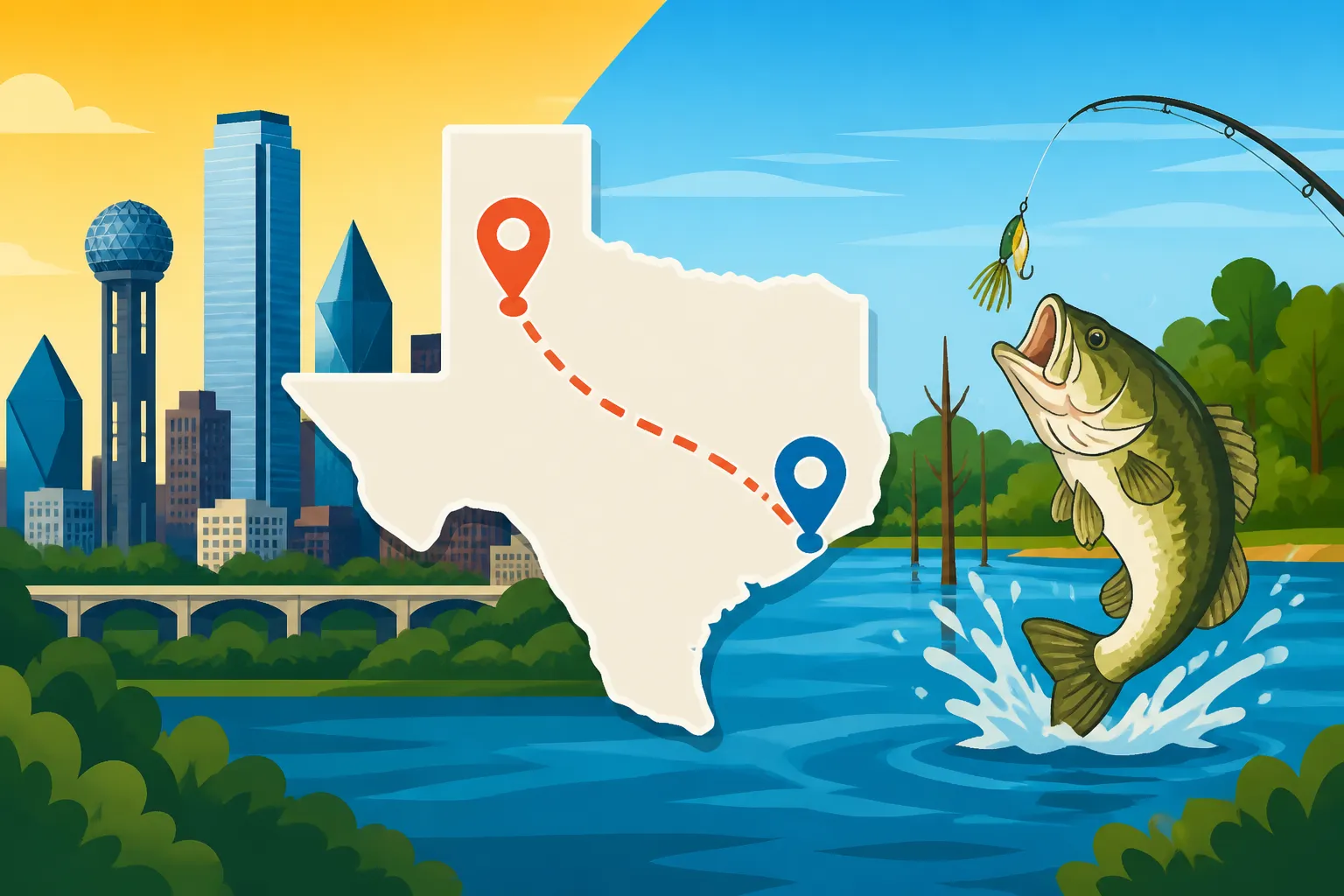
Typically, Lake Fork is located about 80 to 90 miles east of downtown Dallas. Now, "miles" is one thing, but "minutes" is what truly matters when you're planning your morning departure. On average, you're looking at a drive time of anywhere from 1 hour and 30 minutes to 2 hours, depending heavily on which part of Dallas you're starting from and, crucially, the time of day you hit the road.
Imagine you're leaving from North Dallas, say near Plano or Frisco; your journey might be a tad shorter, perhaps closer to the 1 hour 15 minutes mark once you clear the initial suburban sprawl. However, if you're coming from the southern parts of Dallas or even Fort Worth, you'll need to factor in additional time to navigate through the city before you even hit the main highways heading east. Weekday mornings, when Dallas traffic is notorious, can easily add an extra 30-45 minutes to your trip, pushing you well past the two-hour mark. It's not just about the distance; it's about the flow of traffic on those key arteries like I-30 or US-80 that determines your actual arrival time. Planning your departure to avoid peak rush hours is perhaps the single most important tip for a smooth drive to the lake.
Navigating the North Texas Landscape
The drive itself is quite straightforward, primarily involving major highways that transition into smaller, more scenic state routes as you approach the lake. You'll typically start on I-30 East out of Dallas, which is a major interstate that can be congested during peak times. As you get further east, past towns like Garland and Rockwall, the traffic usually thins out, and the landscape begins to shift from urban sprawl to more rural settings.
From I-30, you'll often take an exit onto a state highway like TX-19 or TX-154, which will lead you directly to the various boat ramps and access points around Lake Fork. These state highways are well-maintained two-lane roads that wind through small Texas towns and past endless pastures. This part of the drive is usually the most pleasant, offering a chance to unwind and mentally prepare for a day of fishing. While the route is generally easy to follow, it’s always a good idea to have a GPS or map application running, especially if you have a specific ramp or marina in mind. There are many nooks and crannies around Lake Fork, and getting to your desired spot requires a little local knowledge or good navigation. You don't want to accidentally end up on the wrong side of the lake when your guide is waiting!
Planning Your Trip: Making the Most of Lake Fork's Proximity
Knowing the distance is just the first step. To truly enjoy your fishing expedition to Lake Fork, you need to plan effectively. This means considering your route, potential stops, and how to best utilize the time you have on and off the water. The relatively short distance from Dallas makes Lake Fork an ideal destination for various trip lengths, from an ambitious dawn-to-dusk day trip to a relaxed long weekend.
Route Options and Traffic Considerations
While I-30 East is the most common and often the fastest route, it's not the only way to get to Lake Fork. Depending on your exact starting point in Dallas and current traffic conditions, alternatives might save you time or offer a more scenic drive.
One common alternative involves taking US-80 East, especially if you're starting from south or southeast Dallas. This route tends to be less congested than I-30, particularly on weekends. It runs parallel to I-30 for a good portion of the journey and eventually merges or connects with other state highways that lead to Lake Fork. It might add a few miles to your total distance, but if I-30 is gridlocked, the smoother flow of traffic on US-80 could easily make up for it in terms of time. Before you even pull out of your driveway, checking real-time traffic updates via navigation apps like Google Maps or Waze is highly recommended. These apps can often suggest the quickest route based on current conditions, saving you considerable frustration and precious fishing time. Remember, the journey isn't just about getting there; it's about getting there stress-free and ready to fish.
| Route Option | Typical Starting Point | Primary Highways | Estimated Distance (miles) | Estimated Drive Time (no traffic) | Key Considerations |
|---|---|---|---|---|---|
| Option 1 (Most Common) | Downtown/North Dallas | I-30 E, TX-19 N/S | 80-90 | 1 hr 30 min – 1 hr 45 min | Heavily trafficked I-30 during rush hours; direct. |
| Option 2 (Alternative) | South/Southeast Dallas | US-80 E, TX-34 N/S | 85-95 | 1 hr 45 min – 2 hr | Less congested than I-30; slightly longer. |
| Option 3 (Northern Approach) | North Dallas/Plano | US-75 N, TX-121 E, TX-69 S | 90-100 | 1 hr 45 min – 2 hr | Avoids some I-30 traffic; more winding country roads near lake. |
Essential Stops Along the Way
Even a relatively short drive can warrant a quick stop. For many anglers, the journey is also a chance to grab last-minute supplies, stretch their legs, or fuel up. As you head east, you'll pass through several small towns that offer convenient amenities. Terrell, for instance, is a common stop along I-20 (which is slightly south of the main I-30 route but often used in conjunction). It has plenty of gas stations, fast-food restaurants, and even some bait shops if you need to top off your live bait supply.
Closer to the lake, towns like Emory and Quitman offer smaller, more local options. These are great places to pick up a morning coffee or a quick breakfast taco from a local spot, supporting small businesses while you're at it. You might even stumble upon a hidden gem of a tackle shop with some unique local insights or specialized lures for Lake Fork. Taking a moment to stretch your legs and grab a snack can make a significant difference in your comfort and alertness, ensuring you arrive at the lake refreshed and ready for an exciting day of fishing. Don't forget to check your boat trailer's tires and lights, especially if you're hauling a rig a long distance.
Why Anglers Flock to Lake Fork from Dallas and Beyond
The popularity of Lake Fork among Dallas anglers isn't just about its manageable distance. It's about the legendary fishing experience it consistently delivers. This isn't just another pretty lake; it's a bucket-list destination for anyone serious about freshwater fishing in Texas, particularly for those targeting monster bass.
Lake Fork's Legendary Status for Bass Fishing
Let's be real: Lake Fork isn't just famous for its bass; it's practically synonymous with trophy largemouth bass. Since its impoundment in 1980, this 27,000-acre reservoir has been meticulously managed by the Texas Parks and Wildlife Department (TPWD) to foster a world-class fishery. Strict slot limits, catch-and-release programs for larger fish, and regular stockings have cultivated a population of bass that routinely breaks state records. It holds the state record for largemouth bass, a colossal 18.18-pound specimen caught in 1992, and continues to produce ShareLunker-class fish year after year. For anyone dreaming of catching a true giant, Lake Fork Bass Fishing Hot Spots are where you need to be.
The lake's structure is another key factor. It was purposefully designed with abundant submerged timber, creek channels, roadbeds, and vast hydrilla beds, creating an incredibly rich habitat for bass. This diverse underwater landscape provides endless opportunities for anglers to explore different techniques, whether you're flipping heavy cover, throwing crankbaits over offshore humps, or working a Texas rig through brush piles. The challenge and reward of fishing these complex structures are what keep anglers coming back. It’s a place where every cast holds the potential for a personal best, making the drive from Dallas feel insignificant in comparison to the thrill of a screaming reel. If you're looking for more general tips, our comprehensive Texas Largemouth Bass Fishing Guide has you covered.
Beyond the Bass: Other Species and Activities
While largemouth bass are undoubtedly the main draw, Lake Fork offers a fantastic fishing experience for other species as well. If you're taking a family trip or simply want to diversify your catch, you won't be disappointed. Crappie fishing, particularly in the cooler months, can be excellent around the lake's abundant standing timber and brush piles. Anglers often pull in respectable slabs using small jigs or minnows. Catfish are also plentiful, with both channel catfish and blue catfish growing to impressive sizes, especially in the deeper channels. Even sunfish, like bluegill and redear, offer a fun and accessible target for younger anglers or those looking for a more relaxed outing.
Beyond fishing, Lake Fork and the surrounding areas provide a laid-back East Texas experience. Many marinas offer boat rentals, and the lake itself is popular for pleasure boating and kayaking when not fishing. The small towns like Emory and Quitman provide a taste of rural Texas charm, with local diners and antique shops. It’s a great place to unwind, breathe in the fresh air, and escape the hustle and bustle of Dallas, even if just for a day. Whether you're a seasoned angler or a beginner, there's always something to appreciate about the natural beauty and angling opportunities around Lake Fork. If you're considering other options, you might also be interested in our guide to the Best Places to Fish in Texas.
Maximizing Your Lake Fork Experience with Local Expertise
Making the most of your drive from Dallas means maximizing your time on the water, and often, that comes down to local knowledge and preparedness. From hiring a seasoned guide to knowing what gear to pack, a little foresight goes a long way in ensuring a memorable trip.
Finding the Right Guide and Accommodations
For many anglers traveling to Lake Fork, especially those new to the lake or seeking to maximize their chances of a trophy catch, hiring a professional fishing guide is invaluable. A good guide knows the lake intimately – where the fish are hiding, what baits they're hitting, and how changing weather patterns affect their behavior. They can save you countless hours of searching and experimenting, often putting you on fish almost immediately. Many experienced guides operate on Lake Fork, specializing in largemouth bass, and they come equipped with top-of-the-line boats and electronics.
If you’re looking to book a guided trip, consider using platforms like FishingBooker. They offer a wide selection of local guides, complete with reviews, trip details, and booking options, making it easy to find an experienced professional who can cater to your specific fishing goals. This can transform your drive from Dallas into a direct path to success, rather than a hopeful venture into unfamiliar waters. For overnight stays, there are numerous options ranging from rustic fishing cabins at marinas to more comfortable lodges and Airbnb rentals in nearby towns. Booking accommodations in advance, especially during peak fishing seasons like spring, is always a wise move. You can find detailed information on the lake and its specific fishing patterns in our comprehensive Lake Fork Fishing Guide.
Gear Up and Get Ready for the Big One
No matter how far you're driving, showing up prepared with the right gear is crucial. For Lake Fork, this typically means a good selection of heavy-duty bass tackle. Think sturdy rods capable of handling powerful largemouth, reels with smooth drags, and line strong enough to pull fish out of thick cover. Topwater lures, crankbaits, jigs, and a variety of soft plastics are all staples for success on this lake. Don't forget essentials like a wide-brimmed hat, polarized sunglasses, sunscreen, and plenty of water – Texas weather can be unpredictable, and summer days can get intensely hot.
Beyond your tackle, ensure your boat (if you're bringing one) is in top shape, with all safety equipment onboard and properly functioning. Check your trailer tires, lights, and bearings before you leave Dallas, as roadside breakdowns are the last thing you want on your fishing trip. If you're a bank angler, make sure your Beginner Fishing Gear Checklist for Texas includes essentials for comfortable shore fishing, such as a sturdy rod and reel, an assortment of baits, a tackle box, and a comfortable chair. Even though the drive is manageable, being prepared means you can focus entirely on the fishing once you arrive, making every mile from Dallas truly worth it.
Disclaimer
Please note that fishing regulations, conditions, and best practices can change. Always consult the latest Texas Parks and Wildlife Department (TPWD) regulations before your trip to ensure compliance. This guide is for informational purposes only and does not constitute professional advice.