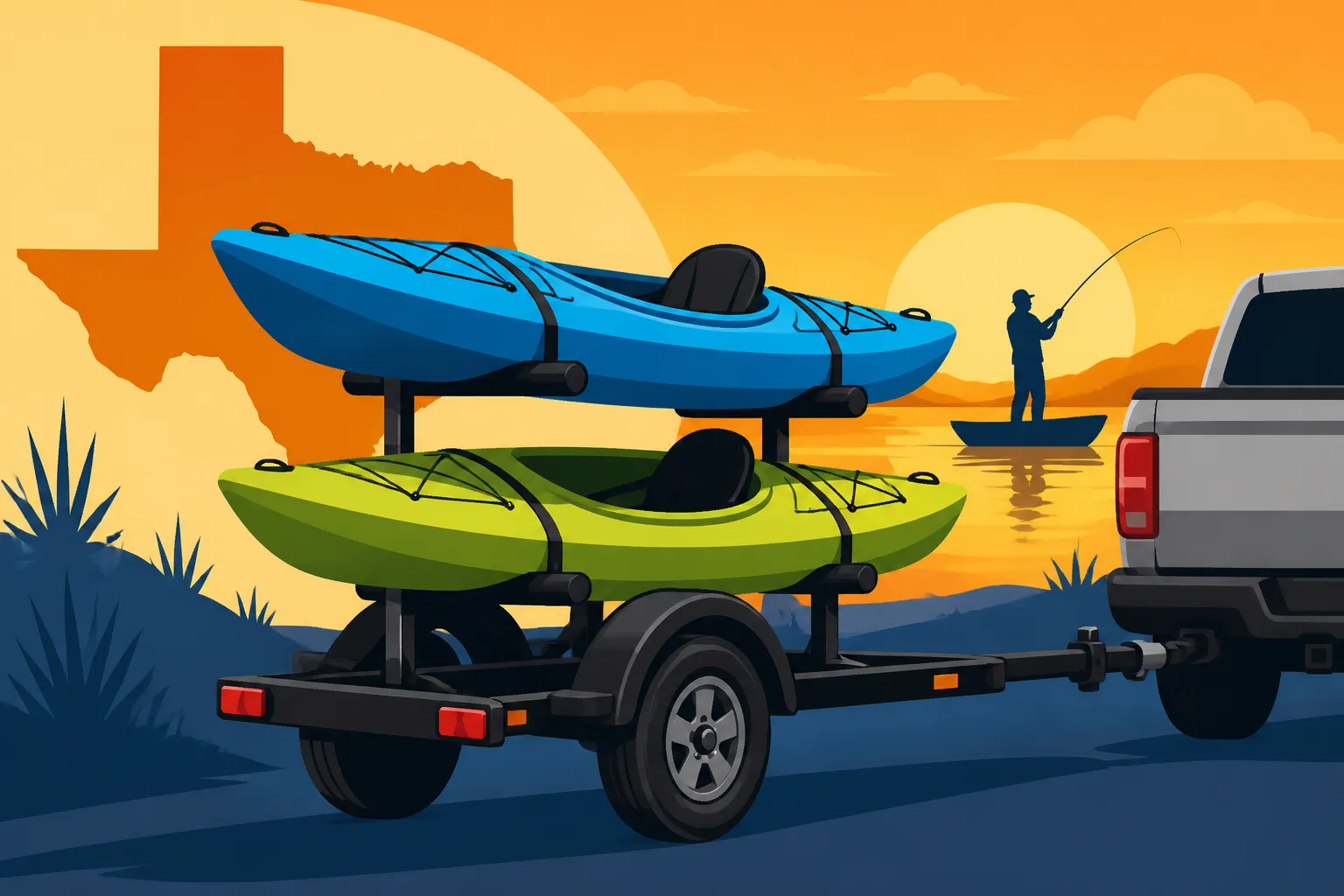
Best trailer for hauling two kayaks
Hauling kayaks, especially two of them, can be a real headache for many Texas anglers. You spend all that time planning your trip to Lake Texoma Fishing Guide or the coast, only to dread the loading and unloading gymnastics that come with roof racks or stuffing them precariously into a truck bed. This guide is here to help you navigate the world of kayak trailers, specifically focusing on how to find the best setup to comfortably and safely haul two kayaks, making your trips to the water much smoother.
Why a Dedicated Kayak Trailer Makes Sense for Texas Anglers
Let's be real, we've all been there. You're eager to hit the water, but the thought of wrestling two kayaks onto your vehicle can sometimes feel like a workout before you even start paddling. For many Texas anglers, a dedicated kayak trailer transforms this dreaded chore into a simple, efficient process, especially when you're planning regular trips to our beautiful lakes, rivers, or bays.
The Frustration of Roof Racks and Truck Beds
Roof racks seem like a convenient solution at first glance, but they come with a slew of frustrations, particularly when dealing with two kayaks. First, there's the sheer physical effort. Lifting two bulky kayaks, especially larger fishing kayaks, over your head and onto a roof rack is a recipe for back strain and scratched paint. Imagine doing that in the sweltering Texas summer heat after a long day of fishing – it's exhausting just thinking about it. Then there's the aerodynamic drag. Hauling kayaks on your roof can significantly impact your fuel economy, turning a short trip into a more expensive one, not to mention the added wind noise that can make for a less pleasant drive down I-35 or along Highway 87. You also have to worry about the integrity of your straps and the security of your kayaks, especially at highway speeds. One strong gust of wind or an improperly secured boat can quickly turn a fun outing into a roadside emergency.
As for truck beds, while seemingly more straightforward, they often fall short when you're trying to haul two kayaks, especially longer ones. Unless you have an extra-long bed, your kayaks will likely hang far out the back, requiring flags and careful driving. This can also limit the amount of additional gear you can bring, like coolers, tackle boxes, or camping equipment, which usually means more creative packing or leaving essential items behind. Plus, loading and unloading from the bed, especially heavier kayaks, can still be awkward and potentially lead to damage to your truck or your boats. It just never feels quite as secure or as easy as it should be, leaving you constantly checking your rearview mirror.
Convenience and Protection on Texas Highways
A dedicated kayak trailer, designed to carry one or more boats, solves so many of these problems. The primary benefit is the ease of loading and unloading. Instead of lifting kayaks overhead, you're usually sliding them on at waist height or even lower, which is a huge relief for your back. This makes solo trips much more feasible and reduces the setup time significantly, getting you on the water faster. Think about those early morning launches at Lake Fork Fishing Guide – every minute saved is precious.
Beyond convenience, a trailer offers superior protection for your valuable kayaks. Away from the direct blast of highway wind and road debris, your boats are less likely to suffer wear and tear, dings, or scratches from gravel and bugs. This is especially true for the long hauls across Texas to places like Padre Island or the vast reservoirs in East Texas. The kayaks are often cradled on bunks or padded crossbars, distributing weight evenly and preventing pressure points that can warp plastic hulls over time. Plus, many kayak trailers offer additional space or racks for securing extra gear, allowing you to bring everything you need for an extended fishing trip without overcrowding your vehicle. It truly offers peace of mind, knowing your gear is safe, secure, and ready to go when you arrive.
Key Features to Look for in a Two-Kayak Trailer
When you're ready to invest in a kayak trailer, you'll quickly realize that not all trailers are created equal. For hauling two kayaks, there are some specific features that will make your life significantly easier and ensure the longevity and safety of your gear on Texas roads.
Capacity and Construction: Built for Two
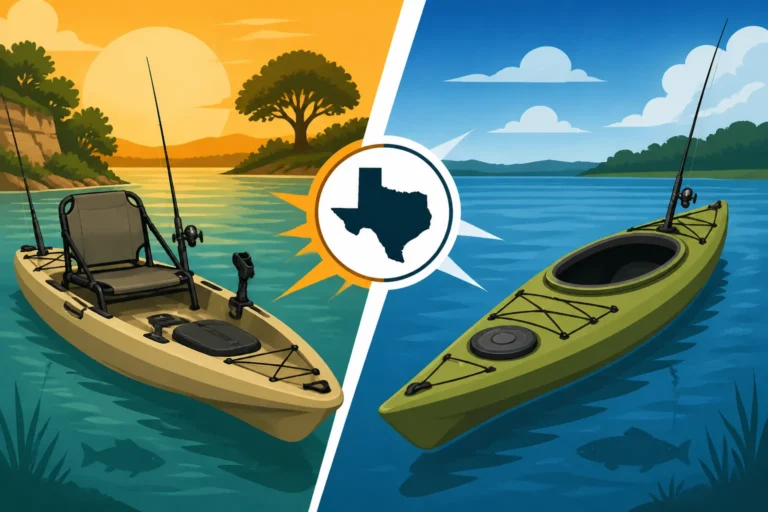
The first thing to consider is the trailer's fundamental capacity and construction. You'll need a trailer specifically designed or easily adaptable for carrying two kayaks. Look for a sturdy frame, typically made from galvanized steel or aluminum. Galvanized steel offers excellent durability and corrosion resistance, which is crucial if you plan to fish coastal waters or frequently launch in brackish environments. Aluminum trailers are lighter, making them easier to tow and maneuver, and also naturally resistant to rust. Many trailers designed for kayaks will feature adjustable crossbars or bunks. These are essential for customizing the fit to your specific kayaks, whether you're hauling two large fishing kayaks like Hobie Pro Anglers or a pair of sleeker recreational models. Ensure the crossbars are wide enough or can extend to accommodate the beam (width) of both your kayaks side-by-side, or stacked if the design allows.
Also, pay close attention to the gross vehicle weight rating (GVWR) of the trailer. This tells you the maximum combined weight of the trailer and its cargo it can safely handle. Make sure this rating comfortably exceeds the weight of your two kayaks plus any gear you plan to store on the trailer. A good rule of thumb is to allow for some extra capacity. The tongue length is another often-overlooked feature; a longer tongue can provide better stability at highway speeds and make backing up a bit easier, which is a huge plus when maneuvering in tight boat ramps or campgrounds. You can find robust options from online retailers like Amazon or explore dedicated brands often stocked at stores like Bass Pro Shops.
Ease of Use: Loading, Launching, and Storage
A trailer is meant to make your life easier, so evaluate its ease of use in real-world scenarios. Look for features that simplify loading, launching, and even off-season storage. A swing-away tongue, for example, is a fantastic feature for storage. It allows you to fold a portion of the tongue back, significantly reducing the trailer's overall length when parked in your garage or driveway. This is particularly handy if space is at a premium.
Tires and wheels also play a role. Larger, pneumatic tires generally provide a smoother ride for your kayaks and are less prone to issues on varied road surfaces. Ensure the trailer has proper lighting (tail lights, brake lights, turn signals) and that the wiring is well-protected, as this is a common point of failure, especially on trailers that see saltwater use. Plenty of tie-down points are non-negotiable; you need multiple secure spots to strap down both your kayaks and any additional gear safely. Some trailers even come with kickstands or jockey wheels, which make moving an unhitched trailer around by hand much less of a chore. If you're often launching solo, a trailer that allows for easy single-person loading and unloading will be a game-changer.
Texas Roadworthiness and Regulations
Before you even think about hitting the highway with your new kayak trailer, you need to understand and adhere to Texas regulations. This isn't just about avoiding a ticket; it's about safety for you and everyone else on the road. First and foremost, you'll need to register your trailer. This typically involves a title and registration process through the Texas Department of Motor Vehicles (DMV). You'll need to ensure your trailer has working lights, including tail lights, brake lights, and turn signals, and often side marker lights, especially for wider trailers. Safety chains are also mandatory and must be properly connected to your tow vehicle's hitch.
The overall size and weight of your trailer can also dictate certain requirements. While most kayak trailers are well within the legal limits for length and width, it's always wise to double-check. For example, if your trailer extends beyond a certain width, you might need specific reflective tape. Keep in mind that just like your car, your trailer's tires need to be in good condition with adequate tread. For more detailed information on the specific costs and procedures, you can refer to our guide on Texas Boat Trailer Registration Rules and How long is a Texas boat registration valid. Staying compliant means your fishing trips stay enjoyable and stress-free.
Types of Two-Kayak Trailers and Their Best Use Cases
The world of kayak trailers isn't a one-size-fits-all scenario. Depending on the size of your kayaks, your typical travel distances, and how much additional gear you tend to bring, different types of trailers will suit your needs better.
Compact and Lightweight Trailers: Perfect for Smaller Kayaks and Short Trips
For those with smaller, lighter recreational kayaks or perhaps two modest fishing kayaks, a compact and lightweight trailer might be the ideal choice. These trailers are typically designed for minimal fuss. They often feature smaller wheels, a simpler frame, and are incredibly easy to maneuver, both hitched to your vehicle and by hand. Their lighter weight also means they can be towed by smaller vehicles, which is a significant advantage if you don't own a large truck or SUV. Think of them as the nimble sports cars of the kayak trailer world.
The advantages here are clear: easier storage in a crowded garage, less impact on your vehicle's fuel economy, and simple attachment/detachment. They're fantastic for quick jaunts to local lakes under the Texas Neighborhood Fishin' program stocked lakes or short trips to nearby rivers. While they might not be built for extreme off-roading or carrying a mountain of gear, they excel at their primary purpose: getting two kayaks to the water without breaking your back or your budget. You can often find great value in these models online, through sites like Amazon, or from manufacturers specializing in smaller watercraft. Just remember to check the load capacity and ensure it comfortably handles the weight of your specific kayaks and basic gear.
Heavy-Duty and Multi-Sport Trailers: For Larger Kayaks or Added Gear
If your passion leans towards larger, heavier fishing kayaks—the kind packed with gear, electronics, and pedal drives—or if you often embark on longer expeditions that require additional camping or fishing equipment, then a heavy-duty or multi-sport trailer is likely what you need. These trailers are built with a more robust frame, often featuring larger tires, stronger axles, and sometimes even suspension systems to handle rougher roads or heavier loads. They are designed to stand up to the rigors of long-distance travel and frequent use.
A key benefit of multi-sport trailers is their versatility. Many come with modular designs, allowing you to add extra crossbars, bike racks, cargo boxes, or even rooftop tents. This transforms your kayak trailer into a true adventure rig, capable of hauling everything you need for a comprehensive outdoor trip. You might see these types of trailers at Lake Fork Bass Fishing Hot Spots, loaded with two massive bass kayaks and all the tackle that goes with them. While they are a larger investment and might require a more capable tow vehicle, the increased capacity, durability, and functionality make them invaluable for serious anglers and outdoor enthusiasts. Specialized outdoor retailers, like Bass Pro Shops, often carry a range of these more advanced trailer systems.
DIY and Custom Trailer Options: When You Need Something Specific
Sometimes, the perfect trailer just isn't available off the shelf, or perhaps you enjoy a good project. In these cases, a DIY (do-it-yourself) or custom-built trailer might be the answer. This often involves starting with a basic utility trailer frame and modifying it with custom bunks, uprights, and crossbars to precisely fit your kayaks and gear. The main advantage here is complete customization. You can design it to carry your specific kayaks, add unique storage solutions, or even incorporate features like a small tackle station or rod holders directly into the trailer.
However, a DIY approach comes with its own set of considerations. You need to have a good understanding of trailer construction, welding (if necessary), and basic electrical wiring for lights. More importantly, any homemade trailer still needs to meet Texas road safety standards and be legally registered. This includes proper lighting, safety chains, and ensuring the axle and tires are rated for the intended load. You might need to go through an inspection process to get it titled and registered. While it can be a rewarding project and potentially more cost-effective if you have the skills, it's not for everyone. Always prioritize safety and legal compliance when undertaking a custom build.
Setting Up Your Two-Kayak Trailer for Optimal Performance and Safety
Acquiring the perfect trailer is just the first step. To ensure optimal performance, protect your kayaks, and maintain safety on the road, proper setup and ongoing maintenance are crucial. This is especially true when traversing long stretches of Texas highway or launching at various boat ramps.
Proper Loading and Securing Techniques
Incorrectly loading or securing your kayaks is not only a safety hazard but can also damage your boats. Here's how to do it right:
- Balance is Key: Whenever possible, load your kayaks so their weight is evenly distributed over the trailer's axle. Too much weight on the tongue can put undue stress on your tow vehicle and hitch, while too much weight at the rear can cause the trailer to sway dangerously at speed. Aim for about 10-15% of the total trailer weight (trailer + kayaks + gear) to be on the tongue.
- Cradle Them Gently: Position your kayaks on the bunks or crossbars so they are fully supported. Avoid creating pressure points that could warp the hull over time. Many fishing kayaks have unique hull shapes, so adjust your bunks or pads to match these contours as closely as possible.
- Secure with Cam Straps: Use heavy-duty cam straps (not ratchet straps, which can overtighten and damage plastic hulls) to secure each kayak to the trailer. Run the straps over the widest part of the kayak and through the trailer frame or dedicated tie-down points. Pull them snug, but avoid cranking them down so hard that you deform the hull. Give the kayaks a good shake; they shouldn't move.
- Bow and Stern Lines (Crucial!): This is perhaps the most overlooked, yet critical, step. Always use a separate tie-down line from the bow (front) of each kayak to the front of the trailer, and another from the stern (back) of each kayak to the rear of the trailer. These lines prevent the kayaks from shifting forward or backward, especially during sudden stops or accelerations, and greatly reduce lift from wind. Even if your kayaks feel secure with mid-boat straps, bow and stern lines are essential for highway safety.
- Secure All Gear: Any paddles, PFDs, tackle boxes, or other loose items should be either stored inside the kayaks and secured, or strapped directly to the trailer. A stray fishing rod flying off the trailer at 70 mph is a danger to others and a loss for you. You can find excellent dry bags and gear organization solutions at Bass Pro Shops or through online retailers like Amazon to keep your smaller items contained and protected.
Maintenance for Longevity in Texas Weather
Texas weather can be tough on trailers, from scorching summer heat to occasional heavy rains and coastal humidity. Regular maintenance will extend the life of your investment and prevent frustrating breakdowns.
- Wheel Bearings: These are often the first point of failure on trailers, especially if they are frequently submerged during launching. Regular inspection and greasing of your wheel bearings are non-negotiable. If you're launching into saltwater, consider using bearing protectors that help keep water out and ensure a fresh supply of grease. If you're not comfortable doing this yourself, a local trailer shop can perform this service for you. For more detailed advice, check out How often to service a boat trailer in Texas heat.
- Tire Pressure: Always maintain the recommended tire pressure for your trailer. Underinflated tires can lead to blowouts and uneven wear, while overinflated tires can cause a harsh ride and reduced traction. Check the pressure before every trip, especially long ones.
- Lights and Wiring: Regularly check all your trailer lights before you head out. Corroded connections are common, especially in humid environments. A little dielectric grease on electrical connections can go a long way in preventing issues. If a light is out, fix it immediately; it's a safety issue and can lead to a ticket.
- Frame and Fasteners: Inspect the trailer frame for any signs of rust (especially on steel trailers), cracks, or loose bolts. Tighten any fasteners that seem wobbly. For galvanized or painted trailers, touch up any chipped paint or galvanization to prevent rust from spreading.
- Axle and Suspension: Keep an eye on your axle for any signs of bending or damage. If your trailer has a suspension system, check leaf springs or torsion axles for wear.
- Storage: When not in use, try to store your trailer in a shaded area or use a good Best boat cover for Texas weather to protect it from the harsh Texas sun, which can degrade tires and wiring over time. If you can, store it indoors.
By following these tips, your two-kayak trailer will reliably serve you for many fishing seasons to come, letting you focus on the fish instead of the hassles of transport.
| Feature / Trailer Type | Compact Kayak Trailer | Heavy-Duty / Multi-Sport Kayak Trailer |
|---|---|---|
| Best Use Case | Shorter trips, lighter kayaks, easy storage, smaller tow vehicles | Longer trips, large fishing kayaks, lots of gear, versatile |
| Typical Construction | Lighter steel or aluminum, often simpler frame | Robust galvanized steel or heavy-duty aluminum |
| Kayaks Accommodated | 1-2 smaller/medium kayaks (often side-by-side or stacked) | 2 large kayaks (side-by-side, potentially stacked), room for more |
| Extra Gear Capacity | Minimal, perhaps a small gear bag | Significant, often with space for cargo boxes, bikes, etc. |
| Ease of Storage | Very easy, often with swing-away tongue, fits in standard garage | Good, but larger footprint; swing-away tongue common |
| Tow Vehicle Required | Small cars, sedans, compact SUVs | Mid-size to full-size SUVs, trucks, larger crossovers |
| Road Conditions Best For | Paved roads, short gravel access | All road types, including longer stretches of gravel and unpaved |
| Typical Price Point | More budget-friendly | Higher investment due to build quality and features |
Disclaimer
This article is for general informational purposes only and does not constitute professional advice. Laws, prices and regulations vary by location and change over time. Consult a qualified professional for guidance on your specific situation.