How often to service a boat trailer in Texas heat
There's nothing quite like the excitement of a Texas fishing trip, loading up the boat, and heading out to your favorite lake or coastal spot. But let's be honest, that excitement can quickly turn to dread if you've ever found yourself stranded on the side of a scorching Texas highway with a blown tire or a seized wheel bearing on your boat trailer. It's a miserable experience, made even worse by the relentless sun beating down on you. This guide is all about preventing those roadside nightmares by giving you a realistic, no-nonsense schedule for servicing your boat trailer, specifically tailored to handle the unique challenges of our intense Texas heat. We'll cover everything you need to know to keep your trailer rolling smoothly, safely, and reliably, so your fishing adventures stay fun and frustration-free.
The Brutal Reality: Why Texas Heat is Your Boat Trailer's Arch Nemesis
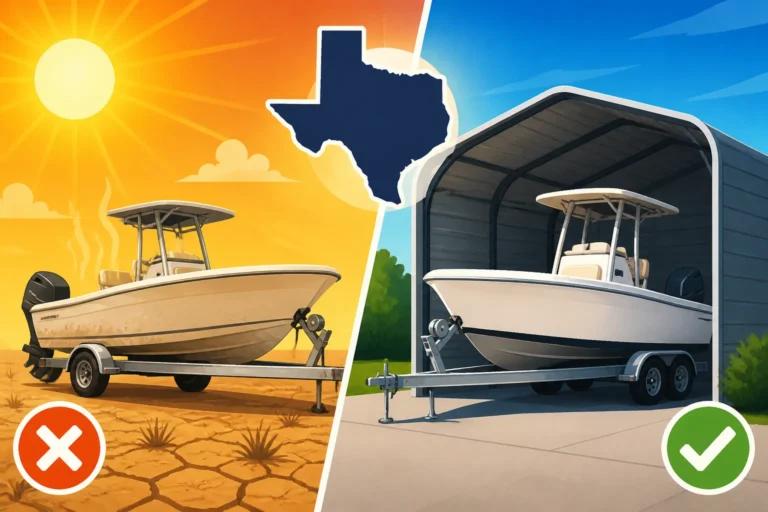
When you live and fish in Texas, you're dealing with extreme conditions that many other anglers simply don't face. Our summers aren't just warm; they're scorching, and that heat puts immense stress on every part of your boat trailer, from the tires to the electrical connections. Ignoring these realities is a recipe for disaster, leaving you sweating on the shoulder of I-45 with a problem that could have been easily avoided.
The Double Whammy: Heat and Humidity's Corrosive Grip
Texas is famous for its heat, but let's not forget the humidity, especially if you're venturing anywhere near the coast. This combination creates a perfect storm for corrosion and accelerated wear. High temperatures cause materials to expand and contract, leading to fatigue. Rubber components, like tire sidewalls and suspension bushings, harden and crack much faster when exposed to constant UV radiation and intense heat. Imagine trying to stretch a rubber band that's been baked in the sun for weeks – it snaps, right? Your trailer's rubber parts are no different.
Then there's the humidity. It’s relentless. This moisture, particularly when combined with saltwater exposure, can quickly turn minor rust spots into major structural issues. Bolts seize up, electrical connections corrode, and paint starts to bubble and peel, leaving bare metal vulnerable. Even if you only fish freshwater lakes, that humid air still contributes to rust formation, especially in hidden crevices and inside tubing. A diligent rinsing and drying routine, particularly after saltwater excursions, is critical to combating this twin threat.
Road Warriors: Long Hauls on Scorching Asphalt
Think about your trailer tires rolling down a Texas highway in July. The ambient air temperature might be 100 degrees, but the asphalt itself can easily hit 140-150 degrees Fahrenheit. Now, add the friction from the tires rolling, and the internal temperature of those tires can skyrocket. This extreme heat degrades tire rubber, increases internal air pressure, and significantly raises the risk of a catastrophic blowout. It’s not just about the external heat; it’s about the cumulative effect of constant thermal stress.
Beyond the tires, wheel bearings also take a beating. The heat transfers from the axle and wheels directly to the bearing grease. If that grease isn't fresh, adequately packed, and rated for high temperatures, it breaks down faster, losing its lubrication properties. A lack of lubrication, combined with the continuous friction of travel, leads to excessive heat buildup within the bearings themselves. This creates a vicious cycle that can quickly lead to bearing failure, leaving you stranded with a smoking hub. This is precisely why proper bearing maintenance is paramount in Texas.
Key Components That Demand Your Attention (and a Schedule!)
Every part of your boat trailer plays a role in getting your precious cargo to the water safely, but some components are truly mission-critical and require more frequent inspection and service, especially in our unique Texas climate. Overlooking any of these can lead to more than just inconvenience; it can be a serious safety hazard.
Wheel Bearings: The Heartbeat of Your Trailer
These unassuming little components are arguably the most critical part of your trailer's running gear. They allow your wheels to spin freely, and when they fail, they often do so spectacularly and with significant damage. In Texas, where long drives in searing heat are common, the grease inside your bearings degrades faster. It can thin out, lose its viscosity, and eventually allow metal-on-metal contact.
You should be checking your wheel bearings before every major trip, especially if you're traveling more than a couple of hours. A quick touch of the hub after a short drive can tell you a lot; if it's excessively hot (too hot to comfortably hold your hand on), that's a red flag. For actual service, many veteran Texas anglers opt for a full repack of their bearings annually, or every 3,000 to 5,000 miles, whichever comes first. If you frequently dunk your trailer in saltwater, that interval might even need to be shorter, perhaps every six months, as saltwater is incredibly destructive to grease and metal. Consider using high-quality marine-grade grease designed for extreme temperatures and moisture resistance.
Tires: Your Trailer's Only Connection to the Road
Trailer tires are often neglected, but they are crucial for safety. Unlike car tires, they're designed for heavy loads and often sit for extended periods, leading to dry rot. Texas heat accelerates this process significantly. You might have plenty of tread, but if the sidewalls are cracking, that tire is a ticking time bomb. Always check tire pressure before every trip, as temperature fluctuations cause it to change. Under-inflated tires generate more heat and are prone to blowouts.
Visually inspect your tires for cracks, bulges, or embedded debris before and after every single trip. This includes the spare tire, which is often forgotten until it's desperately needed. Rotate your tires if your trailer is set up for it, to ensure even wear. As a general rule, trailer tires should be replaced every 3-5 years, regardless of tread depth, due to the effects of age and UV exposure, which are amplified in Texas. Don't cheap out on tires; they're literally what's keeping your boat off the pavement. Many folks find good deals and reliable brands at places like Bass Pro Shops or online retailers like Amazon for their tire replacement needs.
Brakes: Safety First, Always
If your trailer is equipped with brakes (and any boat of significant size should be!), they need regular attention. Heat and moisture are particularly hard on brake systems. Hydraulic lines can crack, master cylinders can seize, and drum or disc pads can wear down. If you're trailering a heavy boat, working brakes are non-negotiable for safety, especially on our busy Texas roads.
Annually, or every 10,000 miles, you should have your brake system thoroughly inspected. This includes checking the brake fluid level and condition (if hydraulic), inspecting brake pads or shoes for wear, and looking for any signs of leaks in the lines. If you notice your trailer pulling to one side when braking, or if the brakes feel spongy, get them checked immediately. After saltwater exposure, a thorough rinse of the brake components is also vital to prevent corrosion.
Frame, Springs, and Axles: The Unsung Heroes
These are the backbone of your trailer, providing structural integrity and absorbing road shock. While they might seem less prone to immediate failure than bearings or tires, they are highly susceptible to rust and fatigue, especially in Texas. The constant flexing of leaf springs over bumpy roads, combined with corrosion, can lead to cracks and eventual breaks. Axles can bend over time from heavy loads or impact, leading to tire wear issues.
A thorough visual inspection of the frame, springs, and axles should be done at least twice a year, or after any particularly rough trip. Look for rust, cracks in welds, bent components, or signs of spring fatigue (such as a visibly sagging trailer). Pay close attention to U-bolts that hold the axle to the springs; they can loosen over time. Give them a torque check annually. If you spot significant rust, consider wire-brushing and painting affected areas with a rust-inhibiting paint to extend their lifespan. Don't forget to inspect the tongue and coupler for wear or damage, as this is the primary connection to your tow vehicle.
Electrical System and Lights: Keeping You Visible and Legal
Nothing ruins a late-night return from a productive fishing trip faster than realizing your trailer lights aren't working. In Texas, where state troopers are vigilant about road safety, non-functioning lights can quickly lead to a ticket. The constant vibration of travel, combined with moisture and heat, wreaks havoc on electrical connections. Wires can chafe, corrosion can form in plugs and bulb sockets, and grounds can become loose.
Test all your lights (running lights, brake lights, turn signals) before every single trip, without fail. Make it a habit. Annually, or after any signs of intermittent issues, perform a deeper dive. Check all wiring for exposed sections or damage, especially where they might rub against the frame. Disconnect and clean your trailer plug with electrical contact cleaner, and apply dielectric grease to protect against moisture. Inspect bulb sockets for corrosion and ensure bulbs are seated firmly. Carry spare bulbs and fuses, just in case. Keeping your electrical system in top shape ensures you're safe and legal on the road.
Crafting Your Trailer Service Schedule for Texas Conditions
A well-planned maintenance schedule is your best defense against unexpected breakdowns and costly repairs. While every trailer and usage pattern is a little different, there are some fundamental rhythms you should adopt for boat trailer care in the Texas climate. Think of it as preventative medicine for your towable investment.
Pre-Trip and Post-Trip Checks: The Bare Minimum
These aren't full-blown service appointments; they're quick, critical checks that can prevent big problems.
Pre-Trip Checks (Every Time You Hook Up):
Before you even pull out of the driveway, give your trailer a once-over. This takes just a few minutes and can save you hours of heartache.
- Tires: Check air pressure (including the spare!) and visually inspect for damage, bulges, or low tread. Remember, under-inflation is a major cause of blowouts, especially on hot pavement.
- Lights: Hook up to your tow vehicle and test all lights – running lights, brake lights, left turn signal, right turn signal. Have a friend help, or use a reflective surface like a garage door.
- Coupler: Ensure the coupler is securely latched to the hitch ball, the safety pin is in place, and the safety chains are crossed and attached.
- Boat Securing: Double-check that your boat is properly strapped down at the bow and stern, and the winch strap is taut. This is especially important for Texas Boat Registration Requirements and highway safety.
- Wheel Bearings (Quick Check): After driving a few miles, briefly touch the hub of each wheel. If any feel significantly hotter than the others, or too hot to touch, you might have a bearing issue developing.
Post-Trip Checks (After Every Trip):
Once you're back home and unloaded, take a moment to do these vital steps.
- Rinse (especially saltwater): If you've been in saltwater, thoroughly rinse the entire trailer with fresh water, paying special attention to wheel hubs, springs, brake components, and wiring. Even after freshwater use, a quick rinse can remove road grime and debris.
- Inspect: Quickly look for any new damage, loose wires, or unusual wear that might have occurred during the trip. This is when you might spot a stone chip that could lead to rust, or a strap that's starting to fray.
- Drain Plugs: If your trailer has frame members that can hold water (especially if it's galvanized), ensure any drain plugs are open to let water escape.
These routine checks are your first line of defense. They won't replace deeper maintenance, but they are crucial for preventing immediate issues and spotting problems early.
Seasonal Deep Dives: What to Tackle When
Beyond the quick checks, certain maintenance tasks should be performed on a seasonal or mileage basis. For Texas anglers, aligning some of these with the changing seasons makes a lot of sense, especially considering the brutal summers.
| Component Group | Recommended Service Interval (Texas Conditions) | Key Actions |
|---|---|---|
| Wheel Bearings | Annually or every 3,000-5,000 miles (more frequent for saltwater) | Inspect, clean, and repack with fresh, marine-grade grease. Replace seals. Consider an upgrade to bearing protectors (like Bearing Buddies). If you fish coastal waters heavily, consider servicing these every 6 months. |
| Tires (Including Spare) | Annually or every 5,000-7,000 miles | Check for dry rot, uneven wear, and proper inflation. Rotate if applicable. Replace every 3-5 years regardless of tread depth due to age and heat degradation. |
| Brake System | Annually or every 10,000 miles | Inspect pads/shoes, rotors/drums, lines, and master cylinder. Check fluid levels and condition. Bleed if necessary. Adjust if mechanical. Thoroughly rinse after saltwater exposure. |
| Frame, Suspension, Axle | Bi-annually (Spring & Fall) or every 5,000 miles | Inspect for rust, cracks, loose bolts (especially U-bolts), and bent components. Clean and paint rust spots. Check spring integrity. Lubricate pivot points. |
| Electrical System | Annually (before peak fishing season) | Inspect all wiring for chaffing or damage. Clean all connectors (trailer plug, light sockets) and apply dielectric grease. Ensure all grounds are solid. Test all lights. Carry spare bulbs. Where to buy a Texas fishing license in person and getting your boat ready often happen around the same time, making it a good annual check-up period. |
| Coupler & Jack | Bi-annually | Lubricate the coupler mechanism and the tongue jack. Inspect for wear, cracks, or damage. Ensure the safety pin operates freely. |
| Winch & Straps | Annually | Inspect winch cable/strap for fraying or damage. Ensure winch operates smoothly. Check all boat tie-down straps for wear, cuts, and proper buckle function. Replace as needed. |
This table provides a solid baseline. Adjust as needed based on your specific usage. If you're trailering cross-state every weekend, you'll lean towards the higher frequency end of these recommendations. If your boat only sees the water a few times a year for short trips to Lake Conroe Fishing Guide, you might stretch some intervals slightly, but never neglect the annual essentials.
Professional Service vs. DIY: Knowing Your Limits
It's tempting to save a few bucks and tackle every maintenance task yourself. For some things, like checking tire pressure or testing lights, DIY is perfectly fine and encouraged. You can easily pick up a quality tire gauge or a can of dielectric grease from Amazon. However, for more complex tasks, like a full brake overhaul or diagnosing persistent electrical issues, knowing when to call in a professional is crucial.
Wheel bearing repacks are a common DIY task for many experienced anglers, but if you're uncomfortable removing hubs, cleaning bearings, and packing them correctly, a professional can do it quickly and reliably. Brake system work, especially hydraulic brakes, often requires specialized tools and knowledge to bleed lines properly and ensure maximum stopping power. If you're dealing with structural issues on the frame, or complex wiring problems, a certified trailer mechanic has the expertise to perform repairs safely and effectively. Don't risk your safety or your boat by attempting repairs beyond your comfort zone or skill level. A local trailer repair shop that understands marine trailers will have the right tools and experience to get the job done right.
Essential Tools and Supplies for DIY Trailer Maintenance
Even if you plan to outsource some of the heavy-duty maintenance, having a basic set of tools and a few key supplies on hand for your boat trailer is an absolute must. This isn't just about saving money; it's about being prepared for those minor issues that pop up, or for tackling routine tasks that keep your trailer humming.
Must-Have Tools for the Enthusiastic DIYer
Think about the basic checks and fixes we discussed, and you'll quickly realize what you need. A well-stocked toolbox can make a huge difference in your confidence on the road.
- Grease Gun & High-Temp Marine Grease: If you have bearing protectors (like Bearing Buddies), a grease gun is essential for topping them off. Even if you don't, having quality marine grease on hand is smart for any bearing repacks. Look for waterproof, high-temperature formulations.
- Tire Pressure Gauge: A reliable tire gauge is non-negotiable. Check pressure when tires are cold for the most accurate reading.
- Wrenches and Sockets: A good set of combination wrenches and a socket set will cover most nuts and bolts on your trailer, from U-bolts to lug nuts. Don't forget a torque wrench for lug nuts and U-bolts, as proper torque is critical for safety.
- Jack and Jack Stands: You absolutely need a sturdy jack capable of lifting your boat and trailer safely, along with reliable jack stands to support it when you're working on tires or bearings. Never rely solely on a jack.
- Pliers and Wire Strippers: For electrical work, a good pair of wire strippers/crimpers, needle-nose pliers, and lineman's pliers are invaluable.
- Multimeter or Test Light: Essential for diagnosing electrical issues, such as non-functioning lights.
- Gloves and Safety Glasses: Protect your hands from grease and your eyes from debris. Safety first, always!
- Rust Inhibitor/Paint: For touching up inevitable rust spots, having some rust-inhibiting primer and paint (or a specialized rust converter) is a smart long-term investment.
- Dielectric Grease and Electrical Contact Cleaner: These two are your best friends for keeping electrical connections clean and corrosion-free, especially after repeated dunkings or exposure to saltwater.
This core set of tools will empower you to handle a significant portion of your trailer's routine maintenance, giving you peace of mind and saving you money in the long run.
Where to Source Quality Parts and Products
When it comes to replacing parts or buying maintenance supplies, don't just grab the cheapest option. Quality matters, especially when your boat's safety and your peace of mind are on the line.
For general trailer parts like replacement lights, wiring, axles, or springs, you can often find a wide selection at larger outdoor retailers. Stores like Bass Pro Shops or Cabela's often carry a decent range of marine trailer accessories and components. You can also find specialized trailer parts, including bearing kits, brake assemblies, and higher-grade marine wiring, through online retailers like Amazon. The key is to read reviews and ensure you're getting parts that meet or exceed OEM specifications. For example, don't settle for standard automotive grease for your wheel bearings; always opt for marine-grade, high-temperature grease.
Another excellent resource is local trailer supply stores or even boat dealerships. These places often stock specific brands known for durability and can provide expert advice. Sometimes, paying a little more for a part that's guaranteed to withstand the Texas elements is a much better investment than constantly replacing cheaper alternatives. Always double-check fitment and specifications before purchasing, as trailer components aren't always universally interchangeable. A quick call to a local shop can confirm you're buying the correct parts for your particular trailer model.
Disclaimer
This article is for general informational purposes only and does not constitute professional advice. Laws, prices and regulations vary by location and change over time. Consult a qualified professional for guidance on your specific situation.