Best drop shot rig setup
Trying to entice finicky bass or reach fish hunkered down in deep, clear water can be one of the most frustrating challenges for any angler, especially in vast Texas reservoirs. It often feels like you're throwing everything in your tackle box at them with no success. This comprehensive guide is here to demystify the drop shot rig, a finesse technique that can dramatically increase your bites when other methods fail, offering a detailed setup for Texas waters.
What is a Drop Shot Rig and Why It's a Texas Game Changer?
The drop shot rig might look a little unconventional at first glance, but it's a true secret weapon in many anglers' arsenals, especially when you're battling tough conditions or targeting pressured fish. Imagine being able to present a small, tantalizing bait suspended perfectly in the strike zone, seemingly weightless, while your weight keeps it precisely where you want it on the bottom. That's the magic of the drop shot.
Understanding the Drop Shot Advantage
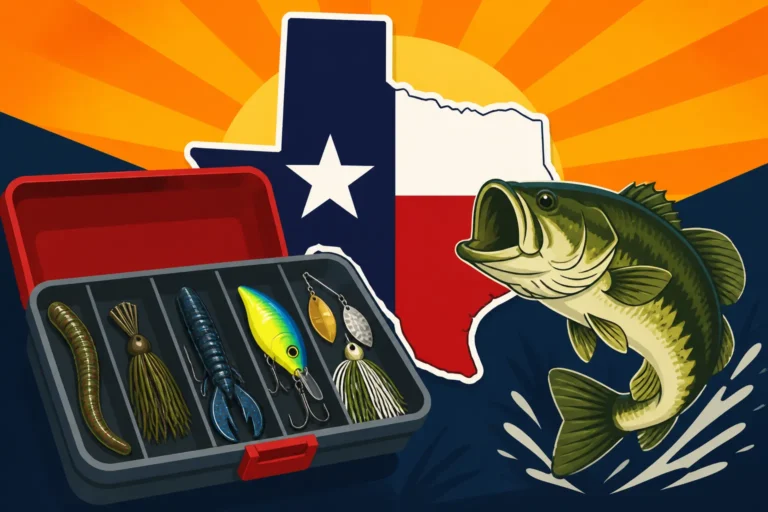
In Texas, we face all kinds of fishing conditions, from scorching summer heat that pushes fish deep to crystal-clear lakes where bass are easily spooked. Traditional rigs sometimes struggle in these scenarios. A Texas rig might drag on the bottom, a Carolina rig might be too aggressive, and a crankbait might blow past fish that are barely moving. The drop shot, however, excels by offering an incredibly subtle presentation. Your bait hovers horizontally, quivering with the slightest movement of your rod tip or even the natural current, mimicking a small, distressed baitfish or insect. This "shaking" action, combined with a stationary bait, often triggers strikes from fish that would ignore more aggressive offerings. It's particularly effective for spotted bass, smallmouth, and even largemouth bass that have seen every other lure in the book.
When to Reach for a Drop Shot in Texas
You'll find yourself reaching for a drop shot rig most often when fishing gets tough. Think about those glassy, calm days on Lake Travis or Canyon Lake, where the water is gin-clear and bass are hugging deep structure. Or perhaps it's the post-frontal bite on Lake Fork, when a cold front has moved through, and the fish are lethargic and suspended. It's also fantastic for targeting fish on ledges, humps, standing timber, or brush piles, allowing you to thoroughly work an area without constantly getting snagged. If you're marking fish on your electronics but can't get them to bite, a drop shot is often the answer. It’s a precision tool for pinpointing fish and delivering a bait directly to their face, often triggering an impulse strike.
Essential Components of a Texas Drop Shot Setup
Getting your drop shot rig dialed in requires a balanced setup, from the rod and reel to the smallest hook and weight. Each component plays a crucial role in giving you the sensitivity to detect subtle bites and the finesse to present your bait naturally.
The Right Rod and Reel Combination
For drop shot fishing, sensitivity is paramount. You need to feel every little tap and tick, and a dedicated spinning rod is typically your best bet. Look for a rod in the 6'8" to 7'4" range, with a fast or extra-fast action and a medium-light to medium power. The fast tip allows for precise casting and imparts that subtle shaking action, while the moderate backbone helps you fight fish without tearing the small hook out of their mouths. Think about a rod that feels light in your hand but has enough backbone to handle a good Texas bass.
Pair this with a high-quality spinning reel in the 2000 or 2500 series. These reels offer smooth drag systems, which are vital when fighting fish on light line, and provide excellent line management to prevent tangles. A smooth retrieve is also key for maintaining tension and feeling those delicate bites. Brands like Shimano, Daiwa, or even some of the more budget-friendly options found on Amazon or at Bass Pro Shops can offer great performance for this technique. If you're looking for more general guidance, our article on Best Fishing Rods for Texas Anglers provides a broader overview.
Line Selection: Balancing Stealth and Strength
This is where many anglers get tripped up. The drop shot thrives on light line, but in Texas, we often encounter bigger fish or snags. A common setup involves using a braided main line with a fluorocarbon leader.
- Braided Main Line: A 10-15 lb test braided line offers incredible sensitivity and casting distance, with no stretch to hinder your feel for subtle bites. Its thin diameter also helps the bait sink quickly.
- Fluorocarbon Leader: This is crucial. Fluorocarbon is nearly invisible underwater, has excellent abrasion resistance, and provides a bit of stretch that can act as a shock absorber. A 6-10 lb test fluorocarbon leader, tied to your braid with a strong knot like an FG or Alberto knot, is ideal. The length of your leader can vary, but typically 6-10 feet is a good starting point, allowing for multiple re-ties and maintaining the stealth advantage. For more on line choices, check out our guide on Best line weight for Texas bass fishing.
Hooks: Small but Mighty
The hook choice is critical for proper bait presentation and solid hooksets. Most drop shot setups utilize small, specialized hooks designed for soft plastics.
- Size: Generally, #1 or #2 hooks are used for most applications. If you're using larger soft plastics, you might go up to a 1/0.
- Type:
- Drop Shot Hooks (or Rebarb Hooks): These are popular, featuring a straight shank and often a slight bend in the eye to help the bait sit horizontally. You typically nose-hook your plastic for the most natural action.
- Wacky Rig Hooks: These can also work well, especially for wacky rigging smaller worms.
- EWG (Extra Wide Gap) Worm Hooks: While not traditional, some anglers will Texas-rig small worms on a lighter EWG hook for a weedless presentation in light cover.
The key is to use a hook that allows your chosen soft plastic to move freely and naturally.
Weights: The Foundation of Your Rig
Drop shot weights are distinct from other fishing weights because they are designed for easy adjustment and quick release from snags.
- Weight Shape:
- Cylinder/Pencil Weights: These are long and slender, making them excellent for dropping through grass, rocks, and brush with minimal snagging.
- Round/Teardrop Weights: These are more versatile and tend to sit well on a clean bottom, but can get hung up more easily in heavy cover.
- Weight Material:
- Lead: Traditional and affordable, but less environmentally friendly.
- Tungsten: Much denser than lead, meaning a smaller profile for the same weight, which enhances sensitivity and reduces snags. Tungsten weights are highly recommended for drop shotting due to their increased feel for bottom composition.
- Weight Size: The weight you choose depends on depth, current, and wind. Common sizes range from 1/8 oz to 1/2 oz. In shallower water or calm conditions, a 1/8 oz or 3/16 oz might be perfect. When fishing deeper lakes like Whitney or Amistad, or in windy conditions, you might need to bump it up to 1/4 oz or even 3/8 oz to maintain bottom contact and feel.
| Weight Type | Best Use Case | Snag Resistance | Sensitivity | Cost Consideration |
|---|---|---|---|---|
| Cylinder (Lead) | General purpose, moderate cover, slight current | Good | Moderate | Low |
| Cylinder (Tungsten) | Deep water, heavy cover, maximum sensitivity | Excellent | Excellent | High |
| Round/Teardrop (Lead) | Clean bottom, minimal cover, calm conditions | Fair | Moderate | Low |
| Round/Teardrop (Tungsten) | Clean bottom, deep water, good sensitivity | Fair | Good | High |
Rigging Your Drop Shot for Texas Waters
Learning how to properly tie a drop shot rig is crucial for its effectiveness. It’s not overly complicated, but a few key steps will ensure your bait presents perfectly and your knots hold up to those aggressive Texas bites.
Step-by-Step Tying Guide
Here's how to set up a classic drop shot rig:
- Tie on Your Hook: Take your fluorocarbon leader and tie your chosen drop shot hook directly to it using a Palomar knot. This knot is incredibly strong and simple to tie.
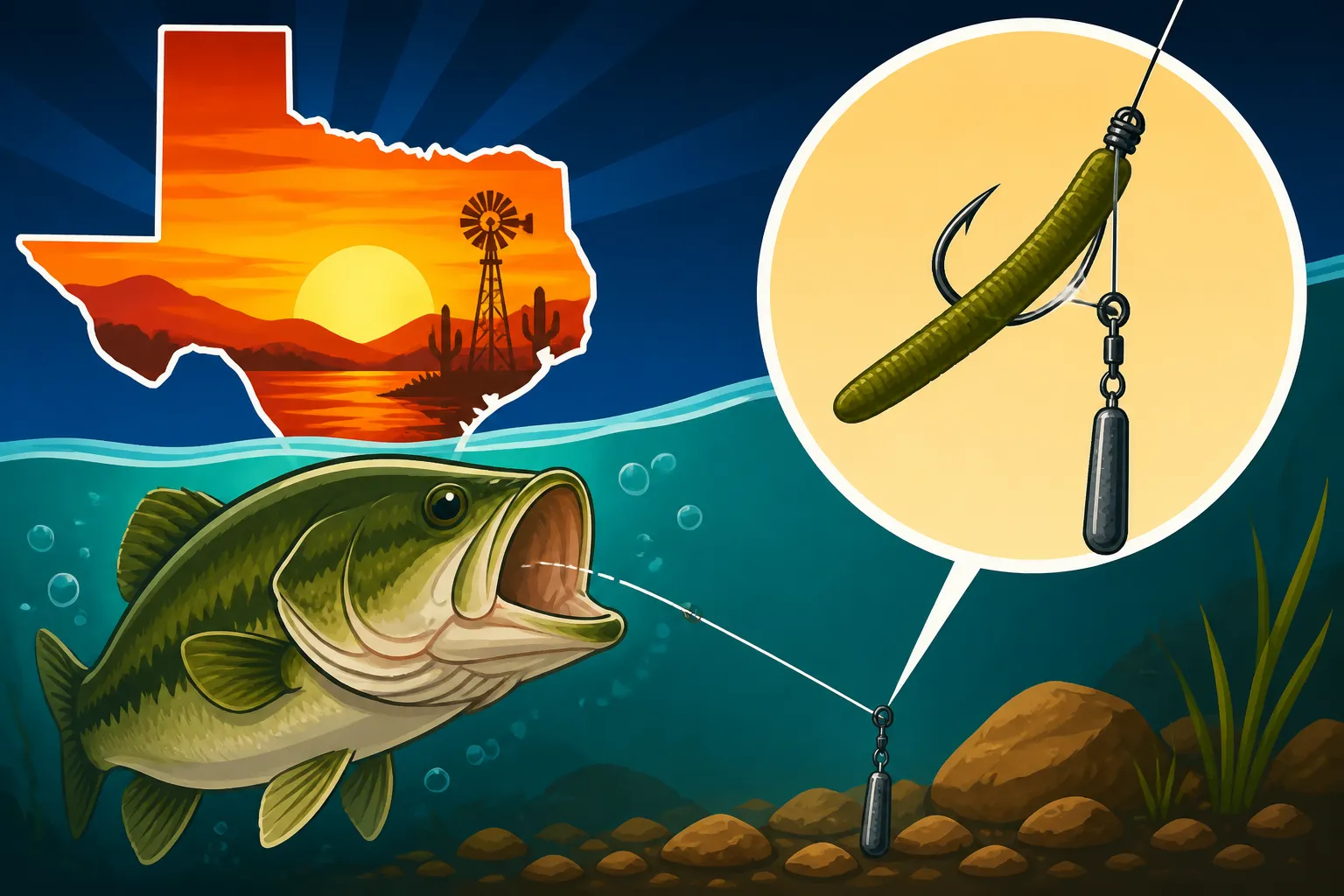
- Thread the Tag End: After tying the Palomar knot, you'll have a long tag end extending from the eye of the hook. This is where your weight will go. Thread this tag end back through the eye of the hook from the top down. This critical step ensures the hook stands out horizontally from your line, allowing your bait to present naturally. If you skip this, your hook will likely point upwards, and your bait won't look right.
- Determine Your Leader Length: The length of line between your hook and your weight determines how high your bait sits off the bottom. This is where you can customize your presentation.
- Shorter Leader (6-12 inches): Good for fish hugging the bottom or when you want your bait just above vegetation.
- Medium Leader (12-24 inches): A versatile choice for most situations, allowing your bait to hover above common bottom debris.
- Longer Leader (24-36+ inches): Ideal for targeting fish suspended higher off the bottom or working over very tall grass.
- Attach the Weight: At the desired length on your tag end, attach your drop shot weight. Most drop shot weights have a line clip or swivel that allows for easy attachment and adjustment without tying a knot. Simply feed the tag end through the clip, and it will hold securely. This design also means that if your weight gets snagged, it might just pull off, allowing you to save your hook and bait.
Common Rigging Mistakes to Avoid
Even seasoned anglers can make small errors that undermine the drop shot's effectiveness.
- Incorrect Hook Orientation: Forgetting to run the tag end back through the hook eye is probably the most common mistake. Your hook and bait won't sit horizontally, and your presentation will be off.
- Too Heavy Line: Using a main line or leader that is too heavy reduces sensitivity and makes the bait look less natural. Stick to the lighter side for optimal results.
- Wrong Knot for Braid to Fluoro: Using a simple swivel to connect braid to fluorocarbon can work, but a direct knot like an FG or Alberto knot is much stealthier and stronger, passing through guides more smoothly. A knot like a Double Uni can also work but creates a larger knot.
- Ignoring Leader Length: Don't just pick an arbitrary leader length. Observe how fish are relating to the bottom or structure (e.g., on your fish finder) and adjust your bait height accordingly. If fish are suspended 2 feet up, you want a 2-foot leader.
Tips and Tricks for Maximizing Your Texas Drop Shot Success
The beauty of the drop shot is its versatility, but understanding how to apply it in different Texas fishing scenarios can make all the difference between a frustrating day and a fantastic one.
Bait Selection for Texas Bass
While the rig is important, your choice of soft plastic bait can be the ultimate deciding factor. The key is to use baits with subtle action that don't overpower the finesse presentation.
- Small Worms (4-6 inches): Straight-tail worms, like those from Roboworm or Zoom, are classics. Their subtle undulation in the water is irresistible to bass. Nose-hooking them allows for maximum action.
- Fluke-style Baits (3-4 inches): Smaller flukes or soft jerkbaits can mimic small baitfish, especially effective in clear water or when bass are feeding on shad.
- Creature Baits/Grubs (small): Tiny creature baits or grubs can imitate insects or crawfish, particularly useful when fishing around rocks or brush piles.
- Finesse Swimbaits (2-3 inches): In certain situations, a tiny swimbait can add a bit more flash and vibration, especially if fish are slightly more active.
Experiment with colors, but natural tones like green pumpkin, watermelon, and various shades of brown or clear with flake are always good starting points in Texas waters. For more ideas, check out Best Soft Plastics for Texas Bass Fishing.
Presentation and Retrieve Techniques
The way you work a drop shot is just as important as the setup itself. The goal is always to present the bait naturally.
- The "Dead Stick" Shake: Cast your rig out, let it sink to the bottom, and then just let it sit. Lightly shake your rod tip, just enough to make the bait quiver without moving the weight much. This subtle action often triggers bites from lethargic fish.
- Dragging and Pausing: Cast out and slowly drag your weight along the bottom, pausing frequently. The pauses allow your bait to suspend and tempt following fish. This is great for covering ground on ledges or flats.
- Lift and Drop: A more aggressive retrieve involves lifting your rod tip gently to raise the weight, then letting it fall back to the bottom. This makes your bait rise and fall, mimicking a feeding or fleeing critter.
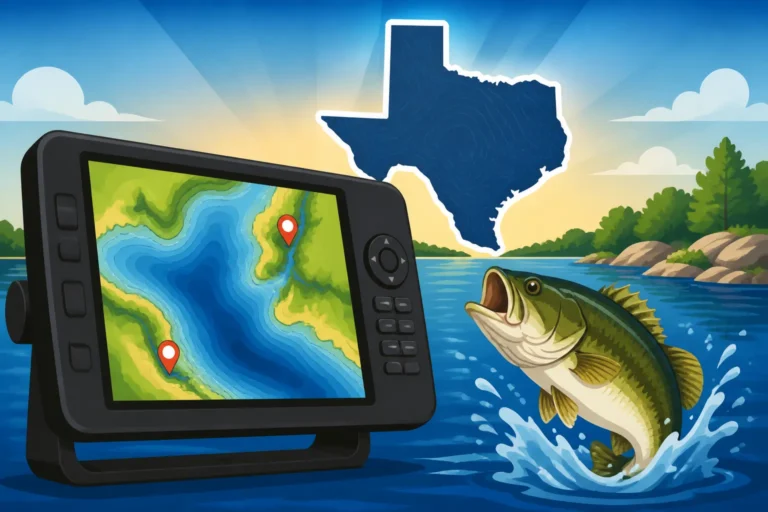
- Vertical Presentation: When fishing directly over deep structure or schools of fish you've marked on your fish finder, simply drop your rig straight down. You can then employ any of the shaking or subtle lifting techniques to entice strikes. This is especially effective on those deep, clear lakes like Possum Kingdom Lake or Lake Whitney. Our article on How to use a fish finder for bass fishing can help you get the most out of your electronics for this technique.
Adapting to Texas Conditions
Texas fishing conditions are incredibly diverse, from vast open reservoirs to winding rivers. Your drop shot strategy should adapt.
- Clear Water Lakes (e.g., Lake Travis, Canyon Lake): In crystal-clear environments, stealth is key. Use the lightest fluorocarbon leader you're comfortable with (6-8 lb test) and natural bait colors. Long casts are often necessary to avoid spooking fish. This is where the drop shot truly shines, as bass can inspect your bait without seeing heavy line. Learn more about fishing these conditions in How to Fish Clear Water Lakes in Texas.
- Deep Reservoirs (e.g., Toledo Bend, Sam Rayburn): When bass are holding deep, often on ledges or humps, a heavier drop shot weight (1/4 oz to 1/2 oz tungsten) helps you get down quickly and maintain bottom contact, even in wind or current. Use your electronics to locate fish and structure. Consider tying a 2-foot leader to keep your bait above the deepest part of the structure. Our Texas Largemouth Bass Fishing Guide has more on these lakes.
- Pressured Lakes: For fish that have seen every technique, the drop shot offers a different look. Focus on the most natural presentation possible, with subtle movements and longer pauses. Often, a smaller bait or a different color can make the difference. This is a prime technique when fishing during tournaments or on popular lakes that see a lot of angler activity, as discussed in Best finesse techniques for pressured lakes.
The drop shot rig is not just another technique; it's a statement of finesse and precision that can unlock bites when nothing else will. By understanding its components, mastering the rigging, and adapting your approach to the diverse Texas waters, you'll be well on your way to adding a powerful new tool to your fishing arsenal.
Disclaimer
This article is for general informational purposes only and does not constitute professional advice. Laws, prices and regulations vary by location and change over time. Consult a qualified professional for guidance on your specific situation.