Best boat for a beginner bass angler
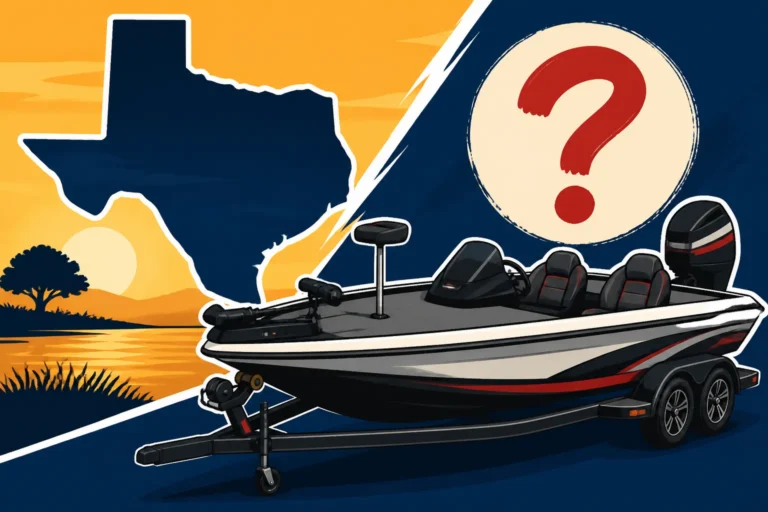
Stepping into the world of bass fishing can feel overwhelming, especially when you're trying to figure out what kind of boat is right for you. It’s easy to get caught up in the flashy, high-horsepower bass rigs you see on TV, only to realize that's way beyond what a beginner needs or can afford. This guide is all about helping you cut through the noise and find the best boat for a beginner bass angler, focusing on practical, affordable, and easy-to-manage options that will get you out on the water and catching fish here in Texas without breaking the bank or your back.
Understanding Your Beginner Bass Angler Needs
Before you even start looking at boat models, it's crucial to take an honest look at your personal fishing style, financial situation, and where you actually plan to cast your lines. Many new anglers make the mistake of buying too much boat or the wrong kind of boat for their specific circumstances, leading to frustration and buyer's remorse. Let's break down the core questions you need to answer.
Budget Considerations for Your First Bass Boat
For most beginner anglers, budget is the biggest hurdle, and it’s important to set realistic expectations. A brand-new, fully rigged bass boat can cost as much as a new truck, and that's simply not practical for someone just starting out or on a tight budget. The good news is, you don't need all the bells and whistles to catch bass in Texas. Focus on affordability, reliability, and functionality.
Consider not just the purchase price, but also ongoing costs like insurance, fuel, maintenance, storage, and registration. Sometimes a slightly cheaper boat might have a less fuel-efficient engine or need more frequent repairs, which can quickly add up. Think about the total cost of ownership over a few years, not just the sticker price. Many anglers start with a modest used boat, learn the ropes, and then upgrade once they've truly cemented their passion and understanding of their specific needs.
Where Will You Be Fishing? Texas Lakes and Rivers
Texas is a huge state with an incredible diversity of fishing waters, from small ponds and winding rivers to massive reservoirs and coastal bays. The type of water you plan to fish most often will heavily influence the best boat for you. If your primary goal is to target largemouth bass in smaller, shallower lakes and rivers, a nimble, shallow-draft boat might be perfect. However, if you dream of tackling big reservoirs like Lake Fork Fishing Guide or Sam Rayburn Reservoir Fishing Guide where conditions can get choppy, a more stable, deeper-V hull might be a better choice.
Rivers like the Brazos or Trinity present different challenges, often requiring boats that can navigate obstacles, shallow sandbars, and strong currents. Conversely, fishing in smaller community ponds often doesn't require a boat at all, or perhaps just a kayak or small jon boat. Think about the dominant water body in your immediate area and tailor your search to boats that excel in those specific conditions. Checking out Best Places to Fish in Texas can help you visualize your options.
Solo or Company: Who's Coming Aboard?
Are you planning to be a solo angler, enjoying the peace and quiet of the water by yourself? Or do you envision bringing a fishing buddy, your spouse, or your kids along for the adventure? The number of people you typically expect to have on board will significantly impact the size and layout of the boat you choose. A single-person fishing kayak is fantastic for solo stealth missions but obviously won't work for a family outing.
A small jon boat might comfortably fit one or two anglers with gear, but a third person could make it cramped and less stable. Consider seating arrangements, deck space for casting, and even cooler space for drinks and snacks. If you plan to bring younger children, stability and safety become even more paramount. Thinking about this now can save you the headache of outgrowing your boat too quickly or realizing you constantly have to leave someone behind.
Top Boat Types for Beginner Bass Anglers
Now that we've thought about your personal needs, let's dive into the types of boats that are generally considered excellent choices for beginner bass anglers in Texas. These options balance affordability, ease of use, and fishing functionality, helping you get on the water without needing a professional guide's budget or skill level.
Aluminum Jon Boats: The Affordable Entry Point
Jon boats are arguably the most popular and practical starting point for many beginner bass anglers, especially here in Texas. These flat-bottomed, aluminum boats are known for their simplicity, durability, and affordability. They can be incredibly versatile, able to navigate extremely shallow water in rivers and small lakes, yet still stable enough for many larger reservoirs on a calm day. Their flat bottom means they don't draw much water, making them ideal for poking into coves and skinny backwaters where bass often hide.
You can find jon boats in various sizes, but for a beginner, something in the 12 to 16-foot range is usually a sweet spot. They are easy to trailer, launch, and retrieve, which is a huge bonus for new boat owners. While some come completely bare, many are sold pre-rigged with a small outboard motor, a trolling motor, and even a basic fish finder. Their open layout allows for customization down the road, so you can add pedestal seats, storage, or even a small casting deck as your skills and budget grow. Plus, they are relatively low maintenance compared to more complex fiberglass boats.
Small Fiberglass Bass Boats: A Step Up in Performance
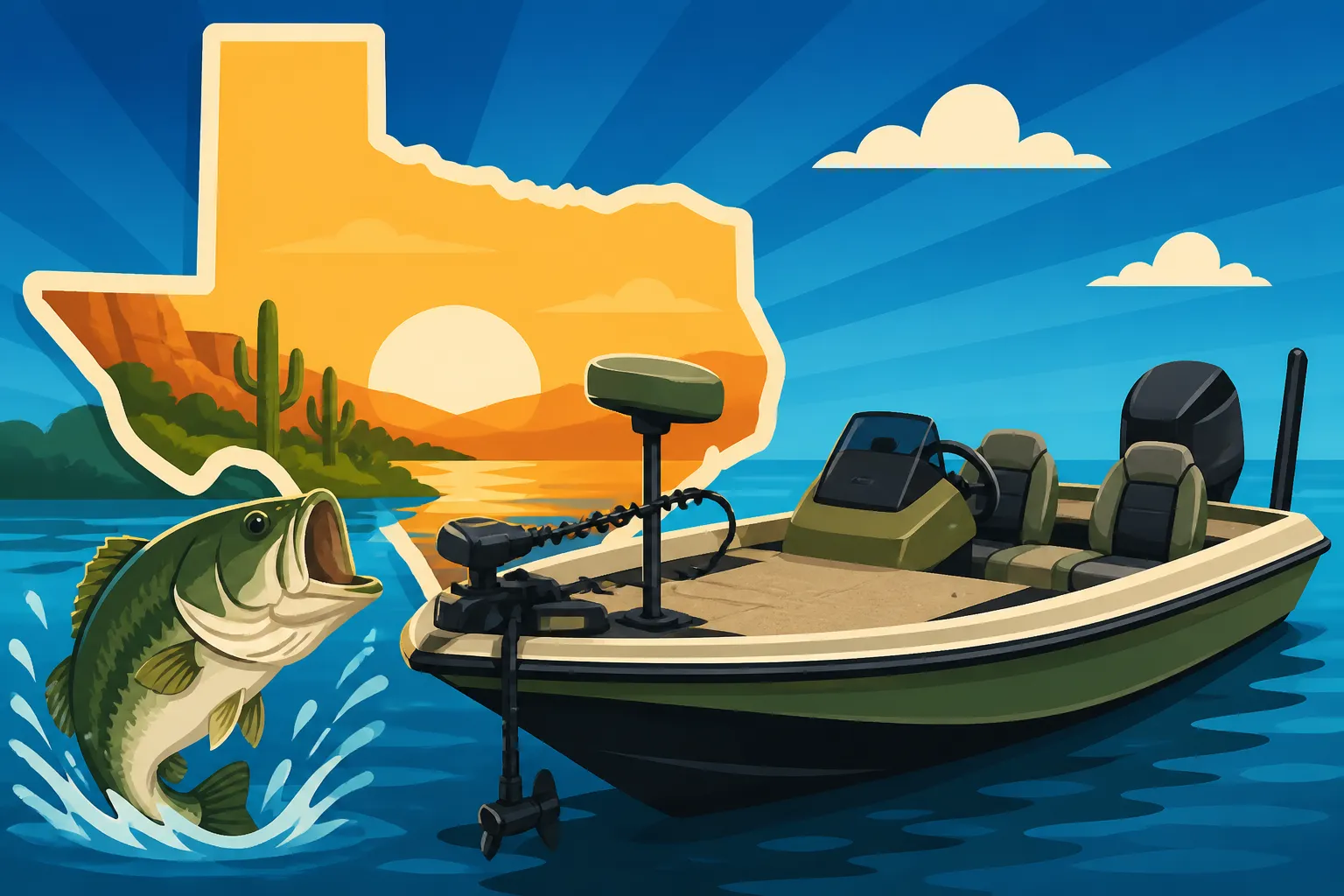
If your budget allows for a bit more, or if you anticipate fishing larger, choppier lakes more frequently, a small fiberglass bass boat can be an excellent step up. These aren't the 20-foot tournament rigs, but rather more compact versions, often in the 17 to 18-foot range. They offer a smoother, drier ride than a jon boat in rougher water due to their V-hull design, and they can handle larger outboards, getting you to your fishing spots faster.
Fiberglass boats typically come with more built-in features, such as larger livewells, dedicated rod lockers, and comfortable casting decks. Brands like Bass Pro Shops often have entry-level fiberglass bass boat packages that include a motor and trailer, making them a convenient option for beginners. While the initial cost and maintenance might be higher than a jon boat, they offer increased comfort, speed, and storage, which can be a game-changer for longer days on bigger waters. They're built for dedicated bass fishing, making them very efficient tools once you learn to handle them. For serious anglers looking to eventually participate in club tournaments, this type of boat provides a great foundation.
Fishing Kayaks: The Paddle-Powered Option
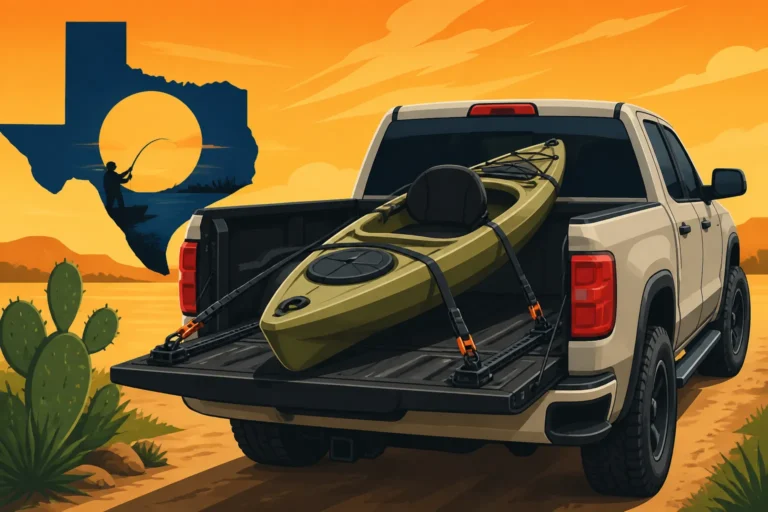
Don't underestimate the power and versatility of a fishing kayak for bass angling in Texas! For true beginners, especially those on a very tight budget or with limited storage space, a fishing kayak might be the absolute best starting point. Modern fishing kayaks are a far cry from recreational kayaks; they are purpose-built with stability, storage, and rigging options in mind. Many come equipped with comfortable seats, rod holders, and mounting points for electronics.
Kayaks excel at stealth, allowing you to sneak into shallow, brushy areas that larger boats can't reach. They are perfect for exploring small creeks, back coves, and even larger lakes on calm days. Pedal-drive kayaks, in particular, free up your hands for fishing while you "pedal" to your spots. You can easily transport them on a car roof rack or small trailer, and launching is often as simple as sliding it into the water from a bank. While they limit the number of passengers and gear you can carry, the intimacy with the water and the ability to reach untouched spots can be incredibly rewarding. If you're wondering Best Kayaks for Texas Fishing, there are many specialized models designed for stability and angling.
| Boat Type | Primary Advantages | Best For | Typical Size Range (ft) | Typical Angler Capacity |
|---|---|---|---|---|
| Aluminum Jon Boat | Affordable, durable, shallow water access, easy to customize | Small lakes, rivers, ponds, budget-conscious, new boat owners | 12-16 | 1-3 |
| Small Fiberglass Bass Boat | Smooth ride, speed, built-in features, stability in chop | Medium to large reservoirs, dedicated bass fishing, faster travel, more comfort | 17-18 | 2-3 |
| Fishing Kayak | Stealth, shallowest water access, portability, low cost | Small ponds, creeks, calm lake coves, solo anglers, exercise | 10-14 | 1-2 |
Key Features to Look For in a Beginner Bass Boat
Once you've narrowed down the type of boat, it's time to consider the specific features that will make your time on the water more productive and enjoyable. While a beginner boat won't have every high-end gadget, there are certain essentials that can greatly enhance your fishing experience.
Engine Size and Performance
For jon boats, a small outboard motor (often 9.9 HP to 25 HP) is usually sufficient. These engines are generally reliable, fuel-efficient, and easy to maintain. For small fiberglass bass boats, you'll typically see outboards in the 75 HP to 115 HP range. Don't feel pressured to get the absolute maximum horsepower; a mid-range engine will often provide plenty of speed for a beginner and be more forgiving on fuel consumption. Remember that faster isn't always better, especially when you're still getting comfortable with boat handling and navigation.
Always prioritize a well-maintained engine, especially if buying used. A powerful engine that constantly breaks down will ruin your day faster than a slightly slower but reliable one. Good engine performance is about consistent starts, smooth operation, and adequate thrust for the size of your boat and the waters you intend to fish.
Storage and Livewell Considerations
Bass fishing involves a fair amount of gear – rods, tackle boxes, coolers, safety equipment. Having adequate storage is crucial to keep your deck clear and safe. Look for boats with dry storage compartments to protect your gear from the elements. Even a small jon boat can be customized with storage boxes.
A livewell is another important feature for bass anglers, especially if you plan to keep your catch fresh for a fish fry or participate in catch-and-release tournaments. For beginners, a basic aerated livewell will suffice. It doesn't need to be massive, but it should be functional, keeping water aerated and circulating to ensure the fish stay healthy. If you’re looking at smaller kayaks, a soft-sided cooler with a portable aerator can serve as a makeshift livewell. Best Coolers and Live Wells for Texas Fishing offers more insights on these essentials.
Electronics and Trolling Motor Essentials
While you don't need a full suite of interconnected marine electronics as a beginner, a reliable fish finder and a functional trolling motor are game-changers. A basic fish finder, often a simple display with a transducer, will help you identify depths, bottom structure, and even locate schools of fish. You can find excellent entry-level models that are easy to install and learn. Consider checking out Amazon for budget-friendly options that still offer great performance.
A trolling motor, typically mounted on the bow (front) of the boat, allows you to silently maneuver along shorelines, over submerged structure, and hold your position against wind or current without constantly using your main engine. This is absolutely critical for effective bass fishing. Look for a trolling motor with enough thrust for your boat size and consider a foot-pedal control for hands-free operation. Best Trolling Motors for Texas Bass Boats provides more detailed information on selecting the right one.
Buying Your First Bass Boat: New vs. Used and Where to Look
The decision between buying new or used is a significant one for any first-time boat owner, and where you choose to shop can make a big difference in the process.
The Pros and Cons of New vs. Used Boats
Buying a new boat offers peace of mind with a warranty, the latest features, and a clean slate. You get to choose all the options and know exactly how it's been maintained (or not, as the case may be). However, new boats depreciate quickly, and the initial investment is considerably higher. For a beginner, this might be an unnecessary expense, especially since you're still figuring out your preferences.
Used boats, on the other hand, offer significant cost savings. You can often get more boat for your money, or get a well-equipped boat for the price of a bare-bones new one. The downside is that you inherit any existing problems, and the history of the boat might not always be transparent. It's crucial to thoroughly inspect any used boat, including a test drive, and if possible, have a marine mechanic check the engine. Don't be shy about asking for maintenance records or looking at the hull for any signs of damage. Sometimes, a great deal on a used boat can turn into a money pit if you're not careful.
Finding Your Beginner Boat: Dealers, Private Sellers, and Online Markets
When you're ready to start actively looking, you have a few avenues. Local boat dealers, like those you might find at a Bass Pro Shops marine center, are excellent for exploring new boats. They can offer financing, trade-ins, and often provide package deals that include a motor and trailer. While they primarily sell new, some may have a selection of certified used boats, offering a bit more assurance than a private sale.
Private sellers, found through online marketplaces, local classifieds, or word-of-mouth, often offer the best prices on used boats. This is where you might find a great deal on a well-maintained jon boat or small bass boat that someone is upgrading from. Just remember to exercise caution, always meet in a public place, and bring a knowledgeable friend if you're not confident in your own inspection skills. Websites and apps dedicated to boat sales are also valuable resources, allowing you to filter by location, price, and boat type. For smaller accessories or even parts for maintenance, Amazon is a convenient online marketplace.
Remember to consider Texas Boat Registration Requirements and other regulations that apply to any boat you purchase. Getting started in bass fishing with your own boat is an exciting adventure, and by making a thoughtful, informed decision, you'll be setting yourself up for years of enjoyment on the water.
Disclaimer
This article is for general informational purposes only and does not constitute professional advice. Laws, prices and regulations vary by location and change over time. Consult a qualified professional for guidance on your specific situation.