How much does a good bass boat cost
Thinking about jumping into the world of bass fishing with your own boat can be exciting, but the reality often hits when you start looking at prices. It's easy to feel overwhelmed by the sheer range of options and the sticker shock that comes with seeing what a "good" bass boat can actually cost. This comprehensive guide is here to demystify the expenses involved, breaking down the factors that influence the price tag and helping you understand what to expect when you're ready to invest in your on-the-water dream machine for chasing those Texas lunkers.
Understanding the Initial Investment: New Bass Boat Costs
When you first start browsing for a new bass boat, you'll quickly realize that the term "cost" isn't a single number; it's a spectrum. The price can vary wildly based on the brand, size, engine, and all the bells and whistles you decide to add. It’s like buying a truck – you can get a basic workhorse, or you can go all out with every luxury feature imaginable.
Entry-Level New Bass Boats
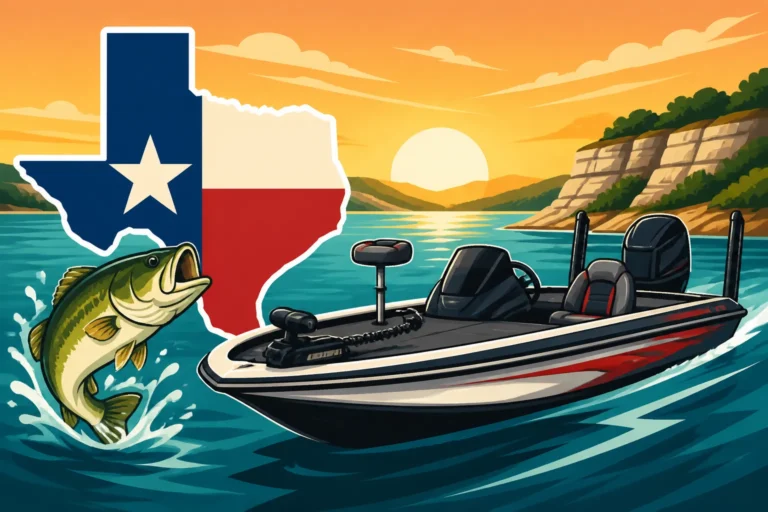
For many anglers looking to get into competitive bass fishing or just enjoy a reliable boat for weekend trips to their favorite Texas lake, an entry-level new bass boat can be a fantastic starting point. These boats are typically smaller, often ranging from 17 to 18 feet in length, and come equipped with more modest outboard engines. Don't let "entry-level" fool you, though; these are still capable, well-built vessels designed to get you on the fish. You can often find these boats with essential features like a decent trolling motor, a simple fish finder, and standard livewells. They might not have the blazing speed or the super-advanced electronics of their bigger siblings, but they're incredibly functional and a great way to experience tournament fishing or just a serious day on the water without breaking the bank entirely. Many dealers, like those you might find through Bass Pro Shops, will have a range of these models to explore.
Mid-Range New Bass Boats
Stepping up to a mid-range new bass boat opens up a world of more options and enhanced performance. These boats usually stretch from 19 to 20 feet, offering more deck space, larger fuel tanks, and the capacity for more powerful engines. With a mid-range boat, you'll typically see upgrades like more sophisticated electronics (think larger screens, better sonar capabilities), improved seating comfort, and more extensive storage compartments for all your gear. The trolling motors are often more advanced, with GPS capabilities and remote control. Anglers who are serious about tournament fishing or frequently venture onto larger bodies of water like Sam Rayburn Reservoir Fishing Guide or Lake Fork Fishing Guide often gravitate towards this category. You're paying for more speed, more comfort, and more built-in technology, which can make a real difference during long days on the water.
High-Performance and Tournament-Ready Bass Boats
At the top end of the spectrum are the high-performance and tournament-ready bass boats. These are the machines you see pros running on TV, often 20 to 22 feet long, propelled by the largest outboard engines available. These boats are engineered for speed, stability in rough water, and come loaded with every conceivable feature. Expect dual console setups, multiple large-screen fish finders linked into a comprehensive network, powerful lithium battery setups, dual power poles, and custom-designed livewells to keep your catch healthy during tournaments. The construction often involves premium materials, and the fit and finish are exceptional. While the initial investment for these boats is substantial, they offer unparalleled performance, reliability, and all the tools an elite angler could ever need. This category is definitely where the "sticker shock" is most profound, but for those who demand the best and spend countless hours on the water, the value is there.
The Used Bass Boat Market: Value and Considerations
Buying a used bass boat can be an excellent way to get more boat for your buck, especially if the price of a new one feels out of reach. The used market is vast and offers opportunities to acquire well-maintained boats with many years of life left. However, it also comes with its own set of considerations and potential pitfalls.
Finding Value in Used Bass Boats
The beauty of the used market is the potential for significant savings. A boat that might have been a top-tier model a few years ago could now be available at a fraction of its original price. You might find a fully rigged boat with electronics and a powerful engine for what you'd pay for an entry-level new boat. Many reputable dealerships and even private sellers list boats online, or you can find them advertised at local marinas or fishing shops. Checking out what's available can give you a real sense of the diverse options out there. Just like with cars, boats depreciate, and that depreciation can work in your favor when you're buying pre-owned. Looking at models from well-known manufacturers tends to be a safer bet, as they often hold their value better and parts are more readily available.
What to Look For When Buying Used
When you're serious about a used bass boat, a thorough inspection is non-negotiable. Don't just kick the tires; get under the hood, so to speak.
- Engine Condition: This is arguably the most critical component. Check for signs of corrosion, listen to it run (if possible), and consider having a qualified marine mechanic perform a compression test and overall diagnostic. A healthy engine is paramount for enjoyable and reliable fishing trips.
- Hull Integrity: Look for cracks, deep gouges, or repairs that might indicate past damage. Pay attention to the transom, where the engine is mounted, for any signs of weakness or rot.
- Electronics and Wiring: Test all lights, pumps (livewell, bilge), and any installed electronics. Frayed wires or signs of shoddy electrical work can be a nightmare to fix.
- Trailer: Don't overlook the trailer. Ensure the tires are in good shape, bearings are maintained, and lights work. A bad trailer can turn a great fishing trip into a roadside headache.
- Maintenance Records: Ask the seller for any maintenance records. A boat with a documented history of regular service is usually a good sign.
- Test Drive: If at all possible, take the boat for a test drive on the water. This lets you assess its performance, listen for unusual noises, and feel how it handles.
Even if you save money on the purchase price, you still need to factor in Texas Boat Registration Cost by Size and ensure you have all the Texas Boat Safety Equipment Requirements in place before you hit the water.
Potential Pitfalls of Used Boats
While value is abundant, used boats can also come with hidden issues. A poorly maintained engine might lead to expensive repairs down the line. Older electronics might be outdated or fail prematurely. You might also find that some components, like trolling motors or fish finders, aren't up to your standards and will need immediate upgrading, adding to your overall cost. Always budget a contingency fund for any immediate repairs or upgrades a used boat might need. Buying from a private seller might offer lower prices, but a reputable dealer often provides some level of warranty or ensures the boat is serviced before sale, offering peace of mind.
Beyond the Purchase Price: Hidden and Ongoing Costs
The cost of a bass boat doesn't stop at the sale price. There are numerous other expenses, both upfront and ongoing, that every potential boat owner needs to factor into their budget. Ignoring these can lead to unpleasant surprises down the road.
Mandatory Fees and Equipment
Right off the bat, you'll have several unavoidable costs:
- Sales Tax: Just like a car, boats are subject to sales tax, which can be a significant amount depending on the purchase price.
- Registration and Titling: Every motorized boat in Texas needs to be registered and titled with the Texas Parks and Wildlife Department. This involves fees that vary based on the boat's length and type. You'll want to review the full Texas Boat Registration Requirements to understand these costs.
- Safety Equipment: State and federal laws mandate certain safety equipment. This includes life jackets for everyone on board (and specific requirements for children), a fire extinguisher, a horn or whistle, navigation lights, and throwable flotation devices. While some boats might come with basic safety gear, you'll likely need to purchase additional items or upgrade existing ones. Amazon is a great place to pick up various marine safety items and accessories.
- Trailer: Most bass boats are sold with a trailer, but if not, you'll need to purchase one separately, and it must be properly sized and rated for your boat. Don't forget the cost of trailer registration and maintenance as well.
Essential Gear and Electronics
Once you have the boat itself, you'll need to outfit it for fishing. This is where costs can really accumulate, but it’s also where you can customize your setup to your exact preferences.
- Fishing Electronics: Modern bass fishing often relies heavily on advanced electronics. This can include multiple large-screen fish finders, GPS mapping units, side-imaging, and forward-facing sonar. While some boats come with basic units, many anglers choose to upgrade. Brands like Lowrance, Humminbird, and Garmin offer a wide range of options. You can explore Best Fishing Electronics for Texas Anglers for more insights.
- Trolling Motor: A reliable trolling motor is crucial for precise boat positioning. These range from basic foot-controlled models to advanced GPS-enabled units with spot-lock technology. The cost depends on thrust, battery voltage, and features. See Best Trolling Motors for Texas Bass Boats for more information.
- Batteries and Charging System: Trolling motors and electronics require power. This means investing in deep-cycle batteries (often multiple of them) and a robust on-board charging system. Many anglers are now opting for lightweight, long-lasting lithium batteries, which are a significant upfront investment but offer superior performance.
- Rods, Reels, and Tackle: Of course, you need the tools to catch fish! Your collection of rods, reels, and tackle can grow quickly. Depending on your preferred techniques for species like Texas Largemouth Bass Fishing Guide or Texas Catfish Species Guide, you'll need specific setups. Read more in Best Fishing Rods for Texas Anglers and Best Fishing Reels for Texas Anglers.
- Coolers and Livewells: While boats come with livewells, you might want additional coolers for drinks, snacks, or keeping your non-tournament catch fresh. Check out Best Coolers for Texas Summer Fishing Trips for some ideas.
Ongoing Maintenance and Operating Costs
Owning a boat is an ongoing commitment. These expenses might not hit you all at once, but they are crucial to factor into your annual budget.
- Fuel: Modern outboard engines are more fuel-efficient than older models, but high-performance engines can still drink a lot of gas, especially on big lakes or during long runs. Factor in the cost of premium fuel, too, which many marine engines recommend.
- Insurance: Boat insurance is highly recommended, if not required by your lender or marina. It protects your investment against theft, damage, and liability.
- Storage: If you don't have space at home, you'll need to pay for storage at a marina, self-storage facility, or a dedicated boat storage lot.
- Maintenance: Engines need regular servicing, just like a car. This includes oil changes, filter replacements, spark plugs, and annual tune-ups. Hulls might need cleaning, waxing, and occasional repairs. Trolling motors, pumps, and electronics can also require maintenance or repair.
- Winterization/De-winterization: While Texas winters are milder than some northern states, proper boat care before and after colder months is still important, especially for protecting the engine and plumbing systems.
- Upgrades: There's always a new lure, a better fish finder, or a more comfortable seat. Anglers often find themselves upgrading components over time, which adds to the cumulative cost.
Bass Boat Cost Comparison Table
To help visualize the broad cost categories, here’s a simplified breakdown. Remember, these are general estimates and actual prices will vary greatly.
| Category | New Bass Boat (Estimated Cost Shape) | Used Bass Boat (Estimated Cost Shape) | Key Features & Considerations |
|---|---|---|---|
| Entry-Level | Low to mid-tens of thousands | Mid to high single thousands | 17-18 ft, smaller engine, basic fish finder, manual trolling motor, essential livewell. Great for beginners or casual anglers. Less deck space, modest speed. |
| Mid-Range | Mid-tens of thousands to low six figures | Low to mid-tens of thousands | 19-20 ft, more powerful engine, better electronics, larger livewells, more storage, often a better trolling motor. Good for serious weekend warriors and local tournaments. Offers a balance of performance and features. |
| High-Performance/Pro | Mid-six figures and up | Upper tens of thousands to mid-six figures | 20-22 ft, largest engines, advanced networking electronics (multiple screens, sonar), dual power poles, premium components, custom seating. Designed for competitive tournament fishing and demanding anglers. Top-tier speed, comfort, and technology. |
| Trailer (if separate) | Usually included in new boat price | May or may not be included, potentially a few thousand separately | Tandem axle recommended for larger boats. Ensure proper capacity and maintenance (tires, bearings, lights). |
| Hidden/Ongoing Costs | Several thousands annually (fuel, insurance, maintenance, registration) | Several thousands annually (may be higher for older boats needing more repair) | Sales tax, registration, safety gear, fuel, insurance, maintenance, storage, and eventual upgrades. These are critical to budget for regardless of new or used purchase. |
Making the Right Choice for Your Texas Fishing Adventures
Deciding how much to spend on a bass boat is a deeply personal decision, influenced by your budget, your fishing goals, and how often you plan to hit the water. There's no single "right" answer, but by understanding all the components of the cost, you can make an informed choice that brings you years of enjoyment on Texas lakes and rivers.
Consider starting with a well-maintained used boat to gain experience and figure out exactly what features are most important to you. Many anglers begin this way and eventually upgrade as their skills and passion grow. If you're going to be a dedicated tournament angler, the investment in a higher-end new boat might pay off in performance and reliability.
Remember, the goal is to get out there and enjoy the incredible bass fishing Texas has to offer, whether that's chasing largemouth on Lake Conroe Fishing Guide or exploring the vastness of Toledo Bend Reservoir Fishing Guide. The right boat is the one that fits your budget and helps you achieve those memorable days on the water.
Disclaimer
This article is for general informational purposes only and does not constitute professional advice. Laws, prices and regulations vary by location and change over time. Consult a qualified professional for guidance on your specific situation.