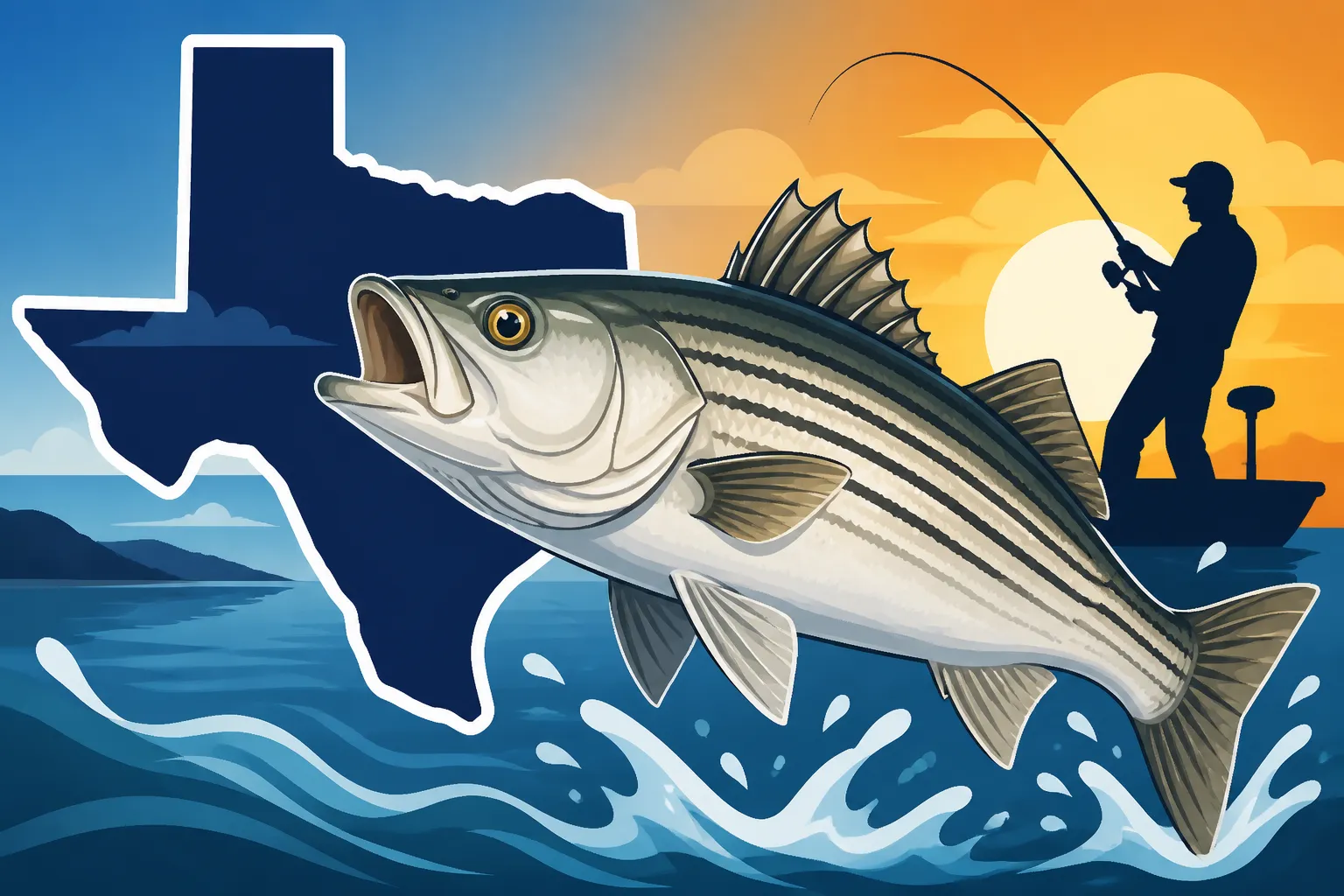
What is the Texas state record striped bass
That moment when your rod bends double, the drag screams, and you feel the raw power of something truly monstrous on the other end of your line—that’s the dream for many Texas anglers. But what about that legendary fish, the one that broke all records and etched its name into Texas fishing history? It's a question that ignites the imagination of every angler, from weekend warriors to seasoned pros: What is the Texas state record striped bass? This guide dives deep into the details of that monumental catch, exploring not just the fish itself, but the thrill of the chase, the waters that hold such giants, and what it takes to pursue your own record-breaking dream.
The Allure of Texas Striped Bass Records
There's something uniquely captivating about record-breaking fish, especially when it comes to a powerhouse like the striped bass. These aren't just fish; they're legends in their own right, symbols of perseverance, skill, and a little bit of luck.
Why the State Record Matters to Anglers
For many anglers, the state record isn't just a number; it's a testament to the potential of Texas waters and the enduring dream of a lifetime catch. Imagine the stories, the sheer excitement, and the enduring pride that comes with landing a fish of such epic proportions. It represents the pinnacle of fishing achievement within the state, a benchmark that every dedicated angler secretly—or not so secretly—aspires to reach. When you hear about a fish that tipped the scales and set a new standard, it fuels your own ambition, making you wonder what giants might be lurking just beneath the surface on your next outing. It transforms fishing from a simple pastime into a quest.
Beyond the personal glory, state records also serve as a vital indicator of the health and productivity of our fisheries. A thriving record for a species like striped bass suggests that the water body is rich in forage, has excellent habitat, and is managed effectively. It tells us that these powerful fish are not just surviving, but truly flourishing, growing to incredible sizes that can challenge even the most experienced angler. This kind of information is invaluable for both conservationists and those of us planning our next big fishing trip, pointing us toward the places where true trophies exist.
Understanding Striped Bass in Texas Waters
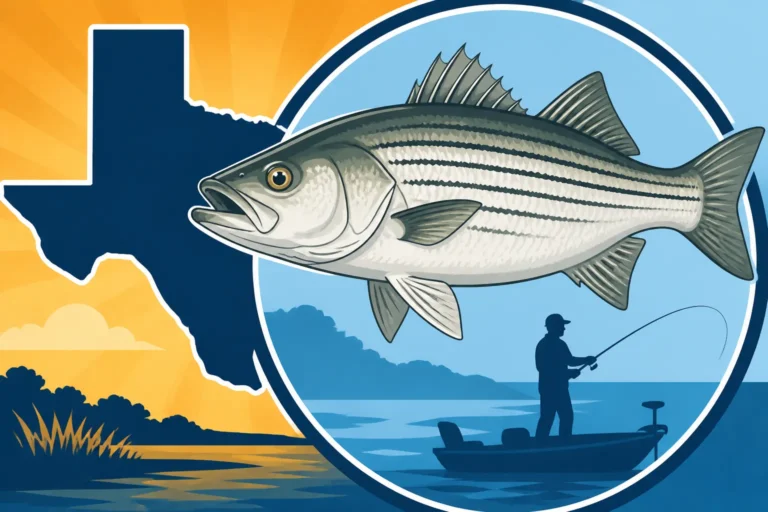
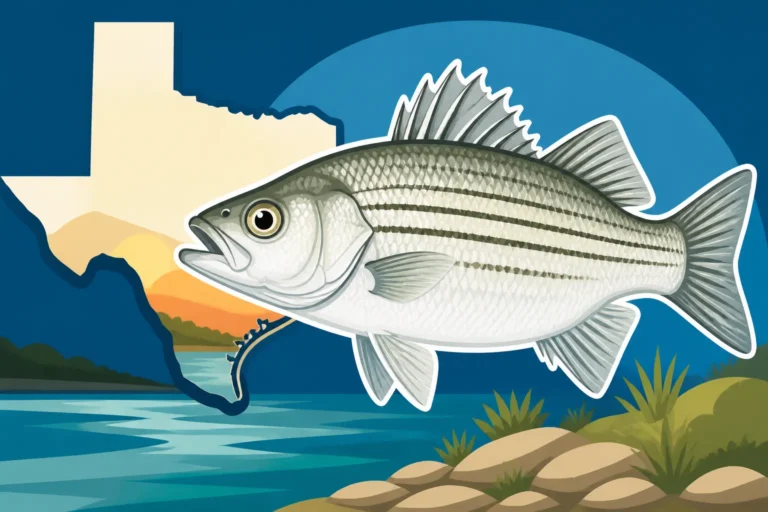
Striped bass, often simply called "stripers," are incredible game fish renowned for their brute strength and voracious appetites. Originally a saltwater species, they have been successfully introduced into many large freshwater reservoirs across Texas, adapting incredibly well to their new inland homes. These fish are characterized by their sleek, silver bodies adorned with distinctive horizontal dark stripes running from gills to tail, making them easily identifiable. They are truly built for speed and power, designed to chase down baitfish in open water.
The Texas Parks and Wildlife Department (TPWD) has been instrumental in establishing self-sustaining populations in some lakes, and maintaining others through regular stocking programs. This means that while some lakes boast naturally reproducing populations, many other popular striper destinations are kept well-stocked, ensuring ample opportunities for anglers. Their presence adds an exciting dynamic to freshwater fishing, offering a different kind of challenge compared to chasing bass or catfish. Understanding their habits, preferred depths, and seasonal movements is key to consistently hooking into these impressive fighters. If you're looking for more detailed information on distinguishing these powerful fish, be sure to check out our guide on Texas Striped Bass Identification Guide.
Unveiling the Texas State Record Striped Bass
Every state record has a story, a moment frozen in time that captures the essence of a monumental catch. The Texas state record striped bass is no exception, a true leviathan that continues to inspire anglers today.
The Current Record Holder and Its History
The current Texas state record for striped bass is an absolutely breathtaking fish, weighing in at 53.50 pounds. This incredible catch was made by Ronald G. Vestal on February 27, 1999, while fishing the abundant waters of Lake Tawakoni. Imagine the sheer power of a fish that size—the fight must have been absolutely legendary, pushing angler and gear to their absolute limits. This wasn't just a big fish; it was a beast, a once-in-a-lifetime encounter that solidified its place in Texas fishing lore.
Vestal's record-breaking striper stands as a testament to the immense potential of Texas's freshwater fisheries. For over two decades, this record has held strong, resisting countless attempts by other dedicated anglers to unseat it. It's a constant reminder that giants truly do swim in our lakes, waiting for the right moment and the right angler. The story of that day on Lake Tawakoni has become part of the fabric of Texas fishing, a benchmark for what's possible when you pursue these powerful open-water predators.
Where the Record Was Caught and Why
Lake Tawakoni, often hailed as the "Striped Bass Capital of Texas," is renowned for its incredible striper fishing, and it's no coincidence that it produced the state record. Located east of Dallas, this large reservoir boasts a vast expanse of open water, deep channels, and an incredibly rich forage base, primarily shad. These conditions create the perfect environment for striped bass to thrive and grow to gargantuan sizes. Stripers are pelagic fish, meaning they prefer open water where they can school and chase baitfish, and Tawakoni offers miles of exactly that.
The lake's depth, combined with its abundant food sources, allows stripers to find optimal temperatures and plenty of sustenance year-round, leading to impressive growth rates. Additionally, Lake Tawakoni has been consistently stocked with striped bass by TPWD for many years, helping to maintain a healthy and robust population. These factors, alongside proper management and conservation efforts, contribute to the lake's reputation as a prime location for trophy stripers. Many anglers flock to Tawakoni specifically with the hope of encountering one of these monstrous fish, proving that when conditions are right, Texas lakes can truly produce world-class catches. If you're interested in other prime locations for these impressive fish, our Lake Texoma Striped Bass Fishing Spots guide is a great resource.
The Journey of a Record-Breaking Catch
Catching a potential state record striped bass is an experience fraught with adrenaline, challenge, and meticulous attention to detail. It starts with preparation: selecting the right heavy-duty tackle capable of handling a fifty-plus-pound fish. This means a stout rod with plenty of backbone, a reel with a smooth, powerful drag system, and strong, reliable fishing line. Many serious striper anglers prefer robust baitcasting setups, spooled with heavy monofilament or braided line, perhaps 20-30 lb test or more, sometimes with a fluorocarbon leader. You can find a vast selection of high-quality fishing line and other tackle on Amazon to get ready for such an endeavor.
Once the fish is hooked, the real battle begins. A striper of record size won't just come to the boat; it will pull, dive, and run with incredible force, testing every component of your gear and every ounce of your strength. The fight can last for what feels like an eternity, requiring careful maneuvering of the boat and constant pressure on the fish to prevent it from breaking off or finding structure. Landing such a fish requires a large, sturdy net or a proficient gaff, and often the assistance of a fishing partner. Once landed, the critical steps for record certification begin: carefully placing the fish in a livewell (if you plan to release), getting accurate measurements, and weighing it on a certified scale at an official weigh station. Documenting every step with clear photos is also crucial for submission to TPWD.
Chasing Your Own Texas Striped Bass Dream
While breaking the state record is an extraordinary feat, the pursuit of a personal best or simply a memorable trophy striper is a common goal for many Texas anglers. With the right knowledge and gear, you can significantly increase your chances.
Top Texas Lakes for Trophy Striped Bass
Texas is blessed with several fantastic lakes that consistently produce large striped bass, offering anglers multiple opportunities to hook into a true trophy. Beyond Lake Tawakoni, other notable contenders include:
- Lake Texoma: Straddling the Texas-Oklahoma border, Lake Texoma is legendary for its striped bass fishery. It's one of the few lakes where stripers reproduce naturally, leading to a robust and healthy population. Anglers here often target stripers by trolling, casting jigs, or using live bait like gizzard shad. It's a vast lake, offering ample room for these schooling fish to roam and grow.
- Lake Whitney: Nestled in the Hill Country, Lake Whitney is another excellent choice for big stripers. Its deep, clear waters and ample baitfish populations make it a prime habitat. Trolling deep-diving crankbaits or presenting live bait near ledges and humps are popular and effective strategies here.
- Belton Lake: Located near Killeen, Belton Lake is a consistent producer of strong stripers. Similar to Whitney, its deep structure and clear water suit striped bass perfectly. Anglers often find success by following bird activity (a sign of schooling baitfish and stripers below) or targeting deep points.
Each of these lakes offers unique challenges and rewards, but they all share the common thread of providing the ideal environment for striped bass to reach impressive sizes. Preparing for a trip to any of these locations means gearing up for a serious fight. You'll want to review your options for Best Fishing Rods for Texas Anglers and ensure you have the right setup.
Essential Techniques for Big Stripers
To consistently target and land big striped bass in Texas, you need a combination of proven techniques and a willingness to adapt. Here are some key strategies:
- Trolling: This is arguably one of the most effective ways to cover large expanses of water and locate active schools of stripers. Use a variety of lures, from deep-diving crankbaits to swimbaits, at different depths and speeds. Pay close attention to your fish finder to identify baitfish schools and predatory arches. Trolling can be particularly effective on big, open lakes like Texoma and Tawakoni.
- Live Bait Fishing: Nothing beats fresh live bait for tempting a trophy striper. Gizzard shad, threadfin shad, or even small perch are excellent choices. Rig them on a Carolina rig or suspend them under a balloon or cork near structure, humps, or over deep open water where stripers are schooling. This method often requires patience but can yield exceptional results for larger, more discerning fish.
- Artificial Lures & Jigs: When stripers are actively feeding on the surface or near bait balls, casting topwater lures, spoons, or heavy jigs can be incredibly productive. Vertically jigging spoons or heavy bucktails directly into schools of fish located on your electronics is also a deadly technique, especially in deeper water. Consider having a variety of proven striper lures in your tackle box; you can easily stock up on a diverse range on Amazon.
- Pattern Recognition: Successful striper fishing often comes down to understanding seasonal patterns, water temperatures, and baitfish movements. In cooler months, stripers might be deeper and more lethargic, requiring slower presentations. In warmer months, especially during low light, they can be aggressive and chase bait near the surface. Pay attention to fishing reports and local knowledge to fine-tune your approach. For more on seasonal strategies, consult our guide on Best Time to Catch Striped Bass in Texas.
What to Do When You Catch a Potential Record
Hooking a fish that you suspect might be a state record is a moment of intense excitement and, frankly, a bit of panic. To ensure your catch is properly certified, every step you take after landing the fish is crucial.
- Confirm the Species: First and foremost, be absolutely certain it's a striped bass and not a hybrid striper. While often similar, hybrids usually have broken stripes and two distinct tooth patches on their tongue (pure stripers have one). Knowing the difference is vital for record submission.
- Handle With Care: If you intend to release the fish or transport it to a certified scale, handle it as gently as possible. Use a large, wet net, avoid dragging it on abrasive surfaces, and keep its gills submerged as much as possible if you're taking photos.
- Measure and Weigh Immediately: While official certification requires a certified scale, get preliminary measurements (length and girth) and an unofficial weight using a reliable scale if possible. This helps you decide if it’s worth the record pursuit.
- Find a Certified Scale: This is non-negotiable for state record submissions. TPWD requires that fish be weighed on a scale that has been certified for accuracy by a reputable authority, typically a county or state weights and measures department. Marinas, tackle shops, and some grocery stores often have certified scales. Call ahead to confirm.
- Document Everything: Take clear, well-lit photographs of the fish from multiple angles, especially showing its entire body, the measurement (if taken), and the weight on the certified scale. Have witnesses present, if possible, and get their contact information.
- Contact TPWD: Immediately notify a TPWD Inland Fisheries biologist or regional director. They will guide you through the official record submission process, which involves paperwork, verification, and possibly a physical inspection of the fish. Do not delay, as freshness can be a factor.
Taking these steps diligently will maximize your chances of having a legitimate state record certified and celebrated.
| Lake Name | Primary Striped Bass Appeal | Key Fishing Techniques | Notes |
|---|---|---|---|
| Lake Tawakoni | "Striped Bass Capital," home to the state record | Trolling, live shad, vertical jigging, following birds | Known for large fish; consistent stocking. |
| Lake Texoma | Naturally reproducing population, consistent action, large schools | Trolling, live shad, topwater when stripers are schooling | Borders Oklahoma; check reciprocal license rules. |
| Lake Whitney | Deep, clear waters, trophy potential | Trolling deep-diving lures, live bait near structure | Scenic Hill Country lake; great for boat fishing. |
| Belton Lake | Reliable producer, good year-round fishing | Trolling, live bait, chasing schooling fish on electronics | Central Texas lake, popular with local anglers. |
Beyond the Record: The Bigger Picture of Texas Striped Bass
While the thrill of the record chase is undeniable, it’s important to remember the broader context of striped bass fishing in Texas – the conservation efforts and the overall health of our aquatic ecosystems.
Conservation Efforts and Healthy Fisheries
The ability of Texas lakes to produce record-breaking striped bass isn't accidental; it's the result of strategic conservation and management efforts by the Texas Parks and Wildlife Department. TPWD regularly monitors striped bass populations, conducts stocking programs where natural reproduction is limited, and implements regulations designed to maintain healthy fish stocks. These regulations include bag limits and length limits, which are crucial for protecting juvenile fish and allowing mature fish to grow to trophy sizes and contribute to spawning.
Anglers also play a vital role in conservation. Practicing responsible catch and release, especially for larger breeding fish, helps ensure the future of the fishery. Minimizing stress on released fish by handling them gently, using appropriate tackle, and releasing them quickly contributes significantly. By adhering to regulations and respecting the resource, we all help ensure that future generations of anglers have the opportunity to experience the thrill of catching these magnificent fish. Investing in good quality catch-and-release tools, like dehookers and proper nets, is an excellent way to support these efforts, and many reliable options can be found on Amazon.
The Striped Bass's Role in the Texas Ecosystem
Striped bass are apex predators in many of the freshwater ecosystems they inhabit in Texas. They play a significant role in controlling baitfish populations, particularly gizzard shad and threadfin shad, which are often super-abundant in Texas reservoirs. By preying on these forage species, stripers help maintain a natural balance within the food chain. Their presence can influence the health and behavior of other game fish as well, as they compete for food and habitat.
The success of striped bass in Texas lakes highlights the adaptability of this species and the dynamic nature of our aquatic environments. Understanding their ecological impact helps us appreciate not just the excitement of catching them, but also their integral position within the complex web of life in our lakes and rivers.
The Joy of the Pursuit
Ultimately, fishing, whether for records or simply for recreation, is about the joy of the pursuit. It’s about the peace of being on the water, the challenge of outsmarting a fish, the camaraderie with fellow anglers, and the unforgettable moments that make up a lifetime of memories. While a state record is a phenomenal achievement, the true reward often lies in the journey itself—the early mornings, the perfect cast, the thrilling fight, and the sheer wonder of connecting with nature.
Texas offers unparalleled opportunities for anglers to chase their striped bass dreams, whether that dream is a new state record, a personal best, or just a fun day on the lake. With its diverse fisheries and dedicated community, the Lone Star State continues to be a premier destination for those who seek the power and thrill of the striped bass.
Disclaimer
This article is for general informational purposes only and does not constitute professional advice. Laws, prices and regulations vary by location and change over time. Consult a qualified professional for guidance on your specific situation.