Best boat cover for Texas weather
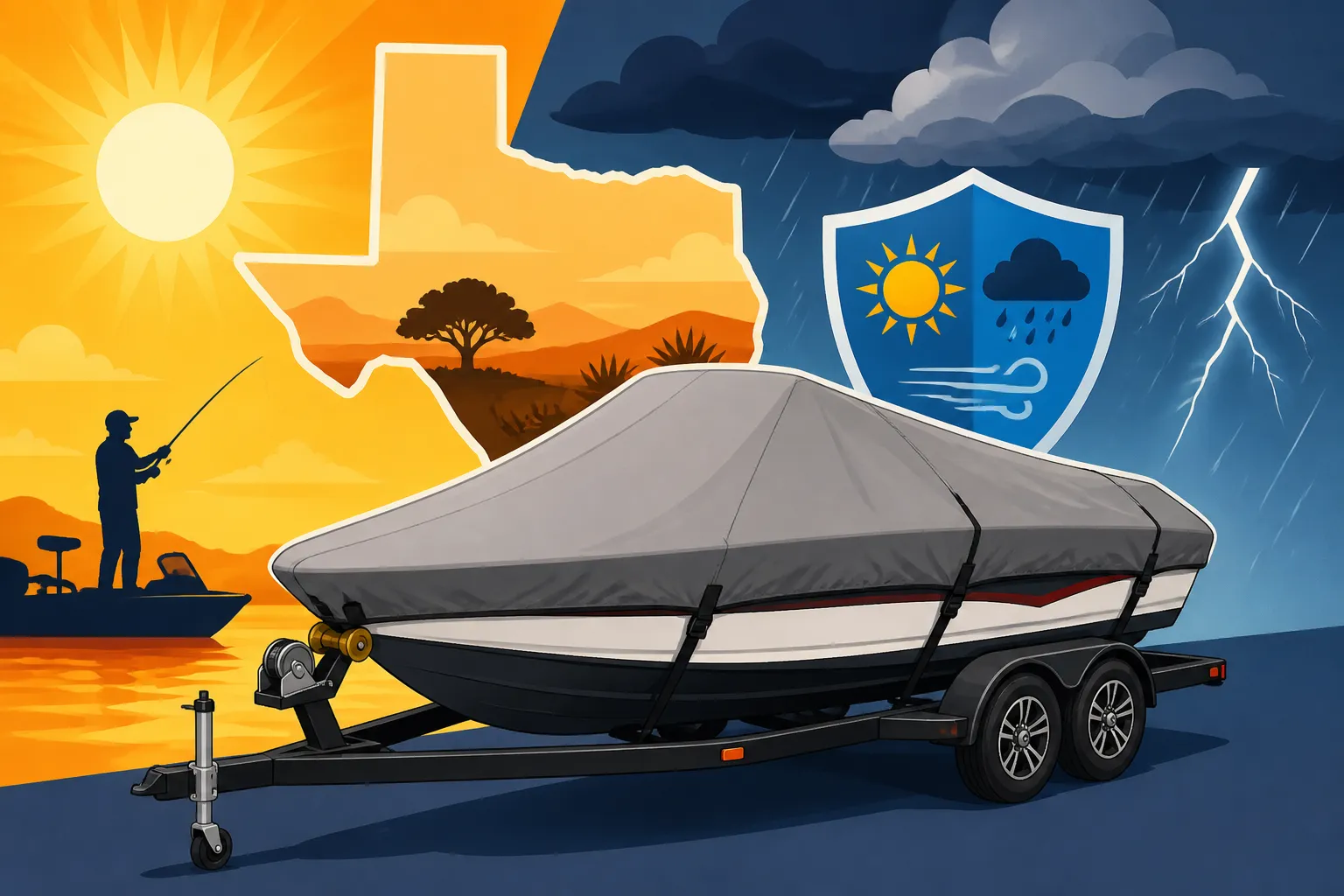
If you own a boat in Texas, you know our weather isn't just "weather"—it's an experience. From the scorching summer sun that feels like it's trying to melt your gel coat to sudden, violent thunderstorms with hail and winds that whip through like a freight train, your beloved vessel faces a gauntlet of environmental challenges. Finding the best boat cover isn't just about keeping leaves out; it's about providing crucial protection against these extreme conditions and preserving your investment for years of enjoyment on our beautiful lakes and bays. This guide will help you navigate the options and choose a cover that truly stands up to the demands of the Lone Star State.
Understanding the Unique Challenges of Texas Weather for Boat Covers
Texas weather is a beast, plain and simple. It's not enough to just throw any old tarp over your boat and call it a day. Our climate presents specific, formidable challenges that a good boat cover must be designed to combat. Skimping here can lead to accelerated wear and tear on your boat, costing you far more in the long run.
Intense UV Radiation and Sun Damage
Let's be real, the Texas sun doesn't play around. Those bright, sunny days that are perfect for being out on the water are also brutally hard on anything left exposed. The sun's ultraviolet (UV) rays are relentless, constantly bombarding your boat's surfaces.
A low-quality cover or one not designed for heavy UV exposure will degrade rapidly. You'll see it start to fade, become brittle, and eventually crack or tear. But more importantly, the UV rays will penetrate through, slowly baking your boat's upholstery, fading the gel coat, and even weakening plastics and wiring. This isn't just cosmetic; it can lead to costly repairs down the road, from redoing faded seating to buffing out oxidized fiberglass. Think of your boat cover as sunscreen for your vessel, and in Texas, you need SPF 1000.
High Temperatures and Humidity
Beyond the UV rays, Texas summers bring sweltering temperatures and often stifling humidity. These conditions can create a microclimate under your boat cover if it's not designed to breathe. Imagine sealing your boat in a plastic bag on a 100-degree day – that's what happens with inadequate ventilation.
Excessive heat can warp plastic components, degrade adhesives, and accelerate the aging of vinyl and fabrics inside your boat. The humidity, trapped with no escape, is a breeding ground for mold and mildew. Nothing ruins the anticipation of a fishing trip faster than pulling back your cover to find green and black splotches all over your seats, carpets, and console. A good cover helps regulate this environment, keeping things cooler and drier.
Sudden Storms and High Winds
Just when you think you've got summer figured out, a pop-up thunderstorm rolls in, seemingly out of nowhere, bringing torrential rain, hail, and often fierce winds. These storms can be devastating to an ill-fitting or flimsy boat cover.
A cover that doesn't fit snugly or isn't secured properly can become a giant kite in high winds, ripping itself apart or, worse, tearing off and exposing your boat to the elements. Even if it stays on, flapping fabric can rub and chafe against your boat's surfaces, causing abrasive damage to paint and gel coat. Hail, of course, is its own challenge, requiring a cover with some degree of padding or robust material to offer even minimal protection. This is where a secure, reinforced cover truly earns its keep. For more on protecting your vessel, check out Texas Boat Safety Equipment Requirements.
Dust, Pollen, and Debris Accumulation
Texas isn't just about sun and storms; we also have a generous amount of dust, especially during dry spells, and a seemingly endless pollen season. Whether you store your boat outdoors, under a carport, or even in a garage, dust and pollen find a way in.
A good cover acts as a barrier, keeping these fine particulates from settling into every nook and cranny of your boat. This is not just for cleanliness; dust can be abrasive, and pollen can be notoriously sticky and hard to remove from gel coats and upholstery once it bakes on. Beyond that, leaves, twigs, bird droppings, and other organic debris can accumulate, leading to stains, scratches, and, if left wet, mold and mildew growth. A well-designed cover minimizes these annoyances, making your boat ready for the water with less hassle.
Key Features to Look For in a Texas-Friendly Boat Cover
When you're shopping for a boat cover in Texas, you're not just buying a piece of fabric; you're investing in protection. Knowing what features truly matter can save you a lot of headache and money in the long run. Don't just grab the cheapest option; consider these crucial elements to ensure your boat is well-protected.
Material Matters: Durability and UV Resistance
The fabric your boat cover is made from is arguably the most critical factor for Texas conditions. It needs to be tough, long-lasting, and specifically engineered to stand up to our intense sun.
- Polyester: This is a very common material for boat covers, and for good reason. It offers good strength, resistance to stretching and shrinking, and when treated, excellent UV protection. Look for marine-grade polyester that's been solution-dyed, which means the color is embedded in the fibers rather than just on the surface, making it much more fade-resistant. Brands like Shoretex or Westland often use robust polyester weaves.
- Acrylic (e.g., Sunbrella): Often considered the gold standard, woven acrylic fabrics like Sunbrella are known for their exceptional UV resistance and breathability. They tend to be more expensive but offer superior colorfastness and longevity in harsh sun. They're also naturally water-repellent while still allowing air to circulate, which is a huge bonus for preventing mildew. If you're serious about long-term protection against the Texas sun, acrylic is a fantastic choice, often available through custom cover manufacturers or higher-end off-the-shelf options.
- Fabric Weight (Denier): The denier number indicates the thickness and density of the fibers. Higher denier (e.g., 600D, 900D, 1200D) generally means a heavier, more durable fabric that's more resistant to tearing and abrasion. While heavier isn't always better (it can be bulkier), for Texas, leaning towards a higher denier is a smart move for durability against wind and debris.
Always check for explicit mentions of "UV resistant," "fade resistant," or "marine-grade" in the product description. A cover without these specific properties will likely deteriorate quickly under our Texas sun.
Ventilation Systems and Moisture Control
As we touched on earlier, trapping heat and humidity under your cover is a recipe for disaster. Effective ventilation is non-negotiable for a Texas boat cover.
Look for covers that incorporate vents, typically mushroom-shaped or mesh panels, designed to allow air to circulate while still preventing water intrusion. These vents should be strategically placed to encourage airflow from one end of the boat to the other. Proper ventilation helps dissipate heat build-up and, crucially, prevents the growth of mold and mildew on your boat's interior. Some higher-end covers might even feature specialized breathable fabrics that allow moisture vapor to escape while remaining waterproof. Without good ventilation, even the best materials can't prevent moisture problems, especially if your boat isn't completely dry when covered.
Secure Fastening and Trailerability
In Texas, even a "calm" day can suddenly turn windy. A boat cover needs to stay put, whether your boat is parked in the driveway or flying down I-35 at highway speeds.
- Strong Straps and Buckles: Look for heavy-duty straps with quick-release buckles made from durable materials like nylon webbing and robust plastic or metal. The straps should be adjustable and numerous enough to create a tight, secure fit all around the boat.
- Reinforced Stress Points: Areas where straps attach or where the cover might rub against sharp edges (like windshield corners or cleats) should be reinforced with extra layers of fabric or stitching. These are common failure points, especially in high winds.
- Elastic Hems: A strong elastic hem sewn into the bottom edge of the cover helps it cling tightly to the hull, minimizing flapping and keeping debris out.
- Trailering Compatibility: If you plan to tow your boat with the cover on, you must choose a cover specifically labeled as "trailerable." These covers have extra reinforcement, stronger seams, and a more robust fastening system to withstand the incredible forces of highway winds. A non-trailerable cover will quickly shred itself and potentially damage your boat or become a road hazard. When purchasing from retailers like Bass Pro Shops or Amazon, pay close attention to reviews regarding how well covers perform during trailering. You want something that holds tight and doesn't billow excessively. For tips on towing safely, consider How to trailer a boat safely on Texas highways.
Fit and Design: Custom vs. Semi-Custom vs. Universal
The fit of your boat cover directly impacts its effectiveness and longevity. A cover that's too loose will flap and chafe; one that's too tight might be impossible to get on or could tear at the seams.
- Universal Covers: These are the most affordable and widely available, often found on Amazon or at big box stores. They're designed to fit a range of boat sizes and styles. While they might get the job done for occasional short-term storage, they rarely offer a snug fit. This means more flapping, more potential for water pooling, and less protection against high winds. For consistent Texas weather, universal covers are usually a compromise.
- Semi-Custom Covers: These covers are designed for specific boat styles (e.g., V-hull runabout, center console, pontoon) and length ranges. They offer a much better fit than universal covers, often accommodating common features like windshields, bow rails, and swim platforms. This improved fit means less flapping, better water run-off, and enhanced overall protection. They strike a good balance between cost and performance for many Texas boat owners.
- Custom-Fit Covers: These are tailor-made precisely for your boat's make, model, and year, taking into account all its unique features like towers, motors, and trolling motors. Custom covers offer the absolute best protection because they fit like a glove, virtually eliminating flapping and water pooling. They are the most expensive option but offer superior durability, aesthetics, and peace of mind in extreme conditions. Many local marine shops and specialized cover manufacturers can create custom covers, often using premium materials like Sunbrella. This is the ultimate protection for your investment, especially for long-term outdoor storage in Texas.
Types of Boat Covers Best Suited for Texas Conditions
When you're outfitting your boat for the unpredictable Texas climate, it's helpful to know that not all covers are created equal, nor are they designed for the same purpose. Understanding the different types available will help you make the best choice for your specific storage and usage needs.
Storage/Mooring Covers
A storage or mooring cover is exactly what it sounds like: a cover designed for when your boat is stationary. This could be while it's sitting on a trailer in your driveway, parked at a marina slip, or lifted out of the water. Their primary job is to protect your boat from the elements when it's not in motion.
For Texas, a good storage cover needs to prioritize UV resistance, breathability, and water repellency. You're looking for a cover that can endure months of intense sun without degrading, allow air circulation to prevent mildew in humid conditions, and shed rainwater effectively. These covers typically feature strong elastic hems and tie-down points to secure them against strong winds. They often come with pole support systems to create a peak, preventing water from pooling on the cover, which is critical during heavy Texas downpours. Think of this as your everyday armor for your boat, guarding it against everything from bird droppings to blazing sun and sudden storms.
Trailering Covers
If you frequently tow your boat, especially on Texas highways where speeds are high and winds can be fierce, a dedicated trailering cover is an absolute must. Using a non-trailerable cover for towing is a surefire way to destroy the cover and potentially damage your boat.
Trailering covers are built with significantly more robust materials and reinforced stitching at all stress points. They feature more elaborate and stronger fastening systems, often including multiple strap attachments that go under the hull to cinch the cover down tightly. This tight fit is crucial to prevent the cover from flapping, billowing, and eventually tearing apart due to the immense wind pressure generated at highway speeds. Look for covers specifically advertised as "trailerable" and review their fastening methods carefully. A good trailerable cover will have straps that are integrated into the design, not just bungee cords, to ensure maximum security. While they might take a few extra minutes to secure properly, the peace of mind knowing your boat and cover are safe on the road is invaluable. You'll find many suitable options from manufacturers at Bass Pro Shops or by checking marine specialty sites. Consider what you need for travel; a cover that's good for trailering will also offer excellent protection while stored at home.
Custom-Fit Covers
For boat owners who demand the absolute best protection and a seamless look, custom-fit covers are the ultimate solution, especially for the challenging Texas environment. These covers are precisely patterned and sewn to fit the exact contours of your specific boat make and model, accounting for all its unique features.
The advantage of a custom fit is multifold: minimal flapping in the wind, which greatly reduces wear and tear on both the cover and your boat's finish; superior water run-off due to the snug design; and a much cleaner, more professional appearance. Because they're designed for your boat's exact dimensions, custom covers typically offer better access points for fuel fills or cleats, and they often integrate ventilation systems more effectively. They are usually made from premium, durable, and highly UV-resistant materials like Sunbrella, ensuring maximum longevity even under the harshest Texas sun. While they represent a larger upfront investment, a custom-fit cover will often outlast multiple generic covers, making it a cost-effective choice in the long run, particularly for high-value boats or those stored outdoors year-round. You might find custom options through specialized online retailers or by consulting local marine upholstery shops.
Maintenance Tips for Extending Your Boat Cover's Life in Texas
Even the best boat cover isn't a "set it and forget it" item, especially in Texas. A little regular care can significantly extend its lifespan, ensuring it continues to protect your boat effectively against our challenging climate. Neglecting your cover is like neglecting your boat itself – it leads to premature wear and potential problems.
Regular Cleaning and Inspection
Keeping your cover clean isn't just about aesthetics; it's about preserving the fabric's integrity. Dust, pollen, bird droppings, tree sap, and environmental pollutants can degrade the material over time, reducing its water repellency and breathability.
Aim to clean your boat cover regularly, especially after major dust storms or pollen outbreaks. A soft brush or broom can remove loose debris, followed by a gentle rinse with plain water. For more stubborn grime or mildew, use a marine-specific fabric cleaner or a mild soap solution (like dish soap diluted in water). Always test a small, inconspicuous area first to ensure it doesn't affect the fabric's color or coating. Use a soft brush to gently scrub, then rinse thoroughly. Never use harsh chemicals, bleach, or a pressure washer, as these can strip protective coatings, damage the fabric fibers, and void warranties. While you're cleaning, take the opportunity to inspect the cover for any small tears, frayed seams, or areas where the UV coating might be showing signs of degradation. Catching small issues early can prevent them from becoming major problems.
Proper Installation and Support
How you put your cover on and support it makes a huge difference in its performance and longevity. A poorly installed cover is an ineffective cover, vulnerable to the elements.
- Ensure a Tight Fit: Always pull your cover as taut as possible, making sure all straps are securely fastened and adjusted. A loose cover will flap in the wind, causing friction, abrasion, and unnecessary stress on seams and attachment points. The constant flapping is a leading cause of premature cover failure, especially with Texas winds.
- Prevent Water Pooling: This is critical during our intense rain showers. Water pooling creates heavy pockets that stress the fabric, can lead to stretching and tearing, and eventually allow water to seep through. Use boat cover support poles, arches, or a frame system to create a high point that allows water to run off naturally. Even a simple system using PVC pipe can make a significant difference. Placing these supports under the cover helps maintain a tent-like shape, ensuring excellent drainage. Many covers from brands found on Bass Pro Shops will come with basic pole kits, but you might need to add more depending on your boat's length.
- Pad Sharp Edges: Look for any sharp corners or edges on your boat (windshields, cleats, navigation lights) that could rub against and abrade the cover. Use old towels, foam padding, or specific cover protectors to cushion these points and prevent chafing damage. This small effort can prevent major tears over time.
Repairing Minor Damage
Accidents happen, and even the toughest cover can get a small tear or a frayed seam. Addressing these minor issues promptly is crucial for preventing them from worsening and compromising your boat's protection.
For small tears or holes, marine-grade repair kits are readily available and often include adhesive patches or fabric that can be sewn on. Make sure the patch material is compatible with your cover's fabric (e.g., polyester patch for a polyester cover) and is also UV-resistant. For frayed seams, a simple needle and thread (using UV-resistant marine thread) can reinforce the area before it completely unravels. There are also liquid seam sealers that can help waterproof minor worn areas. Don't let a small flaw become a gaping hole; a quick repair can extend the life of your cover by months or even years. Investing in a good repair kit and knowing how to do basic fixes means your cover will remain functional through many seasons. Plus, remember to inspect your boat for any wear and tear that might impact safety; for further reading, check out How to stay safe fishing in Texas summer heat.
Boat Cover Material Comparison for Texas Weather
Choosing the right material for your boat cover is paramount when dealing with the Texas climate. Each material has its strengths and weaknesses, and understanding them will help you make an informed decision based on your priorities and budget.
| Feature / Material | Marine-Grade Polyester (Coated) | Solution-Dyed Woven Acrylic (e.g., Sunbrella) | Canvas (e.g., Cotton/Poly Blend, Treated) | Vinyl (PVC-coated Polyester) |
|---|---|---|---|---|
| UV Resistance | Good to Very Good | Excellent (Industry Leader) | Poor to Fair (Degrades Quickly) | Good (Can Become Brittle) |
| Waterproofness | Excellent (with good coating) | Excellent (Water Repellent, Breathable) | Fair (Needs Frequent Re-treatment) | Excellent |
| Breathability | Fair to Good | Excellent (Allows Moisture Vapor Escape) | Good (Absorbs Water) | Poor (Traps Moisture) |
| Mildew Resistance | Good (If Kept Dry/Vented) | Excellent (Resists Growth) | Poor (Prone to Mildew) | Good (But Can Trap Condensation) |
| Durability/Tear | Good (Higher Denier is Better) | Excellent (Strong Weave) | Fair (Can Rip) | Good (Can Crack in Cold) |
| Weight | Medium | Medium | Heavy | Heavy |
| Cost | $$ | $$$$ | $ | $$ |
| Best for Texas | Good all-around choice for many boats, especially semi-custom and trailerable covers. Provides solid protection at a reasonable price. | Top choice for long-term outdoor storage and maximum sun protection. Worth the investment for high-value boats. | Generally not recommended for consistent outdoor Texas exposure. Best for temporary, shaded use. | Good for ultimate waterproofness, but poor breathability makes mildew a high risk in humid Texas. Not ideal. |
As you can see, for comprehensive protection against the relentless Texas sun and humidity, marine-grade polyester and especially solution-dyed acrylic fabrics stand out. They offer the best balance of UV resistance, water repellency, and breathability—features that are non-negotiable for a boat cover that will survive more than one season in our state. If you are looking at options on Amazon, always dive into the specifics of the material and check customer reviews from people in similar hot climates.
Ultimately, the best boat cover for Texas weather is one that provides superior UV protection, excellent ventilation, and a secure fit, all made from durable, marine-grade materials. Investing in a quality cover is a smart decision that will protect your boat, save you money on repairs, and ensure more enjoyable days on the water.
Disclaimer
This article is for general informational purposes only and does not constitute professional advice. Laws, prices and regulations vary by location and change over time. Consult a qualified professional for guidance on your specific situation.