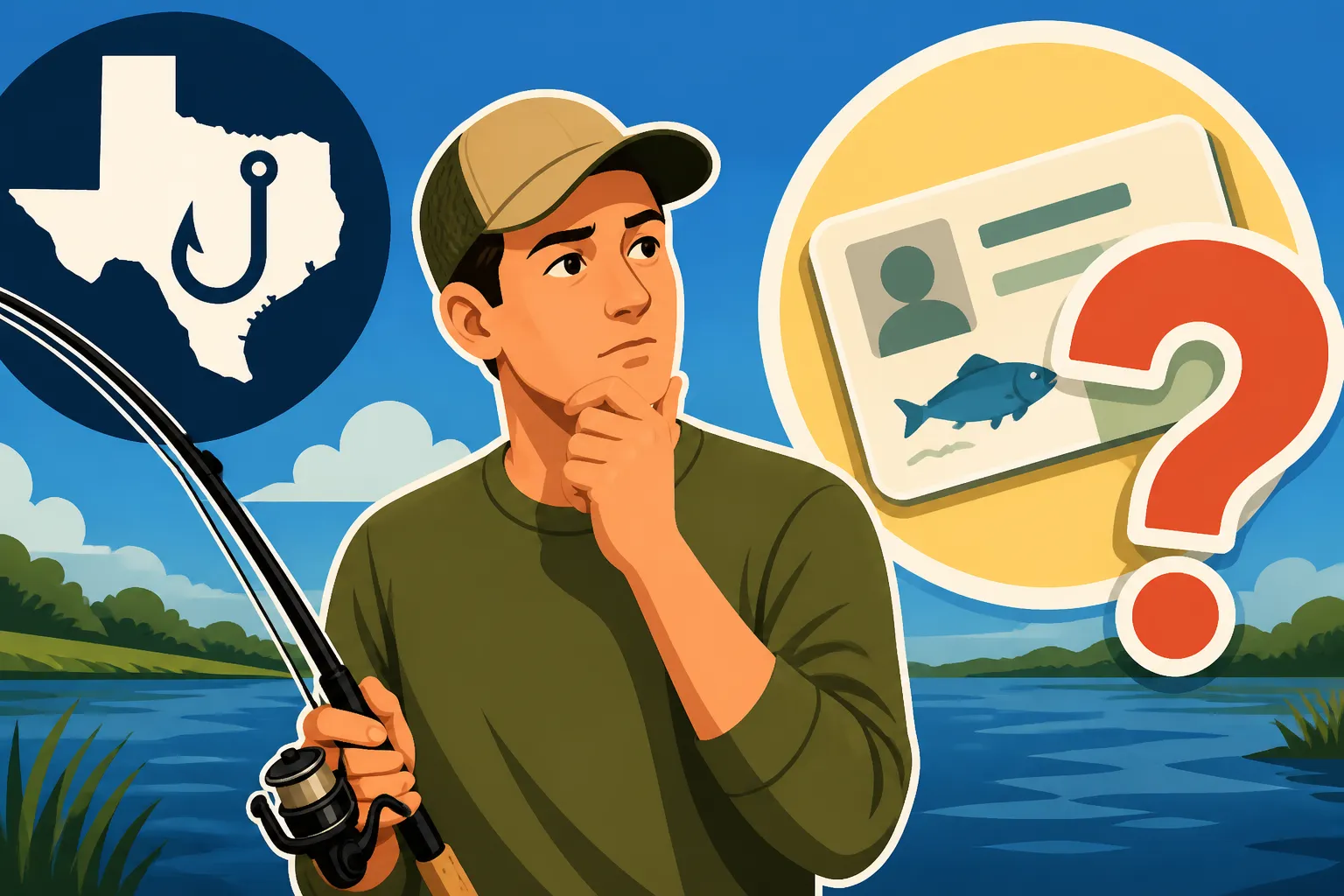
Do you have to carry your Texas fishing license while fishing?
There’s nothing quite like the excitement of hitting your favorite Texas fishing spot, whether it’s a tranquil freshwater lake or the salty expanses of the Gulf Coast. But in the rush to pack your rods, reels, and tackle, many anglers often wonder about the little piece of paper or digital credential that allows them to cast a line: their fishing license. It's a common point of confusion and sometimes even anxiety – do you really need to have it on you at all times, or is it okay to leave it in the truck? This guide will clear up all the uncertainties surrounding your Texas fishing license, ensuring you're always prepared and fishing legally.
Understanding the Texas Fishing License Requirement
Let's cut right to the chase because this is a question that stresses out many anglers, especially if they're new to the game or just haven't had a run-in with a game warden before. The short answer is a resounding yes, you absolutely must have proof of your valid Texas fishing license with you whenever you are fishing. It’s not just a suggestion; it’s a legal requirement designed to help preserve our state’s incredible aquatic resources and ensure everyone is contributing their fair share to conservation efforts.
The Legal Obligation to Carry Proof
The Texas Parks and Wildlife Department (TPWD) regulations are pretty clear on this: any person required to have a fishing license must have that license in their immediate possession while engaging in fishing activities. Think of it like your driver's license when you're behind the wheel – you need it handy in case you're asked to present it. Game wardens are out there specifically to ensure compliance, and they have the authority to ask you to produce your license at any time you are fishing.
This isn't about being punitive; it's about responsible resource management. The funds generated from fishing license sales directly support crucial programs like fish stocking, habitat restoration, and enforcement. So, when you carry your license, you're not just avoiding a potential penalty; you're also playing a vital role in maintaining the health and abundance of Texas fisheries for future generations. For a complete rundown, you might want to read our detailed guide on Texas Fishing License Requirements Explained.
Physical vs. Digital Display
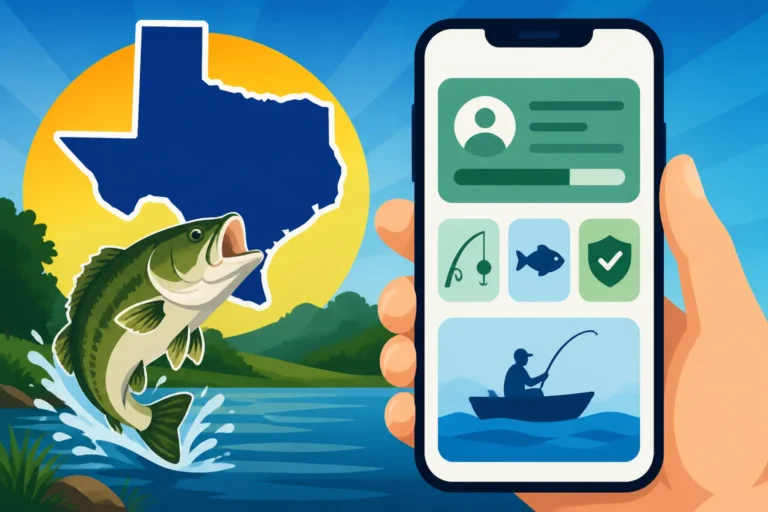
In our increasingly digital world, the good news is that Texas has kept pace. While many of us remember the days of only having a physical paper license, today you have options. You can carry your actual paper license, or you can present an electronic version on your smartphone or other mobile device. This flexibility is a huge relief for many, as it means one less piece of paper to worry about losing to the elements or simply misplacing.
However, choosing the digital route comes with its own set of considerations. What if your phone battery dies? What if you're in a remote area with no cell service? These are legitimate concerns that need to be addressed before you rely solely on your phone. Game wardens understand technology, but they also need to verify your license in the field, so having a plan B is always a good idea. We cover this in more detail in our article, Can you show a Texas fishing license on your phone?.
Your Valid Texas Fishing License: What It Looks Like
Understanding that you need to carry your license is just the first step. The next is knowing exactly what "proof of license" entails. It's not always just a single piece of paper, especially with the various endorsements and special permits that Texas offers.
Types of Acceptable Documentation
When a game warden asks for your license, you have a few ways to present it:
- The Physical License: This is the traditional option. When you buy your license from a retailer like a sporting goods store, Walmart, or a bait shop, you'll receive a paper document. This document, often printed on thermal paper, is your official license. It'll have your name, address, license type, unique customer ID, and the expiration date. It's advisable to protect this paper from water and tearing, perhaps by laminating it or placing it in a waterproof holder.
- The TPWD Outdoor Annual App: This free app, available on both iOS and Android devices, is a game-changer for digital-savvy anglers. Once you purchase your license, it often populates into the app within a few hours (though sometimes it takes a full business day). You can then display your license directly from your phone. This is a legitimate and widely accepted form of proof. For more details, check out our piece on the Texas fishing license mobile app explained.
- Temporary Authorization: If you buy your license online or over the phone, you'll typically receive a temporary authorization number or a receipt via email that serves as proof for a short period until your official license is processed or appears in the app. Always save this temporary proof! It’s what you rely on if you hit the water immediately after purchasing.
It's crucial that whatever format you choose, it clearly displays all the necessary information, including your full name, customer ID, the specific license type, and the valid dates.
Essential Endorsements and Stamps
Many anglers mistakenly believe that purchasing a basic fishing license is all they need. However, depending on where and what you're fishing for, you might need additional endorsements or stamps to be fully legal. These are not separate licenses, but rather add-ons that grant specific fishing privileges.
- Saltwater Endorsement: If you're planning to cast a line in any of Texas's coastal waters – bays, estuaries, or the Gulf of Mexico – you must have a saltwater endorsement in addition to your general fishing license. This is a critical requirement that many freshwater anglers overlook when venturing to the coast. Without it, you're technically fishing illegally in saltwater. You can learn more about this by reading our article, Texas Saltwater Endorsement Explained.
- Freshwater Fishing Stamps: While not always called "stamps" in the same way, some specialized freshwater fishing, like for certain species or in specific areas, might have unique rules or require additional permits. For most standard freshwater angling, the general freshwater license is sufficient, but it's always wise to double-check the latest TPWD Outdoor Annual for any niche requirements.
Remember, carrying your basic fishing license but lacking the required endorsement for the specific water body or species you're targeting is still considered non-compliance. Always ensure your license package matches your intended fishing activity.
Smart Ways to Keep Your License Accessible and Protected
No one wants their fishing trip interrupted by a citation, and definitely no one wants the headache of replacing a lost license. Keeping your license accessible and safe is simpler than you might think with a few smart habits.
Physical Safeguards
If you prefer the tangible feel of a paper license, protecting it from the elements and wear and tear is paramount. After all, fishing often involves water, mud, and jostling around in a tackle box.
- Lamination: This is an oldie but a goodie. Many retailers or office supply stores offer lamination services for a small fee. A laminated license is virtually impervious to water damage and rips, making it incredibly durable for seasons of use.
- Waterproof Wallet or Pouch: Investing in a small, waterproof wallet or dry pouch is an excellent idea. These can easily fit into a tackle box, a vest pocket, or even attach to your belt loop. Brands like Simms, YETI, or even generic options found on Amazon offer great solutions for keeping not just your license, but also your car keys and phone, dry and safe. Just make sure it's easily reachable, not buried at the bottom of a packed cooler.
- Dedicated Spot: Assign a specific, easy-to-remember spot for your license. This could be a clear pocket in your fishing vest, a designated compartment in your tackle bag, or even taped inside the lid of your main tackle box. The key is consistency so you're not rummaging around when a game warden approaches. It's also a good practice to keep a clear, legible photograph of your physical license on your phone as a secondary backup.
Digital Convenience with the TPWD App
For those who embrace technology, the TPWD Outdoor Annual app is truly a fantastic tool for managing your license. It's available for free download from your device's app store.
- How to Use It: Once downloaded, you'll log in using your TPWD customer ID (or create one if you're new). Your purchased licenses should appear automatically. Simply tap on your active fishing license, and it will display all the necessary details for a game warden to verify.
- Benefits: The primary benefit is convenience. You're likely already carrying your phone, so it eliminates the need for another physical item. It also keeps your license safe from water damage and loss, as long as your phone itself is safe. The app also offers other handy features, like quick access to regulations and bag limits, which can be invaluable while on the water.
- Challenges and Solutions: The biggest challenge, as mentioned, is battery life and cell service. Always ensure your phone is fully charged before a trip. For areas with spotty service, you can often "download" or screenshot your license within the app when you do have service, storing an image directly on your phone for offline access. Consider bringing a portable power bank, widely available on Amazon or any electronics store, to keep your phone charged throughout the day. This simple item can be a lifesaver, not just for your license, but for emergencies.
Preparing for the Unexpected
Even with the best intentions, things can go wrong. Licenses get lost, phones get dropped in the lake. What then?
- Replacing a Lost License: If you lose your physical license, don't despair! You can replace it relatively easily. You can do this online through the TPWD website, by phone, or in person at any license retailer. There’s usually a small administrative fee for replacement. Our guide on How to replace a lost Texas fishing license walks you through the steps. Having your customer ID handy will speed up the process.
- Backup Copies: Even if you use the digital app, consider keeping a physical paper copy of your license (or at least a clear photocopy) in a dry, safe place in your vehicle or boat. This acts as a robust backup in case your phone is out of commission. It’s a simple step that can prevent a lot of headaches.
Navigating Exceptions and Avoiding Penalties
While the general rule is to always carry your license, Texas does have some specific exemptions and special circumstances. Knowing these can save you a lot of grief – and money.
Who is Exempt from Carrying a License
Not everyone needs a fishing license, which can lead to confusion. If you fall into one of these categories, you're exempt from the requirement to purchase and carry a license:
- Youth Under 17: Lucky kids! Anglers under the age of 17 are not required to have a fishing license in Texas. This is fantastic for encouraging young ones to get outdoors and enjoy fishing. However, they must still adhere to all bag and length limits.
- Older Residents: If you were born before September 1, 1931, you are exempt from needing a fishing license. This "grandfather clause" acknowledges a lifetime of contributions.
- Disabled Veterans: Texas offers incredible support to its disabled veterans. Residents who are legally blind or have a documented service-connected disability of 50% or more, or who have lost the use of a lower extremity, can obtain a free fishing license. You'll still need to carry your official identification proving your veteran status and disability. For more on this, check out What documents prove disabled veteran status for a free Texas license and Texas Disabled Veteran Fishing License Rules.
- Free Fishing Day: Texas typically designates one day a year as "Free Fishing Day," where everyone can fish without a license. This is a great opportunity for beginners or those just looking to try it out. While you don't need a license on this day, all other fishing regulations, such as bag and length limits, still apply.
- Fishing in State Parks: Believe it or not, you often don't need a fishing license to fish from the bank or a pier within the boundaries of a Texas State Park. This is specifically for shoreline fishing within the park. If you leave the park boundaries or fish from a boat, normal license rules apply. You can find more information about this in Free Shoreline Fishing at Texas State Parks.
- Private Waters: If you are fishing exclusively on private property (like a stock pond or lake completely owned and contained within private land) and are either the landowner or have explicit permission from the landowner, a license is generally not required. However, if that water body connects to public waters, or if fish can move between public and private waters, a license is usually needed. When in doubt, get a license!
Even if you're exempt, it's always a good idea to carry some form of identification (like a driver's license) that can confirm your age or status, should a game warden inquire.
The Realities of Non-Compliance
So, what actually happens if you're caught fishing without a valid license when one is required? It's not just a slap on the wrist; it can carry some real financial and legal repercussions.
- Fines and Penalties: Fishing without a valid Texas fishing license is a Class C misdemeanor. This can result in a fine of up to $500. Additionally, you might incur court costs and administrative fees, which can quickly add up and make that original license cost seem like a bargain. Our article on Fine for fishing without a license in Texas details these consequences.
- Fishing Privilege Suspension: In some cases, repeated offenses or particularly egregious violations can lead to the suspension of your fishing and hunting privileges. No one wants to be barred from enjoying their favorite pastime.
- Seizure of Gear: While less common for a simple license violation, in certain situations, especially if other more serious infractions are involved, game wardens have the authority to seize fishing equipment.
- What to Do if Caught: If a game warden approaches you and you realize you don't have your license, be polite and cooperative. Explain the situation honestly. They are professionals, and while they must enforce the law, respectful cooperation can sometimes lead to a less severe outcome, though a citation is still likely. The best defense is always to ensure you have your license on you before you even cast your first line. For a deeper dive into the repercussions, see What happens if you get caught fishing without a license in Texas.
Comparison of License Carrying Options
To help you decide the best way to carry your Texas fishing license, here's a quick comparison of the pros and cons of physical versus digital formats:
| Feature | Physical Paper License | Digital via TPWD App |
|---|---|---|
| Accessibility | Immediately available after purchase (in-person) | Requires phone, app download, and internet access initially |
| Durability | Susceptible to water, tears, fading; can be laminated | Phone durability; app is robust |
| Proof | Universally accepted | Widely accepted by game wardens |
| Backup | Easy to photocopy; can keep in multiple spots | Requires charged phone; can screenshot for offline access |
| Convenience | One more item to remember to carry | Often already carrying phone; less physical clutter |
| Cost | Cost of license + optional lamination/waterproof holder | Cost of license (app is free); potential phone data/power bank |
| Reliability | Relies on physical care | Relies on phone battery, signal, app functionality |
Disclaimer
The information provided in this guide is for general informational purposes only and does not constitute legal advice. While we strive to be accurate and up-to-date, fishing regulations in Texas can change. Always consult the official Texas Parks and Wildlife Department (TPWD) Outdoor Annual or website for the most current and authoritative rules and regulations before heading out to fish.