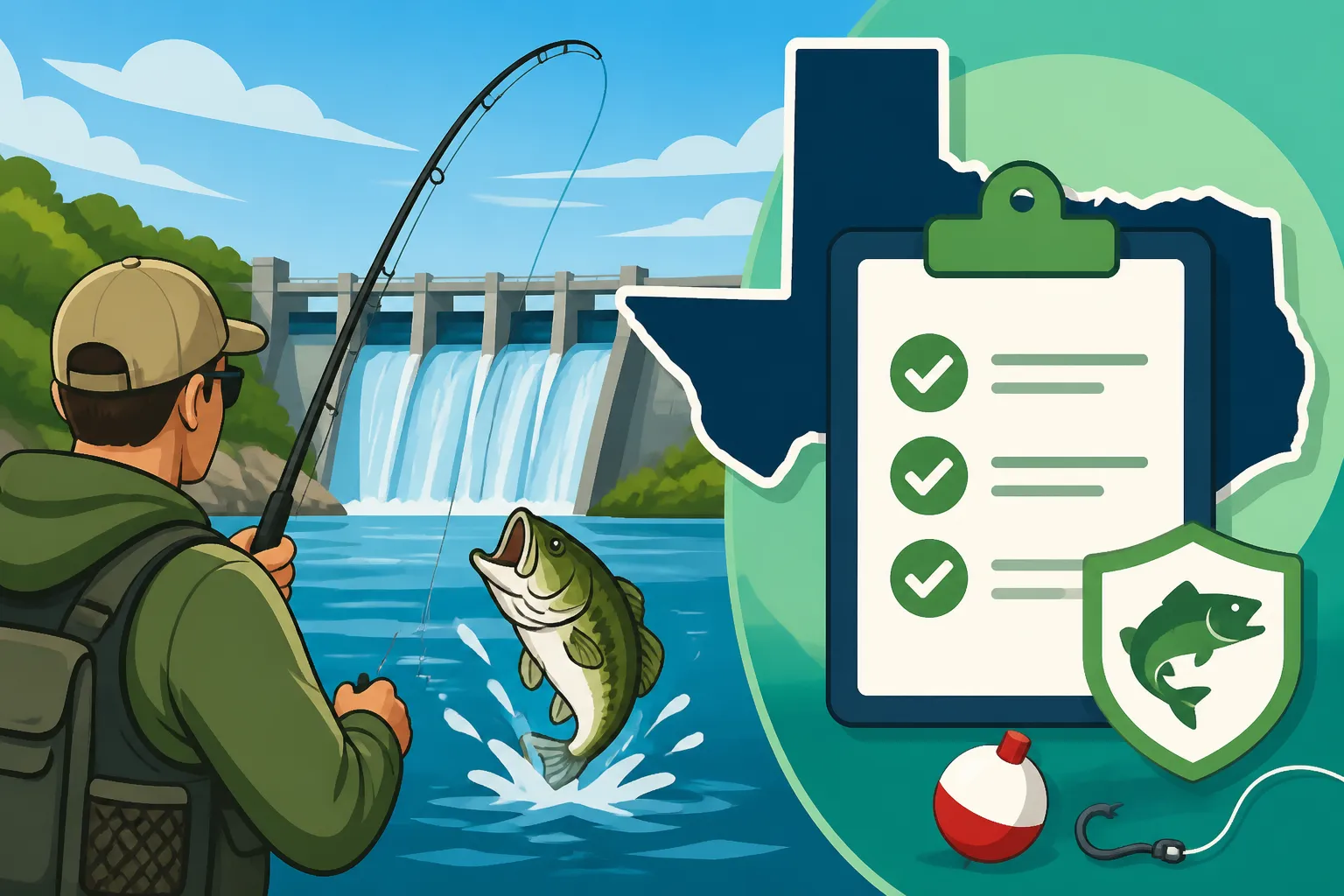
Texas fishing license requirements near dams
It can be incredibly confusing trying to figure out all the nuances of fishing in Texas, especially when you start looking at specific locations like near dams. Many anglers wonder if there are different rules, or even if you need a special license, when you're casting your line in these powerful waterways. This guide is here to clear up that mystery, detailing exactly what you need to know about Texas fishing license requirements when you're looking to fish around a dam, helping you stay legal and safe.
Understanding the "600-Foot Rule" Near Texas Dams
One of the most crucial regulations to grasp when considering fishing near a dam in Texas is the often-talked-about "600-foot rule." This isn't just some arbitrary line drawn in the sand; it's a critical safety and conservation measure that applies across the state. Disregarding it can lead to serious consequences, not just legally, but personally.
The Rationale Behind the Restriction
Let's be real, dams are powerful structures. The immediate area around them, particularly below, can be incredibly dangerous. When gates open for water release or hydroelectric generation, the currents can become swift and unpredictable in a matter of seconds, easily sweeping away an unprepared angler. These areas often have submerged structures, hidden hazards, and drastic changes in water depth that aren't visible from the bank. The 600-foot rule is primarily a safety buffer, designed to keep anglers out of harm's way during these operations.
Beyond safety, the restriction also plays a role in fish management. Certain fish species congregate heavily in these areas, especially during spawning runs or when attracted to the turbulent, oxygenated water. Prohibiting fishing within a certain range helps protect these concentrated populations, ensuring their long-term health and preventing overharvesting during vulnerable periods. It's a balance between providing fishing opportunities and safeguarding our precious aquatic resources.
What Constitutes the Restricted Area
So, where exactly does this 600-foot zone begin and end? The rule generally states that you cannot fish within 600 feet below the outermost structure of any dam or other water impoundment structure. This includes the dam's main structure, spillways, floodgates, and any associated outlet works. It's a significant distance, roughly two football fields, and it's important to visualize that expanse.
This regulation applies uniformly whether the dam is managed by the Texas Parks and Wildlife Department (TPWD), the U.S. Army Corps of Engineers (USACE), or even a local water authority. While the general state rule exists, specific dam sites may have additional local signage or markers indicating the precise boundaries of their restricted areas, which you should always heed. For instance, some areas might be clearly marked with buoys or signs warning anglers to stay clear. Always look for these visual cues and consider them the absolute boundary.
Fishing License Requirements within the Restricted Zone and Beyond
While the 600-foot rule dictates where and how you can fish near a dam, it doesn't eliminate the fundamental requirement for a fishing license. Understanding when and which license you need is key to enjoying your time on the water without worry.
When a License is Absolutely Required
The 600-foot restriction prohibits fishing by line, rod, trotline, or jugline within that specific danger zone. However, if you are outside of that 600-foot area, but still fishing in public waters below or above the dam, a valid Texas fishing license is almost always required. Anyone 17 years of age or older needs a license to legally fish in public waters in Texas, whether that's in a river, lake, or bay. This applies whether you're bank fishing, wading, or using a boat.
For most dam-related fishing, you'll likely be in freshwater, meaning a standard freshwater fishing license or an all-water fishing license will suffice. An all-water license covers both freshwater and saltwater, giving you maximum flexibility. You can find all the details on the various options, including the Texas Fishing License Cost for Residents and Nonresidents, directly through the TPWD website or a licensed retailer. Keep in mind that there are some specific exemptions, such as those covered in the guide for Who Doesn't Need a Texas Fishing License, which typically apply to certain age groups, specific private waters, or during the annual Texas Free Fishing Day.
Specific Prohibitions and Legal Methods Near Dams
Within that 600-foot restricted zone, as mentioned, no fishing with a rod and reel, trotline, or jugline is permitted. This means you cannot cast a line, set out a jug, or deploy a trotline in this immediate area. The enforcement here is strict, as it's directly tied to safety. This isn't the place to try to sneak in a quick cast for that monster striper everyone says hangs out right by the gates.
Once you are safely outside the 600-foot boundary, however, standard Texas fishing regulations apply. You can then use traditional rod and reel setups, fly fishing gear, or even set legal trotlines or juglines, provided you adhere to all other state regulations regarding gear tags, hook limits, and specific fish species limits. Many anglers find great success in the areas just beyond the restriction, where fish often stage. Always double-check local signage at specific dam sites, as some areas may have additional site-specific rules or designated fishing areas that might further restrict certain gear types or access points for everyone's safety and enjoyment.
Consequences of Non-Compliance
Ignoring these regulations, especially the 600-foot rule, carries significant repercussions. If you're caught fishing within the prohibited 600-foot zone, you can expect a citation, which typically involves a hefty fine. In some cases, your fishing gear may even be seized by a game warden. These aren't minor tickets; they are serious offenses designed to deter dangerous behavior and protect wildlife.
Moreover, if you're fishing outside the 600-foot zone but simply don't have a valid fishing license, the penalties are similar to any other instance of fishing without a license in Texas. This also means fines and potential gear confiscation. Game wardens are frequently patrolling popular fishing spots, including areas around dams, precisely because these locations can attract a lot of activity and present unique challenges. It's simply not worth the risk to try to fish without the proper credentials. You can learn more about what to expect if you're caught without the correct documentation in our article on Penalties for Fishing Without a Texas License.
Practical Advice for Fishing Near Texas Dams
Fishing near dams can be incredibly productive, with these areas often acting as magnets for various fish species. However, it requires a careful approach to ensure both your safety and compliance with regulations. A little planning goes a long way.
Checking Local Regulations and Dam Schedules
One of the best pieces of advice for fishing near any dam is to do your homework beforehand. While the 600-foot rule is statewide, specific dams, especially those operated by the U.S. Army Corps of Engineers (like Lake Whitney or Lake Travis), often have their own detailed maps, current conditions, and operational schedules posted online. These resources are invaluable. Checking the dam's generation schedule, for example, can tell you when water releases are expected. This information is not just for safety; it can also help you anticipate fish behavior, as sudden current changes can trigger feeding frenzies or move fish to different areas.
For anglers keen on popular spots like below Canyon Lake Dam, where rainbow trout are regularly stocked during the cooler months, understanding when the dam is releasing water for hydropower is crucial for planning a safe and successful trip. This also holds true for major reservoirs known for their large game fish, like those detailed in our Texas Largemouth Bass Fishing Guide or Texas Striped Bass Fishing Guide. Always look for posted signs at the dam site itself, as these will provide the most up-to-date, hyper-local information.
Recommended Gear and Safety Precautions
Given the potential for strong currents, fishing below a dam often calls for slightly different gear than your typical calm-lake setup. Heavier weights will be necessary to keep your bait on the bottom and prevent it from being swept away. Consider stronger lines, perhaps 15-20 lb monofilament or braided line with a fluorocarbon leader, which can withstand powerful surges and help you land bigger fish in challenging conditions. You can find a wide selection of robust lines and tackle, suitable for these conditions, on platforms like Amazon.
Safety should always be paramount. Even if you're bank fishing, consider wearing a life jacket, especially if the water is flowing swiftly or the banks are steep and slippery. A wading staff can provide extra stability if you plan to get into the water (outside the restricted zone, of course). Always fish with a buddy, particularly in unfamiliar or high-current environments. Be acutely aware of your surroundings, listen for any warning sirens that might indicate a sudden water release, and never turn your back to the current. Submerged rocks and debris can create tripping hazards, so wear appropriate footwear with good grip.
Common Dam Fishing Hotspots and License Considerations
Texas is blessed with numerous reservoirs and rivers that offer fantastic fishing opportunities, many of which are associated with dams. Knowing which locations are popular and understanding their unique license quirks is essential for any angler.
Major Texas Dams Known for Fishing Opportunities
Many of Texas's largest reservoirs were created by dams, and the areas above and below them are often hotspots for various species. For example, below the Lake Texoma Dam on the Red River, anglers flock for excellent striped bass fishing, a species renowned for its fighting prowess. The tailrace areas below dams like Lake Whitney or Canyon Lake (on the Guadalupe River) also draw significant angling pressure, especially for species attracted to cooler, oxygenated water. Below Canyon Lake, for instance, the consistent cold-water releases allow for a unique trout fishery that's popular with fly fishermen.
Regardless of the specific dam, the standard Texas fishing license rules apply. If you're 17 or older and fishing in public waters, you need a license. This might be a Texas Freshwater-Only License Cost or the more versatile Texas All-Water Fishing License Explained. Remember, the "600-foot rule" is a universal safety regulation that applies to all dams in Texas, so always respect those boundaries.
Reciprocal Agreements and Border Water Nuances
One of the most common questions regarding fishing near dams, especially in Texas, centers on Lake Texoma. This massive reservoir straddles the Texas-Oklahoma border, and its dam, Denison Dam, is a major structure. Due to its unique location, fishing Lake Texoma has specific license requirements. Generally, you can purchase a special Lake Texoma fishing license that is valid on the entire lake, regardless of which state issued it. Alternatively, you can hold a valid Texas license and a valid Oklahoma license. It's a bit of a wrinkle, but one that anglers fishing this productive lake need to be aware of. Our detailed guide on Lake Texoma Fishing License Rules covers all the specifics you'll need.
Similarly, other border waters like Toledo Bend Reservoir, which lies on the Texas-Louisiana state line, also have reciprocal agreements. While not directly dam-related in the same way Lake Texoma is with its single large dam, understanding these rules is crucial for cross-state fishing. Our article on Texas-Louisiana Reciprocal Fishing License Rules provides comprehensive information for anglers venturing into these shared waters. Always confirm the specific requirements for any border water you plan to fish, as rules can occasionally change.
Here's a quick reference table to help clarify license needs around Texas dams:
| Scenario | Location | Fishing License Required? | 600-Foot Rule Applies? | Notes |
|---|---|---|---|---|
| Standard Public Fishing | Public waters (river/lake) outside 600ft | Yes (ages 17+) | No | Standard Texas fishing license (freshwater or all-water) needed. |
| Within Prohibited Zone | Within 600ft below dam's outermost structure | No (fishing prohibited) | Yes | No fishing by rod, reel, trotline, or jugline allowed. Safety hazard and illegal. |
| Lake Texoma (Border Water) | Entire lake, above & below dam | Yes (ages 17+) | Yes (below Denison Dam) | Special Lake Texoma license, OR valid TX + OK licenses. Standard 600ft rule below Denison Dam still applies. |
| Private Property | Fully enclosed private pond/lake | No | No | License not required if fishing on private property with owner's permission and the water is not connected to public waters. |
| Texas Free Fishing Day | Public waters (outside 600ft) | No | No | Only on designated Free Fishing Days, but all other regulations (like bag limits and the 600-foot rule) still apply. |
Remember, knowing the rules helps you focus on the fun part: catching fish! Always respect the regulations, prioritize safety, and enjoy the incredible fishing opportunities that Texas dams and their surrounding waters provide.
Disclaimer
The information provided in this guide is for general informational purposes only and does not constitute legal advice. Fishing regulations in Texas can change, and specific local rules may apply. Always consult the official Texas Parks and Wildlife Department (TPWD) regulations and local signage for the most current and accurate information before fishing.