Is noodling legal in Texas?
There's often a lot of head-scratching and whispered conversations around certain fishing techniques, especially those that sound a bit… well, unconventional. Noodling is definitely one of them, and if you've ever heard tales of people wrestling giant catfish out of muddy banks with their bare hands, you've probably wondered if it's even allowed here in the Lone Star State. It's a common question, and frankly, the rules around niche activities like this can be confusing. This guide is here to clear up all that murky water, breaking down whether noodling is legal in Texas, what you need to do to stay on the right side of the law, and everything you should consider before diving in.
The Basics of Noodling in Texas Waters
Let's face it, noodling isn't your grandpa's fly fishing trip, and it's certainly not for the faint of heart. It's a raw, primal way to catch fish that connects you directly to the underwater world in a way few other methods can.
What Exactly is Noodling?
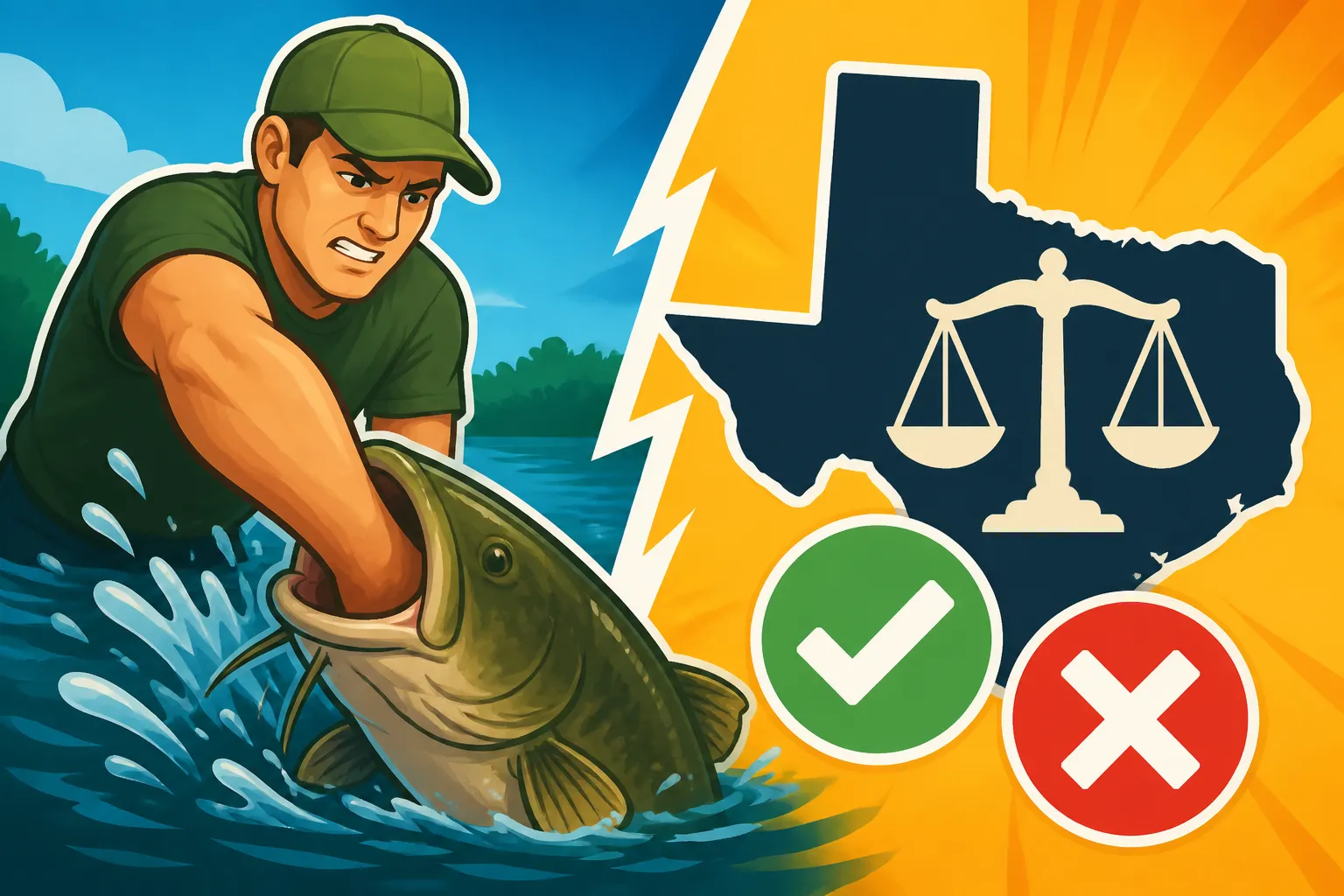
At its core, noodling is hand-fishing, a method of catching fish using nothing but your bare hands. It's almost exclusively aimed at catfish, particularly large flatheads, blue catfish, and channel catfish, which are known for nesting in submerged holes, crevices, and undercut banks during their spawning season. The technique involves wading or swimming in the water, feeling along these underwater structures for a hole that might harbor a fish. Once a potential hiding spot is found, the angler — the "noodler" — carefully reaches their arm inside, feeling around until they locate a fish.
The real adrenaline rush comes next: you provoke the fish, often by wiggling your fingers inside its mouth (which sounds terrifying, I know!), and then, when it clamps down, you wrestle it out of its lair and to the surface. It's a full-contact sport, demanding strength, courage, and a whole lot of nerve. Many traditional noodlers forgo gloves, believing the direct tactile connection helps them better feel the fish and its surroundings. It's a truly ancient method, passed down through generations in many rural communities, a testament to sheer grit and determination rather than fancy gear.
The Legality Status: Is Noodling Allowed?
Here's the direct answer you've been waiting for: Yes, noodling is legal in Texas! For many years, hand-fishing for catfish was actually illegal in the state, much to the frustration of those who grew up practicing the traditional method. This often led to quiet, "under the radar" noodling trips or traveling to neighboring states where it was permitted. However, after considerable debate and advocacy from hand-fishing enthusiasts, the Texas Parks and Wildlife Department (TPWD) officially legalized hand-fishing for catfish. The change came into effect back in 2007, a victory for many who saw it as a cultural heritage worth preserving.
This means you won't get a ticket just for the act of trying to catch a fish with your hands, as long as you adhere to all the other rules and regulations that apply. It's a unique aspect of Texas fishing, and it's important to remember that not all states share this stance. Texas, along with a handful of others like Oklahoma, Alabama, and Arkansas, allows it, but you'll find it strictly prohibited in many places. The legalization brought a unique subculture of fishing out of the shadows and into the mainstream, albeit with specific guidelines to ensure sustainability and safety.
Understanding the Rules and Regulations for Noodling
While the good news is that noodling is legal, it’s not a free-for-all. The Texas Parks and Wildlife Department has established clear rules to ensure fair chase, protect fish populations, and maintain angler safety. Ignoring these rules can lead to hefty fines, just like any other fishing violation.
Licensing and Permits You Need
This is perhaps the most critical rule: anyone participating in noodling in Texas must possess a valid Texas fishing license. There's no special "noodling permit" you need to buy; it falls under the general umbrella of fishing. So, whether you're using a rod and reel, a trotline, or your bare hands, a current fishing license is your entry ticket. If you're 17 years of age or older, or if you're a non-resident of any age (unless specifically exempt), you'll need one.
Typically, for freshwater fishing like noodling for catfish, you'd need a freshwater fishing endorsement or an All-Water Fishing License. This license year runs from September 1st to August 31st each year, regardless of when you purchase it. So, if you bought a license in February, it would still expire on August 31st. It's crucial to check the expiration date on your license before you head out. You can purchase these licenses online through the TPWD website, at most sporting goods stores like Academy Sports + Outdoors, or at local bait shops. Make sure you understand the nuances of Texas Fishing License Requirements Explained and perhaps even how to secure one with our guide on How to Get a Texas Fishing License. Don't ever assume you're exempt; it's always better to be safe than sorry when it comes to state regulations.
Species and Catch Limits
Another vital aspect of legal noodling in Texas is understanding what you can noodle for and how much you can keep. The law is very specific: hand-fishing in Texas is only legal for non-game fish, specifically flathead, blue, and channel catfish. You absolutely cannot use this method to catch any other species, such as largemouth bass, striped bass, crappie, or any saltwater species. Trying to noodle a redfish or a big bass would be a serious violation.
Just like with any other legal fishing method, the regular bag and length limits for these catfish species still apply to noodling. This means you can't just take every fish you wrestle out of a hole. You need to know the specific regulations for each catfish species:
- Blue Catfish: Generally, there's a 25-fish daily bag limit, and fish must be at least 12 inches long. Only 10 of these can be 30 inches or longer.
- Channel Catfish: The daily bag limit is typically 25 fish, with a minimum length of 12 inches.
- Flathead Catfish: These often have a much smaller daily bag limit, usually 5 fish, with a minimum length of 18 inches.
These limits can sometimes vary by water body, so it’s always a good idea to consult the current TPWD Outdoor Annual for the specific lake or river you plan to fish. You can find detailed information in resources like Texas Catfish Bag Limits or more broadly in Texas Freshwater Bag Limits by Species. Failing to observe these limits, even when noodling, can result in significant penalties.
Gear and Method Restrictions
This is where the "bare hands" part really comes into play. The essence of noodling is that it's a direct, unassisted method of capture. Therefore, the regulations strictly prohibit the use of any artificial aid to take the fish. This means:
- No hooks: You cannot use any type of hook, whether attached to a line or not, to assist in catching the fish.
- No gaffs or nets: Once you've got the fish with your hands, you can't use a gaff to pull it out of the water or a net to scoop it up. The fish must be brought to shore or into your boat solely by hand.
- No spears or snares: Any device designed to impale or snare the fish is completely out of bounds.
- No scuba gear or artificial breathing devices: You can't use oxygen tanks or rebreathers to prolong your time underwater while noodling. It must be done free-diving or wading.
The spirit of the law is to preserve the traditional challenge and skill of hand-fishing. It's you versus the fish, purely by hand. While not legally required, some noodlers might wear basic work gloves to protect their hands from rough surfaces or small nicks, but anything that could be construed as aiding in the capture of the fish beyond your hands themselves is strictly forbidden. It's a pure, unadulterated method that tests your direct interaction with the aquatic environment.
Here's a quick overview of the key noodling regulations in Texas:
| Regulation Category | Noodling (Hand Fishing) | Traditional Rod & Reel |
|---|---|---|
| Legal Status | Legal for Catfish | Legal for Most Species |
| License Required | Yes (Valid TX Fishing License) | Yes (Valid TX Fishing License) |
| Target Species | Flathead, Blue, Channel Catfish ONLY | Wide variety of Game & Non-Game Fish |
| Gear Allowed | Bare Hands ONLY | Rod, Reel, Line, Hook, Lure, Bait |
| Bag Limits | Same as general catfish limits | Species-specific bag limits |
| Length Limits | Same as general catfish limits | Species-specific length limits |
| Other Aids | PROHIBITED (hooks, gaffs, nets, scuba) | Allowed (nets for landing, etc.) |
Where and When to Noodle Legally in Texas
Knowing that you can noodle and how to do it legally is one thing, but knowing where and when to find success – and stay safe – is another entirely. Texas offers vast opportunities, but not every water body is suitable, nor is every season prime for this unique sport.
Public vs. Private Waters Considerations
The same access rules for traditional fishing apply to noodling. If you're on public waters in Texas, such as the numerous rivers, public lakes, and large reservoirs managed by the state or federal government, you are generally allowed to noodle as long as you have your license and follow all regulations. This includes popular catfish havens like the Trinity River, Lake Livingston, and parts of the Red River. Areas with natural rock formations, submerged timber, or clay banks that are prone to erosion are prime spots for catfish to dig out their nests.
However, if you are planning to noodle on private property, you absolutely must obtain permission from the landowner beforehand. Fishing without permission on private land, even if you have a valid license, is considered trespassing and can lead to legal trouble. This applies whether it's a private pond, a section of a river that runs through private land, or any other non-public access point. Always respect private property signs and seek permission to avoid any unwanted confrontations or legal issues. Additionally, some specific areas, like certain urban fishing ponds or protected wildlife areas within state parks, might have local ordinances or specific rules that prohibit hand-fishing, even if the state allows it generally. Always check local regulations or the TPWD Outdoor Annual for any specific body of water you intend to visit. For general ideas on places to go, our guide on Best Places to Fish in Texas might offer some inspiration, but always cross-reference for noodling suitability.
Best Seasons and Conditions for Noodling
Noodling is highly seasonal and depends heavily on the catfish spawning cycle. The prime window for noodling in Texas typically occurs during the late spring and early summer months, generally from May through July. This is when catfish, especially flatheads and blue catfish, become highly territorial and aggressive as they seek out and protect their nesting sites.
During this period:
- Water Temperature: Catfish usually start spawning when water temperatures consistently reach the upper 60s to low 80s Fahrenheit.
- Location: They'll be found in relatively shallow water, often in holes, undercut banks, log jams, and rock crevices. These are perfect places for them to lay their eggs and protect their young.
- Behavior: Male catfish, in particular, will guard the nests aggressively, which is why they readily bite onto a noodler's hand, mistaking it for a predator.
Noodling outside of this spawning window is generally far less effective because the fish are dispersed and not concentrated in their nesting holes. You might still find a fish in a hole, but the chances of getting it to "bite" are significantly reduced. Conditions like muddy water after heavy rains can also make it difficult to locate holes and dangerous to navigate submerged obstacles. Clearer water, though still potentially murky from tannin stains, can sometimes aid visibility when searching for suitable spots.
Potential Dangers and Ethical Considerations
Let's be real: noodling is inherently dangerous. It's not a sport for the faint of heart, and anyone considering it needs to be fully aware of the risks involved. The empathetic side of me genuinely wants you to be safe out there.
Physical Dangers:
- Snapping Turtles: This is perhaps the most immediate and common fear. Reaching into a dark hole, you never know if a massive snapping turtle is waiting instead of a catfish. A bite from one of these can cause severe injury.
- Water Moccasins (Cottonmouths): Texas waterways are home to venomous snakes, and water moccasins are often found in the same aquatic environments where catfish nest. Reaching into a hidden spot could lead to a nasty surprise.
- Submerged Debris: Tree roots, broken glass, sharp metal, or other trash can be hidden in catfish holes, leading to cuts, punctures, or even impalement.
- Strong Currents and Drowning: Noodling often occurs in rivers or lake areas with currents. Getting stuck in a hole with a large, struggling fish, or disoriented in strong currents, can be extremely dangerous. The murky water can reduce visibility to zero, making escape difficult.
- Alligators: In certain parts of East and Southeast Texas, alligators are a very real concern. Noodling in their habitat puts you at serious risk.
Always noodle with a partner or group, ensure someone on shore knows your location, and consider a sturdy rope for safety. Some noodlers use thick, cut-resistant gloves, which can offer some protection, and you can find various options for durable gloves on sites like Amazon that might provide a little extra peace of mind, even if purists often go barehanded. A well-stocked first-aid kit is also a non-negotiable item.
Ethical Considerations:
While legal, some anglers and conservationists raise ethical questions about noodling:
- Impact on Spawning Fish: Because noodling targets fish during their spawning season when they are guarding nests, some argue it can disrupt the reproductive cycle. Removing a male catfish from a nest can leave the eggs vulnerable to predators. TPWD regulations and bag limits aim to mitigate this, but it's a point of contention.
- Fair Chase: Some believe that pure sport fishing involves a "fairer" fight using traditional tackle, and noodling gives the angler too much of an advantage over a fish confined to a hole, or perhaps not enough of one given the inherent risks!
Ultimately, if you choose to noodle, do so responsibly, safely, and always within the bounds of Texas law. Respect the fish, the environment, and your own limitations.
Disclaimer
The information provided in this guide is for general informational purposes only and does not constitute legal advice. Fishing regulations, including those for noodling, can change. Always consult the official Texas Parks and Wildlife Department (TPWD) Outdoor Annual or website for the most current and specific regulations before engaging in any fishing activities. Adherence to all local, state, and federal laws is the sole responsibility of the individual angler. Fishing, especially noodling, carries inherent risks, and participants should exercise extreme caution and prioritize safety.