Best public boat ramps on the Texas coast
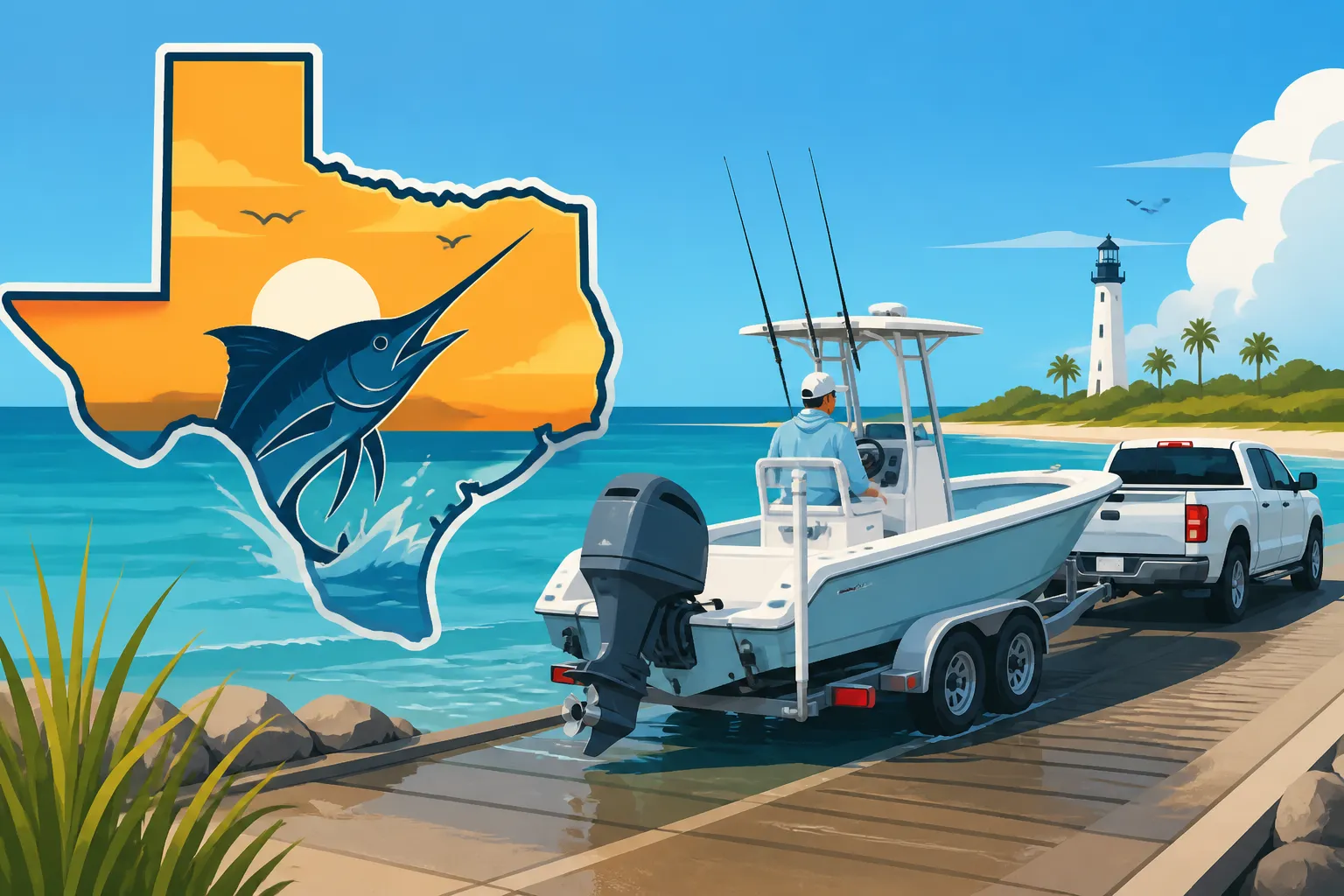
Trying to find a reliable public boat ramp along the vast Texas coast can often feel like a roll of the dice. We’ve all been there: you’ve got your boat hitched up, the cooler packed, and the excitement building, only to pull up to a ramp that’s either too shallow for your keel, completely swamped with other anglers, or lacks any decent parking for your truck and trailer. It’s a frustrating start to what should be a fantastic day on the water. This guide aims to take the guesswork out of your launch, detailing some of the best public boat ramps across our diverse coastline and sharing essential tips to ensure your next fishing adventure gets off to a smooth start.
Navigating the Texas Coastline: A Regional Overview of Boat Ramps
The Texas coast stretches for hundreds of miles, offering an incredible variety of fishing environments, from the marshy estuaries of Sabine Lake to the clear, shallow flats of the Laguna Madre. Because of this diversity, what makes a "good" boat ramp can really depend on your target species, your boat type, and even the time of year. Understanding the layout of ramps across different regions is the first step to a successful launch.
Upper Coast Ramps: Sabine Lake to Galveston Bay
The Upper Texas Coast, encompassing areas like Port Arthur, Beaumont, High Island, and Galveston, is characterized by large bay systems, industrial waterways, and close proximity to vast marshlands. Anglers here often target redfish, speckled trout, and flounder, with occasional offshore excursions when conditions allow. Finding a ramp that can handle various boat sizes and provides quick access to productive waters is key.
For instance, in the Galveston area, the Galveston Yacht Basin public ramps are a classic choice. You'll find multiple, wide launching lanes here, often handling a steady stream of traffic, especially on weekends and during prime fishing seasons. The basin itself is deep, accommodating everything from shallow-draft bay boats to larger offshore vessels. Parking, while ample, can fill up quickly, so arriving early is always a smart move. From here, you're minutes away from the Galveston jetties, numerous reefs, and the vast expanse of Galveston Bay Fishing Spots. Another option that's particularly popular for surf fishing access and those venturing to the west end of Galveston Island is the ramp near San Luis Pass. This ramp can be a bit more exposed to currents, so it requires a bit more care, but it offers a strategic jumping-off point for both bay and nearshore opportunities.
Further east, around Port Arthur and Sabine Lake, ramps like the Pleasure Island Marina public launch are excellent choices. They offer good access to Sabine Lake, known for its superb redfish and trout fishing, and the Sabine River. These facilities are generally well-maintained and provide sufficient parking, crucial for longer trips or when you’re planning to explore the maze of bayous and cuts that feed into the lake. When considering your gear, ensure your boat is ready for the diverse conditions here; you might want to review what are considered the Best Bay Boats for the Texas Coast for ideal performance in these areas.
Central Coast Ramps: Matagorda Bay to Corpus Christi Bay
Moving down to the Central Texas Coast, you encounter iconic fishing destinations like Matagorda, Port O'Connor, Rockport, Aransas Pass, and Corpus Christi. This region is a true paradise for wade fishing, sight casting, and targeting trophy redfish and speckled trout in extensive shallow bay systems and tidal flats. The boat ramps here are often designed to get you into these shallower waters, though deeper channels and Gulf access points are also plentiful.
In Matagorda, the Matagorda Harbor public ramp is a major hub. It's a large facility with multiple lanes and a substantial parking area, capable of handling a significant volume of boats. What makes it special is its direct access to the Colorado River and both East and West Matagorda Bay Fishing Spots, which are renowned for their robust fisheries. It’s particularly convenient for anglers looking to hit the Matagorda jetties or head out into the Gulf. If you're heading to the area and want to explore the possibilities of a guided trip to truly uncover the hidden gems of these waters, platforms like FishingBooker can help you find experienced local captains.
For Port Aransas and Aransas Pass, the Conn Brown Harbor is arguably one of the most popular and well-equipped public ramps. Located in Aransas Pass, it offers numerous launching lanes, abundant parking, and easy access to Aransas Bay Fishing Spots, the Lydia Ann Channel, and eventually the Gulf via the Port Aransas jetties. The facilities are generally clean and well-lit, making early morning or late-night launches manageable. The ramps often have good water depth, accommodating a wide range of boats even during lower tides.
Near Corpus Christi, Bluff's Landing Marina & Lodge offers fantastic public ramps, providing excellent access to the Laguna Madre and Corpus Christi Bay Fishing Spots. While there might be a small fee associated with some of the facilities here, the convenience, multiple lanes, and generally good conditions often make it worthwhile. You'll find plenty of space for staging your boat and parking your vehicle. If you're just getting started with saltwater fishing, understanding the Texas Saltwater Fishing Regulations for these bays is crucial.
Lower Coast Ramps: Upper Laguna Madre to South Padre Island
The Lower Texas Coast, stretching from the upper Laguna Madre down to South Padre Island, is famous for its vast, shallow hypersaline lagoons, clear waters, and incredible sight-casting opportunities for redfish, speckled trout, and even snook. Ramps in this region are often geared towards shallow-draft boats like flats boats, kayaks, and smaller bay boats, though larger ramps are available for Gulf access.
In the South Padre Island area, the Causeway Park public ramp on the Laguna Madre side is a popular spot. It’s generally a simpler, no-frills concrete ramp with good access to the shallow flats of the Laguna Madre. Parking can sometimes be a bit tight, especially on busy weekends, but it offers a convenient launch point for exploring the flats. Anglers here often focus on targeting Texas Redfish Size and Bag Limits, as well as the generous Texas Speckled Trout Bag Limits. Due to the generally calmer, shallower waters of the Laguna Madre, this area is also incredibly popular for kayak fishing.
For anglers looking to reach the Gulf from South Padre Island, the ramps at the Port Isabel Boat Ramp complex provide deeper water access and more robust facilities. These ramps are designed for a wider range of boats, including those venturing offshore for species like kingfish or dorado. As with any busy launch, knowing your Texas Boat Registration Requirements and ensuring your vessel is up to snuff with Texas Boat Safety Equipment Requirements is vital before heading out.
What Makes a Boat Ramp "Good"? Key Factors for Coastal Anglers
Choosing the right boat ramp isn't just about finding one that's open; it's about finding one that suits your specific needs for that particular fishing trip. Several factors come into play, and experienced anglers know to consider them all before hitting the road.
Depth and Tides: Avoiding Launching Headaches
One of the biggest frustrations for coastal anglers is arriving at a ramp only to find the water too shallow for their boat, especially during extreme low tides. The Texas coast experiences significant tidal swings, and many public ramps, particularly those in shallower bay systems, can become almost unusable during very low tides.
A "good" ramp will typically have enough depth at the end of the concrete pad to accommodate most common bay boats, even at low tide. This is something you learn through experience or by checking local fishing forums and reports. For example, some ramps on the Laguna Madre might be perfect for a shallow-draft flats boat but pose a significant challenge for a V-hull bay boat during a strong northerly wind that pushes water out of the bay. Before you go, checking tide charts for your specific location is non-negotiable. It's also worth noting that some ramps might have a short, steep drop-off at the end, which can be tricky for smaller trailers or larger boats, so always approach with caution and perhaps even do a quick visual check if possible before backing down.
Parking and Maneuvering Space: The Trailer Tango
No matter how good the ramp itself is, if you can’t park your truck and trailer, it’s a non-starter. Adequate, well-maintained parking is a hallmark of a user-friendly public boat ramp. This isn't just about quantity; it's about layout and ease of use. Trying to navigate a large truck and trailer in a cramped parking lot with cars blocking your turn can be a stressful way to start your day.
The best public ramps often feature designated trailer parking spots that are clearly marked and wide enough to maneuver comfortably. Look for ramps with enough staging area before and after the launch pad, allowing you to quickly get your boat ready or secure it after retrieval without holding up other boaters. For those who frequently pull a boat, understanding your Texas Boat Trailer Registration Rules and ensuring your trailer is road-ready is just as important as the boat itself. Some ramps, especially in popular tourist destinations like Port Aransas, might even have overflow parking areas during peak season, which can be a lifesaver.
Amenities and Fees: Weighing Convenience and Cost
Beyond the basic concrete slab, the amenities offered at a boat ramp can significantly enhance your experience. These can range from simple things like trash cans and restrooms to more substantial features such as cleaning stations, fish cleaning tables, and even bait shops.
Many public boat ramps, particularly those managed by cities or counties, are free to use. However, some privately managed ramps, or those within larger marina complexes, may charge a launch fee. This fee often goes towards maintenance, security, and improved facilities. For example, some ramps might have a small fee box where you drop cash, while others might have an attendant or a pay station. It's always a good idea to have some cash on hand, just in case. Fish cleaning stations, where you can easily clean your catch before heading home, are a huge bonus, preventing a messy cleanup at your house. If you’re planning a longer day or need to resupply, having a bait and tackle shop nearby can be incredibly convenient. If you’re looking to extend your fishing opportunities by hiring a guide for some of these areas, remember that services like FishingBooker can help you find reputable guides who often operate out of these well-equipped marinas.
Spotlight on Popular Public Boat Ramps Along the Texas Coast
Let's dive into some specific public boat ramps that consistently receive high marks from local anglers. These aren't the only ramps, of course, but they represent some of the most reliable and user-friendly options available.
Upper Coast Standouts: Sabine Lake to Galveston
| Ramp Name | Location | Primary Access | Lanes | Parking | Fees | Notes |
|---|---|---|---|---|---|---|
| Galveston Yacht Basin | Galveston | Galveston Bay, Gulf | 4+ | Ample | Yes | Deep water, busy, good for larger boats, close to jetties and offshore access. Can get crowded, especially on weekends. |
| Pleasure Island Marina | Port Arthur | Sabine Lake, Sabine River | 3-4 | Ample | No | Excellent access to Sabine Lake, good for redfish and trout. Well-maintained facility with plenty of space. |
| Texas City Dike | Texas City | Galveston Bay | 2 | Good | No | Offers protection from some winds, good access to bay fishing. Can be popular with bank anglers as well, so be mindful of space. |
Galveston Yacht Basin: This ramp is a true workhorse. Located right in the heart of Galveston, it offers multiple, robust concrete lanes that can handle boats of almost any size. The main advantage is its deep water and quick access to major channels leading to both the jetties and open Gulf. Parking is extensive, but due to its popularity, especially on fair weather weekends, you'll still want to arrive early. Nearby, you'll often find bait shops and other services, making it a one-stop-shop for your trip.
Pleasure Island Marina, Port Arthur: For those exploring the easternmost reaches of the Texas coast, the Pleasure Island Marina in Port Arthur offers an excellent launching experience. It provides direct access to the rich waters of Sabine Lake, a hotspot for trophy redfish and speckled trout. The ramps are wide, well-maintained, and typically have ample water depth. The parking lot is quite large, so finding a spot for your truck and trailer usually isn't an issue. It’s a great facility for targeting species within Sabine Lake Fishing Spots.
Central Coast Gems: Matagorda to Corpus Christi
Matagorda Harbor: This central coast powerhouse is a favored launch for good reason. With multiple wide lanes and huge parking lots, it rarely feels too cramped, even on peak days. Its strategic location grants immediate access to the Colorado River, East Matagorda Bay, and West Matagorda Bay. Many anglers use this ramp as their gateway to the famous Matagorda Bay Fishing Spots or to head out into the Gulf through the jetties. The facilities are generally clean, and it's a bustling hub of fishing activity.
Conn Brown Harbor, Aransas Pass: A consistently top-rated facility, Conn Brown Harbor boasts a large number of well-maintained public launch lanes and vast parking. Its location in Aransas Pass is ideal, offering easy passage to Aransas Bay and the deeper channels leading to the Gulf. The water depth at the ramps is usually excellent, accommodating even larger offshore boats. This is often the preferred launch for anglers targeting Texas Flounder Season and Limits during the fall migration or pursuing large speckled trout in the bay.
Bluff's Landing Marina & Lodge, Corpus Christi: While sometimes requiring a small fee, Bluff's Landing is worth it for the sheer convenience and quality. It provides direct access to the highly productive Upper Laguna Madre and Corpus Christi Bay. The ramps are modern, and the facility typically has good amenities. It’s an excellent choice for anglers with smaller bay boats or flats boats looking to explore the shallow water fishing of the Laguna Madre.
Lower Coast Access: South Padre Island
Causeway Park, South Padre Island: This ramp offers a more rustic but incredibly functional launch point for accessing the incredibly clear and shallow waters of the Lower Laguna Madre. It’s perfect for smaller bay boats, flats boats, and especially kayaks. The parking is sufficient but can fill up, so getting there early is a good idea. From here, you’re ideally positioned to target redfish and speckled trout on the expansive flats.
Making the Most of Your Launch: Tips for Public Boat Ramp Etiquette and Efficiency
Using public boat ramps, especially popular ones, is a shared experience. Following some basic etiquette and preparing properly can make a huge difference, not just for your trip but for everyone else’s.
Preparation is Key: Staging Your Boat Correctly
The golden rule of public boat ramps is "do not be that person." That means doing all your preparations before you back down the ramp. This is a common frustration for many anglers: waiting in line behind someone who is still putting in their drain plug, loading tackle boxes, or trying to find their keys.
Before you even get close to the water, pull over into a designated staging area or an empty parking spot. Here, you should:
- Unstrap your boat from the trailer.
- Insert the drain plug (this is the most common forgotten item!).
- Load all your gear, tackle, and coolers into the boat.
- Attach your lines to the bow and stern cleats.
- Remove the engine travel brace.
- Connect the fuel line and ensure the primer bulb is firm.
- Check that your safety equipment, like life jackets, is easily accessible.
This simple act of preparation makes your actual launch take mere minutes, allowing the line to move smoothly and keeping everyone’s blood pressure down. Remember, courtesy goes a long way, especially on a busy Saturday morning.
Communication and Teamwork: A Smooth Launch Experience
If you’re launching with a partner or crew, clear communication is essential. Before backing down, discuss the plan: who is driving the truck, who is in the boat, and what signals will be used. A simple hand signal for "further back," "stop," or "come forward" can prevent a lot of yelling and frustration.
When retrieving your boat, the same rules apply. Have the boat ready near the dock, waiting for the trailer. Once the trailer is in position, quickly load the boat, secure the bow line, and pull away from the ramp so others can use it. You can then pull back into the staging area to finish securing your boat and prepare for the drive home. It's a dance, and everyone appreciates a smooth performance. For those still getting comfortable with trailering, practicing in an empty parking lot can build confidence and prevent embarrassing moments at the ramp.
Safety First: Lights, Laws, and Local Conditions
Finally, always prioritize safety. If you're launching before dawn or after dusk, ensure your trailer lights and boat navigation lights are fully functional. This isn't just common courtesy; it's often a legal requirement. Always be aware of your surroundings, especially if there are swimmers, kayakers, or other boats in the area.
Keep an eye on local weather conditions, particularly wind and tides, as they can change rapidly on the Texas coast. A calm morning can quickly turn into a windy white-capping afternoon, making retrieval challenging. If you’re ever unsure about navigating a particular ramp due to conditions, it’s always better to err on the side of caution. And of course, always adhere to all local boating laws and regulations. If you're considering a guided trip for your next outing, perhaps to learn more about a new area or technique, researching options on FishingBooker can provide peace of mind, knowing you'll be with an experienced captain who navigates these waters daily.
Disclaimer
The information provided in this guide is for general informational purposes only and does not constitute professional advice. Fishing regulations, ramp conditions, and availability can change frequently. Always consult the latest regulations from the Texas Parks and Wildlife Department and verify ramp conditions locally before planning your trip.