How wind affects bass fishing on Texas lakes
There's nothing quite as frustrating as planning a perfect day of bass fishing on your favorite Texas lake, only to arrive and find the wind whipping the water into a choppy frenzy. Many anglers see a blustery day as a reason to pack up and go home, but what if I told you that wind, when understood and leveraged correctly, can actually be a secret weapon for locating and catching more bass? This comprehensive guide will break down exactly how wind affects bass behavior on Texas lakes and arm you with the strategies to turn those breezy conditions into your next trophy-worthy outing.
Understanding How Wind Impacts Bass Behavior
Wind isn't just a surface disturbance; it's a powerful force that dictates everything from water clarity and temperature to baitfish movement and, consequently, where the bass decide to hang out. It's easy to get discouraged by white caps, but once you understand the underlying mechanics, you'll start seeing windy days as opportunities rather than obstacles.
Wind's Effect on Water Movement and Clarity
Think about a strong wind constantly pushing across a lake. This movement creates currents, even in stillwater reservoirs, which can be a huge factor for bass. These currents stir up the bottom, especially in shallower areas, and can lead to reduced water clarity. However, this isn't always a bad thing!
On one hand, heavy winds can make the water muddy, which can scatter baitfish and make it harder for bass to hunt by sight. This might send bass deeper or into protected coves seeking clearer water. But on the other hand, a moderate chop can actually improve fishing. The disturbed surface breaks up light penetration, making it harder for bass to see you or your boat, and it also creates a "feeding frenzy" environment by disorienting baitfish and washing food sources into specific areas. Bass, being opportunistic predators, often use this low visibility to their advantage, becoming bolder and more aggressive. It’s a delicate balance, and knowing how to read the water's clarity in relation to the wind is crucial.
Baitfish and Forage Concentration
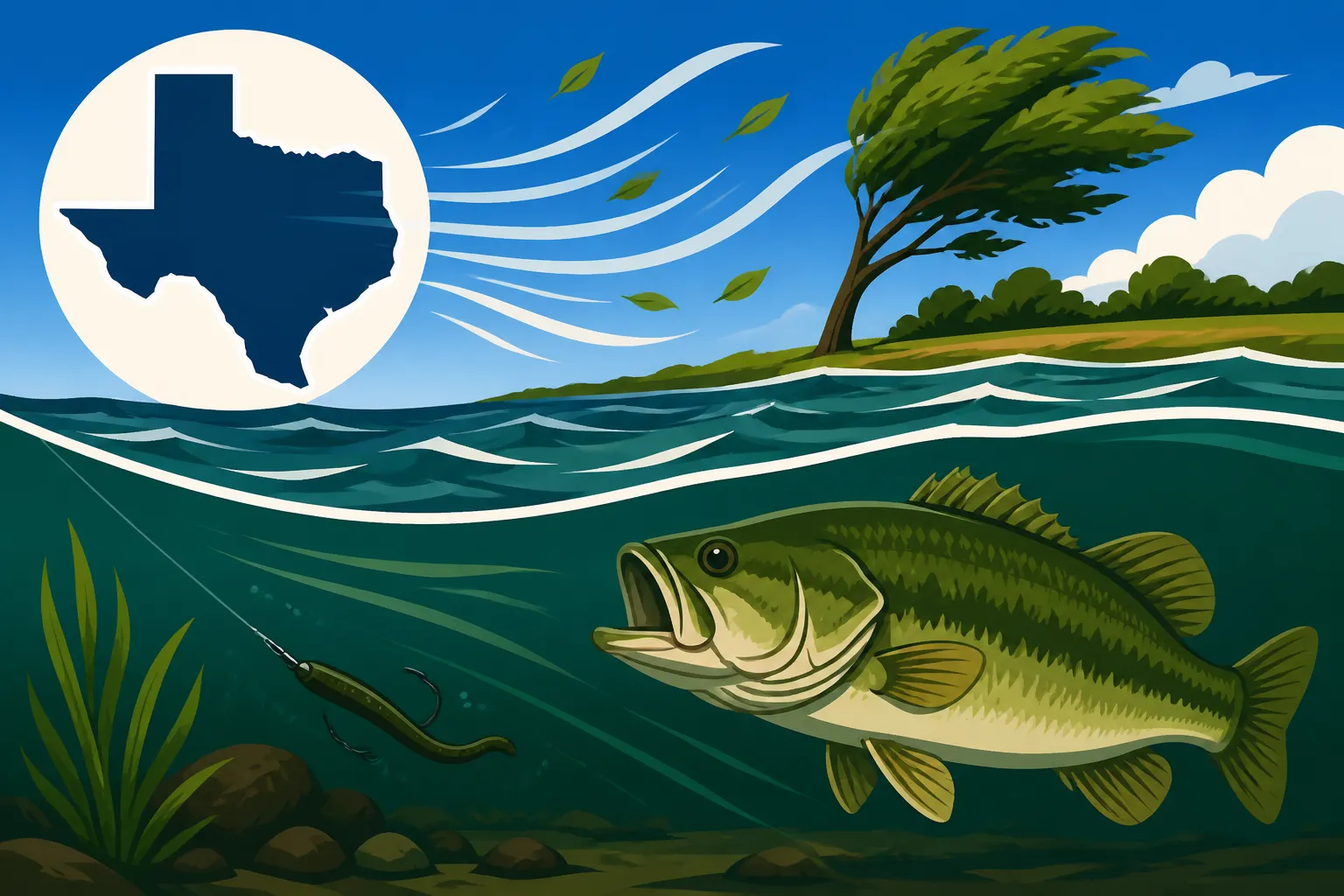
One of the most significant ways wind impacts bass is by influencing the movement and concentration of baitfish. Wind pushes surface water, and with it, tiny organisms, plankton, and ultimately, the baitfish that feed on them. This creates a "wind-blown bank" effect.
Imagine a consistent breeze blowing into a certain shoreline or point. Over time, this wind will stack up warmer water (if it's a cold front day) and concentrate forage against that bank. Shad, minnows, and other small fish will often get pushed into these areas, creating a buffet for predatory bass. Bass know this, and they will instinctively position themselves on these wind-blown structures, points, and humps, waiting to ambush unsuspecting baitfish. If you're struggling to find bass, identifying these wind-swept areas can be a game-changer. Don't be afraid to cast into the waves; that's often exactly where the fish are hiding! For more insights on what bass prefer to eat, check out our guide on what do largemouth bass eat in Texas lakes.
Oxygenation and Water Temperature
Wind plays a vital role in the oxygen levels and surface temperature of a lake, especially in larger Texas reservoirs. A constant chop and wave action introduces more oxygen into the water column. In hot Texas summers, when oxygen levels can plummet in stagnant waters, a good breeze can be a lifesaver for fish, making those wind-swept areas more attractive.
Conversely, strong winds can also mix the water column, especially after a prolonged period of calm. This can sometimes disrupt thermoclines or bring colder water to the surface, which might temporarily push bass deeper. However, more often than not, the increased oxygenation in warmer months makes wind-blown areas highly productive. Understanding these subtle shifts in temperature and oxygen can help you decide if bass will be shallow and active, or if you might need to try techniques for how to fish deep structure in Texas reservoirs.
Strategic Approaches for Windy Conditions
Now that we know why wind matters, let's talk about how to fish it effectively. It’s all about adjusting your presentation, choosing the right spots, and staying safe.
Targeting Wind-Blown Structures and Banks
This is probably the most crucial strategy for windy days. As mentioned, wind pushes baitfish and creates prime ambush points for bass. Focus your efforts on shorelines, points, humps, and submerged structures that are directly exposed to the wind.
Think about the structure you're fishing. If there's a long point extending into the lake, the side of that point that the wind is blowing into is often the sweet spot. Bass will sit on the downwind side of the structure, letting the current bring food to them, or they'll be actively hunting along the windward face. Casting parallel to these wind-blown banks, or directly into the chop, is often more productive than fishing calm, protected areas, especially when targeting Texas Largemouth Bass. Sometimes, a protected cove might hold fish, but usually, it's because the baitfish have been pushed there by the wind as well, seeking refuge.
Selecting the Right Lures and Presentations
Windy conditions require specific lure choices and presentations to maximize your chances. Forget your finesse techniques unless you're absolutely forced to fish calm, protected areas. This is a time for power fishing!
- Moving Baits: Crankbaits, spinnerbaits, bladed jigs (like a Chatterbait), and swimbaits are excellent choices. They are easy to cast into the wind (or with the wind, allowing for longer casts), they cover water quickly, and their vibration and flash cut through the reduced visibility. Deeper diving crankbaits can really shine as they deflect off submerged cover in choppy water, often triggering反應 strikes. You can find a fantastic selection of these lures on Amazon.
- Heavier Jigs and Soft Plastics: If you're fishing deeper structure, you'll need heavier jigs or Texas rigs to maintain bottom contact in the wind. A 1/2 oz or 3/4 oz jig might be necessary where you'd normally throw a 3/8 oz. This extra weight helps fight the current and keeps your lure in the strike zone. Don't be afraid to try different colors; in muddy water, darker or brighter colors might be more visible.
- Topwater (sometimes!): While heavy wind usually makes topwater tough, a light chop can be fantastic for topwater lures like poppers, walking baits, or buzzing frogs, especially during the spring and fall. The broken surface hides your line and creates a natural disturbance that bass associate with feeding. However, if the waves are too big, topwater becomes inefficient and difficult to work.
Remember to vary your retrieve speed and depth until you figure out what the bass are reacting to. For more ideas on effective presentations, check out our guide on the Best Bait and Lures for Texas Fishing.
Boat Positioning and Control
This is where many anglers struggle on windy days. Maintaining boat control is paramount for effective fishing. Without it, you'll be constantly fighting the wind instead of fishing.
- Trolling Motor Dominance: Your trolling motor is your best friend on a windy day. Use it constantly to hold your position, make slow drifts, or slowly work a shoreline. Don't be afraid to turn up the power to fight the gusts. Many modern trolling motors have GPS anchoring features that can be a game-changer, holding your boat precisely in place over a hotspot.
- Anchoring (if applicable): If you're fishing a very specific small piece of structure, or fishing from the bank, anchoring can be an option. However, in open water, anchoring can be dangerous in strong winds, and it severely limits your ability to cover water. For bank anglers, identifying wind-blown points or pockets where you can cast effectively can lead to surprising catches.
- Drifting: Sometimes, using the wind to your advantage by setting up a controlled drift can be highly effective. Position your boat upwind of a promising area, deploy a drift sock (or two, off the bow and stern, to slow and control your drift), and let the wind push you across the structure while you cast. This allows you to cover a lot of water efficiently.
Always prioritize safety. If the wind is too strong for comfortable and safe boat operation, it’s better to call it a day or find a more protected area of the lake.
Gear and Safety Considerations for Windy Days
Fishing in the wind isn't just about lures; it's about preparation and having the right equipment to make your day enjoyable and productive.
Essential Gear Adjustments
A few tweaks to your gear can make a world of difference when the wind picks up.
- Line Choice: Consider using heavier main line or a fluorocarbon leader. While braid is great for sensitivity and casting distance, its lighter weight can be a nuisance in heavy wind, creating large bows in your line. Fluorocarbon sinks, helping to keep your line taut and in better contact with your lure. Some anglers even prefer monofilament for certain applications on windy days due to its stretch and shock absorption.
- Rods and Reels: Generally, a slightly stiffer rod with a fast action can help you make more accurate casts into the wind and feel bites better through the chop. Baitcasting reels are often preferred for their ability to handle heavier lures and provide more power for fighting fish in tough conditions. Check out the Best Fishing Rods for Texas Anglers to find a setup that can handle the gusts. A good pair of polarized sunglasses, easily found on Amazon, will also help cut through the glare and see any subtle changes in the water.
- Appropriate Clothing: Wind can make a moderately cool day feel downright cold, and it can exacerbate the feeling of heat in the summer by drying out your skin. Dress in layers, including a good windbreaker, to stay comfortable. Don't forget a hat that won't blow off easily!
Safety First on Choppy Waters
Windy conditions, especially on large Texas lakes like Sam Rayburn Reservoir or Toledo Bend Reservoir, can turn dangerous quickly.
- Check Weather Forecasts: Always, always check the wind forecast before you head out. Understand not just the wind speed but also the direction.
- Know Your Limits: If the waves are building and you feel uncomfortable, don't push it. Head for a protected cove, a calmer part of the lake, or better yet, head back to the ramp. It's better to miss a few bites than to risk your safety.
- Life Jackets: Ensure everyone on board is wearing a life jacket, or at least has easy access to one. Rough water increases the risk of falling overboard. For a detailed rundown of all required safety items, read our guide on Texas Boat Safety Equipment Requirements.
- Maintain Situational Awareness: Keep an eye on other boats, debris in the water, and sudden changes in weather. Be extra cautious when navigating, as visibility can be reduced, and waves can obscure obstacles.
Reading the Wind and Water on Texas Lakes
Being able to "read" the wind and water is a skill that comes with practice, but understanding some basic principles can give you a head start.
Identifying Productive Wind Direction
Not all wind is created equal. The direction of the wind in relation to the primary structure you're fishing is key.
- Persistent Wind: Look for areas that have had a consistent wind blowing into them for several hours, or even days. This is where baitfish and warmer water (or food sources) are most likely to accumulate.
- Crosswind: A crosswind that blows parallel to a long shoreline or a creek channel can create a current that bass will use to ambush passing bait. They'll often position themselves on the "down-current" side of points or submerged cover.
- After a Front: If a cold front has just passed, the wind might shift. Bass might initially pull off active wind-blown areas as the water temperature drops, seeking deeper cover or calm pockets. However, once the wind settles and the new patterns establish, those new wind-blown areas will become productive again.
Pay attention to your electronics, too. If you see baitfish stacking up in a certain depth or on a specific side of a hump, that's often where the bass will be too. Learning How to Read a Texas Lake Fishing Report can also provide valuable local insights into current conditions and successful wind patterns.
Interpreting Water Conditions
The way the wind interacts with the water surface tells you a lot about what's happening underneath.
| Wind Condition | Surface Appearance | Impact on Bass Behavior | Recommended Strategy |
|---|---|---|---|
| Light Breeze | Ripples, subtle chop | Bass may be active shallow, less wary due to broken surface | Topwater, shallow crankbaits, spinnerbaits |
| Moderate Wind | Chop, small white caps | Bass active, concentrated on wind-blown areas, less light | Power fishing (crankbaits, spinnerbaits, bladed jigs) |
| Heavy Wind/Gusts | Large waves, significant white caps | Bass move deeper or to protected areas, harder to fish | Heavier jigs, deep crankbaits in protected pockets, safety |
| No Wind (Glassy) | Smooth, reflective surface | Bass spooky, visible, often suspended or in deep cover | Finesse techniques, deep-diving baits, night fishing |
When you see a good chop, consider that bass have reduced visibility from above, which means they're less likely to be spooked by your boat or shadow. This can allow you to get closer and make more aggressive presentations. Conversely, if the water is dead calm and clear, bass will be extremely wary. You might need to switch to lighter lines, smaller baits, and longer casts to avoid detection. For advice on specific water types, our guides on How to Fish Clear Water Lakes in Texas and How to Fish Muddy Water in Texas offer more detailed strategies.
Ultimately, wind is a constant on Texas lakes. Instead of letting it dictate whether you fish, learn to read its nuances and use it to your advantage. You'll find that some of your most memorable and productive days on the water are often those when the wind is howling. So next time the breeze picks up, don't head for the ramp; grab your heaviest lures and hit those wind-blown banks!
Disclaimer
This article is for general informational purposes only and does not constitute professional advice. Laws, prices and regulations vary by location and change over time. Consult a qualified professional for guidance on your specific situation.