How low water levels change bass fishing patterns
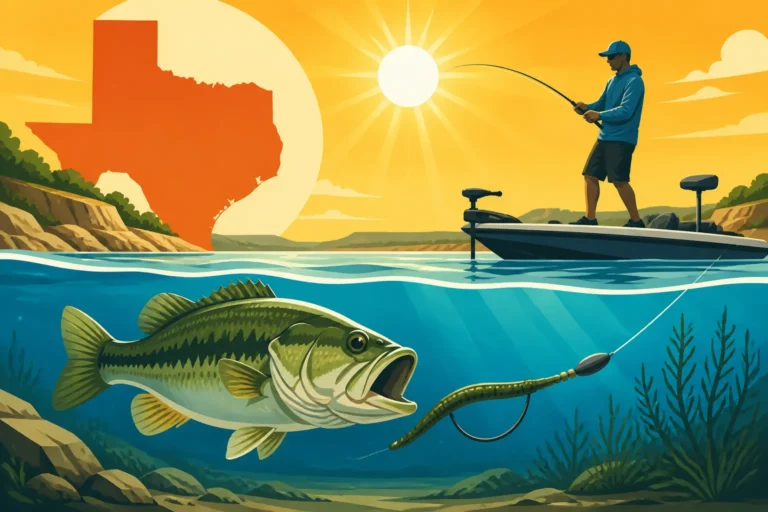
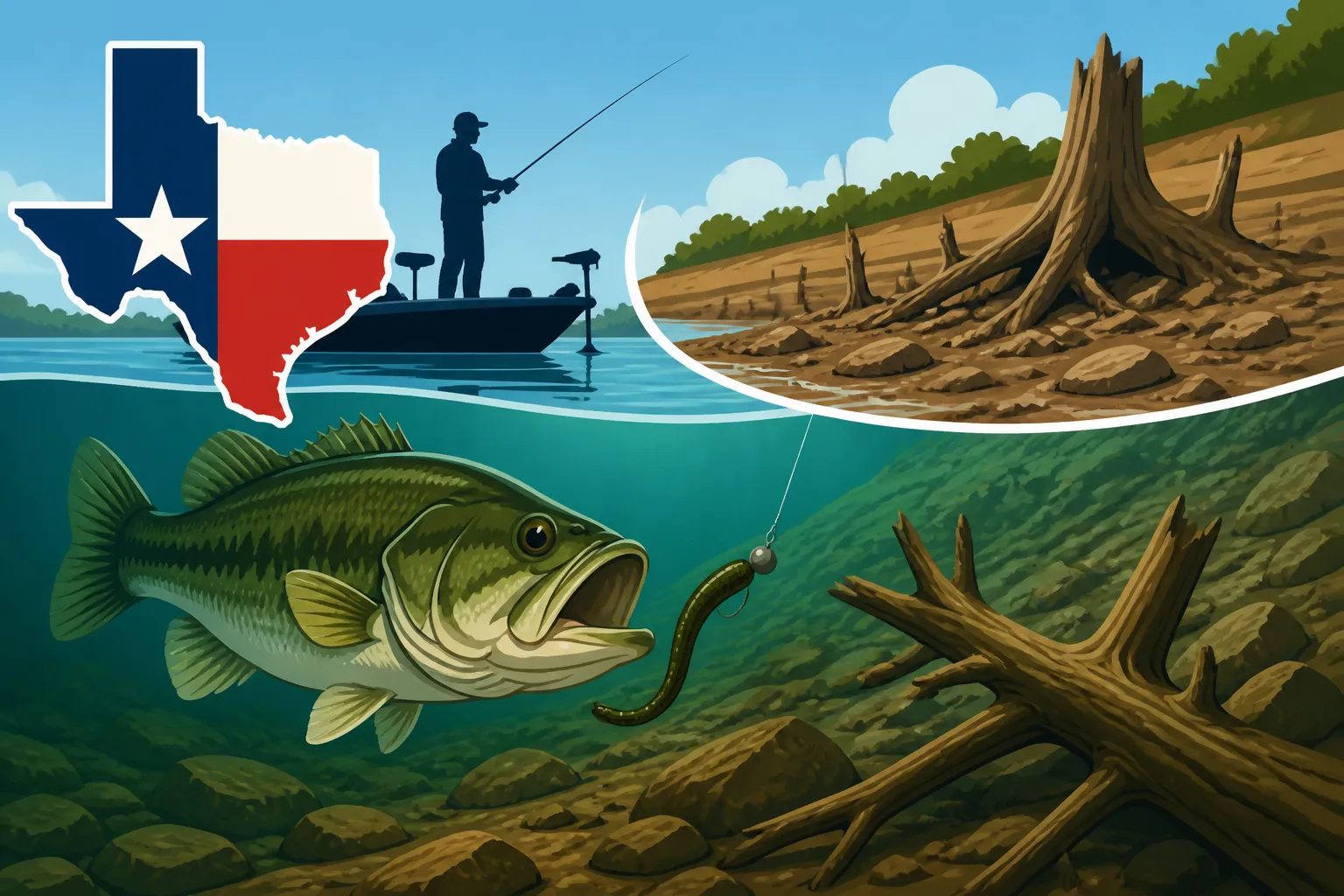
It’s a scenario every Texas angler dreads: you pull up to your favorite lake, excited for a day of chasing largemouth, only to find the water level has dropped significantly, exposing vast stretches of mud and timber that were once submerged. Low water conditions can be incredibly frustrating, making familiar fishing spots unrecognizable and leaving you wondering where the bass have gone. This guide is here to demystify those challenging times, helping you understand how dwindling water impacts bass behavior and, most importantly, how you can adapt your strategies to keep catching fish.
The Immediate Impact of Dropping Water on Bass Behavior
When lake levels recede, it's not just a visual change; it triggers a cascade of effects that drastically alter the bass's world. Their usual haunts shrink, food sources become scarce or harder to access, and the overall environment becomes more stressful. Understanding these immediate impacts is the first step to figuring out your next move.
Habitat Compression and Retreating Cover
Imagine your living room suddenly shrinking by half, with all your furniture crammed into a smaller space. That's essentially what happens to bass when water levels drop. Their vast watery world compresses, pushing them out of shallow flats and away from receding shorelines. This means that all the cover they rely on—weed lines, submerged timber, rock piles, boat docks—becomes either exposed, too shallow, or packed into a much smaller area.
For instance, a broad hydrilla flat that was once a prime hunting ground might now be a muddy bank with isolated, exposed patches of dead vegetation. Bass that once spread out across this larger area are now forced into deeper edges of that cover, or worse, have to abandon it entirely. This compression often makes bass more concentrated in the remaining viable deep cover, but it also makes them more competitive and potentially more wary due to increased angler pressure in those shrinking areas. You'll often find that what was once excellent shallow cover becomes a dry, unusable wasteland, forcing fish to move to areas with more consistent depth.
Changes in Forage Availability and Movement
Low water doesn't just affect the bass; it severely impacts their food chain too. Baitfish like shad and sunfish, along with crayfish and other aquatic invertebrates, are also displaced. Shallow grass beds, which are nurseries for many bait species, can dry up, eliminating crucial hiding spots and food sources. This forces baitfish into the same shrinking deeper water as the bass, often creating concentrated schools.
While this might sound like a feeding frenzy opportunity, it can also make bass pickier. With so much bait available in a condensed space, bass don't have to work as hard, and they might become accustomed to specific types of forage. If the low water also means a prolonged drought and higher water temperatures, the overall metabolism of the lake's ecosystem can slow down, further impacting the activity levels of both predator and prey. Observing how baitfish react to the low water—whether they're schooling tight or seeking remaining cover—can give you a crucial clue as to where the bass might be lurking.
Increased Pressure and Spookiness
Let's be honest, when the water is low, everyone knows it. This often means more anglers converge on the remaining accessible deep water and cover, increasing fishing pressure. Bass are smart creatures, and they absolutely feel this pressure. They become warier, less likely to strike aggressively, and more prone to fleeing at the slightest disturbance. This is especially true in clearer water conditions that often accompany drought.
Imagine a fishing boat constantly idling over the only deep creek channel in a shrinking lake. Those bass are going to learn quickly to be cautious. Your approach needs to be stealthier, your casts more precise, and your retrieve more subtle. The vibrant topwater bite you enjoyed in the summer might be completely shut down, replaced by a need for finesse techniques. This heightened wariness is a key factor to consider, making patience and observation even more valuable tools in your low-water arsenal.
Adapting Your Approach: Where to Find Bass in Low Water
Successfully fishing in low water isn't about giving up; it's about shifting your mindset and targeting the areas where bass are most likely to seek refuge. It requires a keen eye for structure, a willingness to explore, and a flexible approach to your techniques.
Focusing on Remaining Deep Water and Structure
When the shallows disappear, bass instinctively move to the deepest available water. This doesn't necessarily mean the deepest part of the entire lake, but rather the deepest water adjacent to good structure. Think about creek channels, old river beds, submerged roadbeds, deep ledges, and pronounced drop-offs. These areas become magnets for bass because they offer stable depth, cooler temperatures (especially in summer), and often a congregation of baitfish.
Even if a lake is down many feet, an old creek channel might still offer a 15-20 foot deep trough, while the surrounding areas are only 5-8 feet. Bass will stack up along the edges and in the deeper pockets of these channels. Using your electronics becomes paramount here. Look for schools of baitfish, individual bass arches, and changes in bottom contour. A good fish finder can reveal hidden gems you'd never see on the surface. Don't be afraid to fish vertical presentations like a drop shot or a jigging spoon directly into these deep schools, as bass will often be tightly grouped and less willing to chase. This is where a detailed How to read lake contour maps for bass fishing can really shine, showing you where those old riverbeds snake through the lake.
Targeting Isolated Cover and Shade
While much of the shallow cover might be gone, any remaining isolated patches become high-percentage targets. Think of a single standing timber tree, a small rock pile, or a brush pile that still has a few feet of water over it. These isolated pieces of cover offer bass a crucial ambush point and protection from the sun or predators. The same goes for shade. During hot Texas summers, bass are particularly sensitive to direct sunlight and will seek out any available shade. This could be the shadow of a bridge, a tall rock bluff, or even the shade cast by a large boat dock.
Consider a scenario where the main lake is down ten feet, but a marina still has floating docks. Bass will relate to the pilings and the shade pockets created by those docks, especially on bright, sunny days. They might not be actively feeding, but they'll be there, conserving energy. Pitching jigs, Texas-rigged worms, or even skipping soft plastics under docks and into shaded areas can be incredibly effective. Remember, these isolated covers are often picked over, so a quiet approach and precise presentation are key.
Exploring Creek Channels and Inflow Areas
Even in low water, inflow areas like creek mouths or river channels can be hotspots, particularly after a rain shower. Any fresh water entering the lake brings with it cooler temperatures, oxygen, and often a flush of new food, attracting both baitfish and bass. These areas can act like a temporary reset button, invigorating the fish.
However, in prolonged drought, "inflow" might just mean a trickle or even dry land. In such cases, the old creek channels and riverbeds that are now submerged in the main lake become even more critical. These are the natural highways for bass, providing deeper water and a defined path when the surrounding areas are featureless. Pay close attention to any bends, junctions, or significant depth changes within these channels. These are prime ambush points. If you're fishing a lake that's truly struggling with low water, checking the long-term weather forecast for any significant rainfall could cue you into when these inflow areas might become productive again, offering a brief window of opportunity.
Gear and Technique Adjustments for Low Water Success
Low water fundamentally changes how bass behave, which means your gear and techniques need a serious overhaul. What worked well in high, stable water might actively deter fish in a low-water scenario.
Downsizing Baits and Finesse Tactics
When the water is clear (which often accompanies low water, especially without recent rain) and fish are pressured, bigger, louder baits can actually scare them off. This is where finesse tactics truly shine. Think about downsizing your baits: smaller soft plastics, lighter line, and more subtle presentations. Instead of a bulky jig, try a Ned rig or a shaky head worm. Swap out that large crankbait for a smaller jerkbait or a finesse spinnerbait.
For example, if you typically throw a 10-inch worm, try a 6-inch finesse worm on a lighter Texas rig with a smaller weight. The idea is to make your offering look as natural and non-threatening as possible. A slow, methodical retrieve is often more effective than an aggressive one. Bass in low, clear, pressured water are often more about reacting to a subtle presentation than actively chasing down a meal. You might even find success with smaller, more delicate lures like those found for sale on Amazon, which offers a wide array of finesse options you might not find in your local tackle shop.
Selecting the Right Rods, Reels, and Line
Your gear needs to match your finesse approach. Heavier rods and reels designed for power fishing might feel clunky and reduce your sensitivity when you're trying to detect a subtle bite on light line. Opt for lighter action spinning rods and reels, or medium-light baitcasting setups, spooled with fluorocarbon or lighter braided line with a fluorocarbon leader.
Fluorocarbon is particularly effective in clear water because it's nearly invisible. It also has less stretch than monofilament, which helps with feeling those light bites, especially when fishing deep. For instance, if you're using a shaky head, a 7-foot medium-light spinning rod with a fast tip and 8-10 pound fluorocarbon line offers the sensitivity to feel the smallest tick and the backbone to set the hook. Check out a guide on Best Fishing Rods for Texas Anglers or Best Fishing Reels for Texas Anglers to help you pick the right tools for these challenging conditions. Even your choice of Best line weight for Texas bass fishing becomes critical.
Navigating Shallow Waters and Protecting Your Boat
Low water means hazards are everywhere. Submerged stumps, rock piles, and sandbars that were once well below the surface can now be just inches from your prop or lower unit. This necessitates a much more cautious approach to navigation. Keep your eyes peeled, especially in areas you're not intimately familiar with. Idling speed is your friend, and don't be afraid to raise your motor if you suspect extremely shallow water.
If you have a jack plate on your boat, this is the time to use it to run shallower. A trolling motor with GPS Spot-Lock can also be invaluable, allowing you to hold position without constantly running your main engine and potentially stirring up mud or spooking fish. For those fishing from kayaks or smaller jon boats, low water can actually open up new areas that were previously too deep or inaccessible due to thick vegetation. Just remember to always check your depth, whether you're idling, trolling, or even wading. There's nothing worse than ending a fishing trip early with a damaged prop or a stranded boat.
| Low Water Impact Category | Bass Behavior Changes | Recommended Angler Adjustments |
|---|---|---|
| Habitat Compression | Concentrated in deeper, remaining cover; increased competition; more wary. | Target deep creek channels, ledges, brush piles. Fish thoroughly and patiently. |
| Forage Availability | Baitfish congregate in deep water; bass may be pickier or easier to find. | Match the hatch with smaller, realistic baits. Focus on baitfish schools on electronics. |
| Increased Pressure | Bass become spookier, less aggressive, seek deeper cover and shade. | Use finesse techniques, lighter line, subtle presentations. Stealthy approach. |
| Water Clarity | Often clearer, making bass more visible and wary. | Invisible fluorocarbon line. Natural bait colors. Avoid splashing/loud noises. |
| Temperature Extremes | Bass seek cooler, stable deep water in summer; stable temps in winter. | Fish deeper during hot months. Target thermal refuge near springs or deep channels. |
Seasonal Considerations and Long-Term Effects
While low water can impact fishing at any time of year, its effects can vary greatly depending on the season. Understanding these seasonal nuances and the broader implications of drought on a lake's ecosystem is crucial for consistent success.
How Low Water Impacts Spawning and Fry Survival
The spawning season for largemouth bass, typically occurring in spring when water temperatures are just right, can be severely disrupted by low water. Bass prefer to build their nests in relatively shallow, protected coves or flats, often around some type of cover like submerged brush or stumps. If water levels drop significantly during or immediately after the spawn, these crucial bedding areas can be exposed, leading to devastating consequences.
For instance, a bass might build a perfect nest, lay her eggs, and then a sudden drop in water level could leave the nest completely dry, killing all the eggs. Even if the eggs hatch, low water reduces the amount of protective cover available for the vulnerable fry. They become easy targets for predators like birds, turtles, or even larger fish. A few years of significant low water during the spawn can severely impact a lake's bass population for years to come, leading to fewer and smaller fish in the future. This is a real concern for the health of our fisheries, and it’s why many anglers are so passionate about water conservation. For more on the crucial timing of this natural event, you can read our Texas Bass Spawning Season Guide.
The Role of Drought in Lake Management
Prolonged drought and consistently low water levels present significant challenges for lake management agencies like the Texas Parks and Wildlife Department (TPWD). These conditions can lead to reduced oxygen levels in deeper parts of the lake, especially in hot weather, potentially causing fish kills. It can also concentrate pollutants, impact vegetation growth, and even alter the mineral content of the water.
Wildlife agencies often respond to drought by implementing special regulations, such as temporary length or bag limits, to protect stressed fish populations. They might also adjust stocking schedules or introduce drought-resistant forage species. In severe cases, emergency salvage operations might be necessary to move fish from drying ponds to healthier waters. From an angler's perspective, this means paying extra close attention to local regulations, as they can change to reflect the current health of the fishery. Understanding the broader ecological context helps us appreciate why certain fishing choices are made, and how we, as anglers, play a part in conservation.
Best Times to Fish During Prolonged Drought Conditions
Fishing during a drought can be tough, but it's not impossible. The key is to pick your windows of opportunity wisely. Early morning and late evening become even more critical during hot, low-water summer months. The cooler temperatures and lower light levels encourage bass to move out of the deepest haunts and potentially feed more actively. Night fishing can also be incredibly productive for certain species, like catfish or even bass, especially if you're targeting areas with artificial lights near boat docks or marinas, where baitfish congregate.
Another prime time is immediately after a rain shower, even a small one. The influx of fresh, cooler water and increased oxygen can temporarily stimulate bass activity. Look for any areas where water is flowing into the lake, even if it's just a small culvert. These spots can concentrate fish for a short period. Ultimately, patience and persistence are your best allies. You might not catch as many fish as you would in ideal conditions, but the ones you do catch will feel hard-earned and incredibly rewarding. For more tips on battling the heat, check out our guide on How to Fish in Hot Texas Summers.
Disclaimer
This article is for general informational purposes only and does not constitute professional advice. Laws, prices and regulations vary by location and change over time. Consult a qualified professional for guidance on your specific situation.