Best baits for a fall feeding frenzy
Oh, the fall feeding frenzy! There's nothing quite like it in Texas fishing, but sometimes, despite all the hype, it can feel like the fish are just playing hard to get. You see all the glorious autumn pictures online, hear tales of exploding topwater bites, and then you hit the water only to find things aren't quite as frenzied as you hoped. This comprehensive guide is here to cut through the confusion and equip you with the best baits and strategies to truly capitalize on the autumn bite, whether you're chasing bass in a freshwater reservoir or targeting redfish along our vast coastline.
Understanding the Fall Feeding Frenzy in Texas Waters
Fall in Texas is a magical time for anglers, but it's not a uniform phenomenon. The "frenzy" isn't just one switch that flips statewide; it's a dynamic period driven by changing water temperatures, decreasing daylight, and the primal instinct of fish to pack on weight before winter. This urgency to feed translates into more aggressive bites, but it also means fish patterns shift, and what worked in the summer might leave you scratching your head now.
The Science Behind the Seasonal Shift
As the scorching Texas summer begins to give way, water temperatures gradually cool down. This cooling process re-energizes many fish species that became lethargic during the intense heat. Think about it: during July and August, bass and trout often retreat to deeper, cooler waters, expending minimal energy. When fall arrives, these fish feel a renewed vigor and their metabolism kicks into high gear. They know winter is coming, and consistent, colder temperatures mean fewer opportunities for easy meals. Their biological clock essentially tells them, "Eat now or regret it later!" This means they're often more willing to chase down a bait, strike at things they might ignore otherwise, and generally be more active hunters.
Key Factors Influencing Fall Fish Behavior
While the general rule is "fish feed more in fall," the nuances are crucial. Water temperature is perhaps the most significant factor. As it drops into the 70s and then 60s, baitfish become more active and start schooling up, often pushing into shallower coves and creek arms. Where the bait goes, the predators follow. Understanding these bait migrations is paramount. Secondly, daylight hours shorten, which can sometimes concentrate feeding windows to earlier mornings and later evenings, or even provoke aggressive midday bites when the sun is warmest.
Another huge influence is recent weather. A strong cold front can temporarily shut down a bite, making fish sluggish and causing them to scatter. However, once the high-pressure system stabilizes for a day or two, the bite often resumes with a vengeance. Keeping an eye on weather patterns and water temperatures is like having a secret weapon in your fall fishing arsenal. It helps you predict not just if they'll bite, but when and where.
Top Freshwater Baits for Texas Fall Fishing
When it comes to freshwater fishing in the fall, Texas lakes and rivers offer incredible opportunities for a variety of species. The key is to match your bait to the forage, the water conditions, and the mood of the fish. This time of year, fish are often chasing shad and other baitfish, so mimicking those profiles and movements is crucial.
Aggressive Lures for Hungry Bass
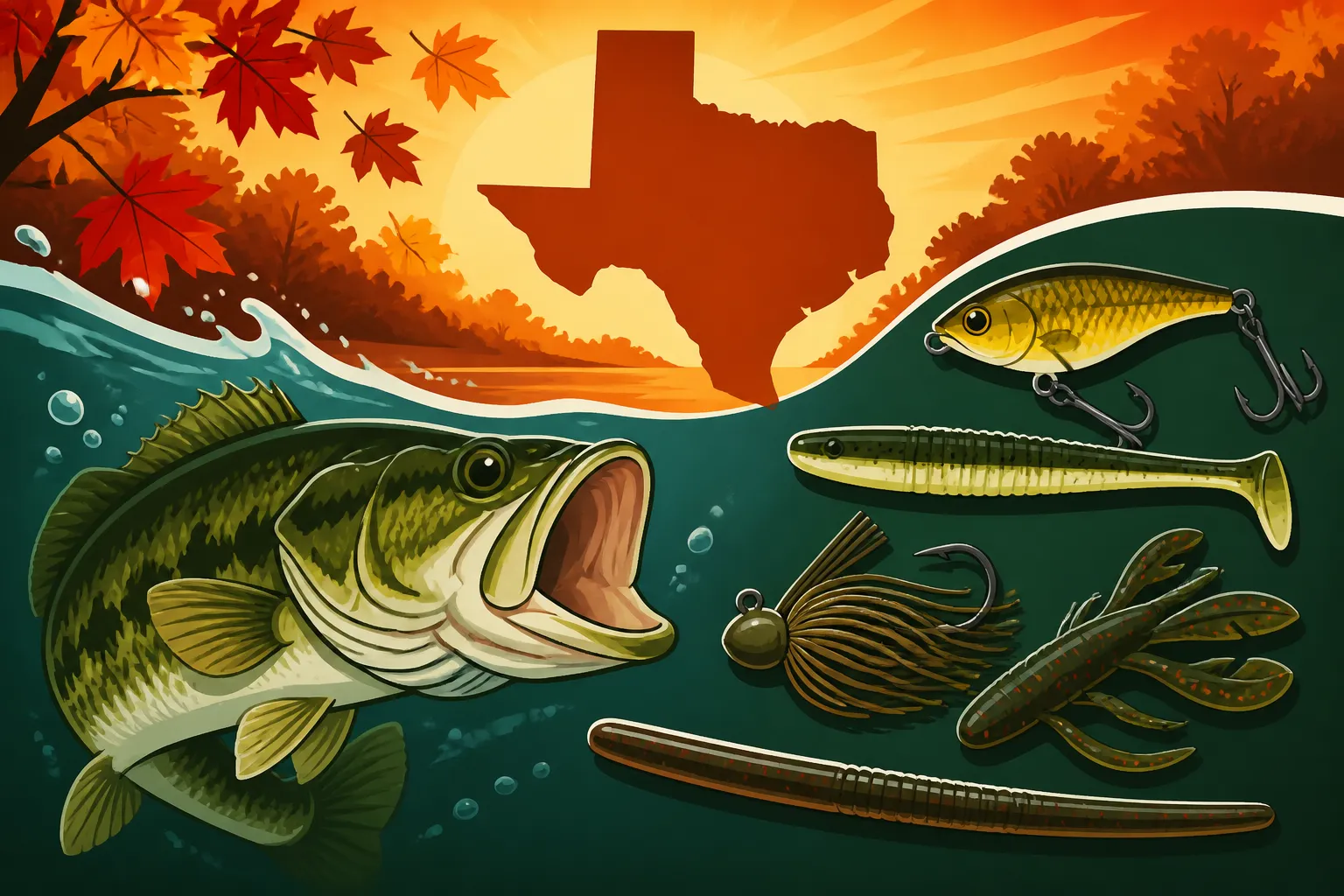
For largemouth bass, which are often the star of the fall freshwater show, "matching the hatch" with shad-imitating baits is a golden rule. Crankbaits are absolute killers right now. Deep-diving crankbaits are perfect for covering ledges and humps where bass might be staging or ambushing baitfish. Think about those areas where submerged timber meets a drop-off – a crankbait bouncing off that structure can trigger an explosive reaction strike. Medium-running crankbaits, especially squarebills, are fantastic for shallower coves and around cover like laydowns or riprap, where bass are pushing shad. The erratic deflections off cover drive bass absolutely wild. You can find a huge variety of these on Amazon to suit different depths and colors.
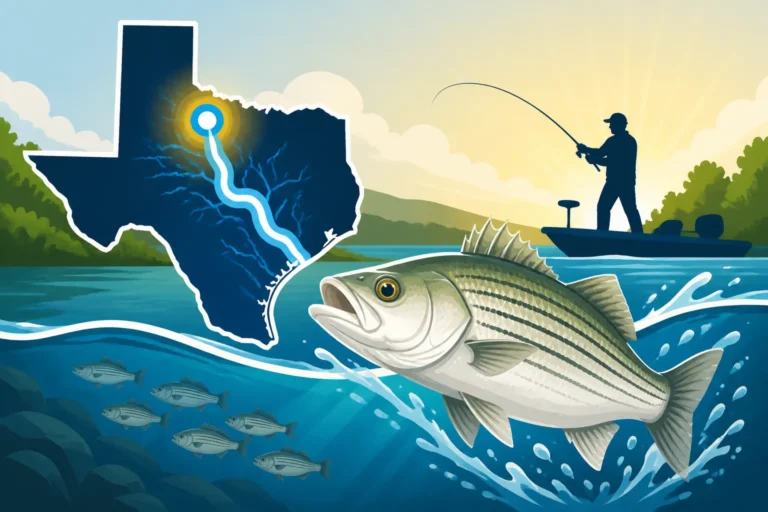
Lipless crankbaits, like a Rat-L-Trap or a similar vibrating bait, are another staple. These allow you to cover vast amounts of water quickly, making them ideal for finding active schools of bass or white bass chasing baitfish in open water or along grass lines. A fast retrieve with an occasional pause can be incredibly effective. Jerkbaits, particularly suspending models, become lethal as the water cools into the 60s. Their darting, pausing action perfectly mimics a stunned or dying shad, and a prolonged pause can be the undoing of even the most finicky bass. Don't be afraid to experiment with pause durations; sometimes a 10-second pause is what it takes.
Spinnerbaits also have their place, especially on overcast days or in stained water. The flash and vibration can draw strikes from aggressive bass tucked into cover. Tandem willow-leaf blades are great for mirroring slender shad, while Colorado blades offer more thump in muddier conditions.
Proven Baits for Catfish and Crappie
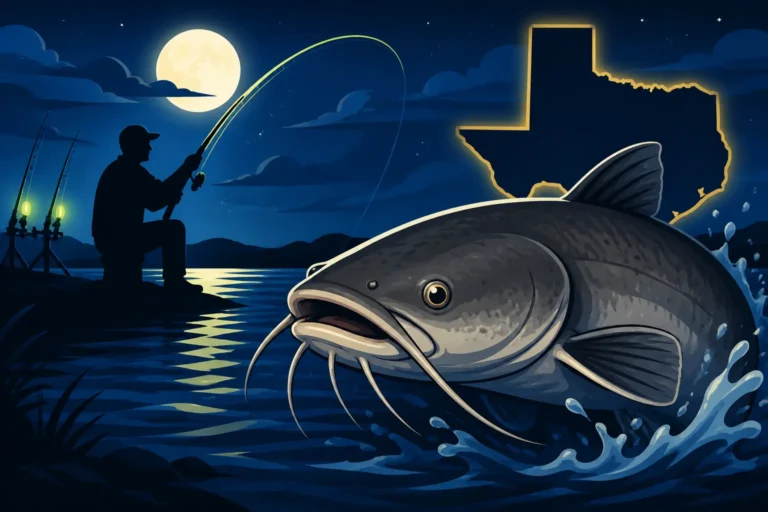
Catfish, bless their hearts, are always up for a meal, and fall is no exception. As temperatures cool, they might not be quite as active as in the peak of summer, but they're still feeding heavily. For channel catfish and blue catfish, cut bait is hard to beat. Fresh shad or mullet cut into chunks are irresistible, especially when fished on the bottom in creek channels or along river bends. Prepared baits, often called "stink baits" or "punch baits," also work wonders, providing a strong scent trail that catfish can't ignore. For larger flathead catfish, live bait is almost always king. A frisky perch or sunfish fished near heavy cover like submerged timber is your best bet. Remember that Texas Catfish Bag Limits still apply, so always check the regulations.
Crappie fishing truly shines in the fall. As the water cools, crappie often school up in large numbers and become incredibly active. Live minnows fished under a bobber or on a tight line near brush piles, submerged trees, or bridge pilings are deadly. Many anglers will spider-rig or slow troll multiple minnow rigs to cover more water and find those concentrated schools. Jigs, especially small (1/16 to 1/8 ounce) soft plastic jigs in shad or chartreuse colors, are also incredibly effective. Tipping a jig with a minnow is a classic combo that rarely fails. Vertical jigging over structure or casting and slowly retrieving can both produce excellent results. Fall is often touted as the second-best crappie season after spring, and for good reason!
Table: Freshwater Fall Baits at a Glance
| Target Species | Preferred Baits | Ideal Conditions | Presentation Tips |
|---|---|---|---|
| Largemouth Bass | Deep/Medium Crankbaits, Lipless Crankbaits, Jerkbaits, Spinnerbaits, Jigs | Water 60-75°F, following baitfish into coves/creeks, overcast or sunny | Vary retrieve speed, hit cover, experiment with jerkbait pauses |
| Channel/Blue Catfish | Cut Bait (shad/mullet), Prepared Baits | Any fall temperature, deeper channels, river bends, bottom fishing | Use a slip-sinker rig, allow scent to disperse |
| Flathead Catfish | Live Perch/Sunfish | Near heavy cover (timber, rocks), night fishing often best | Robust tackle, heavy lines, fish slowly near structure |
| Crappie | Live Minnows, Small Jigs (1/16-1/8 oz) | Water 55-70°F, schooling near brush piles, bridge pilings, often suspended | Vertical jigging, slow trolling, light tackle, tip jig with minnow |
| White Bass | Lipless Crankbaits, Small Spoons, Slabs, Inline Spinners | Chasing shad in open water, schooling near points/humps | Fast retrieve, vertical jigging when over schools |
Essential Saltwater Baits for Texas Autumn Angling
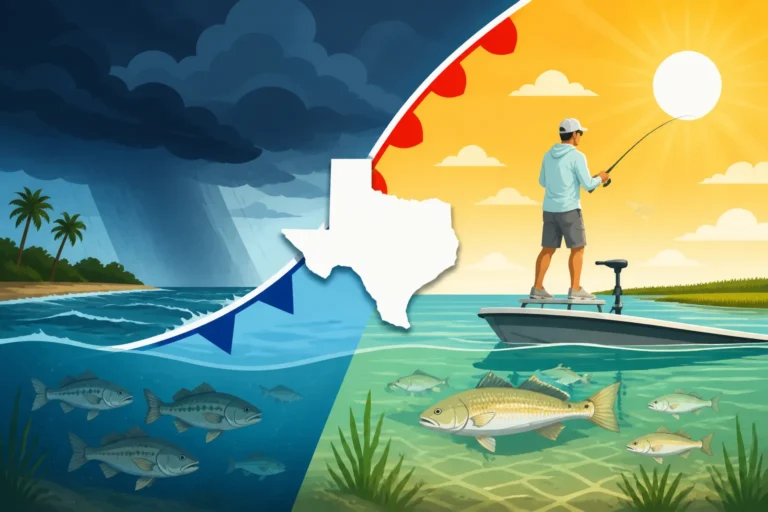
The Texas coast comes alive in the fall, offering some of the year's most exciting fishing. As cooler temperatures arrive, the bay systems and surf transition from summer patterns, and species like redfish, speckled trout, and flounder become incredibly active, preparing for their own winter changes or migrations. This is when the "fall run" truly kicks in for many species.
Prime Baits for Redfish and Speckled Trout
For the discerning redfish and speckled trout angler, live bait reigns supreme in the fall. Live shrimp are a universal favorite, mimicking the abundant crustaceans that these fish feast on. Fished under a popping cork, free-lined, or on a simple Carolina rig, live shrimp are tough to beat. The distinct "pop" of the cork can often draw attention from hungry fish hiding in grass flats or potholes. Live finger mullet are another top choice, especially for larger redfish and trout. These slender baitfish are everywhere in the fall, and throwing a live mullet into a school of actively feeding reds often results in an instant hook-up. Some anglers will even net their own fresh mullet or shad right from the bait shop or shoreline.
When live bait isn't an option or you prefer artificials, soft plastics are incredibly effective. Paddle tail swimbaits, like those from popular brands such as Z-Man or Down South Lures, rigged on a 1/8 to 1/4 ounce jig head, are deadly for mimicking fleeing baitfish. Colors like chartreuse, new penny, and pearl are perennial favorites. The key is to work them with a steady retrieve, perhaps with an occasional twitch, allowing the tail to create plenty of enticing vibration. Soft plastic jerk shads also shine, particularly when fished weedless over grass flats. The erratic, darting action is often irresistible.
As the water cools, but before it gets too cold, topwater lures can provide some of the most exhilarating strikes. Walking baits like a Super Spook or a She Dog, or even a chugging popper, can draw ferocious blow-ups from aggressive redfish and speckled trout, especially during low light conditions or on calm days. The sight of a big redfish or trout crashing a topwater bait is unforgettable! For a comprehensive guide on coastal fish, check out our Texas Redfish Fishing Guide and Texas Speckled Trout Fishing Guide.
Targeting Flounder During Their Fall Run
Fall is synonymous with the "flounder run" along the Texas coast. These flatfish begin to migrate from the bay systems to the Gulf passes and nearshore waters to spawn, and they become incredibly concentrated, offering fantastic opportunities for anglers. The absolute best bait for flounder during this period is a live finger mullet or a mud minnow. Fished on a Carolina rig, slowly dragged along the bottom in channels, cuts, jetties, and pass entrances, these baits are irresistible to flounder preparing for their journey.
Artificial baits can also be highly effective. Gulp! shrimp or Gulp! swimming mullet are phenomenal flounder catchers, often outperforming live bait on some days due to their strong scent dispersion. Rig them on a jig head and bump them slowly along the bottom. The key to flounder fishing, whether with live or artificial bait, is a slow, methodical retrieve. Flounder are ambush predators, often burying themselves in the sand or mud, waiting for an easy meal to swim by. They'll often "mouth" the bait before fully committing, so a soft bite may require a moment of patience before setting the hook. This technique is often discussed in our How to Fish the Texas Flounder Run article.
Tips for Maximizing Your Fall Bait Presentation
Having the right bait is only half the battle; knowing how to present it effectively can make all the difference between a slow day and a banner day. Fish behavior changes with the seasons, and your presentation needs to adapt right along with it.
Speed and Retrieves: Adjusting to Cooler Water
As water temperatures continue to drop through the fall, fish generally become less willing to chase a fast-moving meal. Their metabolism slows slightly, and they often prefer an easier target. This means slowing down your retrieve can be incredibly beneficial. For crankbaits, try a slower, more deliberate crank with longer pauses. With jerkbaits, the pauses become even more critical – don't be afraid to let it sit for 5, 10, or even 15 seconds. This mimics a dying baitfish perfectly, an easy meal for a fish trying to conserve energy.
For soft plastics, a slow drag or a gentle hop along the bottom often outperforms a frantic retrieve. Even for topwater, while the initial strikes can be explosive, sometimes a slower "walk the dog" retrieve with longer glides is more effective than a super-fast, erratic action. Pay close attention to how the fish are reacting. If they're swiping at the bait but not committing, it's often a sign that you need to slow down even further.
Location, Location, Location: Following the Forage
In fall, the phrase "find the bait, find the fish" becomes more relevant than ever. Baitfish—like shad in freshwater or mullet and shrimp in saltwater—will school up and often move into shallower areas, such as creek arms, coves, and protected bays, to feed on algae and microscopic organisms, and to seek warmer water as the main lake or bay cools. Predatory fish like bass, white bass, redfish, and speckled trout will follow these schools closely.
Spend time looking for visual cues: baitfish flicking on the surface, diving birds, or even subtle disturbances in the water. These are tell-tale signs of a feeding frenzy in action. On a large lake like Lake Fork or Sam Rayburn Reservoir, this might mean focusing on the backs of creeks where bait is pushed up. Along the coast, it could involve working shallow grass flats, oyster reefs, or the mouths of drains where bait congregates. Don't be afraid to move around until you locate the schools of bait; once you do, the game is usually on! If you need help finding spots, check out guides like Best Places to Fish in Texas or Galveston Bay Fishing Spots.
Matching the Hatch: Color and Size Considerations
While a general "shad" profile works, specific color and size choices can fine-tune your success. Observe the baitfish in the water you're fishing. Are they small, silvery minnows? Or larger, darker shad? Choose your lures accordingly. For clear water, more natural, translucent colors with subtle flash are often best. In stained or murky water, brighter colors like chartreuse, orange, or even dark blues and blacks can provide better contrast and visibility for the fish. For catfish, the freshest, oiliest cut bait you can get is always superior.
Don't overlook the impact of size. If the baitfish are tiny, don't throw a huge crankbait. Downsizing your lure, or even your line, can make a significant difference, especially on pressured waters. Similarly, when the baitfish are large, a bigger profile bait can entice larger predatory fish looking for a substantial meal. Keep a variety of sizes and colors in your tackle box – it's easy to stock up on different options from Amazon to be prepared for any conditions. This versatility will allow you to adapt on the fly and find what the fish are keying in on that particular day. For more on general bait selection, see our Best Bait and Lures for Texas Fishing article.
The fall feeding frenzy in Texas is a gift to anglers, offering some of the most exciting and productive fishing of the year. By understanding the motivations of the fish and adapting your bait choices and presentation, you'll be well on your way to experiencing those legendary autumn bites. So grab your gear, pay attention to the water, and get ready for some fantastic fishing!
Disclaimer
This article is for general informational purposes only and does not constitute professional advice. Laws, prices and regulations vary by location and change over time. Consult a qualified professional for guidance on your specific situation.