Best lures for night bass fishing
There’s nothing quite like the relentless Texas summer heat to drive even the most dedicated angler off the water during the day. Many of us know the frustration of baking under the midday sun, trying to coax sluggish bass to bite. But what if I told you the best action often happens after the sun dips below the horizon? Night bass fishing in Texas is a fantastic way to beat the heat and find more active fish, and picking the right lures can make all the difference. This guide will walk you through the top lures to consider for your nocturnal bass adventures.
Why Night Fishing for Bass in Texas?
Let's face it, the Texas sun can be brutal. From late spring through early fall, daytime fishing can be an exercise in patience, often with limited reward as the bass dive deep to escape the warmth. But when darkness falls, a whole new world of angling possibilities opens up. The lake transforms, and so do the fish.
Beating the Texas Heat
This is probably the most obvious, yet most compelling, reason for many Texans to switch to night fishing. Imagine casting comfortably without sweat dripping into your eyes or constantly reapplying sunscreen. The cooler night air is simply more pleasant, making for a much more enjoyable experience on the water. Bass, like us, seek comfort, and the cooler water temperatures near the surface at night encourage them to move up from their deep haunts and become more active feeders. This shift in temperature often signals a feeding window that's just not available during the scorching daytime hours, giving you a distinct advantage.
You can definitely find some great tips for staying comfortable and successful in our article on How to fish in hot Texas summers, but sometimes, avoiding the heat entirely is the best strategy! Not only is it better for you, but it's often better for the fish, as the stress of being caught and released in extremely warm water can be detrimental to their survival.
Less Pressure, More Action
Another significant advantage of fishing after dark is the reduced boat and angler pressure. During the day, popular Texas lakes can resemble a highway, with boat after boat, jet skis buzzing, and bank anglers lining every accessible spot. This constant disturbance can make bass wary and harder to catch. At night, most of that activity disappears. You often have vast stretches of water virtually to yourself, allowing you to approach prime spots without spooking the fish.
This quieter environment allows bass to roam more freely and feel more secure in shallower water, or near cover they wouldn't dare approach during daylight hours. Less pressure means less educated fish, which can often translate into more aggressive bites and a more productive outing. It's a peaceful, almost meditative experience, punctuated by the thrilling splash of a bass on the line.
The Nocturnal Advantage
Bass are opportunistic predators, and their feeding habits change dramatically with the light. While they have excellent eyesight, they rely heavily on their lateral line system to detect vibrations and movements in the water. At night, with visibility reduced, this sensory system becomes even more crucial, making them highly attuned to anything that moves or displaces water. This is where your lure selection truly comes into play.
Certain prey items, like crawfish, frogs, and smaller baitfish, are also more active under the cloak of darkness. This natural nocturnal activity drives bass to feed, making them more aggressive and less cautious. Understanding this shift in their behavior is key to selecting the "best lures for night bass fishing" and presenting them in a way that triggers an instinctive strike. It’s like the bass are waiting for dinner to be served, and you're the chef!
Essential Lure Categories for Texas Night Bass
When the sun goes down, you don't need a tackle box overflowing with every color imaginable. Instead, focus on lures that excel in low light conditions, emphasizing sound, vibration, and a larger profile. These are the workhorses that will get you bites when other anglers are tucked in bed.
Topwater Temptations
There’s arguably no more exciting bite in bass fishing than a topwater explosion, and at night, these strikes can be absolutely heart-stopping. The sound and commotion of a topwater lure breaking the surface perfectly mimic struggling prey, drawing bass in from surprising distances. These lures are fantastic for covering shallow flats, targeting weed lines, or working around boat docks and submerged timber where bass might be lurking just below the surface.
-
Jitterbugs and Whopper Ploppers: These old-school classics are night fishing champions for a reason. Their distinct gurgling, plopping, or sputtering sounds are incredibly effective at calling in bass in the dark. A Jitterbug, with its wobbling lip, creates a very consistent disturbance, while a Whopper Plopper's rotating tail churns water like a propeller. The key is to retrieve them slowly and steadily, letting the lure do its work. Imagine a lone frog or a distressed baitfish kicking on the surface – that's the illusion you're trying to create. Look for them in darker colors, especially black, which provides the best silhouette against the night sky. Many anglers swear by a black Jitterbug retrieved at a snail's pace for trophy-sized nocturnal bass. You can often find a good selection of these classic topwater lures on Amazon, ready for your next trip.
-
Buzzbaits: For a more aggressive, high-speed approach, buzzbaits are hard to beat. The distinct "squeal" and propeller-driven commotion of a buzzbait create an irresistible sonic signature in the dark. Bass will often attack a buzzbait with ferocious force, often leaving a tell-tale boil behind the lure just before they strike. Again, black or dark-colored blades and skirts are excellent choices for night fishing. You want to retrieve them just fast enough to keep the blade turning and the lure on the surface, making that enticing gurgle and squeal. They are especially effective when bass are actively chasing bait near the surface.
Subsurface Seducers
While topwater action is thrilling, sometimes bass are just a little deeper or prefer a meal that swims just below the surface. This is where subsurface lures come into their own, offering vibration, flash (even in minimal light), and a more subtle presentation that can still grab attention.
-
Spinnerbaits: Spinnerbaits are incredibly versatile for night fishing. The rotating blades create a strong vibration and flash that bass can detect with their lateral line, even when they can't see the lure clearly. For night fishing, consider using larger blades, such as Colorado or Indiana blades, which produce more thump and vibration than willow leaf blades. Dark-colored skirts, like black, blue, or junebug, are popular choices. Some anglers even add a glow-in-the-dark trailer or use spinnerbaits with glow beads to enhance visibility. A slow-rolled spinnerbait through submerged grass or along a creek channel can be absolutely deadly. You can read more about lures with glow features in our article How to fish glow-in-the-dark lures at night.
-
Bladed Jigs (Chatterbaits): The bladed jig, often referred to as a Chatterbait, is another fantastic option that combines the vibration of a spinnerbait with the profile of a jig. The unique hexagonal blade causes the lure to aggressively "hunt" and vibrate, sending strong pulses through the water. This erratic action is perfect for triggering reaction strikes from bass that might be hesitant to commit to a more subtle presentation. As with other night lures, darker colors are generally preferred, and adding a soft plastic trailer can enhance the profile and action. Experiment with different retrieve speeds, but a slow, steady retrieve often works best after dark, allowing the lure's inherent action to shine.
Jigging and Crawling the Depths
When bass are holding tight to structure or hunkered down a bit deeper, you need lures that can get into their living room and present a tempting, easy meal. Jigs and soft plastics are perfect for this, mimicking crawfish or bottom-dwelling baitfish. Our Texas Largemouth Bass Fishing Guide often emphasizes the importance of structure, which becomes even more critical at night.
-
Football Jigs and Casting Jigs: Jigs are quintessential bottom-bouncing lures, and they can be incredibly effective at night, especially around deep structure like ledges, points, and humps. A heavy football jig or a casting jig with a bulky skirt and a soft plastic craw trailer can perfectly imitate a crawfish scuttling along the bottom. The key is to work them slowly, maintaining contact with the bottom, feeling for subtle bites. Dark colors like black, blue, or combinations of black and blue are standard for night jigs. The bulky profile creates a good silhouette and a strong presence in the water. For different jigging techniques, you might find our guide on How to fish a Texas rig for bass helpful, as the principles of bottom contact and feel are very similar.
-
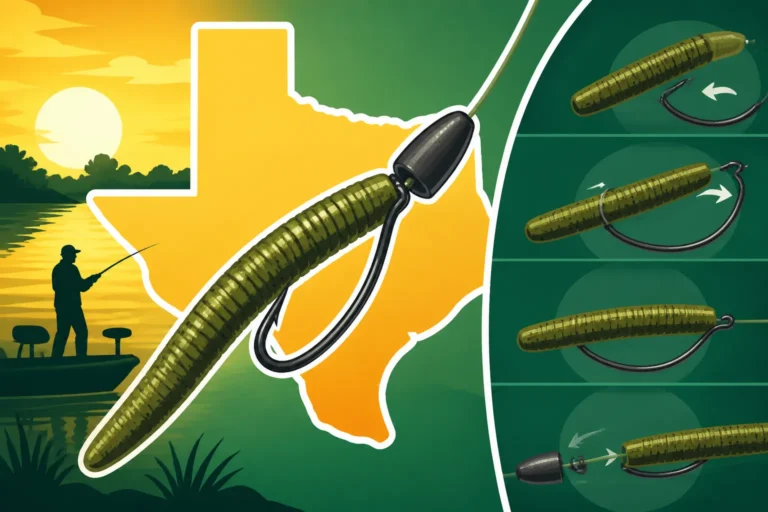
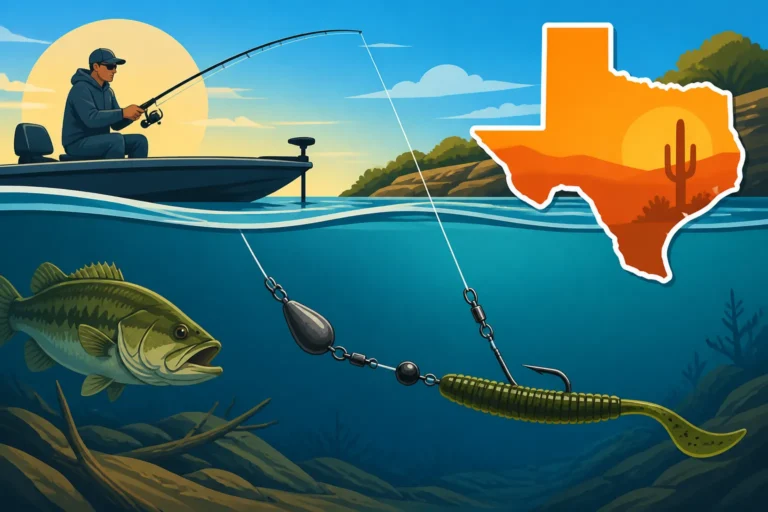
Large Worms and Creature Baits: Sometimes, a big, slow-moving meal is exactly what a trophy bass is looking for. Large soft plastic worms (10-12 inches) or substantial creature baits can be fished Texas-rigged or Carolina-rigged to tempt bigger fish. These baits offer a substantial profile and a subtle, undulating action that mimics a large worm or a crawfish. The absence of light means bass are less likely to inspect the bait closely, relying instead on scent and vibration. Black, blue, and junebug are again the go-to colors. Fish them slowly, letting the bait sink and then dragging or hopping it along the bottom. The slower presentation allows bass more time to locate the bait and decide to strike. Many anglers stock up on these larger soft plastics from reputable brands found on platforms like Amazon.
Color, Sound, and Scent: Maximizing Your Night Lure Effectiveness
It's not just about the type of lure; it's also about how you enhance its appeal in the dark. Think about what a bass relies on when its vision is limited: sound, vibration, and smell. Maximizing these elements will significantly increase your success rate.
The Science of Color in the Dark
Forget the bright, flashy colors you might use during the day. At night, a lure's color is primarily about its silhouette against the moonlit sky or the subtle ambient light. Dark colors like black, dark blue, junebug (a deep purple-black), and even chartreuse (for contrast in some conditions) are generally considered the most effective.
-
Silhouette is Key: A black lure offers the starkest silhouette against any available light, making it easier for a bass to detect its shape and movement. Imagine holding a black cutout against a faint light source – it stands out clearly. The same principle applies underwater. This dark profile triggers an aggressive predatory response from bass that are actively hunting. Even if there's no moon, the dark color absorbs any stray light, creating a strong, defined shape.
-
Subtle Contrast: Sometimes, a little contrast can help. A black and blue combination, for example, might offer just enough difference in tone to mimic a crawfish or baitfish. Or, in extremely dark conditions, some anglers find that a very vibrant, almost glowing chartreuse can create enough visible contrast for a bass to key in on. It's not about the color itself, but how it interacts with the minimal light and how effectively it creates a "target" for the bass to home in on. Experimentation is always good, but start with those dark, definitive colors.
Vibrations and Rattles
Since bass rely heavily on their lateral line system at night, any lure that produces strong vibrations or incorporates rattles will have an advantage. These sensory cues act like a beacon in the dark, guiding the bass to your offering.
-
Built-in Rattle Chambers: Many crankbaits, lipless crankbaits, and even some jigs come equipped with rattle chambers. These small beads or BBs inside the lure create an audible clicking or rattling sound as the lure moves through the water. This sound perfectly mimics the natural noises of struggling baitfish or a crawfish trying to escape. When you're fishing a crankbait at night, the sound combined with the wobble can be irresistible. Consider a deep-diving crankbait with a strong rattle if you're targeting those How to fish deep drop-offs for bass.
-
External Rattles and Blades: Beyond built-in rattles, lures with external features like large spinnerbait blades (especially Colorado blades) create significant water displacement and vibration. A buzzbait's propeller also generates a unique, loud commotion on the surface. Some soft plastics even have slots where you can insert glass or plastic rattles to add an extra layer of auditory appeal. The more sensory information you can give a bass in the dark, the better your chances of getting a strike. The distinct "thump" of a large blade or the "clack" of internal rattles can be the deciding factor when bass are relying on sound.
Adding Scent for an Edge
When bass can't see or hear perfectly, their sense of smell and taste become crucial. Adding a scent can be the secret weapon that turns a curious follow into a committed bite, especially on those slower, more deliberate retrieves.
-
Scented Soft Plastics: Many soft plastic lures, especially worms and creature baits, come pre-scented from the factory. These scents, often mimicking crawfish, shad, or garlic, are impregnated into the plastic. This means that even if a bass "noses" your lure without biting, it gets a powerful olfactory cue that encourages it to return for a real strike. For a deeper dive into soft plastics, check out our Best soft plastics for Texas bass fishing guide.
-
Scent Sprays and Dips: For lures that aren't pre-scented, like jigs or non-scented soft plastics, you can apply scent sprays or dips. These products come in various flavors and forms and can be incredibly effective. Simply spray or dip your lure before each cast (or every few casts) to leave a scent trail. The idea is that if a bass approaches your lure and bumps it, the scent will trigger a feeding response, making them hold onto the bait longer and giving you more time to set the hook. This is particularly useful when fishing very slowly, as the scent has more time to dissipate and attract fish. Always make sure to reapply regularly, as the scent will wash off over time.
Retrieving Lures at Night: Techniques for Success
Even with the perfect lure, your retrieve can make or break your night fishing success. Bass behave differently in the dark, and your presentation needs to account for their reduced visibility and heightened reliance on other senses. Generally, slower and more deliberate retrieves are the rule.
Slow and Steady Wins the Race
At night, bass have less light to track your lure, so they need more time to locate it, approach it, and strike. A fast, erratic retrieve that might work wonders during the day can be completely ineffective after dark.
-
Patience is a Virtue: The most common mistake night fishing beginners make is retrieving too quickly. Force yourself to slow down. If you think you're going too slow, slow down even more! This gives the bass ample opportunity to hone in on the sound, vibration, and silhouette of your lure. For topwater lures like Jitterbugs, allow long pauses between movements. With jigs and worms, let them sink fully and work them along the bottom with exaggerated pauses. Bass will often pick up the lure on the fall or during a pause, so pay close attention to any subtle taps or changes in line tension. When fishing around cover like How to catch bass around boat docks, a slow approach lets you thoroughly pick apart the structure.
-
Consistent Cadence: While slowing down, try to maintain a consistent cadence with your retrieve. This creates a predictable pattern of sound and vibration that bass can track. Whether it's a steady churn of a Whopper Plopper or the slow throb of a spinnerbait, a consistent rhythm makes your lure easier to pinpoint. Erratic, stop-and-go retrieves can sometimes confuse bass in the dark, especially if they are relying solely on sound. However, there are times when a sudden twitch or acceleration can trigger a reaction strike, so it's good to experiment after establishing a base slow retrieve.
Varying Your Retrieve
While consistency is good, don't be afraid to subtly vary your retrieve once you've established a baseline. Sometimes, a slight change can be the trigger a bass needs to commit.
-
Speed Changes: After a few casts with a steady retrieve, try varying the speed slightly. Maybe a few quicker turns of the reel handle, followed by a slower stretch, or a short stop-and-go. These subtle changes can make your lure appear injured or erratic, a prime target for a nocturnal predator. For example, a slow-rolled spinnerbait might suddenly speed up for a few feet before slowing back down. This unpredictability can mimic a baitfish trying to escape or a crawfish scurrying for cover.
-
Subtle Twitches and Pauses: For topwater lures and soft plastics, incorporating twitches and longer pauses can be incredibly effective. A Jitterbug retrieved with a few cranks and then allowed to sit motionless for 5-10 seconds before another slow pull can be deadly. Bass often strike during the pause, so be ready! For jigs and worms, a sharp hop off the bottom followed by a long slide can draw attention. These pauses allow the lure's scent to dissipate and give a cautious bass time to investigate. Our article on Night Fishing Techniques for Texas Lakes delves deeper into these nuanced approaches.
Targeting Structure in the Dark
Just like during the day, structure is king for bass at night. However, your approach to fishing it might need to change slightly. Since visibility is low, you need to rely on your knowledge of the lake and maybe even a good GPS unit if you have one.
-
Sound and Feel for Edges: Focus on casting your lures right along the edges of weed lines, timber, rocky points, and submerged roadbeds. Use lures that give you good feedback through the rod, allowing you to "feel" the structure. A jig, for example, will bump and grind against rocks, transmitting that information directly to your hands. When fishing around standing timber or brush piles, try to get your lure as close as possible without getting snagged. Bass will often position themselves right on the outside edge of these ambush points, waiting for prey to pass by.
-
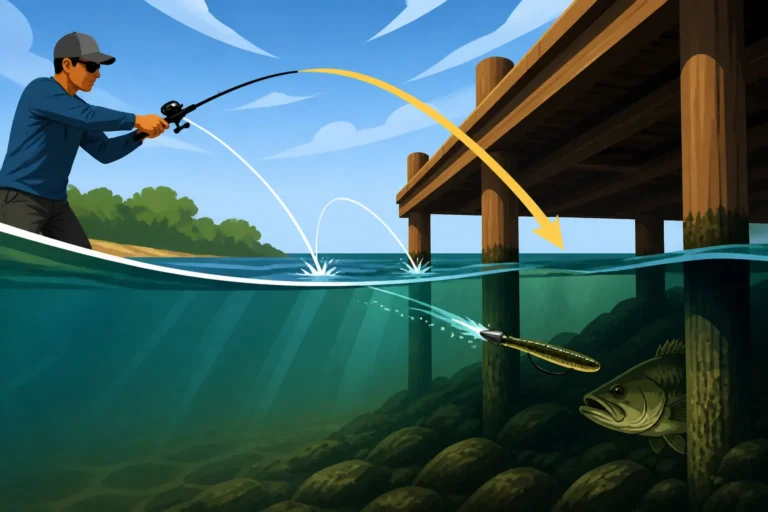
Light Sources: Don't overlook artificial light sources! Docks with lights, bridge pilings, or even streetlights near the water can attract baitfish, which in turn attract bass. These areas create a small, illuminated feeding zone, and bass will often patrol the edges of the light and shadow. Cast your lures into the dark areas surrounding the light and work them into the fringe of the light cone. A buzzbait or a topwater popper worked through these areas can provoke explosive strikes as bass ambush unaware prey attracted to the light. This is a common pattern for How to catch bass around boat docks when the lights are on.
Here's a quick reference table for some of the best lures for night bass fishing:
| Lure Type | Best Colors | Key Feature | Ideal Retrieve | Best Use Cases |
|---|---|---|---|---|
| Jitterbug | Black, Dark Green | Distinct gurgling sound | Slow & steady, long pauses | Shallow flats, calm water, around cover |
| Whopper Plopper | Black, Bone, Dark Blue | Propeller-driven churning | Slow & steady, allowing full rotation | Open water, weed lines, covering larger areas |
| Buzzbait | Black, Dark Blue, Junebug | High-speed squeal & splash | Fast enough to keep on surface | Shallow water, aggressive fish, low-light conditions |
| Spinnerbait | Black, Blue, Junebug (dark) | Strong blade vibration | Slow-roll, varying depth | Weed edges, points, submerged timber, murky water |
| Bladed Jig (Chatterbait) | Black/Blue, Green Pumpkin | Aggressive hunting wobble | Slow to medium retrieve | Grass beds, open water, reaction strikes |
| Football/Casting Jig | Black/Blue, Black | Bottom contact, bulky profile | Slow drag, hop, long pauses | Ledges, humps, rocky points, deep structure |
| Large Worms/Creatures | Black, Junebug, Dark Blue | Subtle action, strong scent | Texas/Carolina rig, slow drag/hop | Around cover, deep structure, sluggish fish, scent attraction |
Disclaimer
This article is for general informational purposes only and does not constitute professional advice. Laws, prices and regulations vary by location and change over time. Consult a qualified professional for guidance on your specific situation.