How to fish a Carolina rig in deep water
There's nothing quite like the frustration of knowing the fish are down deep, but your usual techniques just aren't getting to them effectively. Texas reservoirs can be vast and deep, and when bass move to those cooler, darker depths, it takes a specialized approach to consistently put them in the boat. This guide is all about demystifying the Carolina rig, showing you exactly how to fish it successfully in deep water, so you can confidently target those elusive big bass even when they're holding far below the surface.
Why the Carolina Rig is Your Deep Water Secret Weapon in Texas
When the Texas sun is scorching, or during those colder months, bass often retreat to deeper, more stable water where temperatures are more consistent and forage is abundant. This is where a Carolina rig truly shines, acting as a versatile, fish-catching machine for targeting structure and fish anywhere from 15 to 40 feet or even deeper. It's a technique that many anglers shy away from because it can seem intimidating, but once you understand its nuances, it becomes an invaluable tool in your arsenal.
The Unique Advantages of this Setup for Deep Structure
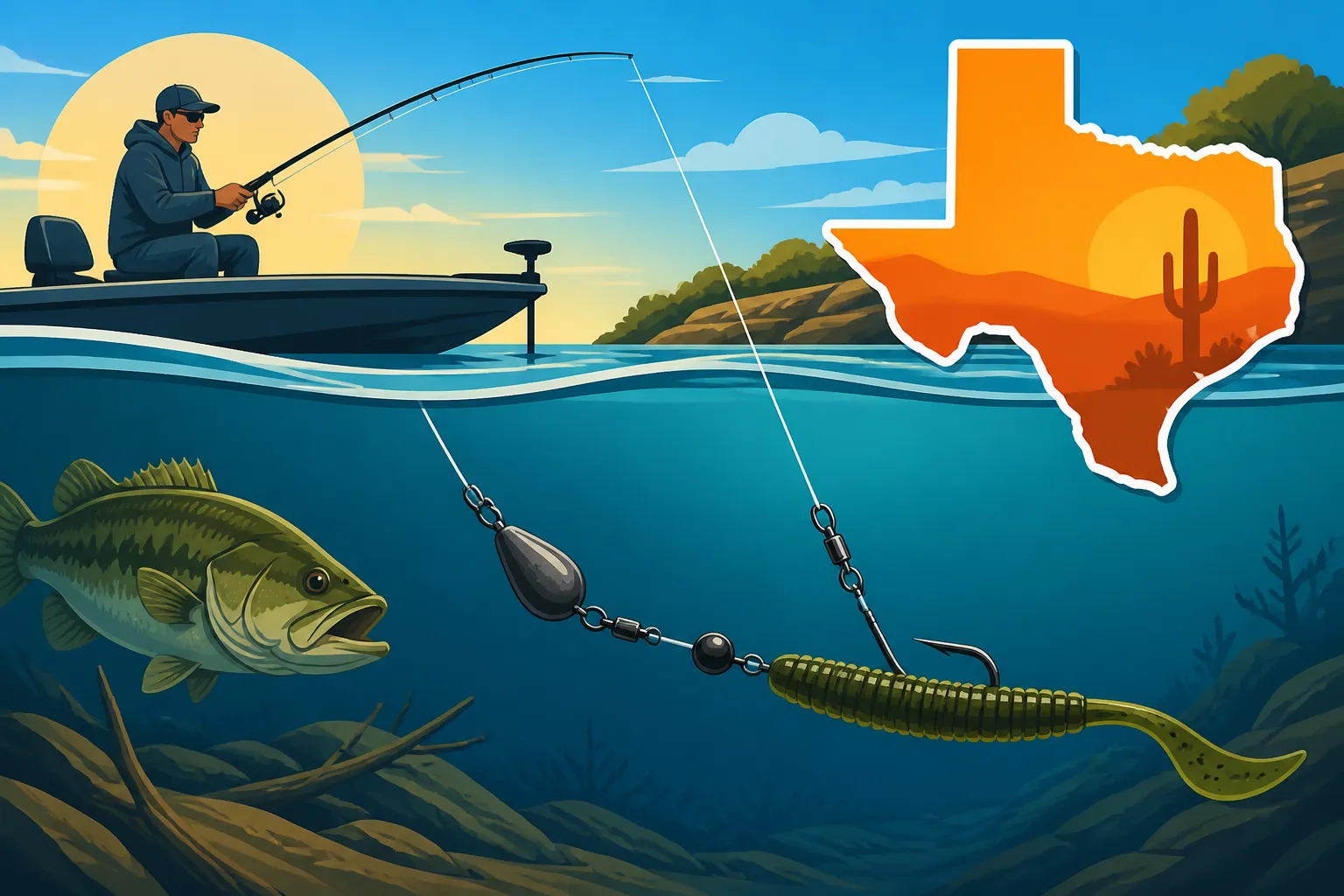
The Carolina rig's design allows for a unique presentation that's incredibly effective in deep water, especially around submerged brush piles, rock formations, ledges, and creek channels. Unlike a standard Texas rig where the weight is pegged directly to the hook, the Carolina rig features a sliding weight that is separated from the hook by a swivel and a leader. This separation means your bait has an incredibly natural, unhindered action as it drifts or is slowly dragged along the bottom, mimicking a foraging crawfish or an injured baitfish.
This "free-flowing" bait movement is crucial because deep-water bass, while often less pressured, can still be finicky. The rig allows the weight to make contact with the bottom first, stirring up sediment and drawing attention, while your bait lags behind, subtly dancing through the strike zone. It’s particularly useful when you're trying to cover a lot of deep water quickly, scanning for those isolated brush piles or subtle changes in depth that hold fish. The weight constantly telegraphs bottom composition back to you, helping you "feel" your way through unfamiliar deep terrain.
Breaking Down the Essential Components
Building an effective deep-water Carolina rig is all about understanding each component and how it contributes to the overall presentation. It’s a simple setup, but the right choices make all the difference. You'll need a main line, a sliding weight, a bead, a swivel, and a fluorocarbon leader with your chosen hook and soft plastic bait.
The sliding weight is typically an egg sinker or a specialized Carolina rig weight, often made of tungsten. Tungsten is preferred over lead for deep water because it's much denser, meaning a smaller weight can achieve the same sink rate, providing increased sensitivity and making it less prone to snagging. For deep water, you’re usually looking at weights from 3/4 oz to 1.5 oz, depending on depth, wind, and current. Next comes a glass or plastic bead that sits between the weight and the swivel. This bead protects the knot on your swivel from being repeatedly battered by the sliding weight, and some anglers believe it creates a subtle clicking sound when the weight slides against it, attracting curious fish.
The swivel is a critical component, connecting your main line to your leader. A high-quality barrel swivel or ball-bearing swivel is essential to prevent line twist, especially when dragging the rig over long distances or through current. The leader line is almost always fluorocarbon. Its low visibility and abrasion resistance are perfect for presenting your bait naturally to deep-water bass, which might be more wary in clear conditions. Leader length can vary, but for deep water, a 2 to 4-foot leader is common, giving your bait ample freedom to move. Finally, your hook and bait complete the picture. A wide gap or extra wide gap (EWG) hook is standard for Texas rigging soft plastics on a Carolina rig, ensuring good hook penetration.
Gearing Up Right: Rods, Reels, and Line for Deep Carolina Rigs
Successfully fishing a Carolina rig in deep water isn't just about the rig itself; it's heavily dependent on your equipment. You need a setup that can handle heavy weights, provide exceptional sensitivity to feel those subtle deep bites, and offer the backbone to drive a hook home from a long distance. Skimping on your gear here will only lead to missed opportunities and frustration, especially when targeting larger Texas bass that inhabit these deeper zones.
Selecting the Perfect Rod and Reel for Maximum Sensitivity
For a deep-water Carolina rig, your rod is your primary communication tool with the bait. You’ll want a rod that is typically 7 to 7.6 feet long, with a medium-heavy to heavy power rating and a moderate-fast to fast action. The length provides leverage for long casts and the ability to move a lot of line on the hookset, while the medium-heavy power offers the necessary backbone to pull those heavier weights and control a fighting fish from depth. The moderate-fast action allows the rod tip to load up, providing a bit of forgiveness for softer bites and reducing the chance of tearing the hook out, yet still offering enough sensitivity in the tip to telegraph bottom composition.
When you're out there on a vast Texas lake, feeling every rock, stump, or shell bed is paramount. Many seasoned anglers will tell you that graphite rods are the way to go for the unparalleled sensitivity they offer. Companies like Shimano and Daiwa produce excellent rods that excel in this application. As for reels, a baitcasting reel with a gear ratio in the 7.0:1 range or higher is generally preferred. This faster retrieve allows you to quickly pick up slack line after dragging the rig, which is crucial for maintaining contact with your bait and making solid hooksets. A smooth drag system is also vital, especially when battling a big bass in deep water, allowing the fish to make runs without snapping your line. You can find a wide selection of these specialized rods and reels on Amazon, often with helpful customer reviews to guide your choice.
The Importance of Mainline and Leader Choices
Your choice of fishing line is perhaps even more critical for deep-water Carolina rigging than for many other techniques. For your main line, braided line is the undisputed champion. A 30-50 lb test braided line offers minimal stretch, which translates directly into incredible sensitivity. You'll feel every tap, every rock, and every subtle bottom change, even when your bait is 30 feet down and 50 yards away. The low diameter of braid also cuts through the water better, reducing bow in the line caused by wind or current, which helps maintain direct contact with your rig. You can learn more about specific setups in our guide on Best Rods for Texas Bass Fishing.
For the leader, 15-20 lb test fluorocarbon is the standard. As mentioned earlier, fluorocarbon's invisibility underwater is a huge advantage, especially in clearer Texas lakes. It also has excellent abrasion resistance, which is important when dragging your rig over rough, rocky bottom or through submerged timber where big bass often hide. The slight stiffness of fluorocarbon also helps to keep your bait from tangling with the main line. The key is to ensure your leader is strong enough to handle a fight, but light enough to not impede the bait's natural action. Many anglers order their leader materials from Amazon for convenience and selection, stocking up on their preferred brands.
Master the Retrieve: Techniques to Entice Deep-Dwelling Bass
Dragging a Carolina rig isn't just about casting it out and reeling it in. There's an art to the retrieve that makes all the difference in triggering bites from deep-water bass. It's a game of patience, feel, and understanding what your bait is doing down below. Once you get the hang of it, you'll start feeling those subtle "thumps" and "ticks" that signal a curious bass investigating your offering.
The Art of the Slow Drag and Subtle Pause
The primary retrieve method for a Carolina rig is a slow, deliberate drag. Cast your rig out, let it sink to the bottom, and then engage your reel. Instead of reeling continuously, you'll use your rod to sweep the rig forward. Start with your rod tip pointed towards the water, then slowly sweep it to the side, anywhere from a few feet to a full 90-degree arc. This motion drags the weight across the bottom, creating puffs of sediment and allowing your free-moving bait to follow naturally.
As you sweep, pay close attention to the feel. You'll feel the weight bumping over rocks, dragging through mud, or thudding into timber. Once you complete your sweep, reel down any slack line, bringing your rod tip back to the starting position. This is where the "pause" comes in. Giving your rig a moment to rest allows the bait to settle, often just enough to entice a hesitant bass. Bites often occur on the pause, as the fish has time to inspect the bait and decide to strike. It's a subtle dance, a rhythm you'll develop with practice. Sometimes, a series of short, sharp pulls with the rod can also trigger a bite, especially if you suspect fish are less active.
Leveraging Your Electronics to Find and Target Fish
Modern fishing electronics are absolutely game-changers for deep-water Carolina rigging in Texas. You wouldn't try to navigate a maze blindfolded, so why fish deep water without knowing what's down there? Your fish finder, especially units with side imaging or down imaging, becomes your best friend. Start by idling over potential deep-water structures like creek channels, humps, ledges, and deep brush piles, scanning for baitfish schools and prominent arcs that indicate bass.
Once you've identified a promising spot, mark it on your GPS. You can then position your boat upstream or upwind from the target, allowing you to cast your Carolina rig past the fish and drag it right through them. Pay attention to how the bottom composition changes on your screen—hard bottoms, rocks, and shell beds are often bass magnets. When you're dragging your rig, cross-reference what you feel on the line with what you see on your screen. This helps you build a mental map of the underwater terrain, refining your presentation and increasing your accuracy. A deeper dive into this can be found in our guide on How to Read a Fish Finder for Bass, which details how to interpret those essential sonar readings.
Choosing Your Baits: What to Present on a Deep Water Carolina Rig
While the Carolina rig itself is a versatile delivery system, the bait you choose to present on it is equally important, especially when you're trying to appeal to bass lurking in the depths of a Texas lake. The right bait, with the right color and action, can be the difference between a blank day and a memorable catch.
Top Soft Plastic Lures for Deeper Texas Waters
When it comes to soft plastics for deep-water Carolina rigging, you want baits that have a natural, subtle action and a profile that mimics common forage. Here are some tried-and-true favorites:
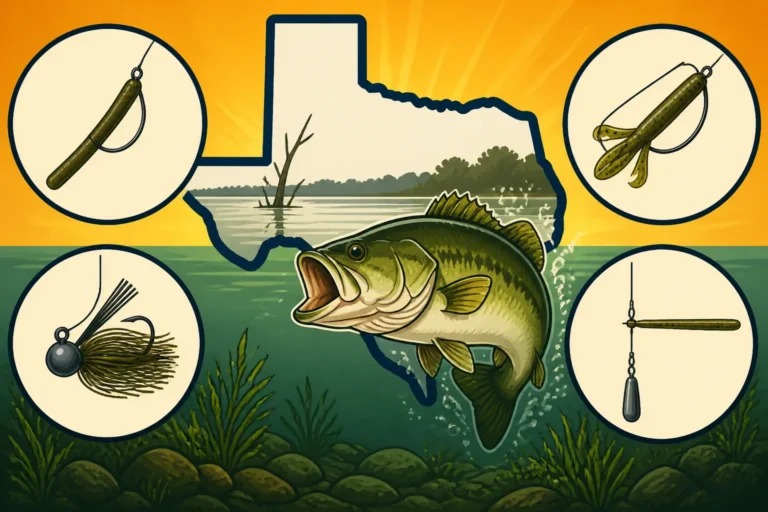
- Lizards (e.g., Zoom Trick Worm, Old Monster Worm): These classic baits are incredibly popular for Carolina rigs. Their leg and tail action provide subtle movement as they’re dragged, and they excel at mimicking crawfish or salamanders, which are common bass forage. The larger profiles of worms like the Zoom Old Monster or Berkley PowerBait Power Worm can appeal to larger bass looking for a substantial meal.
- Creature Baits (e.g., Strike King Rage Craw, Zoom Super Hog): These versatile baits have appendages that flap and vibrate with minimal movement, creating a lot of commotion without being too aggressive. They're excellent for simulating a fleeing crawfish or other bottom-dwelling creatures. Their bulk can also help displace water, making them easier for deep-water bass to detect.
- Flukes/Soft Jerkbaits (e.g., Zoom Super Fluke, Bass Pro Shops Speed Shad): While often used weightless, smaller flukes or soft jerkbaits rigged on a Carolina rig can be deadly. Their darting, erratic action on the pause can perfectly imitate an injured baitfish, a prime target for opportunistic bass. These are particularly effective in clearer deep water.
The Texas Largemouth Bass Fishing Guide features more insights into what these fish prefer throughout the year. Remember, the goal is often a subtle presentation; the separation from the weight gives these baits maximum freedom to move naturally.
Understanding Color, Scent, and Action for Deep Success
The effectiveness of your deep-water Carolina rig isn't just about bait shape; it's also about paying attention to color, scent, and the bait's inherent action. In deeper water, light penetration is reduced, so colors need to be chosen carefully.
- Color Selection: For deep, darker water, darker colors like June Bug, plum, black/blue, and darker greens (like Green Pumpkin or Watermelon Red) are often highly effective. These colors create a strong silhouette against the dim light, making them easier for bass to see. In exceptionally clear deep lakes, natural colors like light greens, browns, and clear with glitter can also perform well. Sometimes, a contrasting tail in chartreuse or orange can add a visual pop that draws attention.
- Scent Infusion: Don't underestimate the power of scent in deep water. Bass rely heavily on their lateral line and sense of smell when visibility is low. Many soft plastics come pre-infused with fish attractants, but you can always add more with external sprays or gels. This extra boost can entice a bass to hold onto the bait longer, giving you more time to feel the bite and set the hook.
- Subtle Action: The inherent action of the bait is magnified by the Carolina rig's design. Baits with long, wispy tails, subtle curls, or fine appendages will continue to move and undulate even when the rig is paused. This constant, natural motion is often what triggers strikes from lethargic or wary deep-water bass. Consider checking out Best Soft Plastics for Texas Bass Fishing for more detailed recommendations on effective lure choices.
Here’s a quick overview of Carolina Rig weight selection for different depths:
| Depth Range | Recommended Weight Size (Tungsten) | Leader Length (Fluorocarbon) | Primary Bait Types |
|---|---|---|---|
| 10-20 feet | 1/2 oz – 3/4 oz | 2-3 feet | Lizards, Smaller Creature Baits, Worms |
| 20-30 feet | 3/4 oz – 1 oz | 3-4 feet | Larger Lizards, Creature Baits, Longer Worms |
| 30-40+ feet | 1 oz – 1.5 oz | 3-5 feet | Bulky Creature Baits, Large Worms, Soft Jerkbaits |
| Heavy Wind/Current | Add 1/4 oz – 1/2 oz more | Adjust for clarity/cover | Whatever profile is working, just heavier to stay down |
Avoiding Common Pitfalls for Deep Water Carolina Rig Success
Even with the right gear and a good understanding of the retrieve, there are still common mistakes that can prevent anglers from fully capitalizing on the Carolina rig's potential in deep water. Being aware of these pitfalls and actively working to avoid them will significantly increase your success rate.
The Critical Role of Detecting Those Faint Bites
One of the biggest challenges in deep-water fishing is feeling the bite. Unlike shallow water where strikes can be aggressive and unmistakable, deep-water bites on a Carolina rig are often incredibly subtle. It might feel like a slight "tick," a mushy sensation, or just a sudden increase in weight or slackness in your line. Many anglers accustomed to heavier bites often miss these subtle indications, thinking they're just bumping another rock.
To combat this, you need to develop an almost hyper-sensitive feel. Keep a slight bow in your line during the retrieve—not too much slack, but enough to absorb slight movements without pulling the bait away. Watch your line where it enters the water for any unnatural twitch or movement. The moment you feel anything out of the ordinary, even if you're not sure, drop your rod tip slightly and then sweep-set hard. Don't wait for a definitive pull; by then, the fish might have dropped the bait. This is where the sensitivity of your braided main line and graphite rod truly pays off, transmitting even the faintest whisper of a bite. You'll learn to differentiate between a rock and a fish with practice, but always err on the side of setting the hook.
Matching Your Rig's Weight to the Depth and Conditions
Choosing the correct weight for your Carolina rig is crucial, and it's a mistake many anglers make by sticking to a "one-size-fits-all" approach. Too light a weight in deep water, or during windy conditions, means your rig will take forever to reach the bottom, won't maintain contact, and will be difficult to feel. This results in poor bait presentation and missed bites. Conversely, too heavy a weight can make the rig feel unnatural, potentially spooking fish, and makes it harder to feel subtle bottom changes or delicate bites.
As a general rule, start with at least a 3/4 oz tungsten weight for depths beyond 20 feet, and often step up to 1 oz or even 1.5 oz for 30-40+ feet, or when battling strong winds and current. The goal is to choose the lightest weight that still allows you to maintain consistent bottom contact and feel. When fishing in areas with thick cover, heavier weights can help punch through, but you'll need to be mindful of snags. Always carry a selection of weights in your tackle box, readily available to adjust to changing conditions. This adaptability is key to deep-water success and is a vital part of mastering How to fish a Carolina rig in deep water. You might also find our comprehensive guide on Best Tackle for Texas Bass Fishing helpful for stocking your tackle box with the right items.
Fishing a Carolina rig in deep water might seem daunting at first, but with the right gear, a patient retrieve, and keen attention to detail, you'll unlock a highly effective technique for catching bass that others might miss. Remember to consult Texas Freshwater Fishing Regulations for specific bag and length limits, such as Texas Largemouth Bass Length Limits, before heading out. Keep your electronics handy to locate those deep-water havens, and don't be afraid to experiment with different soft plastics and colors. Whether you're targeting fish in the heat of a How to fish a Texas reservoir in the heat or in the cooler months, the Carolina rig provides an unmatched ability to present a natural offering to bass holding on How to fish deep drop-offs for bass. It’s a rewarding technique that will deepen your connection to the water and the fish below. You can find many of these specific tools and baits, like tungsten weights or fluorocarbon line, by browsing online at retailers like Amazon. Embrace the deep, and you'll find a whole new world of Texas fishing opportunities.
Disclaimer
This article is for general informational purposes only and does not constitute professional advice. Laws, prices and regulations vary by location and change over time. Consult a qualified professional for guidance on your specific situation.