Where was the Texas record largemouth bass caught
Few things in the Texas fishing world ignite an angler's imagination quite like the pursuit of a true trophy largemouth bass. Many of us dream of that one fish, the kind that makes your heart pound and your hands shake, the one that could etch your name into the record books. But what does it take to catch such a giant, and more importantly, where was that legendary fish—the current state record largemouth—actually caught? This guide will dive deep into the story of Texas's largest bass, the lake it called home, and what makes that particular body of water a true mecca for trophy bass anglers.
The Legendary Catch: Unveiling the Record Lake
For decades, the idea of catching a truly massive largemouth bass in Texas has fueled countless fishing trips, early mornings, and late nights. Every angler has heard the whispers and legends, but only one fish holds the official state record. This monumental catch didn't come from just any pond; it came from a lake purpose-built and managed to create giants: Lake Fork.
The Day the Record Was Broken
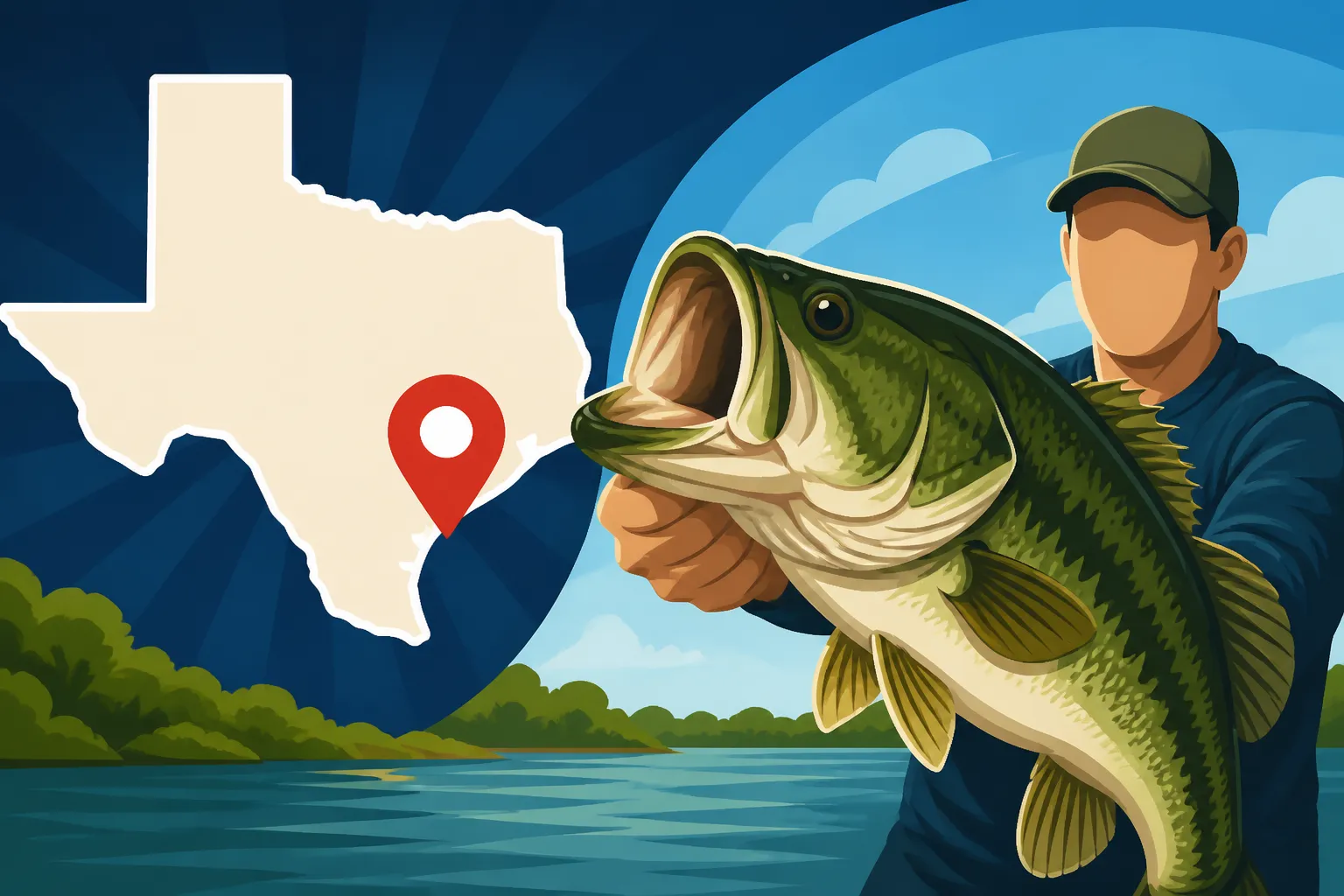
It was January 24, 1992, a day that forever changed the landscape of Texas bass fishing. On that crisp winter day, angler Barry St. Clair landed a largemouth bass that weighed an astounding 18.18 pounds. This fish wasn't just big; it shattered previous records and solidified Lake Fork's reputation as the place to go if you wanted a legitimate shot at a once-in-a-lifetime bass. Imagine the excitement, the adrenaline rush, of reeling in something that enormous! It’s the kind of story that gets told and retold, inspiring generations of anglers to brave the elements in search of their own monster. That incredible moment created a benchmark, a challenge for every serious bass angler in the state. If you want to dive deeper into the general pursuit, our Texas Largemouth Bass Fishing Guide has tons of tips.
The Fish Itself: A True Giant
The 18.18-pound largemouth was a testament to Lake Fork's incredible fishery management and nutrient-rich waters. This isn't just about weight; it's about the sheer size and power of such a creature. The fish was an absolute brute, a true apex predator of its aquatic environment. Its capture not only set a new record but also underscored the potential of Caddo Lake’s sister, Lake Fork, to consistently produce bass of truly exceptional size. For many, seeing photos of that fish or hearing its story is a bucket-list experience in itself, a vivid reminder of what's possible when conditions align perfectly. Finding gear that can handle such a beast is crucial, and a quick search on Amazon for heavy-duty bass rods or strong braided line will show you the kind of equipment top anglers rely on.
Lake Fork's Designed Destiny
It's no accident that the record bass came from Lake Fork. Located in Wood, Rains, and Hopkins counties, Lake Fork was impounded in 1980, specifically designed and managed by the Texas Parks and Wildlife Department (TPWD) as a premier trophy bass lake. From its very inception, the plan was to create a fishing paradise, especially for those seeking giant largemouths. Extensive habitat preparation, including leaving standing timber and brush piles, combined with strict slot limits and aggressive stocking programs, laid the groundwork for the incredible fishery it became. It’s a testament to forethought and dedication, proving that sometimes, human intervention can create truly spectacular natural resources for recreation. This deliberate approach is a major reason why Lake Fork is consistently listed among the Best Places to Fish in Texas for trophy bass.
Why Lake Fork Produces Giants: More Than Just Luck
Lake Fork's status as a trophy bass factory isn't merely a stroke of luck; it's the result of a confluence of factors – a perfect storm of environmental conditions, smart management, and strategic angler behavior. When you look at how and why this lake continually kicks out massive fish, you start to understand the formula for producing truly world-class largemouths.
Rich Forage and Ideal Habitat
One of the primary drivers of Lake Fork's ability to grow giant bass is its incredibly rich and diverse forage base. The lake is teeming with threadfin and gizzard shad, sunfish, and even smaller bass, providing an abundant and consistent food supply for the largemouths. Think of it like a buffet for bass – they have everything they need to grow fat and happy. This constant access to high-protein meals allows bass to pack on pounds rapidly, particularly during peak feeding times in spring and fall. Combine this ample food with the lake's extensive underwater structure—miles of standing timber, hydrilla beds, and submerged roadbeds—and you have the perfect environment for bass to ambush prey, conserve energy, and reach truly massive sizes. These underwater havens are key to where big bass spend their lives, growing larger and larger.
Strict Management and Slot Limits
The Texas Parks and Wildlife Department has been incredibly proactive in managing Lake Fork to maintain its trophy status. A cornerstone of this management is the special slot limit regulation, which has been in place for many years. Typically, bass between a certain length range must be immediately released, while anglers are allowed to keep a limited number of bass under or over that slot. This regulation is designed to protect the prime breeding stock and the fast-growing "teenage" bass, allowing them to mature into true giants. By ensuring that these intermediate-sized fish remain in the lake, TPWD maximizes the chances of them reaching double-digit weights. It takes discipline from anglers, but the results speak for themselves, continuing to deliver incredible fishing opportunities. For those unfamiliar with these rules, checking out Texas Largemouth Bass Length Limits is a must before you cast a line.
The Texas ShareLunker Program
Intrinsically linked to Lake Fork's success is the legendary Texas ShareLunker Program Explained. This voluntary program encourages anglers who catch a largemouth bass weighing 13 pounds or more to donate their fish for spawning purposes at the Texas Freshwater Fisheries Center. The offspring from these "Legacy Class" ShareLunkers are then stocked back into public lakes across Texas, including Lake Fork itself, creating a genetic feedback loop that continually introduces trophy genes into the population. The 18.18-pound record bass caught by Barry St. Clair was, in fact, an important contributor to the ShareLunker program. This symbiotic relationship between anglers, the lake, and the TPWD is a huge reason why Lake Fork has produced more ShareLunkers than any other lake in the state, year after year. It's a true community effort to grow bigger bass for everyone. You can even find specific items on Amazon related to safely handling and measuring potential ShareLunkers, like specialized weigh-in bags and digital scales.
The Legacy of a Record: What it Means for Texas Anglers
The capture of the state record largemouth bass on Lake Fork wasn't just a fleeting moment of glory; it carved out a lasting legacy that continues to influence Texas fishing culture. It set a new standard, ignited new dreams, and profoundly impacted how anglers approach the pursuit of trophy bass in the Lone Star State.
Inspiring a Generation of Trophy Hunters
Before the 18.18-pound record, catching a bass over 15 pounds was already an incredible feat, but the sheer size of St. Clair's fish expanded the horizons of what anglers believed was possible. It became a benchmark, a tangible goal for those dedicating themselves to trophy bass fishing. The story serves as a constant inspiration, drawing anglers from all over the country to try their luck on Lake Fork. It fuels the passion, the endless hours of practice, and the commitment to understanding bass behavior. Every time someone sets out with a Best Fishing Rods for Texas Anglers in hand, hoping for that monster bite, they're chasing the shadow of that record fish. This enduring dream means the tackle shops around Lake Fork are always bustling, and you'll find plenty of specialized gear for big bass on Amazon, from heavy-duty braided lines to robust swimbaits.
Shaping Lake Management Strategies
The success of Lake Fork, highlighted by its record-breaking fish, served as a powerful validation for aggressive trophy bass management strategies. The combination of standing timber, abundant forage, and protective slot limits proved incredibly effective. This success story encouraged TPWD and other lake authorities to implement similar strategies in other Texas reservoirs, aiming to replicate Fork's ability to grow giants. While no other lake has yet surpassed Fork's record, many have seen significant improvements in their trophy bass populations, thanks in part to lessons learned and proven effective on this legendary water. Understanding these management strategies helps anglers appreciate why certain lakes are managed the way they are.
Economic Impact and Local Culture
The record bass and Lake Fork's overall reputation have had a significant economic impact on the surrounding communities. Anglers travel great distances, book guide services, stay in local accommodations, and frequent bait and tackle shops, all contributing to the local economy. Towns like Emory, Quitman, and Alba thrive on the influx of fishing tourism. Beyond economics, the lake has fostered a unique fishing culture, a community of dedicated bass anglers who share stories, tips, and an unwavering respect for the massive fish that swim in its waters. It’s a place where legends are made, and every angler feels a part of that ongoing story. Our Lake Fork Fishing Guide offers more insights into experiencing this iconic lake.
Beyond the Record: Other Texas Lakes for Trophy Bass Pursuits
While Lake Fork holds the crown for the state record largemouth, Texas boasts numerous other lakes that consistently produce giant bass, making them prime destinations for anglers looking for their own personal best. The pursuit of a trophy bass is an exciting journey, and knowing where else to cast your line can lead to unforgettable experiences.
O.H. Ivie Reservoir: A Modern-Day Giant Factory
In recent years, O.H. Ivie Reservoir, located in West Central Texas, has emerged as a truly incredible trophy bass fishery. While it hasn't produced a state record, it has put out more 13+ pound ShareLunkers in a single season than any other lake, even surpassing Lake Fork in some years. This relatively younger reservoir offers a diverse array of habitat, from rocky points to submerged timber and brush. Its nutrient-rich waters and ample forage, combined with favorable growing conditions, allow bass to reach astounding sizes. Anglers often target its deep, clear waters with jigs, deep-diving crankbaits, and swimbaits, especially during the colder months when these giants are most active. You can find many of the recommended baits for these conditions on Amazon, ready to be shipped for your next big trip.
Toledo Bend Reservoir: The Border Lake Giant
Straddling the Texas-Louisiana border, Toledo Bend Reservoir is another consistent producer of trophy largemouth bass. This sprawling reservoir is renowned for its vast expanses of hydrilla, standing timber, and creek channels, providing endless opportunities for bass to grow large and hide from anglers. It consistently ranks high among the top bass lakes in the nation, frequently producing ShareLunker-class fish. Anglers often employ a variety of techniques here, from flipping and pitching heavy jigs into dense cover to throwing oversized swimbaits in open water. The lake's sheer size means there's always a new spot to explore, and the challenge of navigating its expansive waters is part of the appeal. For more specific insights into this monster lake, check out our Toledo Bend Reservoir Fishing Guide.
Sam Rayburn Reservoir: East Texas Heavyweight
Known affectionately as "Big Sam," Sam Rayburn Reservoir in East Texas is another titan in the world of Texas bass fishing. It's a massive lake, covering over 114,000 acres, and its diverse fishery is a testament to its size and rich environment. Sam Rayburn consistently produces large numbers of quality bass, with trophy-sized fish caught regularly. Similar to Toledo Bend, its extensive submerged timber, hydrilla, and offshore structure create ideal conditions for bass growth. Many professional bass tournaments are held on Sam Rayburn, further solidifying its reputation as a top-tier fishery. Learning How to Fish a Texas Bass Tournament might even lead you to Big Sam. Anglers targeting trophy fish here often rely on large spinnerbaits, crankbaits, and various soft plastics fished through its abundant cover.
Falcon Lake: A Southern Powerhouse
Down in South Texas, near the Mexican border, lies Falcon Lake, another lake famous for its monster bass, especially during years of high water levels. While its water levels can fluctuate dramatically, when conditions are right, Falcon is known for producing incredibly large and aggressive largemouths. Its stark, desert-like surroundings and flooded brush provide unique habitat that contrasts with the timber-laden lakes of East Texas. Anglers often find success here with heavy jigs, creature baits, and big swimbaits, targeting the flooded mesquite and huisache trees. The intensity of the bite can be phenomenal, making it a bucket-list destination for many trophy bass enthusiasts.
These lakes, along with others like Lake Conroe and Amistad Reservoir, collectively showcase the incredible diversity and potential of Texas for trophy bass fishing. Each offers its own unique challenges and rewards, but all share the common thread of being capable of producing the bass of a lifetime. Equipping yourself properly is key, and whether you're looking for Best Tackle for Texas Bass Fishing or specialized electronics, places like Amazon offer a vast selection to help you prepare for your next big catch.
| Lake Name | State Record (lbs) | Notable Qualities for Trophy Bass | Primary Forage | Management Focus |
|---|---|---|---|---|
| Lake Fork | 18.18 | Designed for trophy bass, standing timber, extensive habitat | Shad, sunfish, small bass | Slot limits, ShareLunker |
| O.H. Ivie Reservoir | ~16 | High ShareLunker production, diverse habitat, nutrient-rich | Shad, sunfish | Slot limits, ShareLunker |
| Toledo Bend Reservoir | ~16 | Massive, abundant hydrilla, standing timber, consistent big fish | Shad, sunfish, crawfish | Reciprocal regulations |
| Sam Rayburn Reservoir | ~16 | Large, diverse structure, robust fishery, tournament proven | Shad, crawfish, sunfish | Quality bass management |
| Falcon Lake | ~16 | Flooded brush, aggressive bass, high growth rates (water level dependent) | Tilapia, shad, crawfish | Habitat preservation |
Disclaimer
This article is for general informational purposes only and does not constitute professional advice. Laws, prices and regulations vary by location and change over time. Consult a qualified professional for guidance on your specific situation.