Which Texas lakes have stocked striped bass
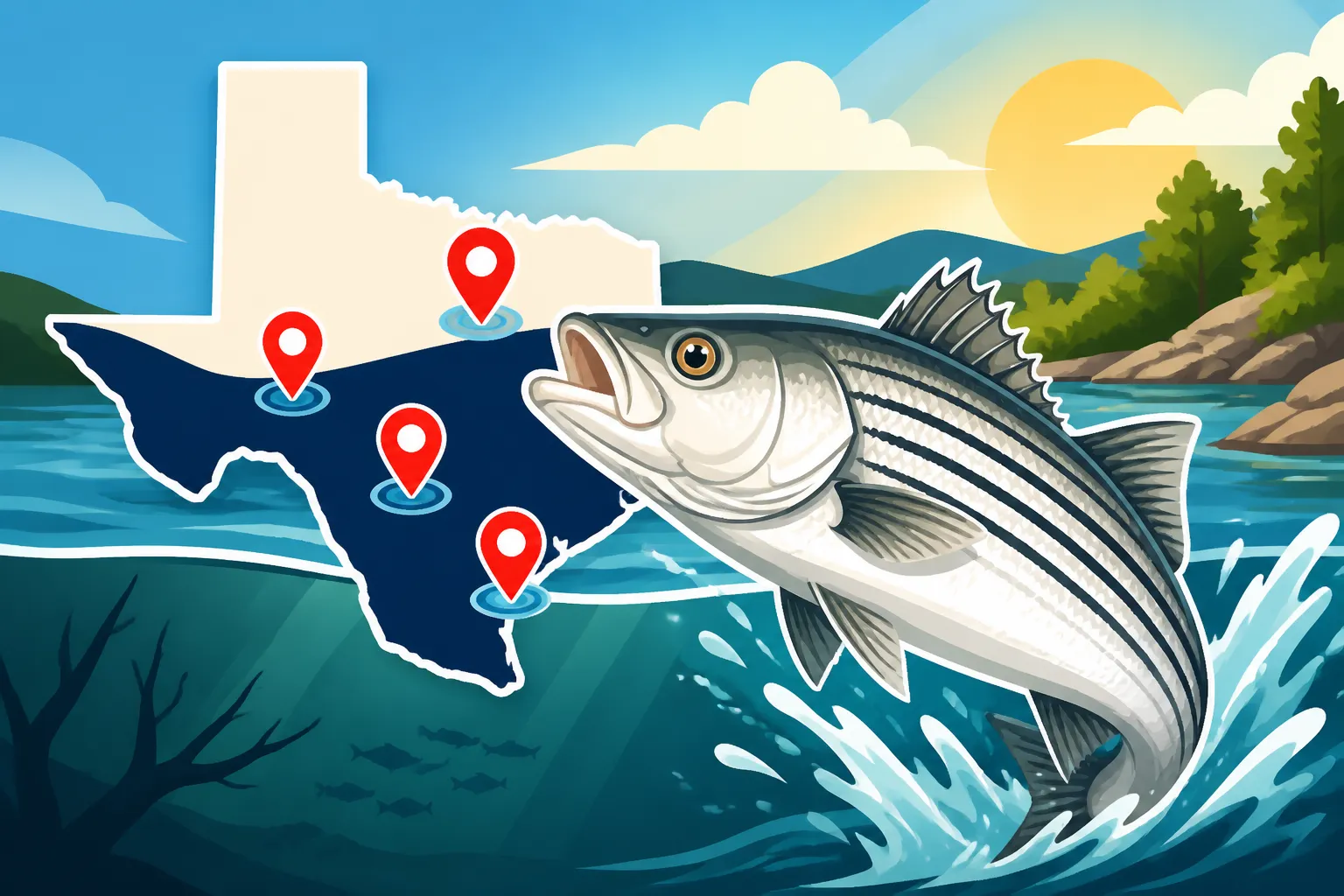
It can be a real head-scratcher trying to figure out where to chase those powerful striped bass in Texas, especially since they don't naturally reproduce in most of our freshwater reservoirs. You're not alone in wondering which lakes offer the best chance to hook into one of these hard-fighting fish. This guide is here to shed some light on the subject, pinpointing the Texas lakes that Texas Parks and Wildlife Department (TPWD) keeps stocked with striped bass, giving you a much clearer idea of where to plan your next striper adventure.
Understanding Striped Bass Stocking in Texas
For many anglers, the thrill of reeling in a striped bass is unmatched. These powerful fish offer a fantastic challenge, but unlike largemouth bass or catfish, pure striped bass typically can't sustain their populations in most Texas freshwater lakes without a little help from us humans. That's where the stocking programs come in, making sure there are plenty of opportunities to target these magnificent fish across the state.
Why Texas Stocks Striped Bass
The primary reason TPWD puts so much effort into stocking striped bass is simple: they provide an incredible recreational fishing opportunity. Imagine the tug of a 10-pound striper on your line, fighting hard, trying to strip drag – it's an experience many anglers cherish. Beyond the sheer excitement, striped bass also serve an ecological role in some of our larger reservoirs. They are voracious predators of open-water baitfish like gizzard shad, which can sometimes become overpopulated in certain lakes. By introducing stripers, TPWD helps maintain a healthier balance in the ecosystem, while also giving anglers another fantastic game fish to pursue.
However, it's crucial to understand that most Texas lakes don't have the unique environmental conditions, particularly the long riverine stretches with sufficient flow, that striped bass need to successfully spawn and for their eggs to hatch. Without these specific conditions, natural reproduction just doesn't happen on a large enough scale, if at all. This means that without TPWD's stocking efforts, our freshwater striper fisheries would quickly diminish.
How TPWD Manages Striped Bass Populations
The Texas Parks and Wildlife Department plays a monumental role in ensuring a vibrant striped bass fishery. They operate several freshwater hatcheries across the state, where millions of striped bass fingerlings are raised each year. These tiny fish are then transported and released into designated reservoirs. This isn't a random process; it's a carefully planned and scientifically managed program.
Biologists consider a multitude of factors before deciding which lakes receive stripers and how many. They look at the lake's size, water quality, baitfish populations, and existing angler demand. Lakes with abundant shad and sufficient open water are prime candidates. The goal is to create a put-grow-and-take fishery, where the fish stocked can thrive, grow to impressive sizes, and provide years of angling enjoyment before anglers harvest them. This constant management ensures that despite the lack of natural reproduction, Texas anglers can still enjoy excellent striped bass fishing year after year. For those interested in the bigger picture, the overall Texas Fishing License Requirements Explained are an important read before heading out.
Key Texas Lakes Stocked with Striped Bass
When you're looking to target striped bass, knowing which lakes have a robust, stocked population is half the battle. Texas has a number of incredible reservoirs known for their striper fishing, ranging from massive border lakes to smaller, hidden gems.
North Texas Striped Bass Hotspots
North Texas is arguably the epicenter of freshwater striped bass fishing in the state, boasting several massive reservoirs that consistently produce big fish and lots of action.
- Lake Texoma: This massive reservoir, straddling the Texas-Oklahoma border, is truly unique. It's one of the very few lakes outside of coastal rivers where striped bass actually reproduce naturally due to the inflow from the Red and Washita Rivers. While natural reproduction is a major factor in its incredible fishery, TPWD still supplements the population with stocking to ensure an even more robust and diverse fishery. Texoma is famous for its powerful striped bass, often schooling in huge numbers, and offers year-round opportunities. Anglers often find success drifting live bait, trolling, or casting topwater lures during aggressive feeding frenzies. For specific rules, check out Lake Texoma Fishing License Rules.
- Lake Whitney: Located southwest of Fort Worth, Lake Whitney is another consistently productive striper lake. Its deep, clear waters and ample baitfish make it an ideal habitat for striped bass to grow large. Anglers often find stripers around the lake's prominent points, humps, and submerged timber. Early morning and late evening topwater action can be phenomenal, especially in the warmer months. During summer, look for them holding in deeper, cooler water.
- Lake Ray Roberts: Situated north of Denton, Lake Ray Roberts is a popular destination for various species, and its striped bass fishery is strong thanks to regular stocking. It's a lake known for its healthy population of baitfish, which fuels the growth of these powerful predators. Anglers here often employ trolling techniques with deep-diving crankbaits or rely on electronics to locate schools of stripers and then drop live bait or jigging spoons.
- Lake Lewisville: Just north of Dallas, Lake Lewisville offers convenient access for many North Texas anglers. While perhaps not as renowned solely for stripers as Texoma or Whitney, it consistently receives stockings and provides good opportunities, especially for those looking for a quick trip from the metroplex. Similar to other open-water striper fisheries, finding schooling baitfish is key to locating the stripers here.
Central and East Texas Striped Bass Lakes
Moving south and east, you'll find other excellent striped bass lakes that are regularly stocked and offer fantastic fishing.
- Lake Tawakoni: East of Dallas, Lake Tawakoni is a fantastic multi-species lake, and its striped bass fishery is a huge draw. Known for its extensive open water and abundant shad, Tawakoni provides an excellent environment for stripers to thrive. This lake sees a lot of action from guide services targeting schooling stripers, often using live bait or powerful trolling setups. It's definitely a lake to put on your list if you're in the East Texas area.
- Cedar Creek Reservoir: Another popular East Texas lake, Cedar Creek offers a diverse fishery including a healthy population of stocked striped bass. It’s a bit shallower than some other striper lakes, which can make locating schools a bit different, but the fish are still there and willing to bite. Trolling and live bait fishing are popular methods for pursuing stripers in Cedar Creek.
- Lake Waco: In Central Texas, Lake Waco is a great option for striped bass. While not as massive as some of the North Texas lakes, it consistently receives stockings and provides good action, particularly for those in the Waco area. Focusing on deeper channels and areas with good baitfish concentrations will be productive here.
- Richland-Chambers Reservoir: This huge reservoir, located southeast of Fort Worth, is one of the largest in Texas and supports a significant population of striped bass through stocking. Its vast open water and deep areas make it ideal habitat. Anglers targeting stripers here will often rely on sonar to find schools in the main lake body or near the dam. Trolling and live bait are tried and true methods.
West and South Texas Opportunities
While fewer in number, there are also some notable striped bass stocking programs in West and South Texas, providing opportunities in different regions of the state.
- O.H. Ivie Reservoir: Famous for its trophy largemouth bass, O.H. Ivie also receives stockings of striped bass. While it might not be the first lake that comes to mind for stripers, don't overlook the chance to catch one of these hard-fighting fish here, especially as an unexpected bonus while targeting other species. Like elsewhere, finding schools of shad will often lead you to the stripers.
- Amistad Reservoir: Located on the border with Mexico near Del Rio, Amistad is another giant reservoir primarily known for its world-class largemouth bass. However, TPWD has also stocked striped bass here, offering another exciting angling option. Its incredibly clear water means tactics might need to be more subtle at times, but the fish are present and can grow quite large.
Lakes with Hybrid Striped Bass Instead
It's important for anglers to distinguish between pure striped bass and their close cousins, hybrid striped bass (also known as wipers or Cherokee bass). Hybrid stripers are a cross between a striped bass and a white bass, and they are sterile, meaning they cannot reproduce. TPWD stocks hybrids even more extensively than pure stripers in many lakes because they grow quickly, fight incredibly hard, and thrive in a wider range of Texas lakes.
Many lakes that might not be suitable for pure striped bass stocking due to specific habitat requirements are excellent for hybrids. These include:
- Lake Conroe
- Lake Livingston
- Canyon Lake
- Belton Lake
- Stillhouse Hollow Lake
- Lake Palestine
- Lake Corpus Christi
Hybrids offer phenomenal fishing, often schooling in large numbers and providing fast action. They typically don't reach the same trophy sizes as pure stripers, but they are incredibly fun to catch and are a staple for many Texas anglers. Always check the specific regulations for the lake you're fishing, as Texas Fish Bag and Length Limits can vary between pure stripers and hybrids.
What to Consider When Fishing Stocked Striped Bass Lakes
Successfully targeting striped bass, especially in vast Texas lakes, involves more than just knowing where they're stocked. It requires understanding their behavior, having the right gear, and staying informed about conditions.
Best Times and Techniques
Striped bass are open-water predators, often found chasing schools of baitfish. Their patterns can vary significantly with the seasons and water temperatures.
- Spring and Fall: These are often considered prime times for striper fishing. In spring, stripers become very active as water temperatures rise, often moving into shallower areas or following baitfish runs. Fall sees them in a feeding frenzy, packing on weight before winter. Topwater lures can be incredibly effective during these periods, especially at dawn and dusk. For specific spring tactics, check out How to Catch Bass in Spring in Texas (many of these principles can apply to stripers too!).
- Summer: As Texas heats up, stripers will seek deeper, cooler, more oxygenated water. This often means they'll be found in the main lake basin, near the dam, or in deep channels. This is when trolling with deep-diving crankbaits or fishing live bait (like shad) on downriggers or in free-lines becomes highly effective. Heavy slabs and jigging spoons can also produce when schools are located deep.
- Winter: Stripers will still feed in winter, often congregating in large schools in deep water. Vertical jigging or slow trolling can be productive.
When it comes to gear, you'll want something stout. A medium-heavy to heavy action rod paired with a robust baitcasting or spinning reel spooled with strong braided or monofilament line is essential. You can find a fantastic selection of suitable rods, reels, and specialized lures for striped bass on platforms like Amazon, allowing you to compare options and read reviews from other anglers.
Checking Stocking Reports and Conditions
The TPWD website is your best friend when it comes to confirming stocking programs. They often publish stocking reports, detailing which species were released in which lakes and when. While these reports might not be real-time, they give you a strong indication of actively managed fisheries. Additionally, local fishing forums, guide services, and bait shops are invaluable resources for current conditions and recent catches. Pay attention to water temperature, clarity, and recent weather patterns, as these factors heavily influence where stripers will be and what they'll be biting. For instance, understanding How wind affects bass fishing on Texas lakes can also apply to how stripers move and feed.
Essential Gear for Striped Bass Fishing
Having the right equipment can make all the difference in a successful striper outing. Beyond your rod and reel, consider these items:
- Fishing Line: Strong monofilament (15-25 lb test) or braided line (30-50 lb test) with a fluorocarbon leader is a popular choice for its strength and sensitivity.
- Lures and Baits: Live shad (gizzard shad, threadfin shad) are often considered the top choice for bait. Artificials include topwater plugs (for schooling fish), slab spoons (for vertical jigging), bucktail jigs, and deep-diving crankbaits for trolling. Stocking up on a variety can be easily done, with many popular brands available through retailers like Amazon.
- Fish Finder/Sonar: On large lakes, a quality fish finder is almost essential for locating schools of baitfish and the stripers feeding on them. Side imaging and down imaging can reveal vast schools.
- Cooler: Stripers are excellent eating fish, but they need to be kept cold. A large, well-insulated cooler is vital, especially during warm Texas summers. You might check out reviews for reliable models on Amazon before your trip.
- Pliers and Hook Removers: Stripers have strong jaws and sometimes swallow hooks, so proper tools for safe hook removal are a must.
- Landing Net: A large, sturdy landing net is crucial for bringing in a big, thrashing striper without losing it at the boat or injuring yourself.
Maximizing Your Striped Bass Fishing Success
Once you've picked your lake and geared up, a little extra knowledge about striped bass behavior and general best practices can significantly boost your chances of a memorable trip.
Understanding Striped Bass Behavior
Striped bass are primarily pelagic fish, meaning they inhabit the open waters of lakes and follow their food source. This means they are almost always found near large schools of baitfish, especially gizzard shad.
- Schooling Behavior: Stripers are notorious for schooling. When you find one, you'll likely find many. Look for birds diving on the water's surface – this is often a dead giveaway that stripers are driving baitfish to the surface.
- Migration Patterns: While not true migrations in the ocean sense, stripers will move throughout a reservoir based on water temperature, oxygen levels, and baitfish availability. In summer, they'll seek thermoclines and deep, cool water. In spring and fall, they might spread out more. Understanding How to Read a Texas Lake Fishing Report can give you clues about current patterns.
- Voracious Predators: Stripers are aggressive feeders. When they're "on," they'll hit almost anything. This makes them incredibly exciting to catch. However, they can also be finicky, especially in clear water or during slower feeding periods.
Safety and Regulations
Fishing on large Texas lakes for striped bass often involves boats and open water, so safety should always be your top priority. Always check the weather forecast before heading out, ensure you have all required safety gear, and let someone know your float plan.
Furthermore, it's absolutely critical to be aware of and abide by all Texas Parks and Wildlife regulations. Striped bass often have specific bag and length limits that can vary by lake and season. For example, Texas Striped Bass Bag Limits might differ from hybrid striper limits, and exceeding these can lead to hefty fines. Make sure your Texas Fishing License Requirements Explained are up to date, and you have your license on you or easily accessible on your phone, as wardens do check. Knowing the difference between a pure striper and a hybrid is also important for compliance, so brush up on your fish identification skills.
Popular Texas Lakes with Striped Bass Stocking Programs
This table provides a quick overview of some of the prominent Texas lakes where you can find stocked striped bass (pure or hybrid). Always verify current stocking reports and regulations for the most up-to-date information before you go!
| Lake Name | Primary Striper Type Stocked | General Location | Key Features for Stripers | Popular Fishing Methods |
|---|---|---|---|---|
| Lake Texoma | Pure Striped Bass | North Texas (border lake) | Natural reproduction, massive open water, abundant shad | Live bait, topwater, trolling, jigging |
| Lake Whitney | Pure Striped Bass | Central North Texas | Deep, clear water, good baitfish, prominent structure | Live bait, trolling, topwater |
| Lake Ray Roberts | Pure Striped Bass | North Texas | Large reservoir, ample baitfish, deep channels | Trolling, live bait, jigging |
| Lake Lewisville | Pure Striped Bass | North Texas (near Dallas) | Convenient access, good baitfish populations | Live bait, trolling, jigging, topwater |
| Lake Tawakoni | Pure Striped Bass | East Texas | Large open water, exceptional shad populations | Live bait, trolling |
| Cedar Creek Reservoir | Pure Striped Bass | East Texas | Diverse fishery, good forage base | Trolling, live bait |
| Richland-Chambers Res. | Pure Striped Bass | Central East Texas | Huge reservoir, deep water, abundant open-water baitfish | Trolling, live bait |
| Lake Waco | Pure Striped Bass | Central Texas | Consistent stocking, good local option | Live bait, trolling |
| O.H. Ivie Reservoir | Pure Striped Bass | West Central Texas | Known for big bass, stripers present as a bonus | Live bait, jigging |
| Amistad Reservoir | Pure Striped Bass | South West Texas (border) | Massive clear-water lake, deep structure | Live bait, deep jigging |
| Lake Conroe | Hybrid Striped Bass | Southeast Texas | Active fishery, good for fast action, abundant shad | Live bait, trolling, jigging, topwater |
| Lake Livingston | Hybrid Striped Bass | Southeast Texas | Large, active fishery, vast open water | Live bait, trolling, jigging |
| Canyon Lake | Hybrid Striped Bass | Central Texas | Deep, clear Hill Country lake | Live bait, jigging, trolling |
Disclaimer
This article is for general informational purposes only and does not constitute professional advice. Laws, prices and regulations vary by location and change over time. Consult a qualified professional for guidance on your specific situation.