How big do redfish get in Texas bays
One of the most common questions I hear from fellow anglers, especially those new to the coast or just getting serious about redfish, is about their size. It's frustrating to head out to your favorite spot, whether it's the skinny flats of Corpus Christi Bay or the deeper channels of Galveston, and not really know what to expect in terms of the fish you might encounter. This guide aims to clear up the mystery, diving deep into how big redfish really get in Texas bays, what influences their impressive growth, and what that means for your next fishing trip.
The Journey from Puppy Drum to Bull Red: Understanding Redfish Size Classes in Texas Bays
When we talk about redfish in Texas bays, we're really talking about a range of sizes that tells a story of the fish's life cycle. From the moment they're tiny larvae, these fish are on a journey, constantly growing and adapting. The size of a redfish isn't just a number on a measuring tape; it often indicates its age, its preferred habitat, and even the kind of fight you can expect at the end of your line.
Juvenile Redfish: The "Puppy Drum" of the Shallow Flats
Let's start with the smaller end of the spectrum, what many of us affectionately call "puppy drum." These are the younger redfish, typically found in the super shallow, protected back lakes, marshes, and even tidal creeks that crisscross our Texas bays. Think about those areas in Matagorda Bay or Sabine Lake where the water is barely knee-deep, or even shallower, choked with seagrass or oyster shell. You might be wading through the mud, and suddenly a school of these smaller reds will bust bait right in front of you.
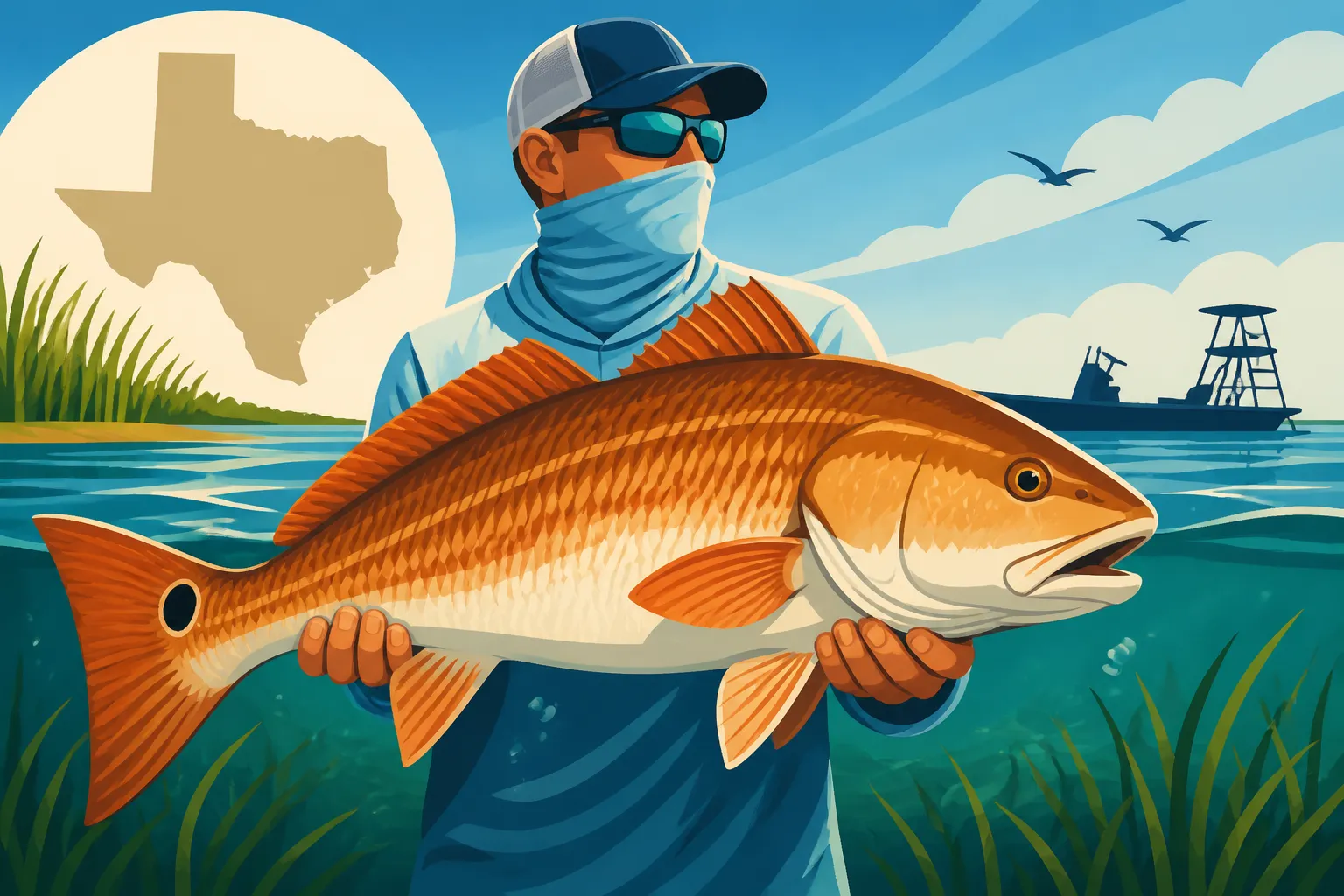
These fish are generally anywhere from 10 to 20 inches long. They're often identifiable by their vibrant copper color, strong fight for their size, and the signature black "spot" or spots near their tail. They stay in these nutrient-rich, protected nursery areas to grow quickly and avoid larger predators. Catching them on light tackle, like a medium-light spinning rod you might grab from Amazon for a great price, is an absolute blast. They're feisty, fun, and provide excellent practice for sight-casting and navigating shallow water. While they're not the monsters of the deep, they're a vital part of the ecosystem and a thrill to catch, especially for beginners or those who enjoy wade fishing. How to Wade Fish for Redfish in Texas is a great resource if you're interested in pursuing these smaller, inshore reds.
Slot Reds: The Prime Targets for Bay Anglers
As redfish mature a bit, they move out of the absolute shallowest nurseries and begin to frequent slightly deeper flats, grass beds, and around oyster reefs in the main bay systems. These are the "slot reds," and they are the bread and butter of Texas bay fishing. The term "slot" comes directly from the regulations set by the state, which aims to protect both the very young and the very old, large breeding fish.
In Texas, the general slot limit for red drum means you can typically keep fish that are between a minimum and maximum length. While specific regulations can change, traditionally, this slot has often been around 20 to 28 inches. These fish are usually a few years old, strong, and incredibly fun to catch. They're powerful swimmers, often making long runs and challenging even experienced anglers. Their diet is varied, from shrimp and crabs to small baitfish, and they'll readily strike a variety of lures and natural baits. Many of the fish you'll see featured in fishing reports from places like Aransas Bay or Galveston Bay are going to fall squarely into this slot category. They're fantastic table fare and represent a sustainable catch for recreational anglers. For more on these specific regulations, you'll want to check out Texas Redfish Size and Bag Limits and Texas Saltwater Bag Limits by Species.
Bull Reds: The Giants Beyond the Slot
Once a redfish grows past that upper slot limit, say, beyond 28 inches, they are referred to as "bull reds." These are the true giants of the Texas coast. While some bull reds will still cruise the deeper bay channels and passes, many of the largest specimens migrate out of the immediate bay systems and into the nearshore Gulf waters or congregate heavily near the passes and jetties. They return to the bays, especially in the fall, to spawn, creating incredible fishing opportunities for anglers seeking a real challenge.
Bull reds can grow to truly impressive sizes, often reaching 30, 40, or even over 50 inches in length. They pack a serious punch, and hooking into one of these fish will test your tackle, your knots, and your endurance. Imagine a fish that's longer than your arm, with a powerful tail and a never-say-die attitude. Their diet shifts to larger baitfish and crabs, and they require stout gear to bring to hand. These fish are generally much older, sometimes over a decade old, and play a crucial role in the redfish breeding population. Because of their importance as breeders, they are typically protected by regulations that prohibit keeping them once they exceed the slot limit. If you're wondering Can you keep a redfish over 28 inches in Texas?, the answer is usually no for recreational anglers, encouraging their release to continue spawning.
Factors Influencing Redfish Size and Growth in Texas Bays
It's not just a matter of time that dictates how big a redfish gets. A whole host of environmental and biological factors play a significant role in their growth rate and ultimate maximum size within the diverse ecosystems of Texas bays. Understanding these can help you anticipate where and when you might encounter larger or smaller fish.
Diet and Food Availability
Just like any living creature, a redfish's growth is heavily dependent on its diet. Abundant food sources, rich in protein and nutrients, directly translate to faster growth and larger maximum sizes. Texas bays are incredibly productive estuaries, teeming with life. Young redfish, the "puppy drum," gorge themselves on small shrimp, crabs, and tiny baitfish in the protected marsh grass areas. As they grow, their diet expands to larger crustaceans like blue crabs and various baitfish such as mullet, menhaden, and croaker.
Think about a healthy bay system like San Antonio Bay, known for its extensive oyster reefs and seagrass beds. These areas provide prime habitat for both the redfish and their prey. A redfish in such a rich environment, with a consistent supply of food, will grow much faster and potentially larger than one in a less productive area. Conversely, bays experiencing prolonged droughts or habitat degradation might see slower growth rates due to reduced food availability. Anglers looking to maximize their chances of catching larger reds often focus on areas where these primary food sources are concentrated. On Amazon, you can find a wealth of books and guides on Texas Redfish Fishing Guide that detail optimal feeding grounds and bait choices.
Water Temperature and Salinity
Water temperature and salinity are critical environmental factors that significantly impact a redfish's metabolism and comfort levels, directly affecting its growth. Redfish are a warm-water species, thriving in the temperate to subtropical conditions found along the Texas coast. Their metabolism speeds up in warmer waters, allowing them to digest food more efficiently and grow faster. However, excessively high temperatures can stress them, while very cold temperatures (like during a harsh winter freeze) can cause them to become sluggish, reduce feeding, and even lead to fish kills.
Salinity, the amount of salt in the water, also plays a role. Redfish are euryhaline, meaning they can tolerate a wide range of salinities, from almost fresh water far up estuaries to full seawater in the Gulf. This adaptability is one reason they are so successful in our dynamic bay systems. However, they tend to grow best in a specific range. Extreme freshwater influxes from heavy rains or severe drought conditions leading to hypersalinity can both stress redfish and potentially slow their growth. The dynamic nature of Texas bays, with their constant influx of freshwater from rivers and tidal exchanges with the Gulf, means these conditions are always in flux, subtly influencing the size and health of the redfish population.
Genetics and Age
Ultimately, how big a redfish gets also boils down to its individual genetics and, perhaps most importantly, its age. While environmental factors influence how fast they grow, genetics can set the potential upper limit for an individual fish. Some fish are simply predisposed to grow larger than others, even under identical conditions.
Redfish are also a relatively long-lived species. They can live for many years, with some bull reds reaching ages of 20, 30, or even over 40 years old. As they age, they continue to grow, though the growth rate typically slows down significantly after they reach sexual maturity and move into the offshore or larger bay-system population. A 50-inch redfish isn't just big; it's an ancient warrior of the sea, having survived countless challenges. When you're out there on the water, whether it's fishing the jetties of Port O'Connor or cruising the deeper channels of Lake Texoma (for other species of course, as Redfish are primarily saltwater), remember that the size of the fish you're targeting is a direct reflection of its life story and the health of the ecosystem it calls home.
| Redfish Size Class | Typical Length Range (inches) | Typical Age (years) | Common Habitat | General Regulations (Consult TPWD for specifics) |
|---|---|---|---|---|
| Puppy Drum | 10 – 20 | 0 – 2 | Shallow marshes, creeks, back lakes, seagrass | Often below minimum length, must be released |
| Slot Red | 20 – 28 | 2 – 8 | Deeper flats, oyster reefs, main bay systems | Keepable within a specific slot limit |
| Bull Red | 28+ (up to 50+ ) | 8 – 40+ | Deep bay channels, passes, nearshore Gulf | Must be released, often protected as breeders |
The Quest for a Texas Trophy Redfish: State Records and Size Limits
For many anglers, the ultimate goal isn't just catching a redfish, but catching a truly memorable one – a trophy. Texas has a storied history with giant redfish, and understanding the state record and the nuances of slot limits can fuel your ambition.
The Texas State Record Redfish
The Texas state record for red drum is a monumental fish, a testament to the potential growth of this species in our waters. While specific weights and dates can fluctuate with new catches and record keeping, historically, the heaviest redfish caught on rod and reel in Texas has been well over 50 pounds, often exceeding 50 inches in length. These are truly once-in-a-lifetime fish, typically caught in the deeper passes, jetties, or even offshore waters rather than within the confines of the shallower bay systems.
Imagine battling a fish that weighs as much as a small child, pulling with incredible force. It takes specialized gear, immense patience, and often a bit of luck to land such a leviathan. These record-setting fish highlight the incredible potential of redfish to grow to massive proportions given the right conditions and enough time. The thrill of potentially catching one of these giants is what keeps many anglers coming back to the Texas coast year after year. For specific details on the actual record, anglers should consult official Texas Parks and Wildlife Department records. What is the Texas record redfish is a question that fascinates many of us.
How Texas Slot Limits Protect the Future
Texas Parks and Wildlife Department (TPWD) has carefully crafted fishing regulations, particularly the slot limit, to ensure a healthy and sustainable redfish population for future generations. As we discussed, the slot limit allows anglers to keep fish within a specific size range, typically around 20 to 28 inches. Fish smaller than the minimum length are considered juveniles and are released to grow larger and contribute to the population. Fish larger than the maximum length (the "bull reds") are considered important breeders and are also released.
This strategy is brilliant because it protects the breeding stock, ensuring that the largest, most prolific fish continue to reproduce. It also allows the younger fish to mature. This management approach is crucial for a species like the redfish, which is so popular among recreational and commercial anglers alike. So, while that massive bull red you just wrestled for 20 minutes might be tempting to keep, releasing it back into the bay or Gulf is a critical act of conservation. It's about ensuring that those big genetics continue to contribute to the next generation of Texas redfish. Understanding Texas Redfish Size and Bag Limits is not just about avoiding a fine; it's about being a responsible steward of our natural resources.
Targeting Different Size Classes: Gear and Technique
The size of the redfish you're after will significantly influence your choice of gear and fishing techniques. For puppy drum in the shallow marshes, a light or medium-light spinning combo with 8-15 lb test line is perfect. Small soft plastics, spoons, or even live shrimp under a popping cork will get their attention. Wade fishing or kayak fishing these areas is ideal, allowing you to stealthily approach. On Amazon, you'll find a wide selection of these lighter setups.
For slot reds in the main bay, you'll want to step up your tackle a bit. A medium or medium-heavy spinning or baitcasting rod with 15-30 lb braided line and a fluorocarbon leader is a good choice. Lures like spoons, larger soft plastics, topwater baits, and live or cut bait are all effective. Fishing from a bay boat, kayak, or even wade fishing the deeper guts and shell pads are popular methods. Consider looking into Best Saltwater Rods for Texas Redfish to find a setup that can handle these feisty fighters.
When you're chasing bull reds, especially near the passes or jetties, you need serious horsepower. Heavy-duty conventional or spinning tackle with 50-80 lb braided line, a strong leader, and robust hooks are a must. Large cut baits like mullet or croaker, fished on the bottom, are often the ticket. Prepare for a long, grueling fight that will test your tackle and your stamina. No matter the size of the redfish, always prioritize a quick and safe release for those fish you don't intend to keep, especially the big breeders.
Disclaimer
This article is for general informational purposes only and does not constitute professional advice. Laws, prices and regulations vary by location and change over time. Consult a qualified professional for guidance on your specific situation.