Texas Nonresident Fishing License Cost
Texas offers some of the most diverse and exciting fishing opportunities in the country, from the vast bass lakes of East Texas to the prolific saltwater bays of the Gulf Coast. It's no wonder so many anglers from out of state dream of wetting a line here. But before you pack your rods and reels, a common hurdle often pops up: figuring out the Texas nonresident fishing license cost and what options are even available to you. It can feel a bit confusing trying to navigate state regulations when you're not a local, but this guide is here to break down everything you need to know, making your Texas fishing adventure as smooth as possible.
Understanding Texas Nonresident Fishing License Basics
When you're visiting Texas and planning to cast a line, the first thing you need to grasp is that a fishing license is almost always a requirement. This isn't just about revenue; it's a critical part of how the Texas Parks and Wildlife Department (TPWD) manages and conserves the state's incredible fisheries for everyone to enjoy, including our visiting anglers.
Why Nonresidents Need a License to Fish in Texas
Just like residents, nonresidents need a fishing license to participate in most public fishing activities in Texas. This universal requirement ensures that the vital conservation efforts that maintain our fish populations and aquatic habitats are properly funded. Think of it as your direct contribution to keeping those trophy bass growing in Lake Fork or those redfish healthy in Galveston Bay. Without these funds, our beloved fishing spots wouldn't be nearly as vibrant.
The rules apply to everyone, regardless of where you're from. Whether you're driving in from Oklahoma for a weekend on Lake Texoma or flying in from California to try your hand at speckled trout, a Texas fishing license is your ticket to legally fish. Trying to bypass this requirement can lead to some significant headaches, including fines and court costs, which can quickly put a damper on your vacation. It’s far better to be prepared and compliant from the start. To get a broader understanding of what’s expected, you might want to check out our comprehensive guide on Texas Fishing License Requirements Explained.
Overview of Nonresident Fishing License Types
Texas understands that not all fishing trips are created equal. You might be here for a specific freshwater species, solely focused on the coast, or looking to experience both. That's why they offer a few different nonresident license types, designed to cater to various angling plans. These generally mirror the resident options but come with a different price point, reflecting the non-resident status.
The main categories you'll encounter are:
- Freshwater: If your sights are set solely on Texas's incredible lakes and rivers for species like largemouth bass, catfish, or crappie.
- Saltwater: For those planning to explore the vast opportunities along the Texas Gulf Coast, targeting redfish, speckled trout, and flounder. This license usually includes the necessary saltwater endorsement.
- All-Water: The most comprehensive option, granting you access to both freshwater and saltwater fishing throughout the state.
- One-Day: A super convenient, short-term option perfect for quick trips or if you're just testing the waters.
Choosing the right type depends entirely on your itinerary. Do you plan to spend all your time chasing bass in Sam Rayburn Reservoir, or are you hoping to try both freshwater and saltwater fishing? Knowing your plans ahead of time will help you pick the most cost-effective and appropriate license for your adventure.
Detailed Costs for Annual Nonresident Fishing Licenses
Let's dive into the nitty-gritty of what you can expect to pay for an annual fishing license as a nonresident in Texas. It's important to remember that all license purchases in Texas include a standard $5 administrative fee. This fee is added to the base cost of each individual license, so when you see prices listed, always factor that extra five bucks in.
Nonresident Annual Freshwater Fishing License Costs
If your fishing dreams in Texas are strictly focused on our abundant lakes and winding rivers, the Nonresident Annual Freshwater Fishing License is your go-to. The base cost for this license is $30, but once you add the $5 administrative fee, your total outlay will be $35.
This license grants you access to all public freshwater bodies across Texas, from the sprawling reservoirs known for their trophy bass to smaller community ponds stocked with catfish. Imagine planning a week-long trip to the legendary Lake Fork Fishing Guide with your buddies from Arkansas. This is the license you'd need. It covers everything from chasing largemouth bass in East Texas to drifting for catfish on the Brazos River. You can explore the diverse freshwater ecosystems without worrying about additional endorsements for specific freshwater species. Make sure to familiarize yourself with the Texas Freshwater Fishing Regulations to stay compliant with bag and length limits.
Nonresident Annual Saltwater Fishing License Costs
For those who feel the call of the coast, the Nonresident Annual Saltwater Fishing License is essential. This license has a base cost of $35. When you factor in the $5 administrative fee, your total comes to $40. A huge bonus here is that this price includes the required saltwater endorsement, which is often a separate purchase for residents but packaged into the nonresident saltwater option for convenience.
This license opens up the vast opportunities of the Texas Gulf Coast, encompassing our beautiful bays, estuaries, and offshore waters. Picture yourself wading the flats of Matagorda Bay for redfish or heading out into the Gulf from Port Aransas for some kingfish action. This is the license that makes it legal. It's perfect for visitors from landlocked states like Kansas or Nebraska who are eager to experience the thrill of coastal fishing. Before you hit the jetties or launch into the bay, it's wise to review the Texas Saltwater Fishing Regulations to ensure you're up to date on species-specific rules. For more details on this specific requirement, check out our guide on the Texas Saltwater Endorsement Explained.
Nonresident Annual All-Water Fishing License Costs
For the angler who truly wants to experience everything Texas has to offer, without limiting themselves to either fresh or salt, the Nonresident Annual All-Water Fishing License is the ultimate choice. The base price for this comprehensive license is $68, and with the $5 administrative fee, your total will be $73.
This license is, as the name suggests, an all-inclusive pass to both freshwater and saltwater fishing across the entire state for a full license year. It's an excellent option for nonresidents who plan multiple trips to Texas throughout the year, or for those who simply want the flexibility to switch between environments on a single vacation. For example, if you're visiting from New Mexico and spend a few days bass fishing on Lake Travis before heading down to Corpus Christi for some bay fishing, this single license covers both.
If you compare it to buying separate annual freshwater ($35) and saltwater ($40) licenses, which would total $75, the All-Water license at $73 actually offers a slight cost saving and a lot more peace of mind. It’s a smart investment if your Texas fishing plans are diverse and extensive.
Temporary and Specific Nonresident Fishing Opportunities
Not every nonresident needs an annual license. Texas offers options for shorter stays or specific scenarios, which can be much more cost-effective if your trip is brief.
Nonresident One-Day Fishing License Price
Sometimes, you're just passing through Texas, or perhaps you're on a family vacation and only have one afternoon to spare for fishing. For these situations, the Nonresident One-Day Fishing License is an absolute lifesaver. The base cost for this temporary license is $11, and with the $5 administrative fee, your total comes to $16.
This license is incredibly convenient for short visits or for folks who just want to "try before they buy" into a longer-term license. It's valid for all public freshwater and saltwater in Texas, but critically, only for the specific day you choose. You select the valid date at the time of purchase. Imagine your family is driving down I-35 from Minnesota, and you decide to stop at a state park with a fishing pier for a few hours. This is the perfect license. It removes the commitment of an annual license while still ensuring you're legal to fish. Just be sure to plan your fishing day carefully to maximize its value. You can find more details on this convenient option in our guide to the Texas One-Day Fishing License for Visitors.
Other Potential Nonresident License Considerations
While the primary nonresident licenses cover most scenarios, there are a few other points worth noting. Texas offers a Texas Combination Hunting and Fishing License that nonresidents can purchase. However, the cost for a nonresident combo license is significantly higher than just a fishing license (currently $315 for the base license fee plus $5 admin fee for a total of $320). This is generally only a viable option if you're truly planning extensive hunting and fishing during your stay. For most nonresidents focused solely on fishing, the dedicated fishing licenses are the way to go.
A fantastic detail to remember, whether you're a resident or nonresident, is that children under 17 years of age are generally exempt from needing a fishing license in Texas. This is a huge benefit for families planning trips, as it means you only need to purchase licenses for the adults in your party. So, if you're bringing your kids from out of state, they can cast a line without any additional cost, which really helps make family fishing trips more affordable and accessible.
Purchasing Your Nonresident Texas Fishing License and Key Dates
Getting your Texas fishing license is a straightforward process, designed to be accessible whether you prefer to buy online or in person. Knowing the purchase options and the unique Texas license year can save you a lot of hassle.
Where and How to Buy Your Nonresident License
The easiest and often most convenient way to purchase your Texas nonresident fishing license is directly online through the Texas Parks and Wildlife Department (TPWD) website. Their system is user-friendly, allowing you to select your license type, enter your information, and pay securely. Remember that the $5 administrative fee will be added to your total during the online checkout process. This method allows you to print your license at home or carry it digitally on your phone, which is perfectly acceptable.
If you prefer to buy your license in person, you have plenty of options. Authorized license retailers are scattered throughout the state, including major sporting goods stores like Academy Sports + Outdoors, many Walmart locations, and numerous local bait and tackle shops. These retailers are equipped to process your license on the spot. Just be sure to have a valid form of identification ready, such as your driver's license. The administrative fee is applied here as well, so the total cost remains consistent. For a comprehensive list of purchase locations and steps, check out How to Get a Texas Fishing License. You can also review details on the Texas Online License Purchase Fees to understand the breakdown.
While you're planning your trip and securing your license, remember to check Amazon for any essential gear like travel-friendly rods, specific lures you might need for Texas's diverse waters, or even a good sun hat for those bright Texas days. It's a great spot to compare prices and get those last-minute items shipped directly to your destination, especially if you're trying out a new technique for Texas fishing.
Understanding the Texas License Year and Expiration
One crucial detail that often catches visiting anglers off guard is Texas's unique license year. Unlike many states where licenses are valid for a full calendar year from the date of purchase, Texas fishing licenses operate on a specific cycle: they are valid from September 1st of one year through August 31st of the following year.
This means if you buy an annual license in, say, March, it will still expire on August 31st of that same year, giving you only about five months of use. Conversely, if you purchase your license in September, you get a full 12 months. This is especially important for nonresidents planning multiple trips. If you're coming in late spring or summer, you might find that a Texas One-Day Fishing License for Visitors or two might be more economical than an annual license that's about to expire. Always keep this unique expiration date in mind when planning your purchase to maximize your value. Our article Texas fishing license year explained: why it ends August 31 dives deeper into why this specific date is chosen. When that time rolls around, understanding the Texas Fishing License Renewal Rules can save you some time.
Here's a quick reference table for nonresident annual license costs, including the administrative fee:
| License Type (Nonresident) | Base License Fee | Administrative Fee | Total Cost | Coverage |
|---|---|---|---|---|
| Annual Freshwater | $30 | $5 | $35 | All public freshwater (lakes, rivers) |
| Annual Saltwater (incl. endorsement) | $35 | $5 | $40 | All public saltwater (bays, Gulf) |
| Annual All-Water | $68 | $5 | $73 | All public fresh and saltwater |
| One-Day | $11 | $5 | $16 | All public fresh and saltwater for 1 day |
Smart Planning and Avoiding Common Pitfalls for Nonresidents
Fishing in Texas is generally a joy, but a little bit of planning and awareness can save nonresidents from some common missteps, especially concerning shared waterways and legal compliance.
Reciprocal Agreements and Border Waters
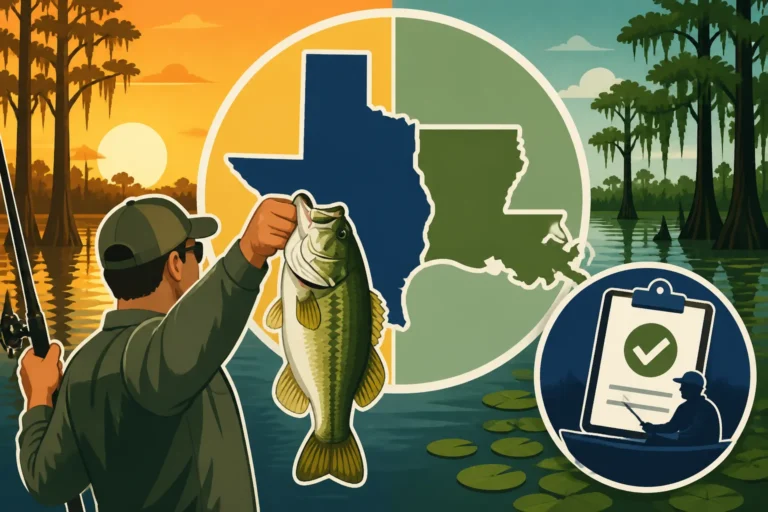
Texas shares significant waterways with neighboring states, most notably Lake Texoma with Oklahoma and Toledo Bend Reservoir with Louisiana. These waters often have specific reciprocal agreements that can sometimes cause confusion for anglers, especially nonresidents.
Here's the key takeaway for nonresidents:
- If you are a resident of Oklahoma, you may be able to fish the Texas waters of Lake Texoma with a valid Oklahoma fishing license, and vice-versa.
- If you are a resident of Louisiana, you may be able to fish the Texas waters of Toledo Bend Reservoir with a valid Louisiana fishing license, and vice-versa.
- However, if you are a nonresident of Texas AND not a resident of the bordering state (Oklahoma or Louisiana), you MUST possess a valid Texas fishing license to fish in the Texas portions of these border waters. For instance, if you're visiting from Arizona and want to fish the Texas side of Lake Texoma, your Arizona license is not valid; you'll need a Texas nonresident fishing license.
Always double-check the specific rules for these unique bodies of water before you go, as regulations can be nuanced. Our guide on Lake Texoma Fishing License Rules offers more specific details for that popular fishery.
The Consequences of Fishing Without the Right License
It can be tempting, especially for a quick trip, to skip buying a license. But trust me, it's not worth the risk. Texas game wardens are highly dedicated and vigilant in enforcing fishing regulations to protect the state's natural resources. Getting caught fishing without the appropriate Texas license, or violating other regulations like bag or length limits, can result in significant penalties.
These consequences often include:
- Fines: These can range from a few hundred dollars to more, depending on the severity of the offense.
- Court Costs: Beyond the fine, you'll likely incur additional court processing fees.
- Loss of Equipment: In some cases, game wardens may confiscate your fishing gear, which is a costly lesson to learn.
- Future Restrictions: Repeated offenses could lead to revocation of fishing privileges in Texas.
It's just not worth turning your relaxing fishing trip into a legal headache. The cost of a nonresident license is a small price to pay for peace of mind and the legal right to enjoy Texas's amazing fisheries. Be sure to carry your license with you (a printed copy or a digital image on your phone is fine), and don't forget to pack a good waterproof fishing license holder – you can find plenty of options on Amazon – to keep your license safe and accessible, especially when fishing from a boat or wading in the surf. For a deeper dive into what happens if you're found without a license, refer to our article on Penalties for Fishing Without a Texas License.
Disclaimer
Please note that fishing regulations and license costs are subject to change by the Texas Parks and Wildlife Department. While every effort has been made to provide accurate and up-to-date information, it is always the angler's responsibility to verify current regulations and license requirements directly with TPWD before fishing.