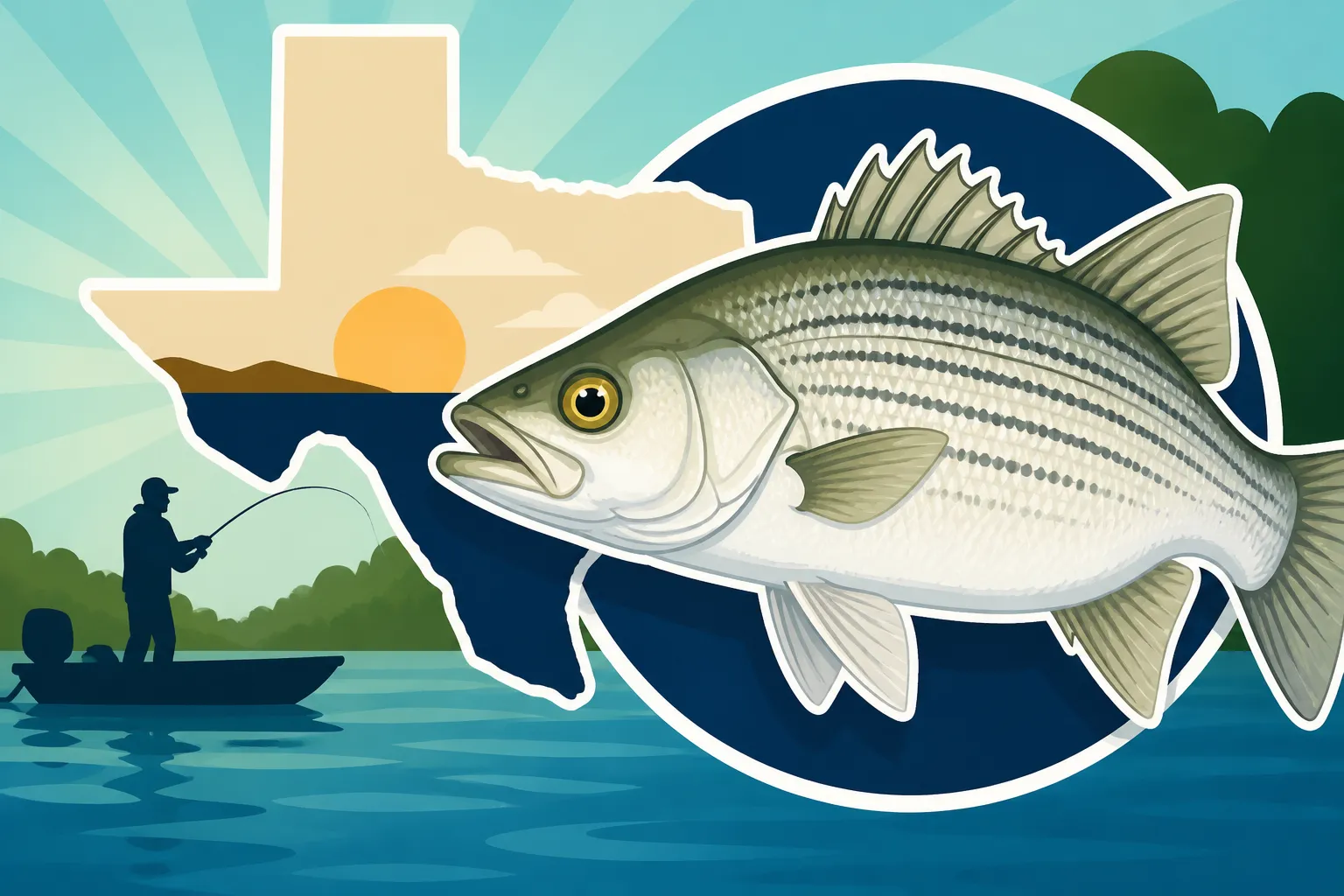
How big do white bass get in Texas
It's incredibly exciting to feel that tug on the line, especially when you're targeting those feisty white bass that make spring and fall so much fun here in Texas. But after reeling one in, it's easy to wonder if that fish is a typical catch or if you've just landed a real monster. Understanding how big white bass actually get in our Texas lakes and rivers can help you gauge your success, set realistic expectations, and even improve your fishing strategy for those bigger ones. This guide will walk you through everything you need to know about the size of white bass in the Lone Star State, from average catches to record-breakers.
Understanding the Texas White Bass
Before we dive into how big they get, let's take a moment to appreciate the white bass (Morone chrysops) itself. These energetic fish are often confused with their larger cousins, the striped bass, but they have their own distinct characteristics and preferred habitats. They are a schooling fish, meaning where you find one, you're likely to find many, which is part of what makes them such a blast to catch, especially during their famous spring runs up rivers and creeks.
Identifying the White Bass
White bass are generally silvery-white with several dark, unbroken horizontal stripes running along their sides. They typically have a deeper body profile than a striped bass, and their dorsal fins are completely separate. If you're ever in doubt, count the stripes. White bass usually have one distinct stripe that extends all the way to the tail, whereas a striped bass often has broken or uneven stripes, particularly below the lateral line. Understanding these nuances helps differentiate your catch, especially when you're aiming for those bigger ones, as Texas White Bass vs Striped Bass delves into in more detail.
These fish are native to many of our Texas waters and thrive in large reservoirs and major river systems. They're resilient and highly reproductive, which contributes to their widespread populations. From a recreational standpoint, they’re accessible to anglers of all skill levels, offering a fantastic fight on light tackle and making for delicious table fare. They truly are a cornerstone of freshwater fishing here in Texas.
Life Cycle and Growth Factors
The life cycle of a white bass is relatively short, typically ranging from three to five years, though some individuals can live a bit longer in optimal conditions. Their growth is rapid in their early years, especially when food is abundant. They reach sexual maturity fairly quickly, often by their second year. This quick turnover means populations can rebound well, but it also means that consistent angling pressure can impact the average size of fish in a particular body of water.
A prime factor influencing their size is the availability of forage fish, primarily shad. Lakes with robust shad populations tend to produce larger, healthier white bass. Water temperature also plays a role, affecting metabolism and feeding activity. Cooler water generally means slower growth but can lead to larger fish if they survive longer. Environmental stability, like consistent water levels and good water quality, also contributes to a thriving white bass population and, consequently, bigger fish.
Average vs. Trophy White Bass Sizes in Texas
When you're out on the water, what's a "normal" white bass, and what's considered a true trophy? It's a question every angler asks themselves, and the answer can vary slightly depending on the specific lake or river you're fishing. Generally, white bass are known for their consistent, respectable size rather than their ability to grow into true giants like a largemouth bass.
Typical White Bass Catches
Most white bass caught in Texas will fall into the 10 to 14-inch range. These are your bread-and-butter fish, providing plenty of action and a good fight on appropriate tackle. A fish in this size range will usually weigh between 0.75 and 1.5 pounds. They're healthy, active, and perfect for a cooler full of fillets.
If you're out fishing the spring white bass run on a river like the Trinity or the Brazos, you'll likely encounter many fish in this average size class. Anglers often catch dozens of these schooling fish in a single outing, making for an unforgettable experience, especially for beginners. While these aren't necessarily trophy fish, they represent the robust health of Texas's white bass populations and the fantastic recreational opportunities they provide. Understanding these typical sizes helps manage expectations and enjoy the fishing for what it is – a whole lot of fun.
Defining a Trophy White Bass
A "trophy" white bass in Texas is generally considered anything over 15 inches in length and weighing more than 2 pounds. While that might not sound massive compared to other species, for a white bass, a 2-pounder is a stout, impressive fish that will give you a thrilling battle. Fish exceeding this size are much less common and usually signify an older, particularly successful individual.
When you land a white bass over the 2-pound mark, you'll definitely notice the difference in its girth and fighting power. These fish often have a deeper body and a more pronounced hump behind their head. Catching a white bass like this is a moment to remember, and it speaks to the quality of the fishery you're in. Many anglers spend years chasing that elusive 2-pound-plus white bass, and when it happens, it's a testament to their persistence and skill.
Here's a quick comparison:
| Category | Typical Length Range (inches) | Typical Weight Range (pounds) |
|---|---|---|
| Average Catch | 10 – 14 | 0.75 – 1.5 |
| Good Catch | 14 – 16 | 1.5 – 2 |
| Trophy White Bass | 16+ | 2+ |
| State Record | 18.125 | 5.63 |
Texas State Records and Notable Catches
While most white bass fall into the average range, Texas waters have produced some truly remarkable specimens over the years, proving that every now and then, a white bass can grow to extraordinary dimensions. These record-breaking fish are often the result of perfect environmental conditions, abundant food, and a bit of luck for the angler who hooks them.
The All-Tackle State Record
The current Texas state record white bass is an absolute behemoth for the species. It weighed a whopping 5.63 pounds and measured 18.125 inches in length. This incredible fish was caught by angler David R. Proffitt back in March 1977 on Lake Livingston. Imagine the fight a nearly six-pound white bass would put up! That's a fish that would make any angler's year.
The fact that this record has stood for so long is a testament to the rarity of a white bass reaching such an immense size. Lake Livingston, known for its strong currents and massive shad populations, has historically been a prime location for big white bass. Records like this inspire anglers to keep casting, knowing that there's always a chance to hook into something truly special.
Other Significant White Bass Catches
While the state record is a singular achievement, many Texas lakes consistently produce white bass that push the upper limits of the "trophy" category. Lakes such as Lake Buchanan, Lake Texoma, and Whitney Lake are often mentioned in fishing reports for their robust white bass populations and the potential for larger-than-average fish. These lakes typically feature expansive open water, significant river inflows, and healthy ecosystems that support strong forage bases.
Anglers often share stories of landing white bass weighing in the 3 to 4-pound range, especially during peak feeding times or when fishing deeper, cooler waters. These fish might not break the state record, but they certainly provide an exceptional angling experience. They're a clear indication that while the average size is common, the opportunity for truly impressive white bass exists throughout the state for those willing to seek them out. Many seasoned anglers keep a close eye on How to Read a Texas Lake Fishing Report to track when and where these bigger fish are being caught.
Factors Influencing White Bass Size
Why do some white bass grow larger than others, even in the same lake? It's a complex interplay of several factors, from the water they live in to the food they consume. Understanding these influences can not only satisfy your curiosity but also help you choose fishing locations and strategies that might put you on bigger fish.
Habitat and Environment
The overall health and characteristics of a white bass's habitat play a monumental role in its growth. Large, stable reservoirs with extensive open-water areas are typically better suited for growing bigger white bass. These environments provide ample space for schooling, diverse feeding grounds, and often more stable water temperatures and oxygen levels. Lakes with significant river or creek inflows, especially during spawning season, can also contribute to larger fish. These inflows bring in fresh nutrients and create productive feeding grounds.
Conversely, smaller, shallower impoundments that experience frequent temperature fluctuations or low oxygen levels might only support smaller, slower-growing white bass. Water clarity can also be a factor; while white bass can tolerate a range of clarities, extremely muddy or overly clear conditions can impact their feeding efficiency and overall health. Maintaining good water quality is paramount for any healthy fishery.
Food Availability and Diet
Perhaps the most critical factor for white bass size is the abundance and type of their primary food source: shad. Both gizzard shad and threadfin shad are vital components of the white bass diet in Texas. Lakes with booming shad populations typically boast larger, fatter white bass because they have a constant, readily available energy source for growth. If shad populations decline due to environmental factors or overpredation, white bass growth can slow dramatically, and their average size might decrease.
White bass are opportunistic feeders, however, and will also consume other small baitfish, crustaceans, and even insects when shad are scarce. The diversity and richness of the entire aquatic food web directly impact how much energy a white bass can put towards growing rather than just surviving. Anglers often find success using lures that mimic these natural baitfish, and you can find a huge variety of effective options on platforms like Amazon. For more on their eating habits, check out What do white bass eat.
Genetics and Age
Just like with any species, genetics play a role in the maximum potential size a white bass can achieve. Some individuals are simply predisposed to grow larger and live longer than others. While anglers can't directly influence genetics, the overall genetic health of a fishery is supported by good management practices, such as appropriate Texas Fish Bag and Length Limits that allow a portion of larger, older fish to remain in the population and contribute to future generations.
Furthermore, age is directly correlated with size, up to a point. Older white bass generally have more time to grow, assuming they have consistent access to food and favorable environmental conditions. However, as mentioned earlier, white bass have a relatively short lifespan. This means that a "trophy" white bass is often an older fish that has managed to avoid predators and anglers for several seasons, successfully capitalizing on its environment to reach its full potential.
Targeting Larger White Bass in Texas
If you're eager to shift from catching average-sized white bass to consistently hooking those impressive trophy specimens, you'll need to adjust your approach. It's not just about luck; it's about understanding their behavior, knowing where they hide, and choosing the right tools for the job.
Prime Locations and Seasons
To target larger white bass, you often need to look beyond the massive schools that invade river channels during the spring run. While the Best Time to Catch White Bass During the Spring Run can yield many fish, the biggest fish are sometimes found in slightly different areas or at different times. Larger white bass tend to hold in deeper water, especially during the hotter summer months or colder winter periods. Look for them around main lake points, submerged humps, deep creek channels, and areas near dam structures where they can ambush baitfish.
During the famous white bass run, while many fish push far upstream, some of the largest specimens might hold in the lower sections of rivers or in the main lake near the river mouth, conserving energy and picking off bait. Knowing Where Does the Texas White Bass Run Start can give you an edge in finding these fish. Don't be afraid to explore offshore structures using your electronics to locate schools of larger fish that aren't chasing bait on the surface.
Effective Techniques and Baits
When it comes to techniques for bigger white bass, finesse can sometimes be key, especially if they are holding deeper or are more wary. While traditional small spoons, inline spinners, and swimbaits are always effective, consider upsizing your baits slightly. A 1/2-ounce or 3/4-ounce Sassy Shad or a larger blade bait might tempt a more substantial white bass looking for a bigger meal. Lipless crankbaits, especially those with a strong vibration, can also be incredibly effective at drawing strikes from deeper fish.
Jigging spoons are a classic for a reason; they allow you to cover different depths and imitate injured baitfish. Work them aggressively off the bottom or through suspended schools of fish. For deeper water, a drop shot rig with a small soft plastic bait can be surprisingly effective at tempting inactive, larger fish. You can find many of these specialized lures and baits readily available for purchase on Amazon, offering a convenient way to stock up your tackle box. For a more comprehensive overview, consider our Texas White Bass Fishing Guide.
Gear Considerations for Big White Bass
While white bass don't require heavy-duty tackle, using slightly more robust gear can certainly help you land those larger specimens. A medium-light to medium power spinning rod, typically 6'6" to 7' long, paired with a 2500 or 3000 size spinning reel, offers a good balance of sensitivity for detecting subtle bites and backbone for fighting a strong fish. Spool your reel with 6 to 10-pound test monofilament or fluorocarbon, or consider a 10 to 15-pound braided line with a fluorocarbon leader for increased sensitivity and casting distance.
Using good quality line and ensuring your drag is set properly are crucial, as a big white bass can make surprisingly strong runs. A reliable set of pliers and a small net can also come in handy, especially when handling feisty fish that are destined for the cooler. Investing in quality gear, much of which you can conveniently purchase from Amazon, will not only make the fight more manageable but also ensure you're ready for that trophy white bass when it finally strikes.
Disclaimer
This article is for general informational purposes only and does not constitute professional advice. Laws, prices and regulations vary by location and change over time. Consult a qualified professional for guidance on your specific situation.