Is it legal to catch paddlefish in Texas
For many Texas anglers, especially those who love exploring our diverse waters and seeking out unique species, the American Paddlefish is a fish that sparks a lot of curiosity. These ancient, majestic creatures are truly one-of-a-kind, and it's natural to wonder if you can legally pursue them in the Lone Star State. This guide is here to unravel the mystery, explaining the paddlefish's status in Texas, why regulations are in place, and what it means for you as an angler.
The Elusive Texas Paddlefish: A Protected Species
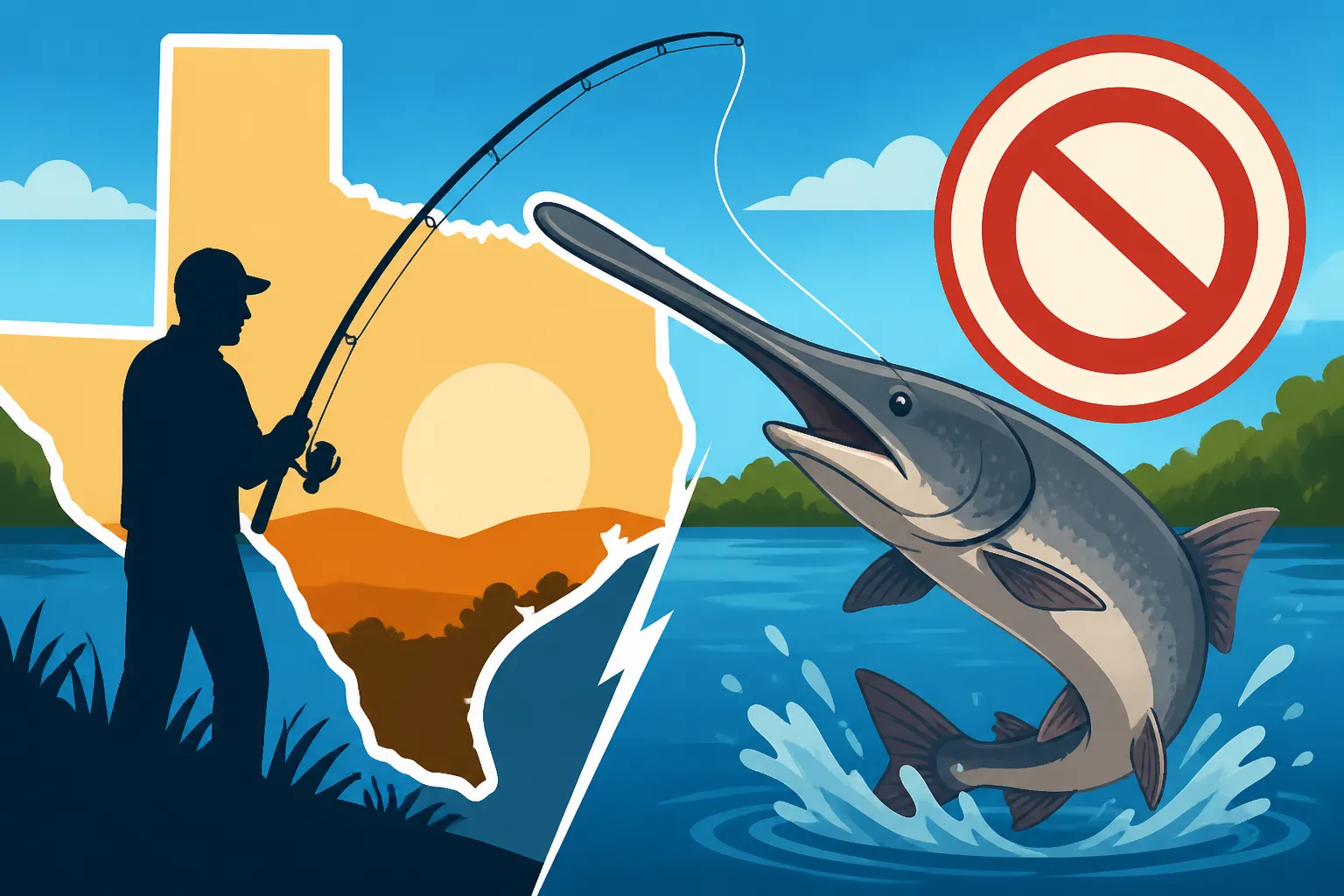
Let's cut right to the chase: if you're hoping to add a paddlefish to your catch list in Texas, you'll be disappointed. The American Paddlefish (Polyodon spathula) is considered a state-protected species in Texas, and it is illegal to catch, harm, or possess them. This isn't just a casual recommendation; it's a strict regulation put in place to ensure the survival of these unique fish. Their rarity in our waters makes every individual paddlefish incredibly valuable to the ecosystem.
Historical Presence and Current Rarity
Believe it or not, paddlefish weren't always such a rare sight in parts of Texas. Historically, these fascinating fish were found in the Red River basin and its larger tributaries, stretching into East Texas. They thrive in large, slow-moving rivers with extensive backwater areas, feeding on zooplankton filtered from the water. However, over decades, a combination of habitat loss due to dam construction, siltation, and overfishing in previous eras led to a dramatic decline in their populations.
Today, paddlefish are extremely rare in Texas. While they might still exist in very small, isolated populations or occasionally wander into Texas waters from neighboring states where populations are stronger (like Oklahoma in the Red River), encountering one is akin to finding a needle in a haystack. This scarcity is precisely why they've been granted protected status, highlighting the critical need for their conservation. The goal isn't just to keep them from disappearing entirely, but hopefully, to allow their numbers to slowly rebound over time.
Identifying a Paddlefish: You'll Know It When You See It!
If you were to accidentally hook one of these magnificent creatures, there's no mistaking it for anything else. Paddlefish are truly distinctive. Their most prominent feature is their long, paddle-like snout, which makes up about one-third of their total body length. This "paddle" is covered with electroreceptors that help them locate their zooplankton prey in murky waters. They are filter feeders, swimming with their mouths open, straining tiny organisms from the water.
They also have smooth, scaleless skin, unlike most fish we're used to catching, and a cartilaginous skeleton, which is why they're often referred to as "primitive" fish, sharing ancient evolutionary links with sharks and sturgeon. They can grow quite large, sometimes exceeding five feet in length and weighing over 100 pounds, making them an impressive sight for any angler. If you ever see a fish with a long, flattened snout and a shark-like tail, you'll know you've encountered a paddlefish, and the immediate next step is to release it unharmed.
Why You Can't Legally Catch Paddlefish in Texas
The simple reason for the prohibition on catching paddlefish in Texas is conservation. They are listed as a threatened species by the state, which means their populations are dangerously low, and they face a significant risk of becoming endangered or even extinct without strict protection. The regulations are a direct effort by wildlife agencies to prevent further declines and, hopefully, aid in their recovery.
The Strict Laws Against Taking Paddlefish
The Texas Parks and Wildlife Department (TPWD) has very clear regulations regarding protected species, and the paddlefish falls squarely under this umbrella. It is illegal to take, attempt to take, or possess paddlefish from any public water in Texas. This means you cannot target them intentionally, and if you accidentally catch one, you must release it immediately and with as little harm as possible.
This regulation is part of a broader conservation strategy aimed at preserving the natural biodiversity of Texas. By prohibiting the harvest of paddlefish, the state hopes to give any remaining individuals the best chance to survive and reproduce. It's about protecting a species that, while once more common, is now fighting for its very existence in our state's waterways. Understanding these rules is crucial for any responsible angler who wants to respect the state's wildlife and contribute to conservation efforts. You can find detailed information on this and other protected species in the official Texas Freshwater Fishing Regulations.
Penalties and Consequences for Violations
Fishing regulations in Texas are not merely suggestions; they are enforceable laws, and violating them can lead to serious consequences. If you are caught intentionally targeting, keeping, or harming a paddlefish, you could face significant penalties. These can include substantial fines, forfeiture of your fishing equipment, suspension of your fishing license, and in some cases, even jail time. The exact nature of the penalty often depends on the severity of the violation and whether it's a first offense.
Game wardens are out there enforcing these rules to protect our natural resources. Ignorance of the law is generally not considered an excuse, so it's vital for all anglers to be familiar with the regulations, especially concerning protected species. The best approach is to always err on the side of caution. If you're unsure about a fish species, identify it properly before deciding whether to keep it, or simply practice catch-and-release. When it comes to a paddlefish, the rule is always release, immediately and carefully. Knowing about the Penalties for Fishing Without a Texas License might give you an idea of the seriousness of fishing violations in general.
Understanding the Broader Conservation Picture
The protection of paddlefish in Texas isn't an isolated incident; it's part of a much larger conservation effort that extends beyond state lines. Many unique aquatic species across the country face similar threats, and regulations are often put in place to manage and protect them. Understanding this broader context helps anglers appreciate the importance of these rules and how their actions contribute to the health of our waterways.
Paddlefish Status in Other States
While Texas has a strict "no take" policy for paddlefish, their status varies significantly in other states. In some states, particularly in the Mississippi River basin where populations are more robust, limited harvest seasons may exist, often managed by permits, tags, and strict size and bag limits. For example, Oklahoma, a state that shares parts of the Red River system with Texas, has a popular paddlefish fishery with specific seasons and regulations. However, even in these states, conservation is a primary concern, and regulations are carefully designed to prevent overexploitation.
This regional variation highlights the localized nature of fish population health and the adaptive regulatory approaches taken by different state wildlife agencies. It underscores why it's so important to be aware of the specific rules for the state you're fishing in, especially if you're traveling. What might be legal just across a state line could be completely illegal in Texas.
| State | Paddlefish Status | Harvest Regulations (General) |
|---|---|---|
| Texas | State-Protected Species | Illegal to take, possess, or harm |
| Oklahoma | Recovering / Managed | Regulated seasons, limits, and gear restrictions apply (check current regs) |
| Missouri | Recovering / Managed | Regulated seasons, limits, and gear restrictions apply (check current regs) |
| Arkansas | Threatened / Managed | Highly restricted or prohibited (check current regs) |
Disclaimer: This table provides a general overview. Always consult the official wildlife agency regulations for the most current and specific rules of any state before fishing.
How Anglers Can Help with Conservation
Even if you can't fish for paddlefish, you can still be a crucial part of their conservation. The most important step is simply knowing the rules. Understanding that paddlefish are protected and immediately releasing any accidentally caught ones minimizes stress and injury to the fish. Beyond that, responsible angling practices benefit all species. This includes minimizing your impact on aquatic habitats, properly disposing of trash, and reporting any suspicious illegal fishing activity to local game wardens.
Supporting organizations focused on river restoration and fish habitat improvement also plays a vital role. Healthy rivers and clean water benefit paddlefish and countless other species, ensuring a richer fishing experience for everyone in the long run. Every little bit helps, from advocating for responsible land and water management to practicing careful catch-and-release for all fish, not just the protected ones.
Alternative "Big Fish" Experiences in Texas
So, paddlefish are off the table. But don't despair! Texas is a truly incredible state for fishing, offering a huge variety of species that provide an exhilarating challenge and the chance to catch a truly memorable "big fish." If you're looking for that thrill of a heavy fight on the end of your line, our lakes and rivers are brimming with possibilities.
Targeting Trophy Blue Catfish
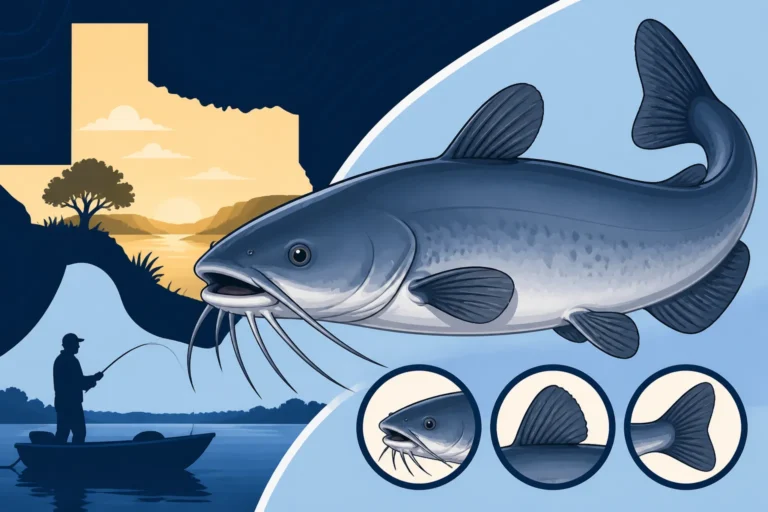
If you want a truly massive freshwater fight, look no further than the blue catfish. These giants roam many of our large reservoirs and rivers, and they can grow to astonishing sizes, sometimes well over 100 pounds. Lakes like Lake Texoma, Lake Livingston, and Richland Chambers Reservoir are renowned for their trophy blue cat populations. Imagine the fight of reeling in a blue cat that's taller than your child!
Anglers often target blue catfish using sturdy tackle, heavy braided line, and fresh cut bait like shad or carp. It's a patient game, often requiring long waits, but the reward of landing one of these whiskered leviathans is immense. Many serious catfishermen spend their nights on the water, strategically placing baits in deep channels or along submerged structure, hoping for that unmistakable, rod-bending strike. If you're interested in pursuing these beasts, check out our Texas Catfish Species Guide for more tips. You can find robust fishing gear, including heavy-duty rods and reels perfect for catfish, on platforms like Amazon.
The Thrill of Alligator Gar Fishing
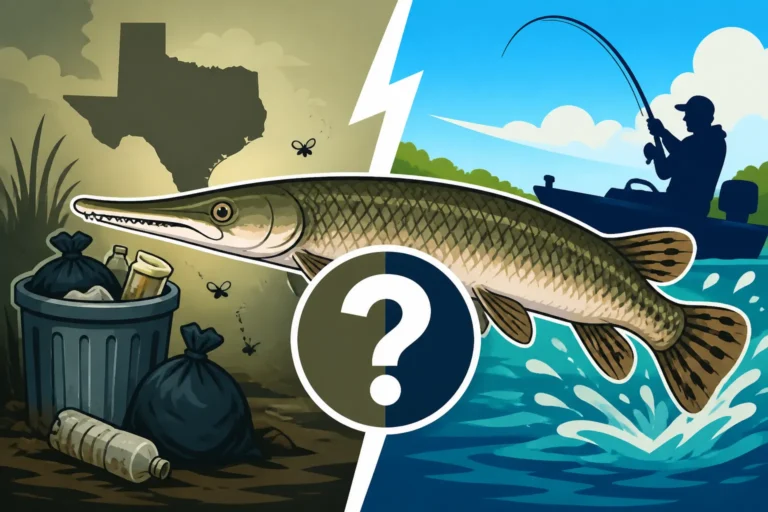
For those seeking an encounter with a truly ancient and imposing freshwater predator, the alligator gar is a fantastic option. These prehistoric-looking fish can grow to gargantuan sizes, often exceeding seven feet and weighing hundreds of pounds. They are powerful, cunning, and offer a unique angling experience. Popular spots include the Trinity River and parts of the Brazos and Nueces rivers.
Targeting alligator gar often involves heavy-duty gear, strong leaders, and large baits, such as carp or buffalo. Many anglers use trotlines or juglines, though they can also be caught on rod and reel. The fight is legendary, characterized by powerful runs and spectacular aerial displays. While they might look intimidating, alligator gar are an important part of the Texas ecosystem. Just be sure to know the Texas Alligator Gar Fishing Guide and specific regulations for bag and length limits before you go.
Pursuing Trophy Largemouth Bass
Perhaps the most popular game fish in Texas, the largemouth bass offers an incredibly exciting challenge, especially when pursuing trophy-sized individuals. Texas is home to some of the best bass fishing lakes in the country, including giants like Lake Fork, Sam Rayburn Reservoir, and O.H. Ivie Reservoir, where ShareLunker bass (those weighing 13 pounds or more) are caught annually.
Bass fishing involves a wide array of techniques, from throwing big swimbaits and crankbaits to finesse fishing with soft plastics. It's a mental game as much as a physical one, requiring anglers to "read" the water, understand fish behavior, and adapt to changing conditions. The explosive strike of a big bass and the ensuing battle make it an addictive pursuit for countless anglers. If you want to dive deeper into techniques, explore our How to Fish for Bass in Texas guide, and remember that Amazon offers a vast selection of bass lures and tackle to fill your tackle box.
Disclaimer
This article is for general informational purposes only and does not constitute professional advice. Laws, prices and regulations vary by location and change over time. Consult a qualified professional for guidance on your specific situation.