Best waterproof tackle bag for bank fishing
There's nothing quite as frustrating as heading out for a peaceful day of bank fishing, only to have a sudden Texas drizzle or even just the morning dew soak through your gear, leaving your expensive lures rusted, your phone waterlogged, and your spare clothes damp. For bank anglers across Texas, where conditions can shift faster than a hungry bass strikes a topwater lure, a truly waterproof tackle bag isn't just a luxury; it's an absolute necessity. This comprehensive guide will walk you through everything you need to know to pick the best waterproof tackle bag to keep your essentials dry and ready for action, no matter what Mother Nature throws your way.
Why Waterproof is Non-Negotiable for Texas Bank Anglers
Picture this: you've hiked a mile or two down a winding trail at a state park, finally reaching that secluded cove on Lake Grapevine or the quiet banks of the Brazos River you've been dreaming about all week. You cast your line, the sun is shining, and then, out of nowhere, the sky opens up. Or maybe you're packing up after a successful morning, only to realize that the grass you laid your bag on was completely saturated with dew, and now everything inside feels clammy. These scenarios are all too common in the Lone Star State, making waterproof gear a game-changer for anyone who fishes from shore.
The Unpredictable Texas Weather Factor
Texas weather is legendary for its mood swings. One minute it's clear and sunny, the next you're caught in a torrential downpour, especially during spring and fall. Even outside of full-blown rainstorms, there are other moisture threats. Early morning anglers often contend with heavy dew that can seep into non-waterproof fabrics. Then there's the pervasive humidity that seems to cling to everything, making even a dry bag feel slightly damp over time if it's not truly sealed.
Consider a situation where you're fishing a small creek in East Texas, perhaps near Caddo Lake, known for its dense cypress swamps and frequent humidity. You might be walking through tall, wet grass or accidentally brush your bag against a dew-covered bush. Without a proper waterproof barrier, that moisture is getting in. And it's not just rain; a splash from a rogue wave on Galveston Bay if you're fishing a jetty, or even the inevitable drips from a freshly caught fish, can all introduce water into your bag. It’s about being prepared for any moisture, not just a full-blown storm.
Protecting Your Investment
Let's be honest, fishing isn't always the cheapest hobby, especially when it comes to quality tackle. High-end rods, reels, and a collection of carefully chosen lures represent a significant investment. Imagine opening your tackle bag to find rust forming on the hooks of your favorite crankbaits or, worse yet, corrosion starting on the gears of your baitcasting reel. Water damage can quickly degrade the performance and lifespan of your gear, turning those prized possessions into expensive paperweights.
Beyond fishing tackle, bank anglers often carry other crucial items. Your smartphone, car keys, wallet, camera, and even a spare layer of clothing can all suffer irreparable damage from water. Dropping your car keys into a puddle or having your phone short out because of a leak in your bag can turn a relaxing fishing trip into a stressful, costly ordeal. A quality waterproof tackle bag acts as a shield, preserving not just your fishing equipment but all your personal valuables, ensuring they stay safe and functional so you can focus on the catch. This protection is invaluable, especially when you're far from your vehicle and any potential shelter.
Key Features to Look for in a Waterproof Tackle Bag
When you're ready to invest in a waterproof tackle bag, it's not just about a label that says "waterproof." You need to understand the nuances of what makes a bag truly effective at keeping water out, especially when you're navigating the varied landscapes of Texas, from riverbanks to coastal jetties.
Material and Construction
The foundation of any good waterproof tackle bag lies in its materials and how they're put together. You'll typically encounter bags made from heavy-duty materials like PVC (polyvinyl chloride) or TPU (thermoplastic polyurethane). PVC is robust and widely used, offering excellent water resistance, while TPU is often considered a step up, providing greater durability, flexibility in cold weather, and better resistance to abrasions and punctures.
However, the material is only half the story. The construction—specifically the seams—is where many bags fail. Truly waterproof bags will feature welded seams rather than stitched seams. Stitched seams, even when treated with water-resistant coatings, still create tiny holes where water can eventually seep through, especially under pressure or prolonged exposure. Welded seams, on the other hand, fuse the material pieces together without punctures, creating an impenetrable barrier. Look for phrases like "RF welded" or "heat-welded seams" in the product description. This detail is crucial for long-term waterproof integrity, ensuring your gear stays dry even during the heaviest downpours or accidental submersions that might occur on a slippery bank.
Closure Systems
The best materials and construction can be rendered useless by a poor closure system. This is another critical area where waterproof bags distinguish themselves.
- Roll-Top Closures: These are often found on dry bags and offer superior waterproof protection. You simply roll the top down several times (typically 3-4 rolls) and then buckle it shut. This creates a tight, airtight seal that can withstand heavy rain and even brief submersion. The downside is that accessing your gear can be a bit slower since you have to unroll and reroll the top each time. Many quality options can be found on Amazon, often labeled as dry bags or dry backpacks.
- Waterproof Zippers: Not all zippers are created equal. For true waterproof performance, look for TIZIP or YKK AquaGuard zippers. These aren't your average zippers; they feature specialized teeth and coatings that create a watertight seal when closed. They offer much quicker access than roll-top designs, making them popular for tackle bags where you need to grab a lure quickly. However, they can be stiffer and require more maintenance (like occasional lubrication) to operate smoothly and maintain their seal.
- Magnetic Closures / Compression Straps: Some bags incorporate magnetic closures or heavy-duty compression straps in combination with other systems to further enhance the seal and keep the bag's contents secure and compressed. These are often secondary to the main waterproof closure but add another layer of protection and stability.
| Closure Type | Pros | Cons | Best For |
|---|---|---|---|
| Roll-Top | Superior waterproof seal, submersible | Slower access to contents | Extreme wet conditions, kayak fishing, keeping items absolutely dry |
| Waterproof Zipper | Quick and easy access | Can be stiffer, requires maintenance | Frequent access, general bank fishing, less extreme wet conditions |
| Standard Zipper | Very quick access, common | Not waterproof, only water-resistant | Dry conditions, light spray (not recommended for true waterproof needs) |
Size, Capacity, and Organization
A waterproof bag is great, but if it doesn't fit your gear or keep it organized, it won't serve you well on the bank. Consider how much tackle you typically carry. Are you a minimalist with a few lures and a small reel, or do you bring a wide array of options for different species and conditions, from bass to catfish?
- Size and Capacity: For a long-tail bank fishing trip, you'll likely want something that can accommodate a few tackle boxes (like Plano 3600 or 3700 series), spare reels, soft plastics, and perhaps a small first-aid kit or snacks. Look at the stated liter capacity or the dimensions to ensure it meets your needs. A bag that's too small will leave you frustrated, while one that's too large will be cumbersome to carry long distances.
- Internal Organization: Many dedicated tackle bags come with modular internal dividers or include compatible tackle trays. This is crucial for keeping your lures, weights, hooks, and tools neatly separated and easily accessible. Some bags also feature clear internal pockets, which are fantastic for seeing small items without rummaging.
- External Features: Pockets with waterproof zippers for quick access to essentials like a phone or keys are a huge plus. D-rings or webbing loops allow you to attach tools, pliers, or even a small net, keeping them handy without needing to open the main compartment. Adjustable padded shoulder straps and a comfortable back panel are essential if you'll be hiking to your fishing spots, especially if you're carrying a Beginner Fishing Gear Checklist for Texas worth of items.
Top Waterproof Tackle Bag Styles for Bank Fishing
When you're hoofing it along the shore, your tackle bag needs to be more than just waterproof; it needs to be comfortable and practical. Different styles offer different advantages depending on your fishing habits and the terrain you're covering. Whether you're targeting big bass in a remote reservoir or wading for speckled trout in a coastal flat, there's a bag designed for you.
Backpack Style Bags
For many Texas bank anglers, the backpack style waterproof tackle bag is the ultimate choice. These bags are designed to be carried on your back, distributing weight evenly and keeping your hands free for carrying rods, a cooler, or simply navigating tricky terrain. If your fishing spots require a decent hike, perhaps to a secluded bend on the Colorado River or around the shores of Lake Tawakoni, a backpack is almost indispensable.
The best waterproof fishing backpacks often come with robust internal frames or padded back panels for comfort during extended wear. They typically feature a large main compartment for multiple tackle trays, often accessible from the top or front with a heavy-duty waterproof zipper or roll-top. Many also include external pockets, some of which may be waterproof or water-resistant, for items you need quick access to, like a bottle of water, a multitool, or even a smaller dry bag for your phone. Look for ergonomic shoulder straps and a waist belt to help distribute the load, making those long treks much more manageable. Brands like YETI offer excellent heavy-duty options, but you can find more budget-friendly yet still highly effective choices at retailers like Bass Pro Shops. These bags are perfect for carrying a full day's worth of gear, including extra layers if you're dealing with unpredictable How to Fish in Hot Texas Summers or sudden cold fronts.
Sling Bags and Chest Packs
If you prefer to travel light and need constant, quick access to your tackle, a waterproof sling bag or chest pack might be your ideal companion. These bags are designed for minimalist anglers who might be wade fishing or moving frequently along the bank and only need a few essential lures and tools at arm's reach.
A sling bag is worn over one shoulder and can be easily rotated to the front for access without taking it off. This design is incredibly convenient when you're in the middle of a cast or need to re-tie quickly. Chest packs, as the name suggests, are worn on the chest, providing unparalleled quick access. Both styles are generally smaller in capacity than backpacks, typically holding one or two small tackle trays, a spool of line, pliers, and a few personal items. For saltwater wade fishing, where staying mobile and having your gear out of the water is key, these bags excel. Imagine wading a shallow flat in Matagorda Bay, targeting redfish; having your lures, leaders, and tools right in front of you can make all the difference. While not designed for extensive storage, their focus on accessibility and lightweight, waterproof protection makes them invaluable for certain types of bank angling.
Traditional Soft-Sided Tackle Bags
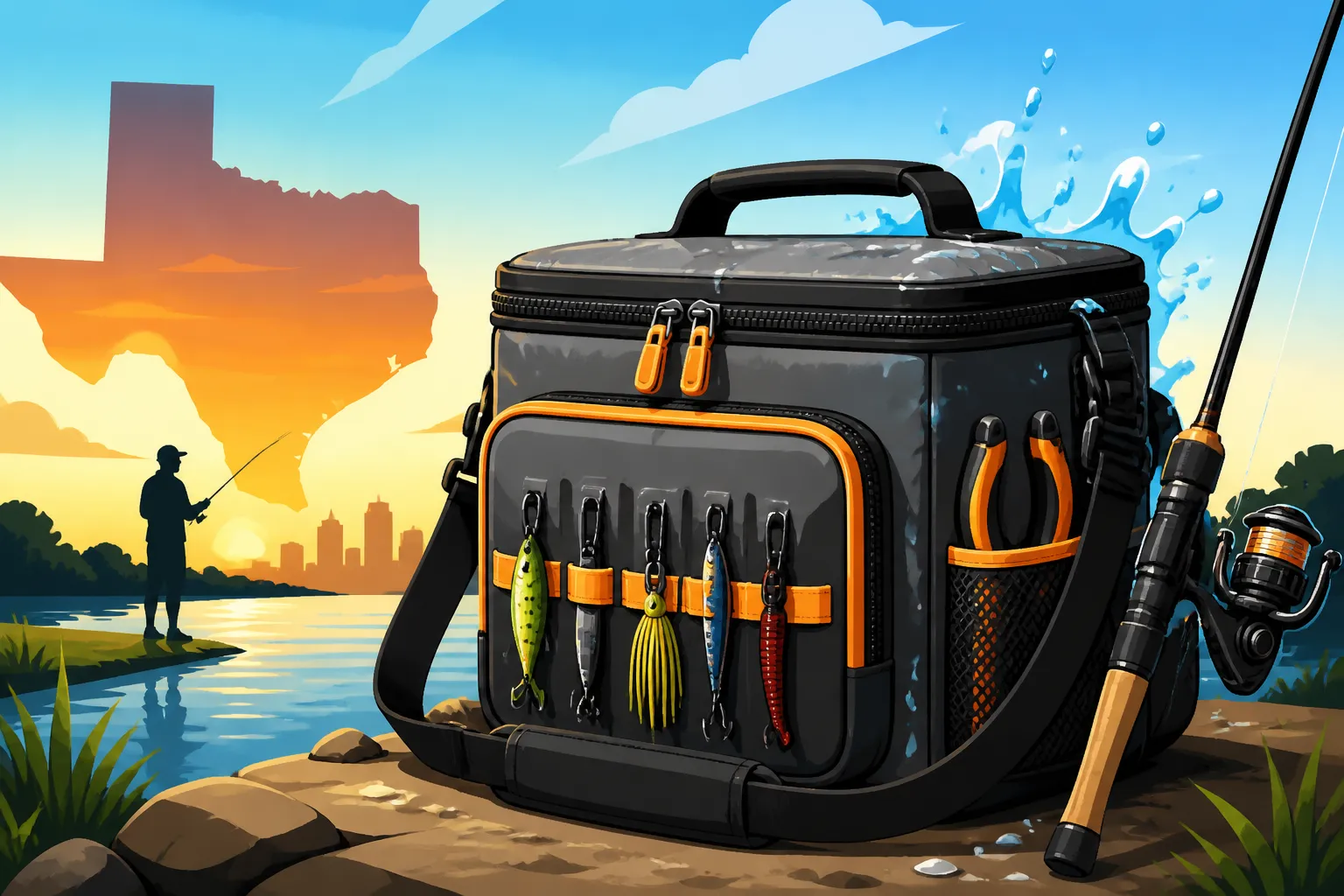
Traditional soft-sided tackle bags, designed with waterproof features, bridge the gap between sheer capacity and focused portability. These bags often feature a rectangular or square shape, built to house multiple standard tackle boxes within their main compartment. What makes them appealing is their versatility and customizable nature.
Many of these bags come with a collection of utility boxes, allowing you to organize lures by type, size, or target species. Some feature external mesh pockets (usually not waterproof) for quick-drying items like stringers or towels, alongside zippered pockets that might boast water-resistant or fully waterproof liners. The key here is to look for bags where the main compartment itself is made from a durable, waterproof material, often with a molded, waterproof bottom to prevent water seepage when set down on wet ground or a boat deck. These bags are fantastic for anglers who drive close to their fishing spot but still want to protect their gear from rain, spray, or wet ground. They offer more capacity than a sling pack but are typically less cumbersome than a fully loaded backpack for short distances. You can easily find these types of bags at local sporting goods stores or through Amazon, often with internal plastic tackle trays included.
Maintenance and Best Practices for Longevity
Investing in a quality waterproof tackle bag is a smart move for any bank angler, but to truly make that investment last, you need to treat it right. Proper care will ensure your bag remains watertight and functional for years, protecting your Best Bait and Lures for Texas Fishing and other essentials through countless fishing trips.
Cleaning and Drying Your Bag
After a long day of fishing, especially if it was wet or muddy, your tackle bag will likely need a little attention. Start by emptying all contents. For the exterior, a simple wipe-down with a damp cloth and mild soap is usually sufficient to remove mud, grime, or fish slime. If you've been saltwater fishing, a thorough rinse with fresh water is crucial to remove corrosive salt residue, which can degrade zippers and fabric over time.
The most critical step, however, is drying. Never store your waterproof bag wet, especially with the zippers closed. Moisture trapped inside can lead to mildew, unpleasant odors, and can eventually compromise the integrity of the material and zippers. Open all compartments and pockets, turn the bag inside out if possible, and let it air dry completely in a well-ventilated area away from direct sunlight (which can degrade some waterproof materials). Pay special attention to zippers; a small amount of silicone lubricant applied periodically to waterproof zippers will keep them running smoothly and maintain their seal. This preventative maintenance is key to prolonging the life of your bag, preventing the kind of issues that can ruin a fishing trip.
Smart Packing Tips for Waterproof Protection
Even with a top-notch waterproof bag, how you pack it can make a difference. Think of it as layers of protection. While the bag itself is waterproof, adding an extra layer of defense for your most sensitive items is always a good idea.
- Double Bagging: For electronics like your phone, GPS, or camera, consider placing them in smaller, individual dry bags or heavy-duty Ziploc bags inside your waterproof tackle bag. This offers redundant protection in case of an unforeseen breach or if you accidentally leave a zipper slightly ajar.
- Compartmentalization: Utilize internal dividers or smaller tackle boxes to keep your gear organized. This not only makes it easier to find what you need but also prevents hooks from snagging on the bag's lining or delicate items.
- Weight Distribution: If your bag is a backpack style, distribute heavier items closer to your back to maintain balance and comfort. Lighter, frequently accessed items can go in external pockets or the top of the main compartment. Proper weight distribution is especially important if you're hiking to spots where you might be carrying your Best Fishing Rods for Texas Anglers and Best Fishing Reels for Texas Anglers in your hands.
When to Consider an Upgrade
Even the best waterproof tackle bags have a lifespan. Over time, exposure to UV rays, abrasive surfaces, and general wear and tear can compromise their waterproof capabilities. Keep an eye out for these warning signs:
- Visible Wear: Fading, cracking, or peeling of the waterproof coating, especially on the inside of the fabric, indicates degradation.
- Seam Failure: If you notice any fraying or separation along the seams, even minor ones, the waterproof seal is compromised.
- Persistent Dampness: If your gear consistently feels damp or you find small puddles inside your bag after exposure to water, it's a clear sign the waterproof barrier is no longer effective.
- Zipper Issues: A stiff, corroded, or broken waterproof zipper can be a pain to operate and will inevitably lead to leaks.
When these signs appear, it's time to start looking for a replacement. While it might seem like an extra expense, replacing a failing bag is far cheaper than replacing water-damaged electronics or rusted tackle. Your needs might also change. Perhaps you've transitioned from casual bank fishing to more serious kayak expeditions, or you're now carrying more specialized gear. Reassessing your bag's suitability for your current fishing style and conditions is always a good idea. Remember, a reliable waterproof tackle bag is an essential piece of gear for anyone who loves to fish the diverse waters of Texas.
Disclaimer
This article is for general informational purposes only and does not constitute professional advice. Laws, prices and regulations vary by location and change over time. Consult a qualified professional for guidance on your specific situation.