Best polarized lenses for sight fishing
There's nothing quite as frustrating as scanning a glassy Texas flat for redfish or peering into a clear Hill Country stream for a Guadalupe bass, only to have the sun's relentless glare bounce off the water and blind you to everything beneath the surface. It’s enough to make you throw your hands up in exasperation! If you’ve ever felt this pain, you know how crucial it is to cut through that surface shimmer. This guide is all about helping you understand the magic of polarized lenses and how to pick the very best pair to give you a real advantage in sight fishing across our diverse Texas waters.
The Glaring Truth: Why Polarized Lenses are Non-Negotiable for Texas Sight Fishing
Let's be honest, fishing without polarized sunglasses when you're trying to spot fish is like trying to read a book in a dark room without a light – you just can't see the full picture. For serious anglers, especially those who love the thrill of sight fishing, polarized lenses aren't a luxury; they're an absolute necessity. Texas offers such a incredible variety of fishing environments, from the clear, spring-fed rivers to the vast, shallow bays, and each one presents its own set of visual challenges. Without the right eyewear, you're quite literally missing out on opportunities.
How Polarization Works to Cut Glare
So, what exactly is polarization, and how does it perform this miracle of cutting glare? Think of light waves traveling in all directions. When sunlight hits a flat, reflective surface like water, a significant portion of those light waves bounce back horizontally. This concentrated horizontal light is what we experience as blinding glare. It essentially acts like a wall, obscuring your view beneath the surface.
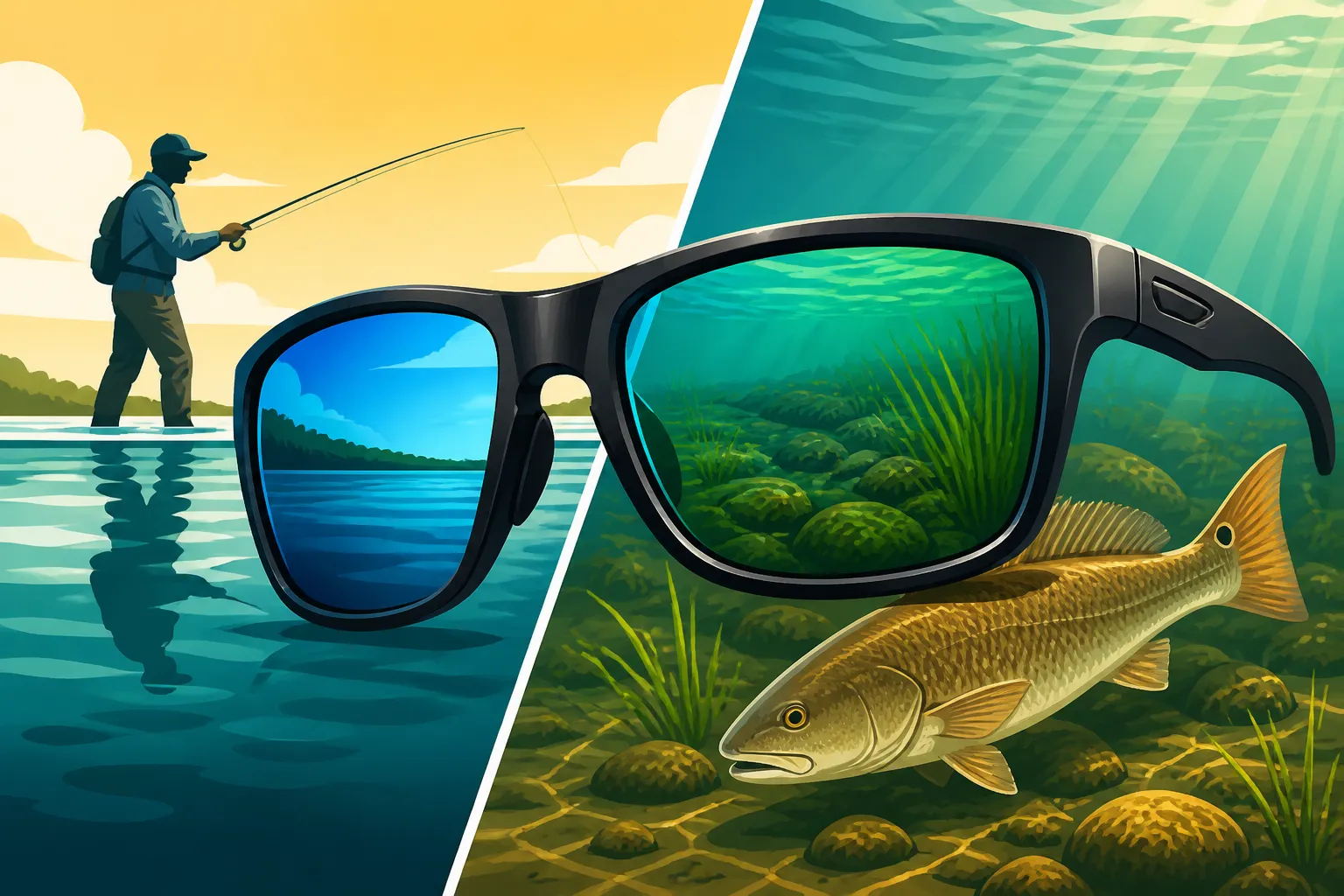
Polarized lenses contain a special filter that's vertically oriented. This filter acts like a tiny venetian blind, blocking out those intense horizontal light waves while allowing vertical light waves (which carry useful information about what's under the water) to pass through. The result? That harsh glare disappears, and suddenly, you can see into the water with remarkable clarity. It’s like someone just turned on an underwater spotlight for you.
The Difference Between Polarized and Non-Polarized: A World of Clarity
Many sunglasses offer UV protection, which is great for your eye health, but UV protection alone doesn't do anything for glare. Non-polarized lenses will simply dim all light, making things a bit darker but not actually removing the surface reflection. You'll still squint and strain, trying to peer through that shimmering veil.
With polarized lenses, the transformation is immediate and dramatic. Imagine you're standing on the bow of your bay boat, scanning a shallow flat in Galveston Bay. Without polarization, all you see is a bright, wavy reflection of the sky, making it impossible to distinguish the subtle shadow of a redfish tailing in the grass. Slip on a pair of good polarized shades, and suddenly, the water becomes transparent. You might spot a subtle disturbance, the outline of a foraging fish, or even the structure of a oyster shell bed that was completely hidden moments before. This clarity is what allows you to make precise casts and detect fish before they detect you. It’s a game-changer for anyone trying to How to sight cast for redfish or even just find structure while How to fish clear water lakes in Texas.
Specific Texas Scenarios Where Polarization Shines
Texas fishing is incredibly diverse, and the need for polarization varies slightly depending on where you are and what you're targeting.
- Coastal Flats: This is arguably where polarized lenses are most critical. Whether you're wading the Laguna Madre or drifting the shallow marshes near Port O'Connor, spotting redfish, speckled trout, or flounder requires unparalleled subsurface visibility. The sun beating down on calm, shallow water creates intense glare, and the ability to distinguish a fish's shadow or movement against the bottom can mean the difference between a hook-up and an empty cast. This is especially true when you're trying How to wade fish for redfish in Texas.
- Clear Freshwater Lakes & Rivers: Lakes like Amistad, Travis, or the Guadalupe River boast incredibly clear water. When targeting largemouth bass, smallmouth bass, or even the native Guadalupe Bass Texas State Fish Guide, seeing submerged timber, rock piles, or weed lines is paramount. Glare can still obscure these crucial pieces of structure, making it tough to present your bait effectively. Good polarized lenses help you read the water, identify transitions, and pinpoint where fish might be holding.
- Deep Water & Open Water: Even in deeper lakes like Toledo Bend or Sam Rayburn, or when out in the Gulf, polarized lenses can reduce eye strain and improve visibility, making it easier to see subtle baitfish schools or even deeper-holding fish on calm days. While you might rely more on Best Fishing Electronics for Texas Anglers in these scenarios, comfortable vision still makes a difference.
Decoding Lens Features: What to Look For Beyond Just 'Polarized'
Simply grabbing any pair of "polarized" sunglasses isn't enough. Just like fishing rods and reels, there's a huge spectrum of quality and features in eyewear. Investing in the right pair means considering several factors that will directly impact your comfort, vision, and the longevity of your investment, especially when you're spending countless hours under the intense Texas sun.
Lens Material: Clarity, Durability, and Weight
The material your lenses are made from plays a huge role in their performance and durability.
- Polycarbonate: This is a very popular choice for fishing sunglasses. Polycarbonate lenses are lightweight, impact-resistant, and relatively inexpensive. They're great for active anglers who might accidentally drop their shades or take a stray lure to the face. While optically good, they might not offer the absolute clearest vision compared to glass, and they can be more prone to scratching.
- Glass: Many high-end fishing sunglasses feature glass lenses. They offer superior optical clarity, meaning minimal distortion and the sharpest possible view. Glass is also highly scratch-resistant, which is a huge plus if you're constantly wiping salt spray or dust off your lenses. The downside is that glass lenses are heavier and can shatter upon impact, which might be a concern for some anglers.
- Trivex: This material is a bit of a middle ground, offering better optical clarity than polycarbonate and excellent impact resistance, often comparable to or even better than polycarbonate. It's lighter than glass but usually more expensive than polycarbonate. Trivex is a fantastic choice for those seeking a balance of clarity, durability, and weight.
UV Protection: Guarding Your Eyes from the Texas Sun
While separate from polarization, 100% UV protection is non-negotiable for any outdoor eyewear. The sun's ultraviolet rays can cause significant long-term damage to your eyes, including cataracts and macular degeneration. Most quality polarized sunglasses will explicitly state they offer 100% UVA/UVB protection. Don't compromise on this feature; your eye health is paramount, especially after a lifetime of fishing under the bright Texas sky.
Scratch Resistance: The Unsung Hero of Longevity
No matter how careful you are, lenses will inevitably come into contact with sand, tackle, or boat surfaces. Scratch-resistant coatings are incredibly important for maintaining clarity and extending the life of your sunglasses. While no lens is truly "scratch-proof," a good coating can make a significant difference. It’s worth checking reviews for durability on platforms like Amazon, or asking staff at Bass Pro Shops about the scratch resistance of different brands.
Frame Design and Fit: Comfort and Coverage for Long Days
A perfect lens is useless if the frame is uncomfortable or doesn't stay on your face.
- Coverage: Look for frames that offer good coverage, especially on the sides, to prevent light from leaking in and causing peripheral glare. Wraparound styles are often preferred by anglers for this reason. This also helps protect your eyes from wind, spray, and errant hooks.
- Fit: Try on different styles and brands. The sunglasses should fit snugly without pinching or feeling too loose. Adjustable nose pads can make a big difference in comfort for different face shapes. A comfortable fit ensures you can wear them all day without distraction or discomfort. You might check out a local Bass Pro Shops or Cabela's to physically try on various brands and styles, or at least look through product descriptions on Amazon for sizing guides.
- Material: Frame materials vary from lightweight plastics to durable nylons and even titanium. Consider what feels best on your face and how it will stand up to saltwater exposure or extreme heat.
Hydrophobic and Oleophobic Coatings: Keeping Your Vision Clear
These specialized coatings are fantastic for anglers.
- Hydrophobic coatings repel water, causing droplets to bead up and roll off the lens rather than smearing. This is invaluable when you're dealing with boat spray, rain, or sweat.
- Oleophobic coatings repel oils, making it harder for fingerprints, sunscreen, or fish slime to stick to the lens, and easier to wipe them clean when they do.
These features greatly reduce the amount of time you spend cleaning your lenses, keeping your focus on the water.
Color Me Caught: Choosing the Right Lens Tint for Texas Waters
Just like different baits work in different conditions, various lens colors are optimized for specific light levels and environments. Choosing the right tint can dramatically enhance your vision and give you an edge in spotting fish. It’s not just about aesthetics; it's about functionality.
Amber, Brown, and Copper: The Versatile All-Rounders
These warm tints are incredibly popular and for good reason. They are highly versatile and excel in a wide range of light conditions, from bright sun to overcast skies.
- Enhanced Contrast: Amber, brown, and copper lenses are fantastic at enhancing contrast, making it easier to distinguish fish from their background, whether it's the bottom of a lake or the grassy flats of a bay. They make greens and reds pop, which is super helpful for spotting fish against vegetation or reddish mud.
- Lower Light Performance: Unlike darker grey lenses, these tints allow more light in, making them excellent for early morning, late evening, or cloudy days when you still need to cut glare but also need to maximize available light.
- Texas Application: For sight fishing everything from Texas Largemouth Bass Fishing Guide in tannin-stained waters to redfish in clear-to-slightly-stained estuaries, these are often the go-to colors. If you only own one pair of fishing sunglasses, a copper or brown tint is probably your best bet for general Texas fishing.
Grey and Green: For Bright, Sunny Days and True Color Perception
When the Texas sun is high and blazing, and the light is intense, grey and green lenses come into their own.
- Neutral Color Perception: Grey lenses offer the most neutral color perception, meaning they don't alter the colors you see. This can be important when you need to accurately assess the color of your lure or the natural environment.
- Maximum Glare Reduction in Bright Light: Both grey and green tints are excellent at reducing overall brightness and cutting glare in very strong sunlight. Green lenses often combine the glare reduction of grey with a touch of contrast enhancement, making them a favorite for offshore anglers.
- Texas Application: Ideal for offshore trips in the Gulf of Mexico, clear open waters, or exceptionally bright, cloudless days on vast reservoirs like Lake Texoma. If you're out fishing from sunrise to sunset in the height of summer, these will minimize eye fatigue.
Yellow and Rose: For the Toughest Low-Light Conditions
While less common for primary sight fishing, yellow and rose tints have their niche uses.
- Extreme Low Light: These colors significantly brighten your field of view and enhance contrast in very low-light situations, such as very heavy overcast days, dawn, or dusk. They are less effective at cutting intense glare but can be useful for seeing subtleties when light is scarce.
- Fog and Haze: They can also help penetrate fog or haze, offering slightly better visibility in these challenging conditions.
- Texas Application: Think of those incredibly foggy mornings on East Texas lakes when you're trying to navigate or spot subtle surface activity before the sun truly breaks through. For general sight fishing, however, an amber or copper lens will usually serve you better.
Blue and Mirror Coatings: Offshore and Aesthetic Appeal
Blue mirror coatings are typically found on grey or copper base lenses and are often chosen for offshore fishing.
- Increased Glare Reflection: The mirror coating adds another layer of glare protection by reflecting even more light away from the lens. The blue tint is particularly effective for filtering out blue light, which is abundant in open water environments.
- Aesthetics: Let's be honest, they also look pretty cool!
- Texas Application: If you're heading out deep into the Gulf targeting kingfish, mahi-mahi, or tuna, blue mirror lenses are excellent for reducing the intense glare off the vast expanse of blue water. For inshore or freshwater, they might be overkill, but some anglers just prefer the look.
Matching Lens Color to Texas Conditions
| Lens Color | Primary Benefit | Ideal Texas Conditions | Target Species (Examples) |
|---|---|---|---|
| Amber/Copper | High contrast, versatile, good low light | Varied light, cloudy, dawn/dusk, slightly stained water, flats | Redfish, Speckled Trout, Largemouth Bass, Crappie |
| Grey/Green | Natural colors, maximum glare reduction | Bright sun, open water, offshore, clear lakes | Striped Bass, King Mackerel, Redfish (very bright) |
| Yellow/Rose | Enhances contrast in very low light | Heavy overcast, dense fog, deep twilight | Finding structure, extreme low light sight fishing |
| Blue Mirror | Extreme glare reflection, offshore | Bright sun, open ocean, vast deep lakes | Offshore species, Striped Bass (open water) |
For a comprehensive approach to fishing in Texas year-round, consider having a pair of amber/copper for everyday use and a grey/green for those blinding summer days. This setup will cover you for nearly every scenario you’ll encounter while pursuing Best Time of Year to Fish in Texas.
Preserving Your Vision: Care and Maintenance for Your Fishing Eyewear
You've invested in a quality pair of polarized sunglasses, and they're making a huge difference in your fishing success. Now, the key is to keep them in top condition so they can continue to serve you for seasons to come. A little care goes a long way in preserving their clarity and extending their lifespan. After all, you want to get the most out of your gear, whether it's your Best Rods for Texas Catfish Fishing or your prized sunglasses.
Cleaning Best Practices: Avoiding Scratches and Smears
It's tempting to just wipe your lenses with the corner of your shirt, but resist the urge! That's one of the quickest ways to introduce micro-scratches.
- Rinse First: Always rinse your lenses under fresh, cool water before wiping them, especially if you're fishing saltwater. This removes any abrasive particles like salt crystals, sand, or dust that could scratch the lens when rubbed.
- Use a Microfiber Cloth: Always use a clean, soft microfiber cloth specifically designed for eyewear. Many sunglasses come with one, or you can pick one up at any optical store or even in the fishing accessories aisle at Bass Pro Shops.
- Lens Cleaning Solution: For stubborn smudges, use a dedicated lens cleaning spray. Avoid harsh chemicals like window cleaner, which can damage coatings. A small drop of mild dish soap diluted in water can also work in a pinch, followed by a thorough rinse.
- Gentle Wipe: Use a gentle, circular motion to clean, and avoid excessive pressure.
- Air Dry or Blot: Let them air dry, or gently blot with a clean microfiber cloth.
Storage Tips: Protecting Them When Not in Use
How you store your sunglasses is just as important as how you clean them.
- Hard Case is Your Friend: Always store your polarized sunglasses in a hard case when you're not wearing them. This protects them from being crushed, scratched by other tackle in your bag, or simply falling off your truck's dashboard. A soft pouch offers minimal protection and should only be used as a last resort.
- Avoid Extreme Temperatures: Leaving your sunglasses on the dashboard of your truck in the scorching Texas summer sun or in freezing temperatures can damage lens coatings and even warp frames. Store them in a cooler, climate-controlled environment when possible.
- Keep Them Accessible, But Safe: While you want them handy for those sudden sight fishing opportunities, don't just toss them on the deck of the boat where they can be stepped on or slide overboard. Attach a retainer strap so they don't fall off your face, but always put them back in their case when you're done for the day or moving at high speeds.
Longevity and Care: Making Them Last Through Many Seasons
With proper care, a good pair of polarized lenses can last for many years, enhancing countless fishing trips.
- Regular Inspections: Periodically inspect your frames for any loose screws, especially around the hinges. Tighten them gently if needed.
- Avoid Harsh Environments: While they are designed for the outdoors, try to avoid exposing them to corrosive chemicals, bug spray, or excessive sunscreen directly on the lenses. If contact occurs, clean them immediately and thoroughly.
- Professional Cleaning/Repair: If you notice significant issues like delamination of the polarized film or deep scratches that impact vision, sometimes it’s worth seeking professional advice from an optical shop. Some higher-end brands even offer repair services or replacement lenses. While you can find replacement parts or full new pairs on sites like Amazon, sometimes getting them professionally looked at first can be beneficial. Keeping your lenses pristine is just as important as maintaining your Best Kayaks for Texas Fishing or your Best Boats for Texas Lake Fishing so they perform when you need them most.
Disclaimer
This article is for general informational purposes only and does not constitute professional advice. Laws, prices and regulations vary by location and change over time. Consult a qualified professional for guidance on your specific situation.