Best Texas Fishing Spots for Beginners
Starting a new hobby like fishing in a state as vast and diverse as Texas can feel incredibly overwhelming. You might be staring at maps, wondering which lake won't swallow your first cast, or trying to decipher regulations that seem written in another language. Don't worry, you're not alone! This guide is here to cut through the confusion and point you toward the most welcoming, productive, and downright fun fishing spots for beginners across the Lone Star State, helping you build confidence one successful trip at a time.
Why Texas is a Beginner Angler's Paradise
Texas truly offers an unparalleled playground for those just starting their fishing journey. From its sprawling freshwater lakes and tranquil rivers to the bountiful bays and Gulf Coast, there's a unique ecosystem waiting for every skill level. But for beginners, what really sets Texas apart is the sheer accessibility and variety of user-friendly spots, many of which are specifically designed to foster a love for angling. You don't need a fancy boat or years of experience to have a blast here.
Accessible Fishing Opportunities Galore
One of the biggest hurdles for new anglers is finding a place to actually fish without needing a boat, specialized gear, or deep knowledge of a complex waterway. Texas excels in this regard. The Texas Parks and Wildlife Department (TPWD) has done an incredible job creating numerous opportunities for easy access. Think about the countless fishing piers, dedicated bank fishing areas, and community ponds that dot the landscape. These spots are often well-maintained, have amenities like restrooms and picnic areas, and sometimes even offer equipment rentals. It's about taking the intimidation factor out of the equation and making it simple to just show up and cast a line. For instance, many state parks offer fantastic shoreline access, making them perfect for a family outing. You can even find information on where to buy a Texas fishing license in person at many of these locations.
Diverse Species to Target
Another fantastic aspect for beginners in Texas is the incredible diversity of fish you can target, many of which are relatively easy to catch. You're not just limited to one type of fishing or one species. In freshwater, you can focus on panfish like sunfish and crappie, which are known for their willingness to bite and provide consistent action, or try for eager catfish. If you venture to the coast, you'll find active species like speckled trout, redfish, and even flounder that can be caught from piers or easy-access wade spots. This variety means you can experiment with different techniques and find what you enjoy most, without feeling pressured to master one specific, challenging style of fishing right off the bat. The sheer abundance ensures that even a novice stands a good chance of reeling in something exciting, making those early experiences memorable and encouraging.
Freshwater Gems for Your First Cast
When it comes to freshwater fishing for beginners in Texas, the focus should be on ease of access, consistent bites, and a generally relaxed atmosphere. Large reservoirs can be daunting, but there are plenty of smaller, more manageable options that offer excellent opportunities to learn the ropes.
Neighborhood Fishin' Program Ponds
The TPWD's Neighborhood Fishin' Program is an absolute godsend for beginner anglers, especially those with kids. These are typically small, community-based ponds located in urban and suburban parks across the state. The magic of these ponds is that they are regularly stocked with catchable-sized rainbow trout in the cooler months (usually November to March) and channel catfish in the warmer months (typically April to October). This stocking means a much higher chance of success, which is crucial for keeping new anglers engaged.
Imagine spending a Saturday morning at a local park like Dove Springs Pond in Austin or Bachman Lake in Dallas, armed with a simple rod and reel. The fish are often hungry, providing frequent bites that teach you how to feel a strike, set the hook, and reel in a fish. Many of these locations have well-maintained banks, fishing piers, and amenities, making it a comfortable experience. You don't need a boat, and you definitely don't need a complex setup. A bobber, a hook, and some corn, hot dogs, or worms are often all it takes to have a fantastic time. These ponds are specifically designed to introduce people to fishing in a low-pressure environment, fostering a love for the outdoors.
State Parks with Fishing Access
Texas State Parks are truly hidden treasures for beginner anglers. Many parks boast lakes, rivers, or ponds within their boundaries that offer incredible fishing opportunities, often from the bank or a pier. What makes them so great for beginners is the combination of easy access, typically clean and safe environments, and often knowledgeable park rangers who can offer tips. For example, places like Inks Lake State Park in the Hill Country, or Lake Bob Sandlin State Park in East Texas, provide beautiful scenery along with good fishing for bass, sunfish, and catfish.
Most state parks offer free shoreline fishing at Texas State Parks, meaning you don't even need a fishing license if you're fishing from the bank or a pier within a state park boundary, though general fishing regulations regarding bag and length limits still apply. This removes a significant barrier for many newcomers. These parks are perfect for a full-day family outing, combining fishing with hiking, picnicking, and simply enjoying nature. You can often find a quiet cove or a comfortable spot on a pier where you won't feel rushed or intimidated by more experienced anglers.
Smaller Community Reservoirs
Beyond the stocked ponds and state parks, many smaller community reservoirs across Texas offer fantastic, less intimidating fishing than their larger counterparts like Lake Fork or Sam Rayburn. These lakes might not make the national headlines for trophy bass, but they offer consistent action for a variety of species. Think of lakes like Lake Georgetown, Granger Lake, or even local municipal lakes. They often have public boat ramps, but also ample bank access, small piers, and generally calmer waters.
For someone just getting started, fishing a smaller lake means less expansive water to learn, making it easier to identify potential fishing spots like brush piles, submerged timber, or creek channels from shore. These lakes are excellent for targeting catfish with simple bottom rigs, or chasing panfish around docks and fallen trees with a light spinning rod. You'll often find a friendly local willing to share a tip or two, adding to the welcoming atmosphere. Using a platform like FishingBooker, you might even find local guides specializing in these smaller, more intimate bodies of water, offering a personalized introduction to fishing without the chaos of a major tournament lake.
Coastal Adventures Easy Saltwater Spots
The Texas Gulf Coast might conjure images of offshore behemoths, but it's also brimming with incredible, beginner-friendly saltwater fishing opportunities that don't require a deep-sea charter. Many spots offer easy access to productive waters, perfect for your first encounter with the powerful pull of a redfish or the subtle bite of a speckled trout.
Public Fishing Piers and Jetties
When you think of easy saltwater access, public fishing piers immediately come to mind. These structures, like the Galveston Island State Park Pier or the Bob Hall Pier in Corpus Christi, stretch out over the water, putting you right where the fish are without needing a boat. Piers are community hubs where anglers of all skill levels gather, making them great places to observe, learn, and even strike up conversations for tips. You can target a wide array of species depending on the season, including speckled trout, redfish, black drum, sheepshead, and even small sharks.
Jetties, those rock structures protecting passes and harbors, also offer fantastic fishing. While they require a bit more caution due to uneven footing, jetties like the Port Aransas Jetty or the Galveston North Jetty provide access to deeper water and stronger currents, often holding larger fish. For beginners, sticking to the landward sections or well-traveled areas is smart. Both piers and jetties are prime locations to use a simple bottom rig with shrimp or cut bait, or even try your hand at casting artificial lures like spoons or soft plastics. Many piers also offer bait and tackle shops, making it incredibly convenient for a spontaneous fishing trip. Just remember to check the Texas Saltwater Fishing Regulations for what you can keep!
Designated Wade Fishing Areas
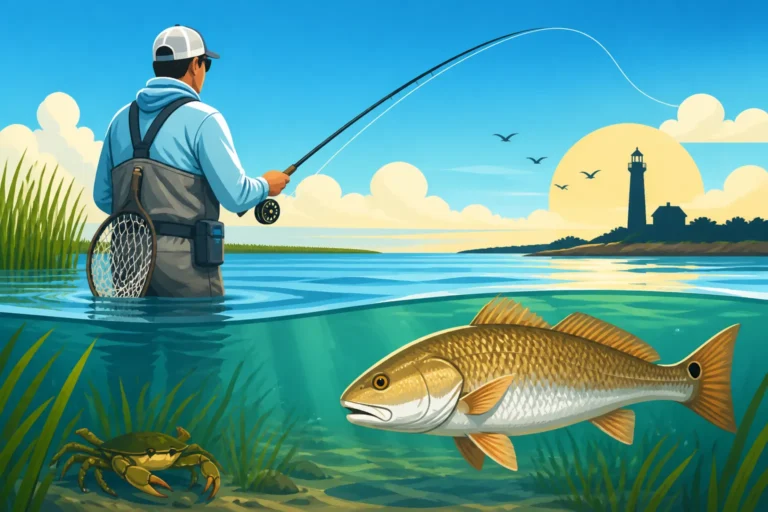
While the idea of wade fishing might sound advanced, many Texas bays have incredibly shallow, firm bottoms that are perfect for beginners. Wade fishing allows you to quietly stalk the flats, presenting your bait or lure to unsuspecting fish. This technique puts you right in the habitat of popular species like redfish and speckled trout. Areas around Rockport, Port Aransas, and the western shorelines of Galveston Bay offer expansive, shallow flats that are safe and easy to navigate for newcomers.
The key to beginner wade fishing is to go during calm weather, when the water is clear, and start in areas known for a firm, sandy bottom rather than soft mud. You'll need good wading boots or shoes to protect your feet. A simple spinning rod, a popping cork with a soft plastic shrimp imitation, or live shrimp will set you up for success. Wade fishing can be incredibly rewarding as you get to immerse yourself in the environment and truly feel the thrill of the chase. Booking a trip with a local guide through a service like FishingBooker can provide invaluable insights and ensure a safe, productive first wade fishing experience, as they know the best shallow water spots for redfish and trout.
Coastal Boat Ramps and Park Shorelines
Even if you don't own a boat, many coastal boat ramps and adjacent park shorelines can be surprisingly productive for bank fishing. Fish often congregate near these structures, especially around channels, points, and docks, looking for baitfish or cover. Places like Goose Island State Park near Rockport or Sea Rim State Park closer to Port Arthur offer excellent bank access to bays and marshes. You can often find areas with picnic tables and restrooms, making it a comfortable spot for a leisurely day of fishing.
At these locations, a simple strategy often works best: a bottom rig with fresh shrimp or squid will attract a variety of bay species. You might hook into a red drum, a croaker, or even a small shark. It’s a great way to experience saltwater fishing without the complexities of navigating currents or tides in a boat. Always be mindful of boat traffic around ramps and look for designated fishing areas. These spots often provide easy access to the water's edge, allowing you to cast into deeper channels or along marshy banks where fish might be hiding.
River Retreats and Urban Oases
Texas isn't just about lakes and the coast; its rivers and even small urban waterways provide unique and accessible fishing experiences for beginners. These spots offer a different kind of charm, often more serene and close to nature, or surprisingly convenient in the heart of the city.
Calm River Sections for Catfish and Sunfish
Many Texas rivers, particularly their calmer sections, are fantastic for beginners looking to catch catfish or various species of sunfish (also known as bream). Rivers like the Brazos, Colorado, and Trinity have numerous public access points, including parks, bridges, and designated fishing areas. These areas often feature slower currents, making it easier to manage your line and rig without it getting swept away.
For catfish, a simple bottom rig with a weight, a hook, and some punch bait, cut bait, or even a hot dog will usually do the trick. Catfish are abundant and provide a strong fight, which is always exciting for a new angler. For sunfish, a small hook with a piece of worm under a bobber can lead to non-stop action, perfect for teaching kids the joy of fishing. These river spots often have a tranquil atmosphere, allowing you to connect with nature away from the hustle and bustle. Always be aware of river conditions, especially after heavy rains, as currents can become strong and water levels can rise quickly.
Urban Fishing Hotspots
Believe it or not, some of the best beginner fishing spots are right in the middle of our bustling Texas cities! Many cities maintain small lakes, ponds, and even sections of rivers that are regularly stocked or naturally hold a good population of fish. These urban oases are perfect for a quick fishing trip after work or school, without a long drive. Places like Lady Bird Lake in Austin, though known for its urban paddle sports, also holds impressive largemouth bass and catfish. Similarly, countless smaller city parks have ponds that are part of the Neighborhood Fishin' Program or simply good for catching panfish.
These spots offer incredible convenience. You can often walk or bike to them, and they usually have good parking, paved paths, and other amenities. The fish in these urban environments are often accustomed to human presence, making them less skittish and more willing to bite. A simple spinning rod with basic bait like worms, corn, or small spinners can yield surprising results. It’s a fantastic way to introduce urban dwellers to fishing, proving that you don't need to travel far to enjoy the sport. Always check local city regulations, as some urban waters may have specific rules or catch-and-release requirements.
Essential Tips for a Smooth First Trip
Embarking on your first fishing adventure should be exciting, not intimidating. By keeping a few essential tips in mind, you can set yourself up for a smooth, enjoyable, and successful experience from the get-go.
Understanding Licenses and Basic Regulations
The thought of understanding fishing licenses and regulations can be a major headache for beginners, but it's crucial to get it right. In Texas, generally, anyone 17 years of age or older needs a valid fishing license to fish in public waters. There are different types of licenses, such as freshwater-only, saltwater-only (which requires an additional stamp or endorsement), or an all-water license that covers both. However, there are also exceptions, like fishing from the bank or a pier within a state park or on Texas Free Fishing Day.
Navigating these rules might seem complex initially, but resources are readily available. The TPWD website is your best friend for understanding Texas Fishing License Requirements Explained and looking up specific Texas Fish Bag and Length Limits for different species. You can purchase your license online, by phone, or at most sporting goods stores like Academy Sports + Outdoors or Walmart. Don't let the regulations scare you off; they're there to protect our fisheries. A quick glance at the current Outdoor Annual will keep you legal and informed.
| License Type | Covers | Typical Cost (Resident Adult) | Best For Beginner Focus |
|---|---|---|---|
| Freshwater Fishing Package | All public freshwater | ~$30 | Local ponds, lakes, rivers for bass, catfish, crappie |
| Saltwater Fishing Package | All public saltwater | ~$35 | Piers, jetties, wade fishing on the coast |
| All-Water Fishing Package | All public freshwater & saltwater | ~$40 | Versatile, if you plan to try both |
| One-Day All-Water (Resident/Non-Resident) | All public freshwater & saltwater for 1 day | ~$11 (R) / ~$16 (NR) | Perfect for a trial run, short trips |
Note: Costs are approximate and do not include online transaction fees. Always check the current TPWD Outdoor Annual for exact pricing and current regulations.
Safety First and Foremost
Fishing is generally a very safe activity, but taking some basic precautions, especially as a beginner, is always wise. The most important rule? Let someone know where you're going and when you expect to be back, especially if you're exploring a new spot. Sun protection is paramount in Texas; wear a wide-brimmed hat, sunglasses, and use plenty of sunscreen. Hydration is also key, especially during those scorching Texas summers. Bring more water than you think you'll need.
If you're fishing near water, whether from a boat, pier, or bank, consider wearing a life jacket, especially if you're not a strong swimmer or fishing alone. Be mindful of your surroundings: slippery banks, sharp rocks on jetties, and uneven terrain can all pose hazards. When casting, always look behind you to ensure no one is in the way. Proper handling of hooks and fish (especially those with sharp fins or teeth) will prevent accidental injuries. A good pair of pliers or a de-hooker is invaluable. For children, constant supervision is non-negotiable.
Starting Simple with Bait and Lures
Don't fall into the trap of thinking you need a tackle box full of expensive, exotic lures to catch fish. For beginners, simplicity is key, and it’s often the most effective approach. When you're just starting, natural baits are your best friend because they appeal to a wide variety of fish and are easy to present. Think live worms, shrimp (especially for saltwater), corn, hot dogs, or even small pieces of bread for panfish. These baits are readily available and require minimal technique.
For artificial lures, start with the classics: a simple jig with a soft plastic tail, a spinnerbait, or a small spoon. These lures are easy to cast and retrieve, and their action often entices fish without complex manipulation. Focus on learning how to cast accurately and consistently, and how to feel a bite. As you gain confidence, you can gradually experiment with more specialized lures and techniques. Many fishing guides listed on platforms like FishingBooker specialize in teaching beginners, offering insights into local bait preferences and techniques that yield the best results. The goal at first is to catch something, anything, to build that excitement and confidence!
Gear Up What You Really Need
One of the biggest anxieties for new anglers is figuring out what gear to buy. The fishing aisle at any sporting goods store can be overwhelming with countless options. The good news is, you don't need to break the bank or buy a boatload of specialized equipment to get started. Focus on a few key, versatile items that will serve you well in most beginner scenarios.
All-Purpose Rod and Reel Combos
For a beginner, an all-purpose spinning rod and reel combo is the absolute best starting point. These setups are user-friendly, versatile, and relatively inexpensive. Look for a medium-light or medium power rod, typically 6 to 7 feet long, paired with a matching spinning reel. A good brand like Shimano, Daiwa, or even entry-level combos from Ugly Stik (known for their durability) will serve you well. These combos are perfect for casting lighter baits and lures, handling panfish, bass, catfish, and even smaller saltwater species.
The spinning reel is much easier to learn than a baitcasting reel, as it's less prone to frustrating tangles (known as "bird's nests"). Load it with 6-10 pound test monofilament line, which is forgiving, easy to tie knots with, and relatively inexpensive. This setup will be your workhorse for discovering various types of fishing, from dropping a worm into a neighborhood pond to casting a shrimp off a coastal pier. You can find excellent Beginner Fishing Gear Checklist for Texas guides that detail exactly what to look for without overspending.
Essential Terminal Tackle for Success
Terminal tackle refers to all the bits and pieces at the "terminal" end of your fishing line: hooks, weights, swivels, and bobbers. Again, keep it simple.
- Hooks: A small assortment of hooks in sizes #6, #4, and #2 (these numbers get smaller as the hook gets larger, confusing, I know!) will cover most freshwater panfish and catfish, as well as smaller saltwater species. Consider buying snelled hooks for freshwater; they come pre-tied to a leader, making setup a breeze.
- Weights (Sinkers): A small variety of split shots and egg sinkers (1/8 oz to 1/2 oz) will help get your bait down to where the fish are.
- Bobbers: A few clip-on bobbers or slip bobbers are indispensable for seeing bites and suspending your bait at a certain depth.
- Swivels: Small barrel swivels (size 10-12) can help prevent line twist, especially if you're using spinning lures.
Don't forget a pair of needle-nose pliers or a hook remover tool to safely unhook fish, and a small pair of nail clippers or scissors for cutting line. A small tackle box or a zippered tackle bag will keep all these essentials organized and easily accessible.
Basic Bait and Lure Assortment
As mentioned earlier, start with natural baits. For freshwater, a container of live worms is a universal fish catcher. You can also try corn, hot dogs, or small pieces of cheese for catfish and sunfish. For saltwater, live or dead shrimp are incredibly effective from piers and jetties. Many bait shops sell these readily.
When it comes to artificial lures, grab a few basics:
- Soft Plastic Worms/Grubs: These are incredibly versatile. A small pack of curly-tail grubs (like those from Berkley Gulp! or Mister Twister) in white, chartreuse, or pumpkinseed colors, paired with a small jig head (1/8 to 1/4 oz), will catch almost anything.
- Small Spinners: Classic Mepps or Rooster Tail spinners are great for active fish like white bass and panfish.
- Spoons: A few silver or gold spoons (like a Johnson Silver Minnow) can imitate baitfish and attract various species, particularly in saltwater.
The idea here is to have a small selection that covers different situations and fish appetites without overwhelming yourself. You'll quickly learn what works best in your local spots through experience and by chatting with other anglers.
Final Thoughts on Your Texas Fishing Journey
Beginning your fishing journey in Texas is an exciting step into a rewarding pastime. Don't be discouraged by initial challenges or the sheer amount of information out there. Start small, visit the accessible spots we've discussed, and focus on enjoying the process. Every cast is a learning opportunity, and every fish, no matter the size, is a triumph.
Remember, the goal isn't just to catch fish, but to connect with nature, enjoy the peace and quiet, and create lasting memories, especially if you're fishing with family or friends. Texas offers a warm welcome to all anglers, and with a little preparation and the right mindset, you'll be reeling in those Lone Star catches in no time.
Disclaimer
The information provided in this guide is for general informational purposes only and does not constitute legal advice. Fishing regulations, license requirements, and other rules can change frequently. Always consult the latest official Texas Parks and Wildlife Department (TPWD) Outdoor Annual or website before heading out to fish. Adherence to all local, state, and federal regulations is the angler's responsibility. Fishing involves inherent risks, and safety precautions should always be taken.