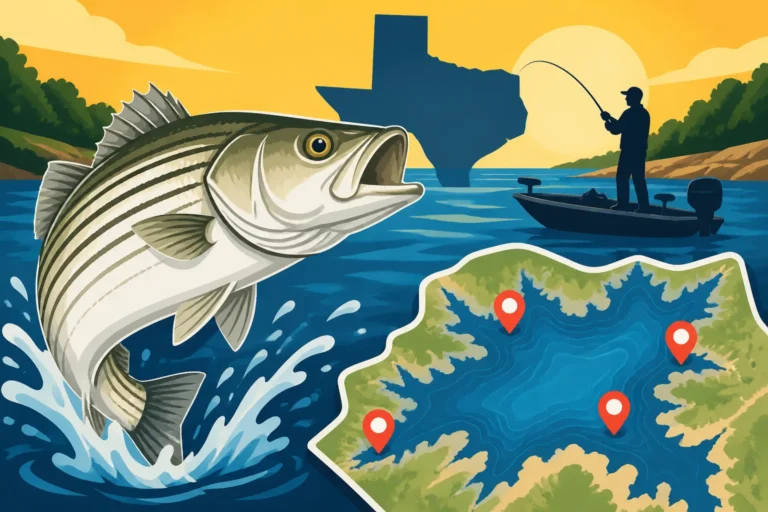
Best coves to fish at Sam Rayburn
If you've ever gazed out across the vast expanse of Sam Rayburn Reservoir, you know it's a breathtaking sight, but also one that can feel overwhelming when you're trying to figure out where to even drop a line. It’s easy to get lost in the sheer size of "Big Sam," but don't worry, navigating its famous coves doesn't have to be a guessing game. This guide is here to cut through the confusion and pinpoint the best coves on Sam Rayburn, giving you a clearer path to a successful and enjoyable fishing trip.
Understanding Sam Rayburn's Unique Layout
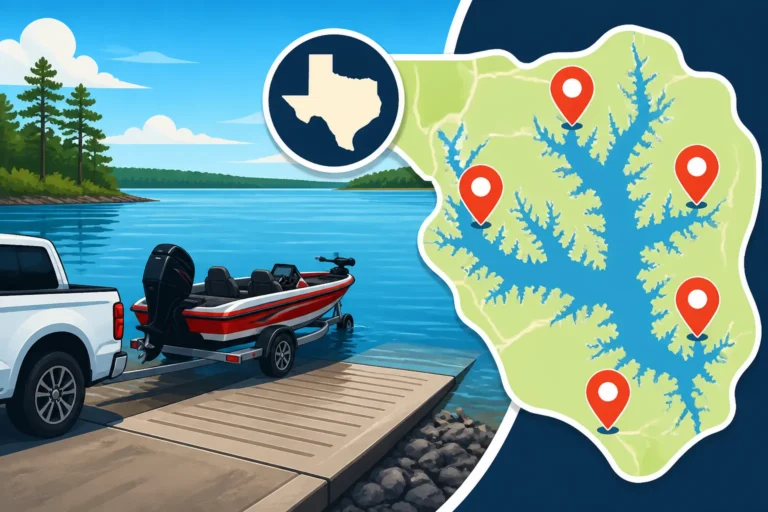
Sam Rayburn Reservoir, affectionately known as "Big Sam," is a beast of a lake, covering over 114,500 acres in East Texas. Its size alone makes it a formidable challenge for anglers, but it's also what makes it such a legendary fishery. This isn't your average pond; it's a sprawling network of main lake areas, creek channels, and countless coves, each with its own character and potential. Understanding the general lay of the land is the first step to unlocking its secrets.
The "Big Sam" Advantage
What truly sets Sam Rayburn apart is its incredible diversity of habitats. From timber-laden creeks and shallow grass flats to deep-water humps and ledges, the lake offers something for every species and every angler. This rich environment, coupled with the generous stocking efforts by the Texas Parks and Wildlife Department, ensures a healthy population of game fish, especially the prized largemouth bass that Sam Rayburn is famous for. While the main lake offers structure and open water, the coves are where you often find sheltered conditions and concentrated fish activity, making them prime targets. For more general information on fishing this iconic lake, check out our comprehensive Sam Rayburn Reservoir Fishing Guide.
Factors Making a Cove Productive
Not all coves are created equal, and knowing what to look for can significantly improve your chances. Productive coves typically share a few key characteristics. First, they often have a variety of depths, offering fish options to move up or down depending on temperature and light. Second, abundant cover like standing timber, submerged brush piles, boat docks, or hydrilla beds provides ambush points and safety for baitfish and predators alike. Third, a consistent source of forage, whether it's threadfin shad, sunfish, or crawfish, ensures a steady food supply. Finally, proximity to main lake access points or creek channels means fish can easily move in and out of the cove as conditions change. Identifying these elements will help you quickly assess a cove's potential.
Top Coves to Target on Sam Rayburn Reservoir
Now, let's get down to the nitty-gritty: the specific coves that seasoned Sam Rayburn anglers often frequent. These spots have earned their reputation for consistently holding fish, offering a range of habitats, and providing excellent opportunities throughout the year. Remember, fishing is never a guarantee, but these coves give you a solid starting point for your adventures on this fantastic lake.
Ayish Bayou
Ayish Bayou is a massive arm of Sam Rayburn, almost a lake unto itself, located on the northern end of the reservoir. What makes this area so incredible is its sheer size and variety. You'll find a deep main channel that snakes through, lined with countless smaller pockets and coves. The fishing here can be fantastic, particularly for largemouth bass, especially during the spring when they move into the shallower, warmer waters to spawn. Look for areas with a mix of hydrilla, lily pads, and standing timber, which provide excellent cover. During the summer, bass might retreat to deeper edges of the bayou or seek shade under thick vegetation. Crappie also congregate here, particularly around brush piles and submerged timber, making it a versatile spot.
Anglers often target the numerous small coves off the main bayou. These smaller, more protected areas can heat up quickly in spring, drawing in pre-spawn and spawning bass. Using Texas rigs or Carolina rigs with soft plastics like worms or creature baits can be incredibly effective when slowly worked through the cover. Don't forget to check the creek bends and points along the main channel, as these can be excellent staging areas for fish moving in and out of the shallower pockets.
Harvey Creek
Moving towards the central part of the lake, Harvey Creek is another highly productive area. This creek arm offers a different dynamic than Ayish Bayou, often featuring a bit more current influence, especially after heavy rains, which can concentrate baitfish and predatory species. Harvey Creek is particularly well-known for its excellent largemouth bass fishing, with many anglers reporting success targeting the numerous points, humps, and submerged timber within its confines.
The creek is peppered with smaller coves and pockets that offer sheltered water. During the cooler months, fish often stack up in the deeper sections of these coves or along the creek channel. As temperatures rise, they'll spread out, seeking cover in the shallow hydrilla beds or around standing timber. Spinnerbaits and chatterbaits can be deadly here, especially when targeting active fish around the edges of grass or wood. If you're looking for trophy bass, Harvey Creek definitely warrants attention, particularly during the pre-spawn and spawn. Consider exploring our Texas Largemouth Bass Fishing Guide for more insights on these prized fish.
Mill Creek
Mill Creek, situated on the eastern side of Sam Rayburn, offers a fantastic blend of open water access and protected coves. This area is known for its diverse structure, including submerged timber, creek channels, and significant hydrilla beds. Bass love to hold along the edges of the deeper creek channels that wind through Mill Creek, especially where it meets pockets of cover. During the fall and winter, bass and crappie can be found in deeper holes and along creek bends.
The coves within Mill Creek are excellent for both bass and crappie. Many of these coves feature extensive hydrilla, which, while sometimes challenging to fish, is a magnet for baitfish and game fish. Punching through thick mats with heavy Texas rigs or flipping jigs into holes in the grass can yield impressive bass. For crappie, focus on submerged brush piles or vertical timber found in the backs of the coves, using small jigs or minnows. Knowing the patterns of these fish throughout the year will make your trip more successful; our Texas Fishing Seasons Month by Month article can help.
Veach Basin
Veach Basin is another large, prominent area on Sam Rayburn, offering a mix of main lake access and numerous productive coves. Located on the western side of the lake, it's known for its deeper water access points and strong populations of both bass and crappie. The main basin itself has ample open water, but the true gems are the many small coves and arms branching off it. These smaller pockets provide critical sanctuary and feeding grounds.
Anglers targeting bass in Veach Basin's coves often find success around prominent points, submerged humps, and any visible cover like boat docks or brush. In the summer, fish will often pull off into deeper water, so searching for them on ledges and drops within the coves becomes key. During the cooler months, these coves can offer protected areas where fish seek warmer water and stable conditions. Crappie can be found schooling around structure, especially in the deeper, central areas of the larger coves, often suspended over brush piles.
The Caney Creek Arm
The Caney Creek arm, located on the northern end of the reservoir, is an expansive area similar to Ayish Bayou, with a long, winding creek channel and a myriad of smaller coves and pockets. This area is incredibly rich in diverse habitats, making it a consistent producer for various species. Caney Creek is famous for its abundant standing timber and vast hydrilla fields, which serve as crucial cover and feeding grounds for bass, crappie, and even catfish.
The smaller coves off the main Caney Creek channel are fantastic for targeting bass during the spawn and post-spawn periods. The protected, shallow waters warm up quickly, attracting bass looking for ideal nesting sites. Flipping jigs or soft plastics into the timber and grass lines, or throwing topwater frogs over matted vegetation, can be incredibly exciting. For crappie, focus on the deeper submerged timber and brush piles that line the creek channel within the coves. The sheer number of hiding spots means diligent searching can lead to excellent catches.
Sandy Creek
Sandy Creek, located on the eastern side of Sam Rayburn, is characterized by its shallower, more accessible coves and pockets compared to some of the deeper creek arms. As its name suggests, you'll often find sandy bottoms mixed with hydrilla and standing timber, especially in the backs of its numerous small coves. This makes it a prime area for anglers who enjoy fishing shallower water, especially during the spring and early summer.
Bass often relate to the edges of the hydrilla beds and the base of the standing timber in these coves. Topwater lures like poppers and walking baits can be incredibly effective in the mornings and evenings, particularly when bass are actively chasing baitfish. Spinnerbaits and shallow-diving crankbaits are also excellent choices for covering water and triggering strikes. Crappie can be found in the deeper sections of these coves, usually relating to the more prominent brush piles or timber. The shallower nature of Sandy Creek's coves means they can be particularly productive after a warming trend, drawing in fish from the main lake.
Essential Strategies for Fishing Sam Rayburn Coves
Simply knowing where the productive coves are is only half the battle; knowing how to approach them is what truly makes a difference. Sam Rayburn is a dynamic fishery, and successful anglers understand that adapting their strategies to conditions and fish behavior is paramount.
Reading the Water and Weather
Conditions on Sam Rayburn can change rapidly, and understanding how water clarity, temperature, and weather fronts affect the fish in coves is crucial. After a heavy rain, coves near incoming creeks might get muddy, often pushing fish out to clearer water or concentrating them at the clearer water line. Alternatively, muddy water can offer excellent cover for ambush predators. Conversely, clear water in a cove might mean you need to downsize your line and lures, and potentially fish at dawn or dusk when fish feel less exposed. Our article on How to Fish Muddy Water in Texas offers specific tactics.
Water temperature dictates fish activity significantly. In spring, warming water draws fish into shallow coves for the spawn. In summer, as surface temperatures soar, fish might retreat to deeper, cooler sections of the coves or seek shade under heavy cover. Cold fronts, on the other hand, can shut down the bite, making fish lethargic and requiring slower presentations. Always pay attention to the forecast and water conditions, and adjust your approach accordingly.
Matching Bait to Forage
Sam Rayburn is teeming with forage, and successful anglers often "match the hatch" by using baits that mimic the local food sources. Shad, bluegill, and crawfish are primary forage species for bass and other game fish in the reservoir. If you observe baitfish schooling in a cove, using shad-imitating crankbaits, swimbaits, or soft plastics can be incredibly effective.
For coves with a lot of bluegill or sunfish present, a jig or a creature bait that mimics a crawfish or a bream might be the ticket. Vary your retrieve speed and presentation until you find what the fish are reacting to. Don't be afraid to experiment with different colors and sizes. Sometimes, a subtle change in a lure's profile or action can make all the difference in a pressured cove. For a deeper dive into bait choices, our guide on Best Bait and Lures for Texas Fishing is an excellent resource.
Navigating Sam Rayburn Safely
Sam Rayburn Reservoir is known for its beautiful scenery, but also its abundant standing timber and shallow areas, especially in its numerous coves and creek arms. Navigating these waters requires vigilance and attention to safety. Always consult a detailed lake map or use a reliable GPS unit with up-to-date mapping data to avoid submerged hazards. Many coves, particularly those with extensive timber, can become treacherous if you stray from marked channels or known safe paths.
Operating your boat at a safe speed, especially in unfamiliar coves or when visibility is low, is not just good practice but essential. Always keep an eye out for other boats, kayakers, and swimmers. Ensure your boat is equipped with all necessary safety gear, including life jackets for everyone on board. For a complete rundown of what's required, review the Texas Boat Safety Equipment Requirements. A little caution goes a long way in ensuring a fun and safe day on the water.
Hiring a Local Guide for Sam Rayburn
While this guide provides a solid foundation, there's no substitute for the nuanced, real-time knowledge of a seasoned local guide, especially on a lake as vast and complex as Sam Rayburn. Whether you're a beginner or an experienced angler looking to unlock Sam Rayburn's trophy potential, a guide can significantly enhance your experience.
Why a Guide Makes a Difference
A good Sam Rayburn fishing guide has spent thousands of hours on the water, observing patterns, learning the lake's ever-changing moods, and discovering hidden hot spots. They know which coves are producing, what baits are working, and how the fish are reacting to current conditions. They'll have top-tier equipment, safety knowledge, and, most importantly, the ability to put you on fish quickly. For someone new to "Big Sam," a guide can shorten the learning curve from years to a single day, offering invaluable lessons on techniques and reading the water. They can also teach you specific strategies for How to Fish for Bass in Texas that are unique to this reservoir.
Booking a Trip with Confidence
Finding a reputable guide has never been easier. Platforms like FishingBooker specialize in connecting anglers with experienced charter captains and fishing guides across the globe, including here in Texas. You can browse profiles, read reviews from other anglers, and compare prices and offerings to find the perfect fit for your Sam Rayburn adventure. Utilizing a service like FishingBooker ensures transparency and often provides a layer of security, knowing you're booking with professionals who are committed to a great experience. They can help you find a guide who knows the specific coves of Sam Rayburn like the back of their hand, from Ayish Bayou to Mill Creek, making sure your time on the water is as productive as possible. Booking through FishingBooker is a smart way to invest in a memorable and successful fishing trip.
When planning your trip, consider what you want to target. If it's trophy bass during the Texas Bass Spawning Season Guide, let your guide know. They can tailor the trip to your preferences, whether it's throwing topwater in the mornings, flipping jigs into heavy cover, or even exploring the crappie bite in the backs of the coves. A guide can also save you the hassle of trailering your own boat or worrying about Texas Freshwater Fishing Regulations, allowing you to focus purely on the fishing.
| Cove Name | Primary Species | Key Features | Best Season | Typical Depth Range |
|---|---|---|---|---|
| Ayish Bayou | Bass, Crappie | Large arm, timber, hydrilla, deep channel | Spring, Fall | 5-25 feet |
| Harvey Creek | Bass, Crappie | Diverse structure, humps, timber, hydrilla | Spring, Summer | 3-20 feet |
| Mill Creek | Bass, Crappie | Creek channel, hydrilla beds, timber | All Year | 5-20 feet |
| Veach Basin | Bass, Crappie | Deeper access, points, boat docks, brush piles | Summer, Winter | 8-30 feet |
| Caney Creek Arm | Bass, Crappie | Extensive timber, hydrilla fields, creek channel | Spring, Fall | 4-25 feet |
| Sandy Creek | Bass, Crappie | Shallower, sandy bottoms, hydrilla, timber | Spring, Summer | 2-15 feet |
Disclaimer
Please remember that fishing conditions can change rapidly due to weather, water levels, and fish migration patterns. Always prioritize safety, check local regulations before heading out, and practice ethical angling to preserve our natural resources for future generations. The information provided is for general guidance and educational purposes.