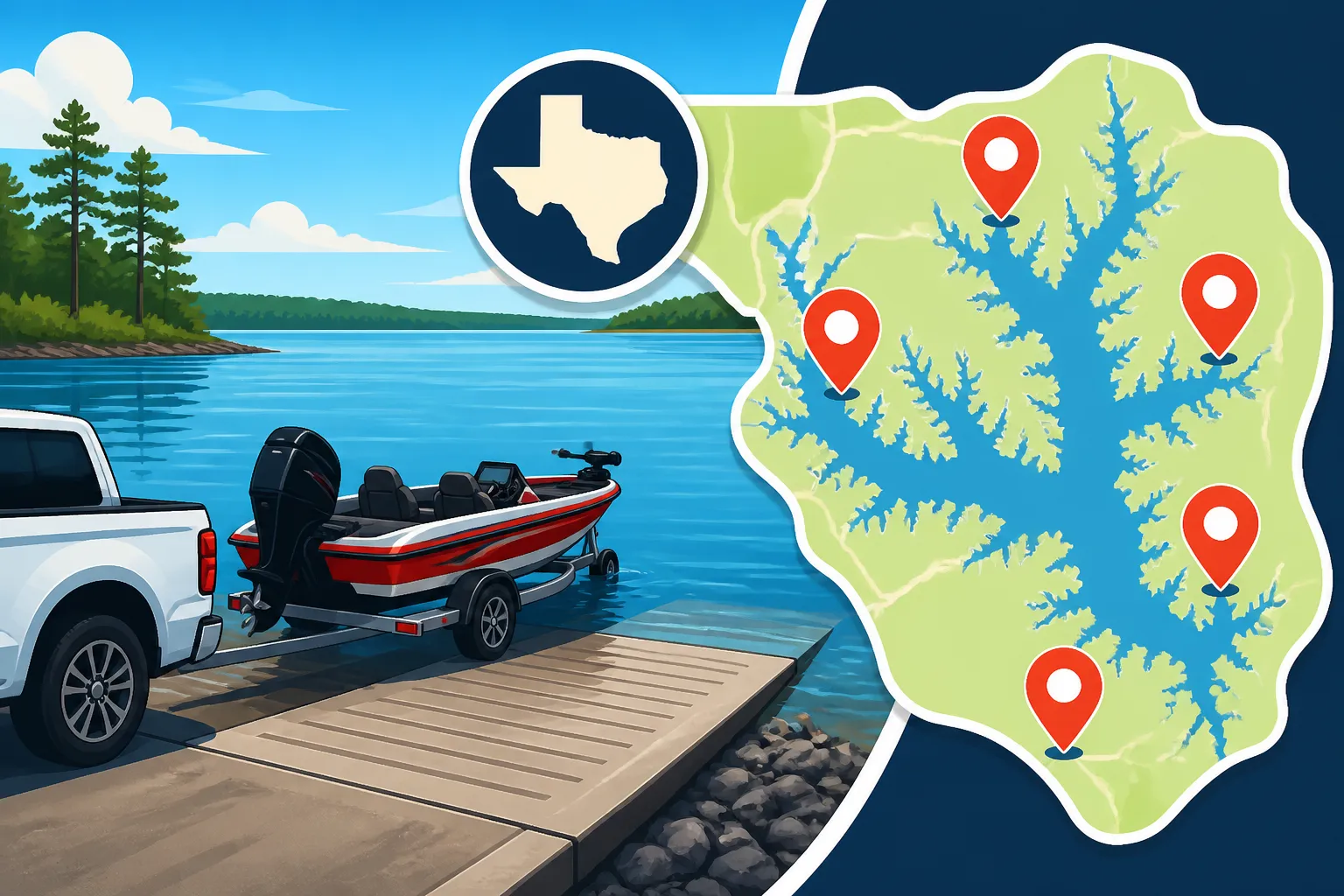
Lake Fork boat ramp locations
Navigating a colossal lake like Lake Fork, especially if you’re new to its vast waters or perhaps launching a new vessel, can feel like a daunting task. The sheer size and intricate coves mean that simply picking any old ramp can lead to wasted time, frustrating detours, or even safety concerns. This comprehensive guide is here to meticulously outline the prime boat ramp locations on Lake Fork, arming you with the detailed knowledge you need to choose wisely, launch effortlessly, and ultimately make the most of your invaluable time chasing those legendary Texas lunkers.
Understanding Lake Fork's Unique Layout and Ramp Challenges
Lake Fork isn't just another body of water; it's a sprawling, stump-filled paradise specifically engineered for trophy bass fishing. But with that incredible habitat comes a unique set of challenges when it comes to getting your boat in and out. It's not uncommon to hear tales of anglers driving miles out of their way because they didn't realize how the lake's fingers and coves can complicate access. Knowing the lay of the land, or in this case, the water, is crucial.
The Expansive Nature of Lake Fork
Imagine a lake that boasts over 27,000 acres and nearly 315 miles of shoreline – that's Lake Fork. It's truly massive, a testament to Texas-sized ambitions. This immense footprint means that choosing a boat ramp isn't just about finding the closest point to the water. It's about strategically selecting a launch that puts you in the general vicinity of where you plan to fish, minimizes travel time across potentially rough water, and provides amenities suitable for your specific needs. What might be a perfect launch for someone targeting bass near the dam could be an hour's run for another angler headed to the north end's timber. Furthermore, the lake is incredibly irregular, with countless coves, inlets, and islands, all of which contribute to its renowned fishing but also its navigational complexity. You can spend a whole day just exploring new areas, which is part of its charm, but also why a good ramp choice is paramount. If you're planning a trip to this iconic fishery, you might also want to consult a full Lake Fork Fishing Guide to get a better sense of the overall layout and prime areas.
Water Level Fluctuations and Their Impact on Ramps
One of the most significant, and often frustrating, factors affecting boat ramp usability on Lake Fork is the fluctuation of its water levels. Texas weather, as we all know, can be a wild ride, and extended droughts or periods of heavy rainfall can drastically change the lake's conditions. What was a perfectly good ramp last month might be unusable this month if the water drops significantly. Conversely, extremely high water can sometimes make ramps too steep or obscure underwater hazards near the launch. It's not uncommon for some ramps to develop "lips" or drops at the end due to sediment accumulation or erosion when water levels are consistently low, which can be tough on trailers and boats alike. Always, always check the current lake level before you head out. A quick search for "Lake Fork water level" will usually bring up the most recent data from the Sabine River Authority or TPWD. This proactive step can save you a world of headache, preventing a wasted drive or a potentially damaging launch. Many local bait shops and marinas are also excellent sources of real-time information regarding ramp conditions.
Key Public Boat Ramp Locations and Their Amenities
For many anglers, public boat ramps offer the most straightforward and cost-effective way to access Lake Fork. These ramps are maintained by public entities, typically the Texas Parks and Wildlife Department (TPWD) or local authorities, and generally offer free access. However, "free" doesn't always mean "identical," and understanding the nuances of each can make a big difference in your experience.
Lake Fork Public Access Ramp (FM 17)
This ramp, often simply called the FM 17 ramp, is one of the most popular and frequently used public access points on the lake. Its popularity stems from its central location, offering relatively good access to various parts of the lake. You'll find it on the west side, right off FM 17, which makes it easy to get to from many directions.
Pros:
- Central Location: Provides a good starting point for exploring both the northern and southern arms of the lake. Many prime Lake Fork Bass Fishing Hot Spots are within a reasonable run from here.
- Good Parking: Generally offers ample parking, even on busy tournament days, though it can fill up quickly during peak season weekends.
- Decent Facilities: Typically includes restrooms, a cleaning station, and sometimes even picnic areas, making it convenient for longer days on the water.
- Multiple Lanes: Often features more than one launch lane, helping to alleviate congestion during busy periods, though patience is always a virtue on a busy Saturday morning.
Cons:
- High Traffic: Its popularity means it can get incredibly busy, leading to longer wait times to launch or retrieve, especially during major tournaments or prime fishing weekends.
- Water Level Sensitivity: Like many ramps, it can be affected by extreme low water, though generally less so than some others due to its design. Always confirm current conditions.
Hypothetical Scenario: Imagine you've driven a couple of hours from Dallas, loaded with anticipation for a day of fishing. You arrive at FM 17, and it's buzzing with activity. Having multiple lanes means you're not stuck behind a single truck struggling to back down, and the nearby restrooms are a welcome sight after the drive. You can quickly launch, park, and be on your way, perhaps heading directly to the mid-lake humps or the numerous timber stands nearby.
Highway 515 Bridge Boat Ramp
Located on the northern arm of Lake Fork, the Highway 515 Bridge ramp is another excellent public option, particularly if your fishing plans lean towards the upper end of the lake. It's situated directly off Highway 515, making it highly visible and easy to find.
Pros:
- Access to North Lake: Ideal for anglers looking to fish the upper reaches, closer to the inflow of Little Caney Creek and other northern tributaries.
- Less Crowded (Sometimes): While still popular, it can sometimes be a bit less congested than the FM 17 ramp, especially if there isn't a major tournament focused on the northern end.
- Convenient Location: Easy pull-off from the highway, typically with a smooth approach.
Cons:
- Limited Amenities: May have fewer amenities compared to FM 17; typically a basic ramp with parking. Restrooms might be porta-potties or nonexistent.
- Water Level Issues: This ramp can also be sensitive to low water conditions, potentially limiting access during prolonged droughts.
Practical Advice: If you're planning to focus on the feeder creeks up north, especially during the spring white bass run or if you're trying to escape the heavy recreational traffic of the main lake, this ramp is a fantastic choice. However, a quick check of its status on local forums or by calling a nearby bait shop is a smart move before you commit to the drive. This area is often good for understanding Texas White Bass Run Timing.
Little Caney Creek Boat Ramp
Tucked away on the northeastern side of the lake, the Little Caney Creek Boat Ramp offers access to a rich, timber-filled area that's a favorite among many trophy bass hunters. This ramp is a bit more secluded, providing a different vibe than the bustling central ramps.
Pros:
- Prime Fishing Access: Puts you right in the heart of some incredible timber fishing, especially for big bass. It's often where anglers target trophy fish for the Texas Largemouth Bass Fishing Guide or the ShareLunker program.
- Potentially Quieter: Due to its slightly more remote location, it often experiences less overall traffic, making for a more peaceful launch.
- Scenic Surroundings: The area around Little Caney Creek is incredibly picturesque, with dense timber and quiet coves.
Cons:
- Access Road: The roads leading to this ramp can sometimes be a bit rougher or less maintained than those leading to major highway ramps.
- Very Sensitive to Water Levels: This ramp is notoriously sensitive to dropping water levels. It's often one of the first ramps to become unusable when the lake is low, and the approach can be very shallow.
- Limited Parking: Parking can be more limited, especially for large truck and trailer setups.
Angler's Tip: If you're a serious bass angler with a smaller boat or a seasoned pro who knows the lake's contours even in low water, and you're targeting the northern timber, this ramp is a gem. However, if you're in a big bass boat and the water is below normal pool, you might want to consider alternative options to avoid any prop or hull damage.
Birch Creek Boat Ramp
Located on the southeastern side of Lake Fork, the Birch Creek Boat Ramp provides another excellent public option, especially for those wanting to explore the southern reaches of the reservoir. It's found off FM 2946, offering a good base for navigating the large main lake area and numerous coves.
Pros:
- Southern Lake Access: Perfect for accessing the southern portions of the lake, including the main lake and various coves and creek channels that feed into it from the south.
- Generally Well-Maintained: Like other major TPWD ramps, it’s usually kept in good condition, with a solid concrete ramp.
- Good for Larger Boats: The ramp is typically wide and deep enough to accommodate larger bass boats and recreational vessels without much issue, provided water levels are adequate.
Cons:
- Can Get Busy: While perhaps not as high-traffic as FM 17, it can still see significant use, especially on weekends or during popular fishing seasons when anglers head to the southern end of the lake for Texas Bass Spawning Season Guide activities.
- Exposure to Wind: Depending on wind direction, the ramp can be more exposed to chop, making launching and loading a bit more challenging, especially for single-person operations.
Real-world scenario: You're planning to fish the structure and points in the wider main lake, perhaps using electronics to locate deep hydrilla or submerged timber. The Birch Creek ramp offers a direct route to these areas, minimizing long runs from the far ends of the lake. It's also a good choice if you're staying at one of the lodges or cabins on the southeastern side of Lake Fork, as it’s conveniently located.
Here's a quick comparison of some public ramps:
| Ramp Name | Location | Key Features | Best For | Water Level Sensitivity |
|---|---|---|---|---|
| FM 17 Public Access Ramp | Mid-West | Central, good parking, restrooms, multiple lanes | General access, mid-lake fishing, popular | Moderate |
| Highway 515 Bridge Boat Ramp | North-Central | Access to northern lake, easy highway access | Northern creeks, spring fishing, white bass runs | Moderate to High |
| Little Caney Creek Boat Ramp | Northeast | Secluded, direct access to dense timber fishing | Trophy bass fishing, experienced anglers | High |
| Birch Creek Boat Ramp | Southeast | Access to southern lake, good for main lake structure, generally wider | Southern lake, structure fishing, larger boats | Moderate |
Marina and Resort Boat Launch Options
While public ramps are fantastic, sometimes you want a little more convenience, security, or perhaps a more comprehensive suite of services. This is where the various marinas and resorts around Lake Fork really shine. These private facilities often charge a launch fee, but in return, they typically offer better amenities, more sheltered launching, and often, invaluable local knowledge.
Lake Fork Marina & Hotel Boat Ramp
Lake Fork Marina & Hotel is one of the most iconic and comprehensive facilities on the lake. Located strategically on the western side, near the main lake body, it's a hub of activity and an extremely popular choice for both serious anglers and casual visitors.
Pros:
- Full-Service Facility: Offers everything from a well-maintained ramp to fuel, bait and tackle, a store, restaurant, and lodging. It's truly a one-stop shop.
- Excellent Condition: Their ramps are typically in superb condition and are generally less affected by moderate water level fluctuations due to constant maintenance and deeper access.
- Sheltered Launch: Often provides a more sheltered launch experience, reducing the impact of wind and chop compared to open public ramps.
- Expert Advice: The staff here are usually long-time residents and avid anglers, offering real-time fishing reports and advice, which can be invaluable, especially if you're looking for Best Time of Year to Fish in Texas.
Cons:
- Launch Fees: Expect to pay a fee for launching, which can add up if you're fishing multiple days.
- Busy: As a full-service destination, it can get very busy, especially on peak weekends and during major tournaments.
Why Choose This Ramp: If you're a tourist, staying on the lake, or just want the convenience of having everything you might need for your fishing trip in one place, Lake Fork Marina & Hotel is an excellent choice. It’s also where you'll often find Lake Fork bass fishing guides and charters operating from, adding to the expert atmosphere. You can launch, fuel up, grab a sandwich, get fresh bait, and be on the water in minutes.
Minnow Bucket Marina
Situated on the eastern side of Lake Fork, Minnow Bucket Marina is another long-standing and respected establishment. It might not have all the bells and whistles of a larger resort, but it’s known for its friendly service, excellent bait selection, and direct access to some fantastic fishing grounds.
Pros:
- Great Bait and Tackle: Many anglers swear by their live bait selection and local tackle offerings, specifically curated for Lake Fork fishing.
- Local Charm: Offers a more rustic, classic "fish camp" feel that many anglers appreciate, with a focus on core fishing needs.
- Direct Access to East Side: Puts you right into the eastern arms and coves of the lake, which can be less pressured than the central basin areas.
- Friendly Staff: Often run by passionate anglers who are happy to share tips and current lake conditions.
Cons:
- Fewer Amenities: You won't find a full restaurant or hotel like at some larger resorts, though they usually have basic snacks and drinks.
- Launch Fee: A launch fee is typically required.
- Potentially Less Sheltered: Depending on the exact ramp location and prevailing winds, it might be slightly more exposed than a fully enclosed marina.
Consider this: If you prioritize quality live bait, local knowledge, and direct access to the eastern timber and coves without the hustle and bustle of a major resort, Minnow Bucket Marina is a fantastic option. They often have solid intel on where the fish are biting, which can be invaluable for figuring out How to Fish for Bass in Texas.
A Big Lake Lodge & Marina
Another solid option, often on the southern end of the lake, is A Big Lake Lodge & Marina. While the name might vary slightly over time or with ownership changes, these types of establishments cater to anglers looking for a place to stay with integrated boat access.
Pros:
- Stay and Play Convenience: Ideal if you're planning an extended fishing trip and want to stay on-site with your boat, often offering cabins or RV hookups.
- Dedicated Ramps: Ramps are typically for lodge guests or paying customers, meaning they can sometimes be less crowded than public options.
- Secure Parking: Often provides more secure parking for your truck and trailer while you're out on the water.
Cons:
- Launch Fee: As with most private facilities, a launch fee will apply.
- Limited Public Access: Some of these ramps might prioritize their guests, and public launch access could be limited or only available during specific hours.
Finding the Right Fit: For a multi-day trip, especially if you're coming from out of town, consider a lodge or marina like A Big Lake. It streamlines your trip by combining lodging, boat access, and often a bait shop all in one spot. When planning such a trip, remember that many guides can be booked through platforms like FishingBooker, making it easy to find local experts who might even operate out of these very marinas, offering an all-inclusive experience.
Choosing the Right Ramp for Your Trip
Selecting the perfect boat ramp isn't just about location; it's about making a strategic decision based on several factors unique to your fishing trip. Thinking through these points beforehand can save you time, effort, and potential headaches on the water.
Considerations for Different Boat Types and Watercraft
Not all boats are created equal, and neither are all boat ramps. What works perfectly for a 20-foot bass boat might be overkill or even problematic for a kayak. Understanding these distinctions is key.
Large Bass Boats and Offshore Rigs:
If you're launching a sizable bass boat or a larger bay boat (though bay boats are less common on Fork unless you're truly just cruising), you need a wide, deep ramp with a gradual slope. Ramps like FM 17 or Lake Fork Marina are typically excellent choices. They offer multiple lanes, ample maneuvering room, and often have deeper water at the end of the ramp, reducing the risk of hitting bottom with your prop or skeg. For these larger vessels, especially if you're participating in a tournament, ease of access and quick turnaround at the ramp are paramount. You'll also want to consider the overall condition of the ramp – cracks, drop-offs, or excessive algae can be challenging for heavy boats.
Smaller Boats, Jon Boats, and Aluminum Rigs:
For smaller, lighter vessels like jon boats or smaller aluminum fishing boats, you have a bit more flexibility. While you can use the larger ramps, you might find some of the less-used public ramps, like those tucked into coves, to be perfectly adequate, provided water levels are good. These smaller boats are often less sensitive to shallow water at the end of the ramp and can navigate tighter turns in the parking area. However, always ensure there's enough firm ground for your tow vehicle. Remember, even if your boat is small, Texas Boat Registration Requirements still apply if it's motorized.
Kayaks and Canoes:
For paddlecraft, dedicated kayak launches are rare on Lake Fork, so you'll generally use the same boat ramps as motorized vessels. The key difference is that you don't need a deep, wide ramp. Look for ramps with easy bank access nearby or designated hand-launch areas. If using a main ramp, be considerate of those launching larger boats and try to stay out of the way. Many anglers will simply find a shallow, sandy bank near a public ramp to slide their kayak in. The main concern here isn't the depth of the water at the ramp, but rather having a safe, accessible spot to put in and take out without interfering with trailer boats. If you're wondering Is Lake Fork good for bank fishing?, some of these access points can serve a dual purpose for land-based anglers too.
Matching Ramps to Your Fishing Strategy
Your fishing goals for the day should heavily influence your ramp choice. Are you chasing trophy bass in the timber, seeking out crappie in brush piles, or simply enjoying a leisurely day on the water?
Targeting Northern Timber and Creeks:
If your primary goal is to fish the dense timber stands and creek channels in the northern reaches of Lake Fork, perhaps for some early season bass, then ramps like Highway 515 Bridge or Little Caney Creek are your best bet. These ramps minimize the long run across the main lake, putting you directly into the action. This is especially important on windy days, as crossing large expanses of open water can be rough and consume precious fishing time. Knowing where the Texas Largemouth Bass Length Limits apply is also critical, especially if you're pulling big fish from these areas.
Exploring Main Lake Structure and Deep Water:
For those who prefer to fish the main lake’s deeper humps, ledges, and hydrilla beds, or if you're looking for How deep is Lake Fork Texas to find those deep summer patterns, then a central ramp like FM 17 or even Birch Creek offers excellent access. These ramps allow you to quickly reach different sections of the lake without having to commit to one far end. This flexibility is great for days when you're still figuring out the bite or want to try multiple techniques across diverse structures.
Crappie and Catfish Hotspots:
Crappie and catfish anglers often focus on different areas than bass fishermen, typically targeting brush piles, submerged structures, or creek channels. While any ramp can get you there, choosing one that's closer to known Texas Crappie Bag Limits or Texas Catfish Bag Limits areas can save you travel time. Local knowledge from bait shops near particular ramps can be invaluable here. Sometimes, the quieter, smaller ramps might even put you closer to these less-pressured spots.
Navigating Busy Periods and Special Events
Lake Fork is a world-renowned fishery, and with that prestige comes popularity. Knowing how to navigate busy periods, like weekends, holidays, or major fishing tournaments, is crucial for a smooth launch experience.
Weekends and Holidays:
Unless you enjoy waiting in line, try to arrive at popular ramps like FM 17 or Lake Fork Marina early on weekends and holidays. "Early" on Lake Fork can mean before sunrise. The biggest frustration often comes from congestion, both on the ramp and in the parking lot. Having your boat prepared before you get to the ramp (straps off, plug in, lines untied) is a courtesy that speeds things up for everyone. If you’re not an early riser, consider using a less-trafficked ramp if your fishing spot allows for it, or opting for a private marina that might offer faster service, even with a fee.
Fishing Tournaments:
Lake Fork hosts numerous bass tournaments throughout the year, from local club events to large regional and national competitions. Tournament days are notoriously busy, especially at primary ramps. Check local fishing calendars or call marinas to see if a tournament is scheduled on the day you plan to visit. If there is, and you're not participating, consider fishing another day, launching from a less popular ramp, or using a private marina which often has dedicated facilities for tournament launches, meaning non-competitors might find it less crowded. For those interested in competitive angling, knowing How to Fish a Texas Bass Tournament might even include specific advice on pre-tournament ramp strategies.
General Courtesy and Safety:
Regardless of which ramp you choose, remember basic ramp etiquette: be prepared to launch or retrieve when it's your turn, don't block the ramp unnecessarily, and be mindful of other boaters and their vehicles. Always have your Beginner Fishing Gear Checklist for Texas ready, and ensure your boat's safety equipment is in order before leaving the ramp. These simple courtesies make everyone's experience better and safer, ensuring that your day on Lake Fork starts and ends on a positive note.
Disclaimer
Please be aware that water levels, ramp conditions, and facility availability can change rapidly due to weather, maintenance, or other factors. Always check current conditions before planning your trip to Lake Fork. This guide provides general information and recommendations, but it is the individual angler's responsibility to verify access and adhere to all local regulations and safety guidelines.