How to Read a Texas Lake Fishing Report
It can be incredibly frustrating to hit the water, full of anticipation, only to spend hours without a single bite, wondering what you're doing wrong. Many anglers feel this pain, pouring time and effort into a fishing trip that yields little success because they're relying on guesswork instead of solid information. This comprehensive guide will pull back the curtain on Texas lake fishing reports, teaching you how to read, understand, and apply the valuable insights they offer, transforming your luck on the water.
The Anatomy of a Texas Fishing Report
Think of a fishing report as a snapshot, a timely glimpse into what’s happening beneath the surface of your favorite lake. But just like any photograph, you need to know how to interpret the details to truly appreciate the full picture. A good report isn't just about what fish were caught; it's about why they were caught and how you can replicate that success.
Understanding the Source and Credibility
Not all fishing reports are created equal, and knowing where the information comes from is crucial for deciding how much weight to give it.
Often, you'll find reports authored by professional fishing guides who spend hundreds of days a year on the water. These guides, like those specializing in the productive waters of Lake Fork or Sam Rayburn Reservoir, are invaluable sources. They live and breathe fishing, constantly adapting to conditions, and their reports reflect real-time, on-the-water experience. When a guide posts a report, they're often sharing patterns that they've personally validated over recent days. The detail in their reports can be phenomenal, often including specific depths, lure colors, and retrieve speeds. You might also encounter reports from local tackle shops. These shops are hubs for local knowledge, gathering anecdotes and observations from dozens of anglers passing through their doors daily. They often compile this into a general report that gives a wider, albeit sometimes less precise, overview of what's working across different areas of the lake.
Then there are state-issued reports, often from the Texas Parks and Wildlife Department (TPWD), which are typically broader and might cover larger regions or multiple lakes with less day-to-day specificity. While highly reliable for general trends and stocking information, they might not tell you exactly where the redfish are biting in Galveston Bay this afternoon. The key is to consider the immediacy and localized expertise of the source. A report from a seasoned guide on a specific lake will usually offer more actionable intelligence than a generic statewide overview, especially if you're targeting a particular species.
Key Sections and What They Mean
Once you've assessed the source, it's time to dive into the report's content. While formats vary, most reports share common elements.
First, you’ll always see the lake name and the date range the report covers. This seems obvious, but the date range is critical. A report from three weeks ago, especially if a major weather front has moved through, might be completely irrelevant today. Always look for the most current information possible. Next, reports typically break down information by species targeted – Largemouth Bass, Catfish, Crappie, Striped Bass, or perhaps Redfish and Speckled Trout if you're on the coast. Under each species, you'll find details on general conditions and techniques. This is where the real meat of the report lies. It might say something like, "Largemouth bass are excellent, schooling over deep humps early, then moving to shallow cover later in the day." This immediately gives you a time frame and a location clue.
Furthermore, look for mentions of specific areas on the lake. Instead of just saying "bass are biting," a good report will pinpoint locations like "the north end of the lake near the State Park," or "creek channels in the middle of the reservoir." These geographic pointers are gold for narrowing down your search. Reports might also include water conditions like temperature, clarity, and level, which we’ll discuss in more detail. They also often list recommended baits and lures, sometimes even down to specific colors or sizes. Paying attention to these details can save you a lot of trial and error on the water.
Decoding Environmental Factors in Reports
Environmental factors are the unsung heroes and villains of any fishing trip. They dictate where fish will be, what they'll eat, and how aggressively they'll bite. Fishing reports often give clues about these conditions, but it's up to you to understand their implications.
Water Conditions: Temperature, Clarity, and Level
These three factors are fundamental. Fish are cold-blooded creatures, meaning their metabolism and activity levels are directly tied to water temperature.
Water temperature is arguably the most critical environmental factor. Every species has a preferred temperature range for feeding, spawning, and general activity. For example, during the Texas Bass Spawning Season Guide, largemouth bass become very active in the shallower parts of lakes when water temperatures hit the mid-60s. If a report indicates water temperatures in the low 50s, you know bass will likely be lethargic and hunkered down in deeper water or heavy cover, requiring a slower presentation. Conversely, in the scorching How to Fish in Hot Texas Summers, when surface temps can hit the high 80s or even 90s, fish will seek cooler, deeper water or shade, often feeding during low-light hours. A report mentioning rising water temperatures after a cold front might signal a tougher bite as fish adjust, while stable, favorable temperatures suggest consistent activity.
Water clarity tells you a lot about lure choice and presentation. Is the water muddy, stained, or clear? Muddy water, often found after heavy rains or significant runoff, usually means fish rely more on scent and vibration, so loud, dark-colored baits or natural baits are often recommended. Imagine fishing a dark-stained lake where you can only see a few inches into the water; a bright chartreuse crankbait with a rattle would be a better choice than a subtle, natural-colored soft plastic. Conversely, in crystal-clear lakes, fish are more wary and have excellent visibility. Here, subtle presentations, natural colors, and lighter line (like fluorocarbon) are key. A report might say "clear water, sight-fishing for redfish on the flats" or "stained water, try a loud lipless crankbait." Understanding these nuances helps you select the right tools for the job. You can even find great selections of specialized lures for different water clarities on sites like Amazon.
Water level can dramatically change a lake's landscape. High water levels, perhaps from recent flooding, can open up new areas of flooded timber or vegetation, providing new cover and feeding grounds for fish. Bass might move further back into these newly flooded areas, making them harder to reach. Low water levels, common during dry Texas summers, can concentrate fish in smaller areas, expose old creek channels, or make certain boat ramps unusable. This can be a double-edged sword: concentrated fish can mean easier catches, but they can also be more pressured. A report detailing "low lake levels, focus on main lake points and channel swings" gives you an immediate spatial advantage. Monitoring local lake level reports from agencies like the USGS, especially for larger reservoirs like Lake Livingston or Canyon Lake, can offer crucial context to complement fishing reports.
Weather Impact: Wind, Fronts, and Barometric Pressure
The weather above the water is just as important as the conditions below.
Wind is a powerful force that can create a "current" in lakes, pushing baitfish and concentrating game fish along windblown banks or points. A moderate chop on the water surface also breaks up light penetration, making fish feel more secure and less wary, often leading to a better bite. Reports often specify wind direction and speed. For instance, "a south wind has bait pushed up on the north shore" tells you exactly where to start. However, too much wind can make boat control difficult and fishing unpleasant, especially for finesse techniques. Understanding How Wind Affects Bass Fishing on Texas Lakes is critical; a strong north wind after a cold front can shut down a bite, while a steady breeze from the south can activate it. Always check the wind forecast for your target lake.
Fronts, particularly cold fronts, are notorious for their impact on fishing. A report might mention "pre-front bite was fantastic," followed by "post-front has been tough." This is a classic pattern. Before a cold front arrives, especially with dropping barometric pressure and increasing cloud cover, fish often go on a feeding frenzy, sensing a change in the weather. After the front passes, bringing clear skies, high pressure, and colder temperatures, fish often become lethargic and harder to catch. They might move deeper or become less aggressive. Learning to anticipate these changes by checking weather forecasts and relating them to fishing reports can significantly improve your timing. This knowledge helps you understand why Best Time of Year to Fish in Texas varies so much.
Barometric pressure is a less obvious but equally important factor. Fish, having a swim bladder, are sensitive to changes in atmospheric pressure. A falling barometer (indicating an approaching front or storm) often correlates with increased fish activity, as they become more comfortable and actively feed. A rising or high, stable barometer (typically after a cold front) can make fish feel uneasy or put them in a neutral to negative mood, leading to a tougher bite. Reports might not always explicitly state barometric pressure, but they will describe the impact of passing fronts. Knowing that a "high-pressure system moved in" implies fish might be deeper and less willing to chase, prompting you to slow down your retrieve or use more subtle baits.
Interpreting Species-Specific Information
Fishing reports excel at providing tailored advice for different fish. Each species has its own quirks, preferred habitats, and feeding patterns, and good reports will reflect this specialized knowledge.
Bass Reports: Depths, Lures, and Patterns
When a report talks about bass, whether it's the trophy Texas Largemouth Bass Fishing Guide or the feisty Guadalupe Bass, it’s usually packed with details that help you connect the dots.
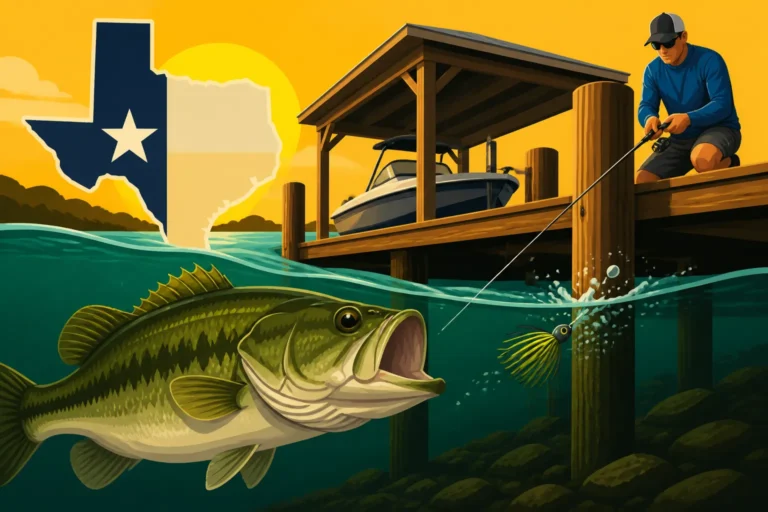
Reports will frequently specify depths where bass are being caught. In spring, you might read about "bass in 2-5 feet of water, spawning around submerged vegetation." In summer, it might shift to "bass holding on deep ledges in 15-25 feet, near thermoclines." This tells you whether to focus on shallow banks or deep structure. For example, if you're hitting Lake Grapevine, and the report says bass are holding on main lake points in 12-18 feet, you know to focus your search on those specific depth contours rather than randomly casting into shallow coves. These reports often highlight transitions, such as "bass moving from deep wintering holes to pre-spawn staging areas," indicating a shift in their behavior and location.
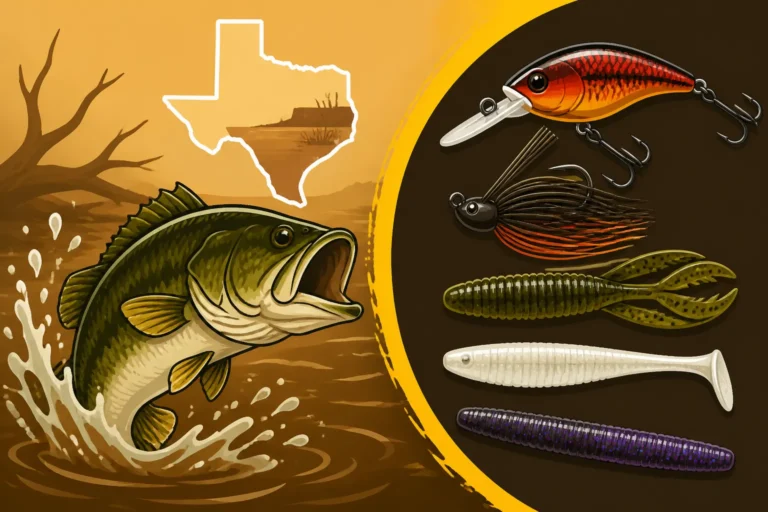
The lures section is where reports really shine. You'll see mentions of classic Texas bass baits like "Texas rigs with creature baits," "deep-diving crankbaits in shad patterns," "spinnerbaits around timber," or "topwater frogs in hydrilla." Sometimes they'll even suggest specific brands or colors. If a report from Lake Fork, famous for its big bass, mentions a "chartreuse and blue crankbait bite on main lake humps," you'd be wise to tie one on. The effectiveness of a particular lure type is often linked to the specific pattern. For instance, "bass are chasing shad in open water, try a chrome Rat-L-Trap" gives you both the target forage and the ideal lure. Always consider having a variety of these reported lures in your tackle box, maybe picked up from Amazon, to match what the fish are currently preferring.
Beyond just depths and lures, reports often describe overarching patterns. A pattern is simply what the fish are doing consistently. This could be "targeting baitfish schooling on the surface," "ambushing crawfish around rocky banks," or "holding tight to submerged timber." Identifying the pattern allows you to replicate success across similar areas of the lake. For example, if the report says bass are "chasing white bass during the Texas White Bass Run Timing in river arms," you know to head upriver and look for schooling activity. These patterns are dynamic and change with seasons, weather, and lake conditions, so current reports are essential for staying on top of them.
Catfish and Crappie: Rigging and Locations
Different species require different approaches, and reports usually give clear directives for these popular Texas targets.
For catfish, particularly the Texas Catfish Species Guide like channel, blue, and flathead, reports focus on specific rigging and bait choices. You'll often read about "cut bait on trotlines in river channels," or "prepared stink baits fished on the bottom in brush piles." For instance, a report for Lake Livingston might advise, "Blue catfish are being caught on fresh shad fished on rod and reel along the main river channel ledges, especially at night." The best time of day and the preferred bait are frequently mentioned. Knowing that juglines are productive in certain areas or that live perch are key for flatheads can save you a lot of time. Reports will highlight productive depths, which might range from shallow flats after a rain to deep holes in summer.
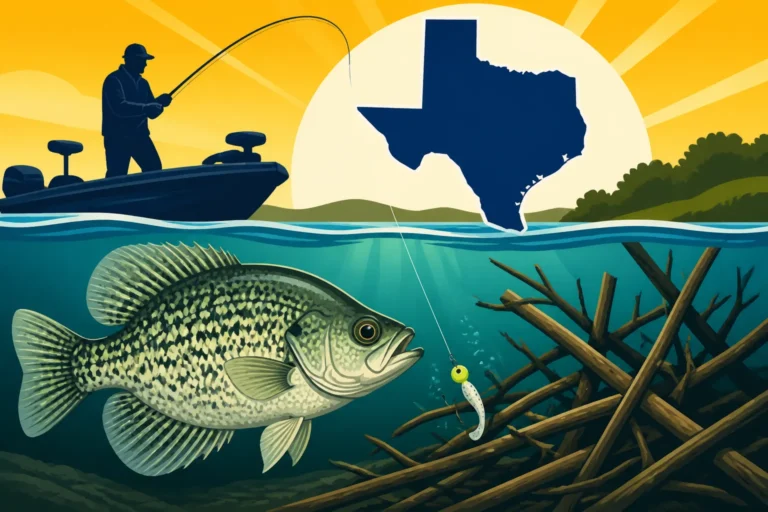
Crappie reports almost always emphasize structure and bait. You'll hear about "crappie schooled up in brush piles," "under docks in 10-15 feet," or "around bridge pilings." Specific lures like "small jigs in chartreuse and black" or "live minnows" are commonly recommended. If a report states, "White crappie are biting well on minnows under boat docks at Lake Conroe," you know exactly where to go and what to use. Reports are particularly helpful for crappie because they often move in distinct schools and relate tightly to specific types of cover. Understanding How to Catch Crappie in Cold Water is critical, as their behavior changes dramatically with temperature, and reports will guide you to where they've hunkered down.
Striped Bass and White Bass: Schooling and Runs
These powerful open-water fighters are often found by tracking their movements and feeding frenzies.
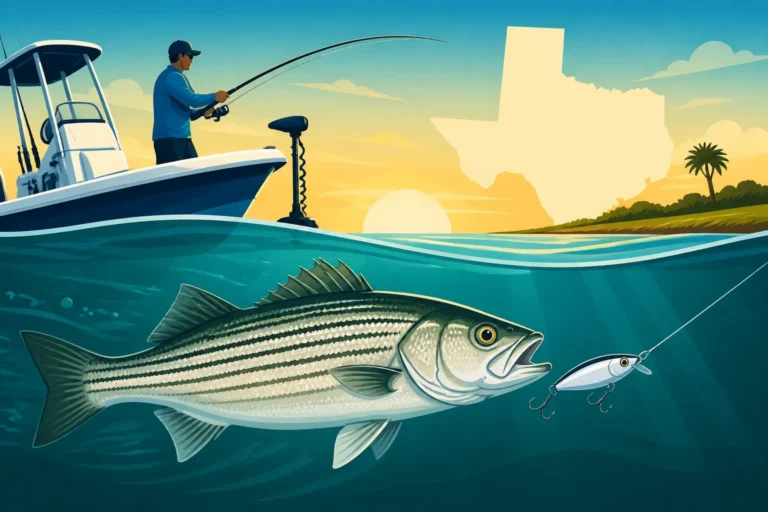
Striped bass reports, especially for lakes like Lake Texoma or Lake Whitney, revolve around schooling behavior and baitfish. You'll often read about "stripers chasing shad on the surface early morning" or "holding over deep humps in 30-50 feet, jigging spoons or live bait." They might even mention specific sections of the lake where baitfish are most concentrated. If a report says, "Striper schools are breaking on the surface near the Dam at Lake Texoma," it's time to get there fast with your topwater lures or Kastmasters. During the Best Time to Catch Striped Bass in Texas, knowing where the bait is often means knowing where the stripers are.
White bass are famous for their spring runs up rivers and their aggressive schooling. Reports during the spring will be filled with phrases like "white bass running up the Trinity River," or "schooling aggressively in open water, chasing shad." Lures like small inline spinners, Slabs, or sassy shads are perennial favorites. If you see a report detailing "excellent white bass action upstream of Lake Livingston on small jigs and chrome spoons," you know it's time to grab your ultralight gear and head for the river. These reports are particularly time-sensitive, as the runs can be intense but short-lived.
Translating Report Jargon into Actionable Strategies
Fishing reports often use a specialized vocabulary. Learning this jargon is like getting a secret decoder ring, allowing you to turn vague statements into clear action plans.
Understanding "Pattern" and "Bite" Descriptions
These terms are central to interpreting success on the water.
When a report mentions "the bite," it's describing the overall activity level of the fish. A "good bite" or "hot bite" means fish are actively feeding and relatively easy to catch. Conversely, a "tough bite" or "slow bite" indicates fish are lethargic, pressured, or simply not interested in eating, requiring more patience and finesse. For instance, a report might say, "The crappie bite has been slow during the midday heat but picks up significantly at dusk," giving you a specific window of opportunity. It's not just about if they're biting, but when and how aggressively. This helps manage expectations and strategize your approach, whether you need to fish slower or use more tempting baits.
A "pattern" is a recurring set of conditions and behaviors that lead to consistent catches. It’s what connects the dots between different successful catches. If a report says, "The dominant pattern for bass is a Carolina rig fished on points with scattered stumps in 15 feet of water," it’s telling you that fish are associating with a specific type of structure, at a certain depth, and responding to a particular presentation. This is invaluable. It means if you find one such point and catch fish, you can look for similar points on your How to Find Bass on a New Lake mission and expect similar results. The beauty of a pattern is that it's repeatable. It's not just a single spot, but a blueprint for success across multiple locations on the lake.
Gear and Technique Recommendations
This is where reports get practical, often detailing the exact tools and methods needed.
Reports will frequently provide specific lure types, colors, and sizes. For example, "Largemouth bass are hitting black and blue jigs," or "Redfish are crushing white Gulp! Shrimp under popping corks." This direct advice saves you from bringing a tackle box full of options and guessing. The color choice is particularly important; Best Lure Colors for Stained Water differ greatly from those effective in clear water. If a report from Galveston Bay says "speckled trout are hitting soft plastics in electric chicken color," you better make sure you have some of those in your tackle bag. This is a perfect scenario to quickly hop on Amazon and stock up on those specific lure recommendations before your trip.
Beyond just lures, reports might recommend retrieval speeds, depths, and overall techniques. "Slow roll a spinnerbait along hydrilla beds," "twitch a topwater bait quickly over schooling fish," or "vertical jig spoons on deep structure." These are instructions on how to present your lure. If a report for Lake Texoma's striped bass says, "Fish are holding tight to bottom structure, requiring a fast retrieve of a heavy spoon," you'd know that a slow, subtle retrieve wouldn't cut it. They might even suggest specific gear setups, like "a medium-heavy rod with 15lb fluorocarbon is ideal for punching through mats." These details are vital for translating the report's intelligence into actual catches.
| Report Term | Meaning | Actionable Insight |
|---|---|---|
| Hot Bite | Fish are aggressively feeding and easy to catch. | Fish actively and confidently; try faster retrieves or more aggressive lures. |
| Slow/Tough Bite | Fish are lethargic, pressured, or not feeding actively. | Slow down presentations, use finesse techniques, smaller baits, or target low-light periods. |
| Pattern | A repeatable set of conditions (depth, structure, lure) yielding fish. | Identify the pattern, then find similar areas on the lake to replicate success. |
| Breaking Fish | Fish (often stripers/white bass) are chasing bait on the surface. | Move quickly to the commotion; cast topwater, spoons, or small swimbaits into the school. |
| Holding Tight | Fish are nestled deep within cover or structure. | Use weedless baits, jigs, or slow-moving presentations to get into the cover; fish thoroughly. |
| Staging | Fish are gathering in an area before moving to spawn or feed heavily. | Target transition areas, creek channels, or points near spawning/feeding grounds. |
| Stained Water | Water has reduced clarity due to sediment or algae. | Use darker, brighter, or noisy lures; focus on scent; reduce leader visibility if clear sections exist. |
| Clear Water | Water is highly transparent. | Use natural colors, lighter lines, subtle presentations; avoid sudden movements; fish early/late or deep. |
| Windblown Banks | Areas where wind pushes baitfish and creates current. | Focus casts on these banks; fish the turbulence and foam lines where predatory fish ambush. |
| Post-Front | Conditions after a cold front (clear skies, high pressure). | Expect a slower bite; fish deeper, slower, and with finesse. |
| Pre-Front | Conditions before a cold front (falling pressure, cloud cover). | Expect an active bite; fish aggressively and capitalize on the feeding window. |
| Schooling Bait | Large groups of baitfish are present. | Focus efforts near baitfish schools; predatory fish will be nearby. Match lure size/color to baitfish. |
| Thermocline | Layer in deep water where temperature changes rapidly. | Fish often stack above or on the thermocline in summer; use electronics to locate. |
Combining Report Data with Your Own Observations
Fishing reports are powerful tools, but they’re not gospel. The most successful anglers use reports as a starting point, cross-referencing information and adapting to what they find on the water.
Cross-Referencing Multiple Reports and Local Knowledge
Never rely on just one report. Think of it like getting multiple opinions before making a big decision.
It's always a good idea to seek out and compare several reports for your target lake. One guide's report might focus heavily on bass, while another tackle shop's report might give more detail on crappie. By cross-referencing, you get a broader, more balanced picture and can identify consistent trends. If three different reports all mention that "redfish are concentrating on oyster beds near Port Aransas," that's a much stronger indicator than if only one source suggests it. Discrepancies can also be illuminating; if one report contradicts another, it might indicate localized conditions, different target species, or simply a difference in opinion, prompting you to investigate further yourself.
Beyond formal reports, tapping into local knowledge is invaluable. A quick stop at a local tackle shop like McBride's in Austin or Marburger's in Galveston can yield a treasure trove of real-time insights. The folks behind the counter often hear daily updates from dozens of anglers. They can tell you about specific hot spots that haven't made it into official reports or warn you about recent changes in water conditions. Don't be afraid to strike up a conversation with other anglers at the boat ramp or on the pier. They might share a tip or two, especially about minor details like specific bait shops or current ramp conditions. Engaging with the local fishing community is a fantastic way to supplement written reports.
Adjusting for Real-Time Conditions on the Water
The moment you launch your boat or cast your line, you become a real-time data collector. Reports are static; the lake is dynamic.
Remember that reports are snapshots in time. Conditions can change rapidly in Texas, sometimes within hours. A stiff wind can shift, a pop-up thunderstorm can muddy a cove, or a significant temperature drop overnight can alter fish behavior. For instance, a report might have suggested "topwater bite early," but if you arrive to find dead calm water with bright sun, fish might have already moved deeper. Your ability to observe and make on-the-water adjustments is paramount. Pay attention to water color, temperature changes, wind direction, baitfish activity, and even the presence of other anglers. If you're not getting bites with the reported lure or technique, don't be afraid to experiment. Change depths, retrieve speeds, lure colors, or even move to a different type of structure altogether. This flexibility is what separates truly successful anglers from those who merely follow instructions.
Think of it as problem-solving. If the report said fish were on points, but your fish finder shows nothing, perhaps they've moved into nearby creeks or along a different type of contour due to a recent change in current or weather. Having a diverse tackle box, easily assembled by ordering various baits from Amazon, and the confidence to try different things based on your observations will often lead to finding fish, even when the report isn't perfectly aligning with reality. This adaptation is a core skill in fishing and is particularly important in a state as vast and varied as Texas.
Leveraging Technology for Enhanced Reports
In today's digital age, fishing reports extend far beyond printed newsletters or bulletin boards. Modern technology offers incredible resources to make your trip planning more informed and dynamic.
Apps and Websites for Real-Time Data
The internet has revolutionized how we access fishing information, providing a wealth of options for staying updated.
Dedicated fishing apps like Fishbrain or websites like Texas Fishing Forum aggregates user-submitted reports from anglers all over the state. These platforms can offer truly real-time insights, sometimes even hourly updates, complete with photos and specific locations (though take precise coordinates with a grain of salt, as some anglers are reluctant to give up their secret spots). While user-submitted reports might lack the expertise of a professional guide, they offer a vast quantity of current information from a diverse range of anglers. It’s important to learn how to discern reliable posts from less credible ones; look for consistent information across multiple users, and give more weight to reports from experienced local anglers. Always check the date and time a report was posted to ensure its relevance.
Beyond specialized fishing platforms, general online forums and Facebook groups dedicated to specific Texas lakes or regions can be goldmines. For example, a Facebook group for "Lake Texoma Fishing" might have daily posts from individuals catching fish, discussing bait, and sharing current conditions. These sources can often highlight micro-patterns or sudden shifts in the bite that might not yet appear in more formal reports. The TPWD website is also an excellent, official source for Texas Fishing Seasons Month by Month and species-specific information, offering a reliable baseline, even if not minute-to-minute.
Lake-Specific Resources and Forecasts
To truly master the art of reading reports, you need to combine fishing intelligence with broader environmental data.
Many major Texas lakes have their own dedicated websites or pages on government agency sites (like the U.S. Army Corps of Engineers) that provide real-time lake levels, discharge rates, and even sometimes water temperatures. These are critical pieces of the puzzle that often provide context for what you're reading in a fishing report. If a report mentions "the bite is good in the flooded timber," and you check a lake level site and see the lake has risen several feet recently, you immediately understand why that pattern is occurring. Conversely, if a report implies fish are deep due to low water, you can verify the severity of the low water conditions yourself.
Integrating detailed weather forecasts is also essential. Use weather apps or websites that provide hourly forecasts for your specific lake, paying close attention to wind speed and direction, potential for rain, and most importantly, barometric pressure changes. Knowing that a strong cold front is expected to move through tomorrow evening means that today's "hot bite" might turn into tomorrow's "tough bite." Planning your trip around these forecasts, perhaps even stocking up on specific cold-front-friendly lures from Amazon, can significantly increase your chances of success. By combining these modern tools, you create a holistic picture of the fishing environment, allowing you to interpret reports with far greater accuracy and make more informed decisions on the water.
Disclaimer
The information provided in this guide is for general informational purposes only and is not intended as legal advice regarding fishing regulations. Always consult the official Texas Parks and Wildlife Department (TPWD) regulations before engaging in any fishing activities to ensure compliance with current laws and limits. Fishing conditions and regulations are subject to change.