How to fish a Texas Carolina rig
There's nothing quite like the frustration of hitting your favorite Texas lake, expecting those bass to bite like crazy, only to find them shut down, hugging the bottom, or scattered across deeper structure. When conventional tactics like shallow crankbaits or topwaters aren't cutting it, it's easy to feel defeated. This comprehensive guide is here to walk you through exactly how to fish a Texas Carolina rig, transforming those tough days into productive ones by unlocking the secrets to catching finicky bass that are holding deep.
Understanding the Carolina Rig and Why it Works in Texas
The Carolina rig is a true classic in the bass fishing world, especially here in Texas. It's a technique that’s been proven time and again to catch bass when they're not willing to chase a fast-moving bait or when they’ve pulled off into deeper water due to weather changes, fishing pressure, or simply the heat of our long summers. It might look a little complicated at first glance with all its components, but once you break it down, it's actually quite intuitive and incredibly effective.
The Anatomy of a Texas Carolina Rig
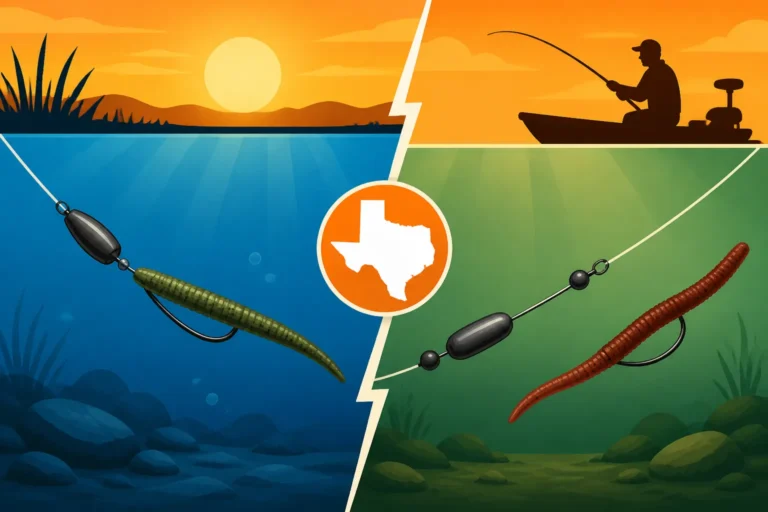
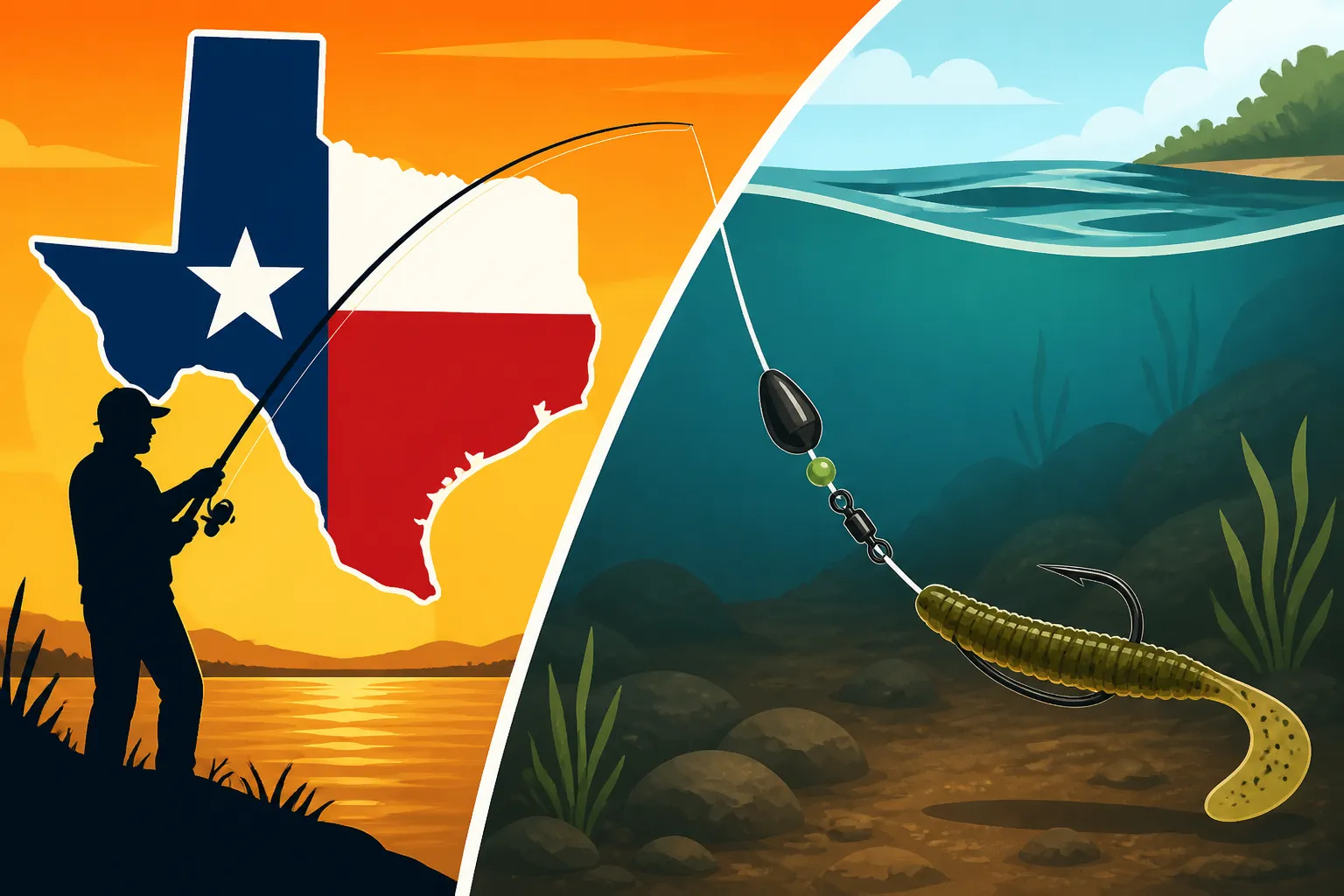
Let's dissect this rig piece by piece so you understand exactly what you're putting together and why each part matters. The beauty of the Carolina rig lies in its ability to present a soft plastic bait in a very natural, weightless manner, even when you're fishing deep.
First, you have your main line, which comes directly from your reel. On this main line, you'll thread a weight. These are typically bullet weights or egg sinkers, ranging from ½ ounce all the way up to 1 ounce or even heavier, depending on depth, wind, and current. The weight's job is to get your rig down to the bottom quickly and keep it there, allowing you to maintain contact with the lakebed. Choosing the right weight is crucial; too light, and you can't feel the bottom; too heavy, and you might get snagged too often or overpower your presentation.
Next, immediately behind the weight, you'll slide on a glass or plastic bead. This little component is far more important than it looks! Its primary purpose is to protect the knot of your swivel from the weight sliding down and constantly banging against it, which could weaken the line over time. But there's a bonus: when the weight and bead slide against each other, they create a subtle clicking sound. This can act as an attractor, mimicking the sound of crayfish or baitfish scurrying along the bottom, drawing in curious bass.
After the bead, you'll tie on a swivel. A high-quality barrel swivel is key here. Its main function is to prevent line twist, which can be a real headache when dragging a rig for long periods. It also serves as the anchor point for your leader. The swivel creates a critical separation point, allowing your bait to float freely and naturally behind the heavy weight.
From the other end of the swivel, you'll tie your leader line. This is a shorter section of line, typically 1 to 4 feet in length, that connects the swivel to your hook. The leader is often made of a lighter test line than your main line and almost always fluorocarbon. The reason for this is twofold: stealth and action. Fluorocarbon is nearly invisible underwater, making your bait look more natural. Plus, its stiffer properties help prevent tangles with the main line, while still allowing your bait to flutter and glide enticingly behind the weight. The length of the leader is a crucial variable that you can adjust based on fish activity and water clarity.
Finally, at the end of the leader, you tie your hook, and then rig your chosen soft plastic bait onto it. For Carolina rigging, you'll almost always use an offset worm hook or an Extra Wide Gap (EWG) hook, rigged weedless to prevent snags while dragging it across the bottom. The soft plastic bait is the star of the show, and because it's untethered from the weight, it has an incredibly lifelike action in the water.
When to Reach for a Carolina Rig in Texas Waters
So, you've got the rig down, but when exactly should you tie one on? In Texas, the Carolina rig truly shines in several specific scenarios where other techniques often fall short.
One of the most classic times is during the post-frontal conditions that frequently sweep through our state. After a cold front, bass often become lethargic and drop to deeper cover. They're not actively chasing, but they might respond to a slow, subtle presentation dragged right in front of their faces. This is where the Carolina rig excels – it's a finesse-oriented power fishing technique.
Another prime time is during the hot summer months when water temperatures soar, especially on popular lakes like Lake Fork or Sam Rayburn. Bass will seek refuge from the heat in deeper, cooler water, often congregating on offshore humps, ledges, creek channels, or brush piles. The Carolina rig allows you to effectively present a bait in these deep zones where the big ones are hiding. It’s a fantastic way to target those deep-holding bass when you're trying to figure out how to fish in hot Texas summers.
Think about fishing clear, deep lakes like Canyon Lake or Lake Travis. In these highly pressured environments, bass can be incredibly wary. The long leader of the Carolina rig allows your bait to be presented far away from the disturbance of the heavy weight and main line, making it appear much more natural and less threatening. This separation is often the difference between getting a bite and just dragging plastic.
The Carolina rig is also your go-to for targeting fish on subtle breaks or vast flats. When bass are scattered over a large area, or when you need to cover a lot of bottom quickly to find them, dragging a Carolina rig is an efficient way to do it. You can literally feel every rock, stump, and change in bottom composition as you retrieve, giving you a real-time map of the underwater terrain. If you're struggling to find fish on a new lake, dragging this rig can really help you pinpoint where they're holding.
It's truly a versatile tool that can save a tough day, giving you a distinct advantage when bass are finicky or deep, a common frustration for many Texas anglers.
Setting Up Your Carolina Rig for Success
Okay, now that you know what it is and when to use it, let's talk about putting it all together. The right gear makes a huge difference in your ability to cast, feel bites, and successfully land fish with a Carolina rig.
Choosing the Right Gear for Your Texas Carolina Rig
When it comes to tackle, you want a setup that offers both power and sensitivity. This isn't a light action rod game; you're dealing with heavier weights and often bigger fish in deeper water.
For your rod, aim for something in the medium-heavy to heavy power range, typically 7' to 7'6" in length, with a fast action tip. The backbone of a medium-heavy rod provides the leverage needed to cast heavier weights and drive the hook home, while the fast action tip gives you the sensitivity to detect those subtle "thumps" or "mushy" bites that are characteristic of Carolina rigging. Many reputable brands offer excellent rods suitable for this technique. If you're looking for the Best Fishing Rods for Texas Anglers, something with a good graphite blank will transmit those bottom compositions and bites directly to your hand.
Your reel should be a baitcasting reel with a gear ratio in the 6.1:1 to 7.1:1 range. A medium-speed retrieve is ideal for dragging the rig slowly across the bottom, allowing you to maintain constant contact without moving the bait too fast. A quality reel with a smooth drag system is essential, especially when you hook into a big Texas largemouth. For more options, check out our guide on Best Fishing Reels for Texas Anglers.
Line choices are critical. For your main line, many anglers prefer 15-20 lb fluorocarbon for its sensitivity and low stretch, which helps detect bites and provides good hooksets. Another popular option is 30-50 lb braided line, especially in situations where you need maximum sensitivity or are fishing around heavy cover. If you opt for braid, you'll still want to tie a long fluorocarbon leader (around 15-20 lb test) directly to your braid, using a strong knot like an FG knot or an Albright knot, before attaching your Carolina rig components. The main thing is to have a line with good abrasion resistance, as you'll be dragging it over various types of structure.
For the leader material, 10-17 lb fluorocarbon is almost universally preferred. As mentioned, its near invisibility and stiffness are huge advantages. The specific test you choose depends on the water clarity and the size of the fish you're targeting. Lighter line in clear water, heavier in stained or around thicker cover.
Hooks for Carolina rigging are typically offset worm hooks or EWG (Extra Wide Gap) hooks in sizes from 3/0 to 5/0. The size depends on the soft plastic bait you're using; you want the hook point to clear the plastic easily for solid hookups. Ensure your hooks are sharp – a dull hook can cost you a fish, especially with those deeper, subtle bites.
When it comes to weights, ½ oz to 1 oz bullet or egg weights are the most common. In shallower water (under 10 feet), or when fishing very slowly, a ½ oz might be enough. For deeper water, wind, or current, move up to ¾ oz or 1 oz. Some anglers even go heavier to maintain better bottom contact in extreme conditions. You can find a good selection of these weights and beads on Amazon.
And those beads? You have a choice between glass and plastic. Glass beads create a louder, sharper "clack" against the weight, which can be an excellent attractor. Plastic beads offer a slightly softer sound and are a bit more durable against chipping. Both work, it's often a matter of personal preference or what the fish respond to on a given day.
Step-by-Step Rigging Instructions
Let's get this rig tied. It's simpler than it looks, I promise!
- Thread the Weight: Take your main line (or your fluorocarbon leader if you're using braid as a main line) and slide your chosen weight onto it. Point the narrower end of a bullet weight towards your rod tip.
- Add the Bead: Immediately after the weight, slide a glass or plastic bead onto the line. This is the protector and the noise-maker.
- Tie the Swivel: Now, tie your barrel swivel to the end of your main line (or your main line's fluorocarbon leader) using a strong knot like a Palomar knot or an Improved Clinch knot. Make sure to cinch it down tightly.
- Cut Your Leader: Take a separate piece of fluorocarbon line for your leader. The length can vary, but a good starting point is 2 to 3 feet. You can go as short as 1 foot or as long as 4 feet depending on how active the fish are and how much separation you want between your weight and bait.
- Tie the Hook: On one end of your leader, tie your offset worm hook or EWG hook using another strong knot like a Palomar.
- Connect Leader to Swivel: Take the other end of your leader and tie it to the other eye of your barrel swivel. Again, a Palomar or Improved Clinch knot works perfectly here.
- Rig Your Soft Plastic: Finally, rig your chosen soft plastic bait onto the hook, ensuring it's completely weedless. The hook point should be buried just under the skin of the plastic. This is very similar to how you would rig for a Texas rig for bass, just remember your hook is now on a leader.
Here’s a quick overview of common Carolina rig components and their typical uses:
| Component | Typical Size/Material | Primary Purpose | Notes |
|---|---|---|---|
| Weight | 1/2 oz – 1 oz (Bullet/Egg) | Bottom contact, casting distance | Heavier for wind/depth, lighter for subtle presentations |
| Bead | 6mm – 10mm (Glass/Plastic) | Knot protection, acoustic attraction | Glass for louder click, plastic for durability |
| Swivel | #5 – #7 Barrel Swivel | Prevents line twist, leader connection point | Essential for freedom of bait movement |
| Leader Line | 10-17 lb Fluorocarbon | Stealth, natural bait presentation | Length 1-4 ft, adjust for clarity/fish activity |
| Hook | 3/0 – 5/0 (Offset/EWG Worm Hook) | Securing bait, hookset | Match hook size to bait size for weedless rigging |
| Main Line | 15-20 lb Fluorocarbon or 30-50 lb Braid | Sensitivity, strength, casting | Braid requires a fluoro leader segment |
Mastering the Art of Fishing a Texas Carolina Rig
Now that your rig is tied, the real fun begins. Fishing a Carolina rig isn't about rapid-fire casts and retrieves; it's a slow, methodical dance across the lake bottom.
Presentation and Retrieval Techniques
The key to a successful Carolina rig presentation is understanding that you're not trying to make the bait swim; you're trying to make it glide and flutter enticingly behind the main weight.
The primary retrieval technique is the "drag-and-pause" method.
Cast your Carolina rig out to your target area, letting it sink all the way to the bottom. You'll feel a distinctive "thump" as the weight makes contact. Once it's down, engage your reel and take up any slack.
Now, the magic happens: instead of reeling, use your rod tip to slowly drag the weight across the bottom. Sweep your rod from 9 o'clock to 11 or 12 o'clock, slowly pulling the weight along. As you drag, you'll feel the weight bumping over rocks, scraping through gravel, or sliding past timber. This is crucial bottom contact!
After you've swept the rod, lower your rod tip back down to the 9 o'clock position, slowly reeling in the slack line as you do so. This pause allows the weightless bait to flutter and fall naturally behind the moving weight, often triggering a strike from a following bass.
Repeat this drag-and-pause motion, systematically covering the bottom.
Subtle rod movements are key. You're not jerking or snapping the rod; it's a smooth, deliberate sweep. The goal is to move the weight just enough to make your soft plastic dance. Pay close attention to what your line and rod tip are telling you. Every change in bottom composition, every little bump, is valuable information.
Detecting bites can be a challenge, especially in deeper water or on windy days. Bass often don't "smash" a Carolina rig. Instead, you might feel a light "tick," a "mushy" feeling, or simply a sudden heaviness on your line. Sometimes, your line will just go slack when it shouldn't, indicating a fish has picked up the bait and is swimming towards you. When you suspect a bite, don't hesitate. Drop your rod tip slightly, reel in any slack, and sweep-set the hook with a long, powerful motion. Don't "jerk" a Carolina rig set; it's more of a firm, continuous sweep to ensure the hook penetrates.
Remember, the separate weight and leader mean your bait has a lot of freedom. It's meant to look like a confused, vulnerable critter trying to catch up to its meal, or perhaps a baitfish feeding on the bottom. The longer the leader, the more pronounced this "hovering" or "gliding" action will be.
Best Baits and Locations for Carolina Rigging in Texas
The beauty of the Carolina rig is its versatility in bait choice. Just about any soft plastic bait that you'd rig on a Texas rig can be effective.
Some of the most popular and effective soft plastic choices for Texas waters include:
- Lizards: These are classic Carolina rig baits. Their appendages provide lots of action as they're dragged and paused, perfectly mimicking a fleeing lizard or crawfish.
- Creature Baits/Craws: Baits like a Zoom Brush Hog or a Strike King Rage Craw are fantastic. Their flapping claws and tentacles generate significant vibration and appeal.
- Worms: Longer straight-tail worms (6-10 inches) or ribbon-tail worms can be deadly, especially when fish are less aggressive. Their subtle action is often just enough to trigger a strike.
- Flukes/Soft Jerkbaits: These can be great for a more erratic, darting action if you impart slightly more aggressive rod twitches during your retrieve.
Color selection is usually guided by water clarity and forage. In clear lakes or for more natural presentations, "green pumpkin," "watermelon red," "junebug," or similar earthy tones are excellent. If the water is stained or muddy, brighter colors like "chartreuse" or darker, more silhouetted colors like "black and blue" can be more effective. Always have a few options on hand, especially with the variety available on Amazon. For more on what to throw, check out our guide on Best Bait and Lures for Texas Fishing.
Now, where do you drag this rig in Texas? You want to focus on deep structure and cover.
- Humps and Points: Bass frequently position themselves on offshore humps or points that extend into deeper water, ambushing baitfish moving up or down.
- Ledges and Drop-offs: These are classic bass highways. Dragging a Carolina rig along the contour of a ledge or where a flat drops into a creek channel is a highly effective strategy.
- Creek Channels: Especially where they wind through the main lake or intersect with other structure, creek channels are magnets for deep-holding bass.
- Brush Piles and Timber: While notoriously snaggy, brush piles in deeper water can hold giant bass. Use heavier line and careful retrieval if targeting these areas.
- Roadbeds and Foundations: Old submerged roadbeds or building foundations can be excellent ambush points. Use your Best Fishing Electronics for Texas Anglers to locate these hidden gems.
The Carolina rig really shines in the heat of a Texas summer, when bass often suspend or cling to these deep structures. It's also effective during the pre-spawn and post-spawn periods of the Texas Bass Spawning Season Guide when fish are moving to and from their spawning grounds and relating to deeper breaks. Learning how to fish deep structure in Texas reservoirs is a crucial skill, and the Carolina rig is one of your best tools for it.
Troubleshooting Common Carolina Rig Challenges
Even seasoned anglers encounter frustrating moments with the Carolina rig. It’s a technique that requires a bit of finesse and patience, and understanding how to overcome common hang-ups can save you a lot of headache and keep you fishing effectively.
Dealing with Snags and Tangled Lines
Let's face it, dragging a weight across the bottom means you're going to get snagged occasionally. It's just part of the game. However, there are ways to minimize the frustration and save your gear.
Strategies to minimize snags:
- Proper Weight Selection: While heavier weights help maintain bottom contact, they can also wedge more easily into rocks or timber. Sometimes, dropping down to a slightly lighter weight allows the rig to "walk" over obstacles rather than getting stuck. It’s a delicate balance.
- Careful Retrieve: Pay attention to what your rod tip and line are telling you. If you feel your weight digging into something, immediately stop dragging and try to gently lift your rod tip to pull it over the obstacle. Don't just yank, as this often wedges the weight even further.
- Detecting Bottom Composition: With practice, you'll learn to distinguish between different bottom types. A rocky bottom might feel like a series of distinct taps, while a sandy bottom will feel smoother, and mud will feel "mushy." When you feel a particularly snaggy area, like a brush pile, try to lift your rig over it or maneuver around it. This is where a good understanding of how to read a Texas lake fishing report and contour maps really comes in handy.
- Weedless Rigging: Always ensure your soft plastic bait is rigged completely weedless on your offset or EWG hook. This means the hook point is buried just under the skin of the plastic, not exposed. This is your primary defense against snagging the bait itself on cover.
If you do get snagged, the first thing to do is point your rod directly at the snag, reel down to remove all slack, and then try a series of quick, firm tugs directly back from the snag point. Often, this will pop the weight free. If that doesn't work, give your line some slack, and then sweep your rod to the side, trying to pull the rig from a different angle. Sometimes, moving your boat or casting position can help too. When all else fails, you might have to break off, which is why having extra weights, beads, and hooks ready to re-tie is crucial.
Tangled lines are another common Carolina rig headache, especially if your leader is too long or you're using incompatible line types. The main culprit is usually the bait wrapping around the main line or leader during the cast.
- Leader Length: Experiment with leader length. A shorter leader (1-2 feet) is generally less prone to tangling than a longer one (3-4 feet), especially in windy conditions.
- Line Compatibility: Ensure your main line and leader are compatible. Using a stiff fluorocarbon leader with a limp main line can sometimes cause issues.
- Casting Technique: A smooth, controlled cast is better than a hard, jerky cast when Carolina rigging. Try to make a gentle lob cast rather than a bullet cast, allowing the weight and bait to travel through the air in a more coordinated fashion.
When the Fish Aren't Biting
You've got your rig perfectly set up, you're dragging it in all the right spots, but nothing's happening. Sound familiar? Don't despair; this is when you start to "dial in" the bite.
- Adjusting Leader Length: This is often the first adjustment to make. If fish are very finicky, they might not want the weight near their food source. Try lengthening your leader from 2 feet to 3 or even 4 feet to give the bait more separation and a more natural fall. Conversely, if they're aggressive or the water is dingy, a shorter 1-foot leader can keep the bait closer to the "noise" of the weight and make it easier for bass to find.
- Weight, or Bait Size/Color: If fish are being particularly stubborn, try changing your weight. A lighter weight (1/2 oz) might give the bait a slower, more enticing fall. If that doesn't work, consider changing your bait size. Downsizing from a 6-inch lizard to a 4-inch craw can sometimes trigger strikes from pressured fish. And don't forget color! If natural colors aren't working, try something brighter or darker.
- Slowing Down or Speeding Up: The "drag-and-pause" is key, but the speed of that drag can matter. If bass are lethargic, slow way down. Give longer pauses. Let that bait just sit there and flutter. If they're slightly more active, you might be able to speed up your retrieve slightly, covering more water and enticing a reaction strike.
- Changing Locations: Sometimes, you're just not on the fish. Use your Carolina rig to systematically explore different areas of the lake. Move from points to humps, from deep ledges to creek channel bends. Refer to your map and your Best Fishing Electronics for Texas Anglers to identify new potential holding areas. If you're on a new lake, remember our guide on How to find bass on a new lake can offer some great strategies.
- The Importance of Confidence and Persistence: It sounds cliché, but confidence in your technique is paramount. The Carolina rig is a proven fish catcher. Stick with it, make those small adjustments, and trust that you’re putting a highly effective bait in front of the fish. Sometimes, it just takes that one extra cast or one subtle change to unlock the bite.
The Carolina rig might not be the flashiest technique in your arsenal, but it's one of the most consistent, especially when the conditions in Texas waters get tough. Master it, and you'll add a powerful tool to your bass fishing repertoire.
Disclaimer
Fishing involves inherent risks. Always prioritize safety on the water. Consult local regulations and secure proper licensing before fishing. This guide provides general information and should not be considered a substitute for professional advice.