How to find crappie in the winter
The arrival of winter in Texas can feel like a fishing death sentence for some folks, especially when you're used to those hot, active summer and spring bites. Crappie, those speckled beauties we all love to chase, seem to vanish into thin air, leaving many anglers scratching their heads. But don't you fret! This guide is going to peel back the layers of those chilly waters and show you exactly how to locate and reel in crappie, even when the thermometer dips low.
Understanding Winter Crappie Behavior in Texas
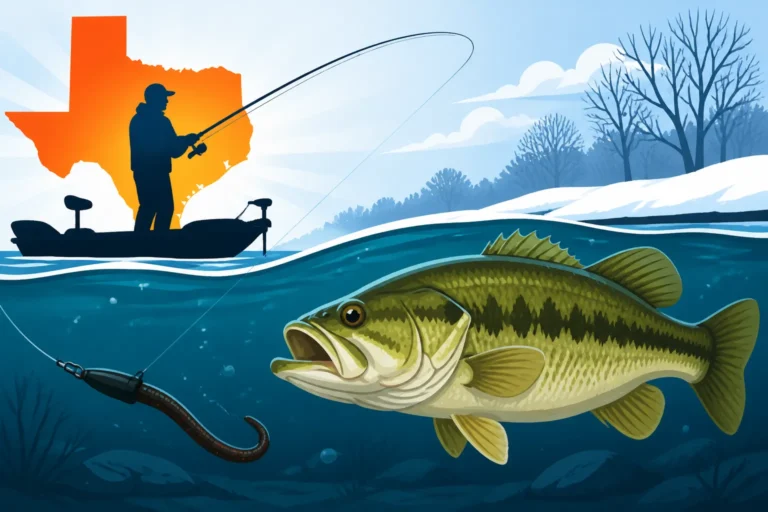
Winter fishing for crappie in Texas isn't just about throwing a line in the water; it's about understanding how these fish react to the cold. Unlike some species that might go dormant, crappie remain active, albeit with a slower metabolism. The key is knowing where they go and why they choose those spots.
How Crappie React to Cold Water Temperatures
When water temperatures drop below 50-55 degrees Fahrenheit, crappie's metabolism slows down considerably. This means they're not as inclined to chase fast-moving baits or expend a lot of energy. They become much more lethargic, conserving their energy. You might think they're hiding, but really, they're just adapting. This shift in behavior directly influences their preferred habitat and feeding patterns. They're looking for stability and warmth, even if it's just a few degrees difference. It's a stark contrast to their behavior during the warmer months, where they might be scattered in shallower waters, actively hunting. Knowing this fundamental change is your first step to success. It means you need to slow down your presentation, downsize your baits, and be incredibly patient.
The Impact of Winter Fronts and Water Clarity
Texas winters can be a bit of a rollercoaster. One day it's mild and sunny, the next a sharp cold front blows through, dropping temperatures drastically. These fronts can be a real game-changer for crappie. Before a front, crappie might experience a burst of feeding activity, trying to gorge before the conditions get tough. Post-front, they often become even more sluggish, retreating to the deepest, most stable water they can find. Water clarity also plays a significant role. Cold water typically means clearer water, which can make crappie more wary of your presence and your presentation. You might need to use lighter lines and more natural bait colors. Conversely, if there's been recent rain or runoff, the water can get stained, which might make crappie feel a bit bolder and less skittish. Always pay attention to the weather forecast and recent conditions; they'll tell you a lot about what the crappie are likely doing.
Key Locations and Structure for Winter Crappie
Finding crappie in the winter often means abandoning your usual shallow-water summer haunts and heading for deeper, more stable environments. They're seeking refuge from the cold surface water and looking for consistent temperatures.
Deep Water Haunts and Thermal Refuges
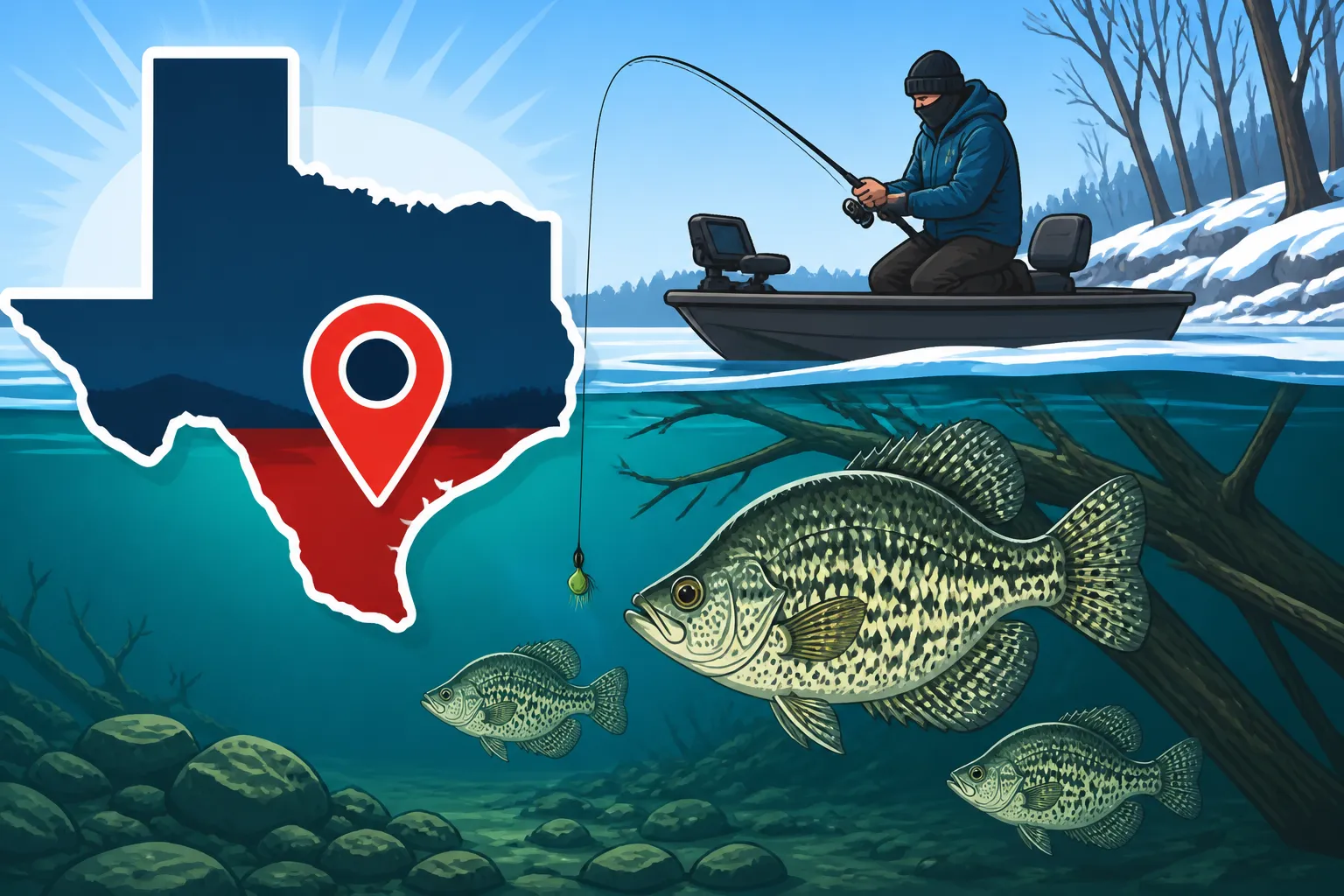
When the surface water cools down, crappie will instinctively move to deeper parts of the lake or reservoir. This is because deeper water tends to have a more stable temperature, often a few degrees warmer than the frigid surface. Think about areas like creek channels, river bends, and the main lake basin. These are prime spots where crappie will suspend, sometimes in massive schools, just waiting for an easy meal to come by. Look for deep holes, old stream beds, or even the deepest parts of major coves. These "thermal refuges" are where the crappie will congregate, often suspending at a specific depth where the water temperature is most comfortable for them. It might be 20 feet deep, it might be 40 feet, but they'll be there, often stacked up like cordwood.
Submerged Structure and Brush Piles
Crappie are masters of cover, and winter is no exception. While they're in deeper water, they're still looking for structure to relate to, whether for protection from predators or as ambush points for passing baitfish. This is where submerged brush piles, standing timber, rock piles, and even artificial structures really shine. Many Texas lakes are known for their abundant underwater cover. For example, a lot of anglers put out their own brush piles, and if you can find one in deep water, especially along a creek channel, you've hit the jackpot. These structures act like apartment complexes for crappie, providing shelter and a place to hide. Fish finders become indispensable here; you'll be able to spot these hidden gems and the fish holding tight to them. Many of these structures are often located in areas that were once shorelines or wooded areas before the lake was filled. For more information on finding these key spots, you might want to check out our guide on how to catch crappie around brush piles.
Importance of Drop-Offs and Ledges
Drop-offs and ledges are absolutely critical in winter crappie fishing. These are underwater topographical features where the depth changes rapidly. Imagine a shelf that suddenly drops into a canyon—that's a ledge. Crappie love these areas because they offer easy access to both shallow and deep water, allowing them to move vertically with minimal effort depending on conditions. Baitfish often cruise along these edges, making them excellent ambush points. Furthermore, these transitional zones can create subtle current breaks or thermal differences that attract both bait and crappie. Using your electronics to identify distinct drop-offs, especially those near creek channels or points, will significantly increase your success. They can be subtle, sometimes just a few feet over a long distance, or dramatic, like a sudden sheer cliff underwater. Learning to read your lake map and identify these structures is a skill that pays off huge in the colder months.
Effective Techniques and Gear for Winter Crappie
Once you've found where the crappie are hunkering down, it's time to convince them to bite. Remember, their metabolism is slow, so your approach needs to be equally subtle and enticing.
Slow Presentation is Key
Forget fast retrieves and aggressive jerks; winter crappie demand a much slower, more deliberate presentation. Whether you're using jigs or live bait, the key is to keep it moving as little as possible, mimicking a lethargic or injured baitfish. Often, the bite is incredibly subtle—just a slight tap, a feeling of weight, or even your line just going slack. You might barely feel them pick up the bait. Vertically jigging directly over a school of fish or slowly drifting a minnow are often the most effective methods. Sometimes, just holding your bait perfectly still at the correct depth is all it takes. Think "finesse" rather than "power." This slower approach is crucial, and it’s a big part of learning how to catch crappie in cold water effectively.
Best Baits and Lures for Winter Crappie
When crappie are feeling sluggish, they're often looking for easy meals. Live minnows are, hands down, one of the most consistent baits for winter crappie. Hooked lightly through the lip or dorsal fin, they provide natural action and scent that crappie can't resist. If you're going the artificial route, small jigs (1/32 to 1/16 ounce) with soft plastics are excellent. Colors like chartreuse, white, black/chartreuse, or even translucent baits with a bit of glitter can be highly effective. The key is to size down your lures. You're not trying to trigger a reaction strike with a big bait; you're offering a small, easy meal. For some great options, you might want to browse different crappie jigs available on Amazon or check out our guide on the Best Crappie Jigs for Texas Lakes. Tipping your jig with a small piece of minnow or a crappie bite attractant can also make a huge difference, adding scent to an already enticing visual.
| Bait/Lure Type | Ideal Presentation | Key Advantages |
|---|---|---|
| Live Minnows | Vertical jigging, slow trolling, suspended under bobber | Natural action, scent, highly effective for lethargic fish |
| Small Jigs (1/32-1/16 oz) | Vertical jigging, slow retrieve, dead sticking | Versatile, wide range of colors, can be tipped with bait |
| Soft Plastics (small) | Paired with jigs, slow retrieve | Subtle action, realistic profiles, variety of colors |
| Scented Baits | Used alone or as jig trailers | Adds strong attractant for fish with reduced visibility |
| Small Crankbaits | Very slow trolling (rarely in coldest water) | Can cover water, retrieve slowly near structure |
Essential Gear for Cold Water Anglers
To truly excel at winter crappie fishing, having the right gear is paramount.
Sensitive Rods and Reels
A super-sensitive rod is a non-negotiable item. You need to feel those incredibly subtle bites that winter crappie deliver. Light-action or ultralight spinning rods (5-7 feet) with a fast tip are ideal. Pair this with a small, smooth spinning reel spooled with 4-6 pound test monofilament or fluorocarbon line. Monofilament offers a bit more stretch which can be forgiving on light bites, while fluorocarbon provides excellent sensitivity and invisibility underwater. Some anglers prefer braided line with a fluorocarbon leader for maximum sensitivity, especially when fishing deep. The goal is to maximize your feel; if you can't feel the crappie, you're going to miss a lot of fish. For a wide selection of quality fishing gear, you can browse fishing rods and reels on Amazon.
Electronics and Mapping
This is where technology really shines. A good fish finder is your best friend in winter. It allows you to locate those deep-water crappie schools and the submerged structure they cling to. Look for units with good down-imaging and side-imaging capabilities to really paint a picture of the underwater world. GPS mapping is also incredibly valuable for marking brush piles, creek channels, and productive ledges so you can return to them easily. Some advanced units, like those from Humminbird or Lowrance, can even show you real-time water temperature at different depths, helping you pinpoint those thermal refuges. Having reliable electronics means you spend less time searching and more time fishing. If you're looking to upgrade your setup, explore options for Best Fishing Electronics for Texas Anglers While this might seem like a luxury, it's truly an investment for consistent winter crappie success.
Adapting to Texas's Unique Winter Conditions
Texas winters can be unpredictable. We don't always get the deep freezes found further north, but we still experience significant cold snaps that affect fish behavior.
Navigating Cold Fronts and Temperature Swings
Texas often experiences mild spells followed by sudden, sharp cold fronts. When a cold front pushes through, the crappie often become even more finicky and burrow deeper into cover. It's often best to hit the water before a strong front arrives, when fish might be on a feeding frenzy. After a front, give the water a day or two to stabilize. Focus on the absolute deepest and most protected parts of the lake. These temperature swings mean you have to be adaptable, not just in your fishing technique, but in your expectations. Sometimes the best thing you can do after a harsh front is bundle up, sip some hot coffee, and wait for the conditions to mellow out a bit.
Dressing for Success and Safety
Even in Texas, winter fishing can get pretty chilly, especially on the water with wind chill. Dressing in layers is crucial. Thermal underwear, a good waterproof and windproof outer shell, and warm socks are essential. Don't forget a warm hat and gloves! Hand warmers can be a lifesaver on particularly cold days. Beyond comfort, safety is paramount. The water is cold, and hypothermia is a real risk if you accidentally fall in. Always wear your life jacket, even if you typically don't. Tell someone where you're going and when you expect to return. Being prepared for the elements means you can focus on fishing and enjoy your time on the water without shivering your way through it. You can find quality cold weather fishing gear on Amazon to ensure you stay warm and dry.
Regulations for Winter Crappie Fishing
Just because it's winter doesn't mean the rules go away! Always be mindful of the current Texas Freshwater Fishing Regulations, especially concerning Texas Crappie Bag Limits and length limits. These regulations are in place to protect our precious fish populations and ensure healthy fishing for years to come. During winter, sometimes species specific regulations can change or be more strictly enforced due to fish congregating. Double-check the Texas Parks and Wildlife Department (TPWD) Outdoor Annual before heading out. Ignorance of the law is no excuse, and wardens are out there year-round. Knowing your limits helps everyone contribute to sustainable fishing practices in our great state.
Disclaimer
Fishing conditions can vary greatly, and past success does not guarantee future results. Always prioritize safety, check local regulations, and respect wildlife. This guide is for informational purposes only.