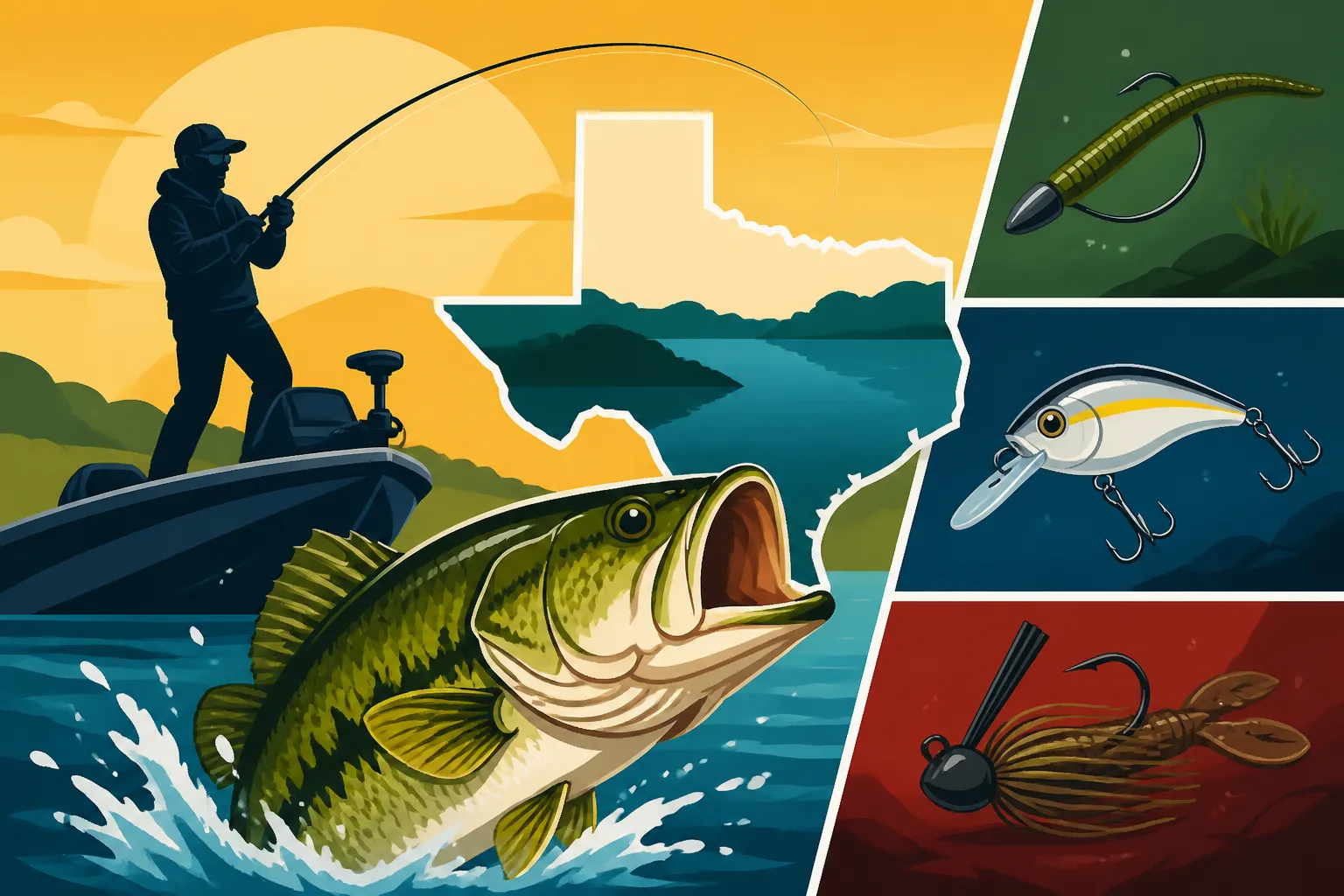
Best techniques for tournament-pressured Texas lakes
Ever pulled up to your favorite Texas lake, only to see a parade of bass boats, each one bristling with electronics, and every angler seemingly throwing the exact same hot bait you heard about? It's a frustrating, often soul-crushing reality on tournament-pressured waters here in Texas. When lakes like Lake Fork, Sam Rayburn, or even smaller, popular reservoirs get hammered day in and day out by competitive anglers, the fish get smart, spooky, and incredibly challenging to catch. This guide is all about equipping you with the strategies and mindset to tackle these wary fish, helping you adapt your approach and still find success when everyone else is scratching their heads.
Understanding the "Pressured Lake" Phenomenon in Texas
First, let's really get into what "tournament pressure" actually means for the fish and the fishing experience. It’s not just about a lot of boats on the water; it’s about the cumulative effect of constant angling effort, often by highly skilled individuals targeting specific species with advanced techniques.
Why Texas Bass Get Wary
Imagine being constantly bombarded with lures, boats roaring overhead, and sonar pings. Texas bass, particularly the trophy largemouths we all dream of, are intelligent creatures, and they quickly learn to associate certain sounds, shadows, and presentations with danger. On a highly pressured lake, the most obvious cover, the easiest ambush points, and the most common baits quickly lose their effectiveness. Fish that might have aggressively struck a spinnerbait on a quiet Tuesday will shy away from it after a weekend of major tournaments. They become conditioned, almost like little aquatic ninjas, honing their evasive maneuvers. This often means they retreat to deeper water, become nocturnal, or simply refuse to bite anything that looks even remotely unnatural.
The Impact on Hot Spots and Popular Techniques
Every popular Texas lake has its famous "hot spots"—those creek channels, humps, or hydrilla beds that consistently hold fish. On a tournament weekend, these spots will be absolutely hammered. Anglers will cycle through them, throwing everything from crankbaits to jigs to big swimbaits. By the time you get there, any fish that were willing to bite have either been caught or have developed an acute case of lockjaw. Similarly, the "hot new technique" or "secret lure" that dominated the last tournament quickly becomes common knowledge, and the fish adapt. What worked last week might be completely ineffective this week because the fish have seen it a hundred times already. This requires a constant evolution of your approach, moving beyond the obvious. It’s a frustrating cycle, but it’s part of the game when you’re chasing big bass in competitive waters.
Mastering Finesse Techniques for Wary Bass
When the fish are getting pressured, subtlety often becomes your best friend. This is where finesse fishing shines, allowing you to present baits in a way that doesn't scream "danger!" to a suspicious bass.
Downsizing and Slowing Down Your Presentation
One of the most immediate shifts you can make on a pressured lake is to downsize your baits and slow down your retrieve. Forget the huge crankbaits and fast-moving spinnerbaits for a moment. Think smaller worms, tiny jigs, and subtle shaky heads. A 4-inch worm on a light jig head, slowly dragged or quivered on the bottom, can often tempt a bass that's ignored every other offering. The key is to make your presentation as natural and non-threatening as possible. Sometimes, just letting a weightless Senko slowly fall through the water column for an eternity is all it takes. These techniques require patience, but they often yield results when faster, more aggressive approaches fail. You might find a great selection of these smaller, specialized baits, along with lighter fluorocarbon lines perfect for finesse, if you browse online retailers like Amazon.
Employing a Drop Shot or Ned Rig
The drop shot and Ned rig are absolute staples for pressured bass, and for good reason.
- Drop Shot: This technique keeps your bait suspended off the bottom, directly in the fish's strike zone, while your weight maintains contact with the structure. The bait itself has incredible action with the slightest twitch of the rod, mimicking a struggling baitfish or insect. It's incredibly effective when fish are suspended or holding tight to cover, and you can practically fish it in place. Using light line and a small hook with a soft plastic worm or creature bait can be deadly. Learn more about it in How to fish a drop shot for bass.
- Ned Rig: The Ned rig, with its small mushroom-shaped jig head and compact soft plastic, is designed to stand upright on the bottom, offering a tempting, easy meal. It's subtle, casts well on spinning gear, and has an uncanny ability to catch fish, even in the toughest conditions. It's a fantastic choice when bass are lethargic or simply refusing larger baits. Both of these rigs require a delicate touch and good feel for the bottom, but they are crucial weapons in a pressured-lake arsenal.
The Carolina Rig: A Subtler Power Option
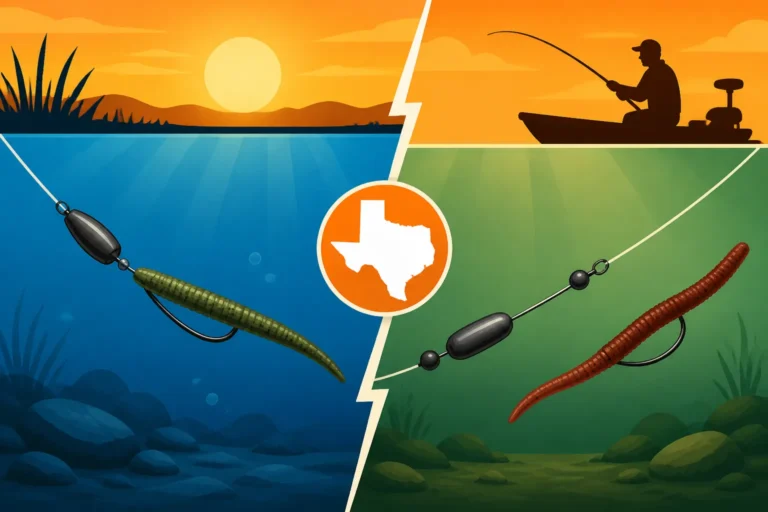
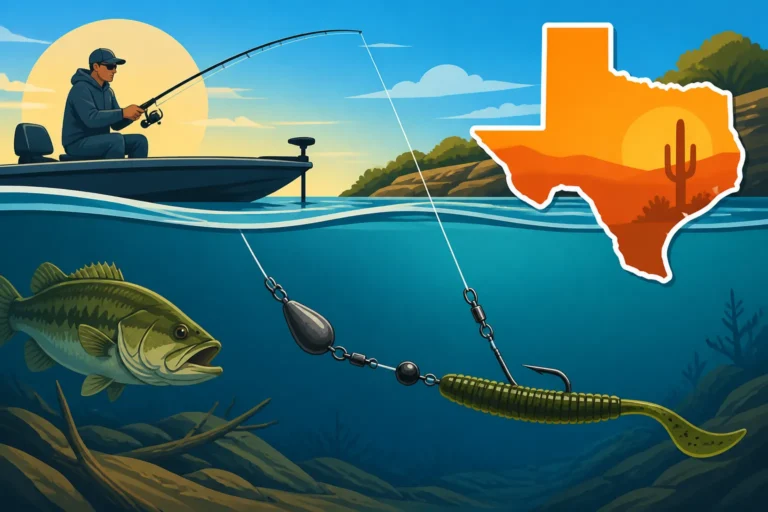
While often thought of as a power technique, the Carolina rig can be finessed into a powerful, yet subtle presentation for pressured fish, especially when they're scattered on deeper breaks or humps. Instead of a heavy 1-ounce sinker, try going down to a 1/2 or even 3/8-ounce weight. Increase the length of your leader—sometimes 3 to 6 feet can make a huge difference—giving your bait more freedom to move naturally away from the commotion of the weight. Use smaller soft plastics like lizards, trick worms, or small creature baits. The beauty of the Carolina rig is its ability to cover water and present a bait neutrally. The weight stirs up the bottom, drawing attention, while the bait glides enticingly behind it, appearing as an easy meal. This technique allows you to explore deeper structure without directly spooking fish with a heavy, direct presentation. For more on this versatile rig, check out How to fish a Texas Carolina rig.
Strategic Adjustments for Tournament Days
It's not just about the lures; it's about how and when you fish. Adapting your timing, locations, and even your approach to covering water can make a huge difference.
Fishing Off-Peak Hours and Less Obvious Cover
When everyone is out chasing the morning bite, consider hitting the water later in the day, or even practicing night fishing. Bass on pressured lakes often become nocturnal or move into less obvious, harder-to-reach cover during daylight hours to escape the constant boat traffic and fishing pressure. This might mean targeting deeper brush piles, isolated stumps that are far from common boat lanes, or even shaded dock pilings that are tucked away in quiet coves. Night Fishing Techniques for Texas Lakes can be incredibly effective, as the fish feel safer and often feed more aggressively under the cover of darkness. This also means looking for cover that others overlook—a single submerged log, a small rock pile, or a subtle depth change that isn't highlighted on every mapping chip. It takes more work to find these spots, but they're often where the unpressured fish are hiding.
Focusing on Secondary Points and Deep Structure
On tournament days, main lake points and primary creek channel bends are going to be absolutely swarmed. Instead, focus your efforts on secondary points within larger coves or deeper, less obvious humps and ledges. Bass will often pull off the main lake highways and relate to these secondary structures when pressure builds. Pay close attention to subtle contour changes, small rock formations, or isolated patches of grass that might not show up clearly on standard sonar. These nuanced features can hold significant numbers of fish that haven't seen a parade of baits. Understanding How to fish deep structure in Texas reservoirs is paramount here, as these fish often hold tight to the bottom and require precise boat positioning and presentations. Don't be afraid to experiment with different depths; sometimes just a few feet deeper or shallower than the main group of boats can make all the difference.
Employing the "Clean-Up" or "Follow-Up" Approach
Sometimes, the best strategy is to be the clean-up crew. If you know a spot has just been fished by another boat, wait a few minutes, then move in with a completely different presentation. For example, if they were throwing crankbaits, come in with a slow-moving jig or a weightless worm. The fish might have been spooked but are still there and could be tempted by something completely new and subtle. Similarly, don't be afraid to make multiple passes on a promising spot with different baits and angles. What didn't work on the first cast might work on the fifth, especially if you change something—a different color, a slower retrieve, or a slightly different cast angle. This requires patience and a belief that the fish are there, just needing the right trigger.
Gearing Up for the Challenge of Pressured Waters
Having the right tools can make a significant difference when trying to fool wary bass. Your rod, reel, line, and even your electronics play a crucial role.
Choosing Sensitive Rods and Reels
On pressured lakes, strikes can be incredibly subtle—a slight tick, a spongy feel, or simply the line moving sideways. This demands highly sensitive gear.
- Rods: Look for rods with fast actions and lightweight, high-modulus graphite blanks. These transmit even the faintest bite directly to your hand. A 7-foot medium-light or medium spinning rod is often ideal for finesse techniques, while a medium-heavy casting rod with a sensitive tip is good for jigging or Carolina rigging. Best Fishing Rods for Texas Anglers provides more insight into suitable options.
- Reels: Pair these rods with smooth, high-quality spinning reels for finesse and baitcasting reels with fine-tuning capabilities for other techniques. A good drag system is essential when fighting a big fish on light line. Investing in quality gear pays off in increased sensitivity and better fish-fighting power. Many anglers find great deals and a wide selection of these specialized rods and reels on platforms like Amazon, allowing them to compare features and reviews.
Line Selection: Fluorocarbon is Your Friend
Fluorocarbon line is practically a necessity on pressured waters for several reasons.
- Low Visibility: It has a refractive index very close to water, making it nearly invisible beneath the surface. This is critical when fish are line-shy.
- Sensitivity: Fluorocarbon transmits vibrations incredibly well, helping you detect those subtle bites.
- Abrasion Resistance: While not as strong as braided line, good quality fluorocarbon is quite abrasion resistant, which is important when fishing around cover.
Use lighter pound tests for finesse techniques—6 to 10 lb test is common. For heavier cover or larger baits, you might go up to 12-17 lb test. Some anglers will use braided mainline for strength and sensitivity, then add a long fluorocarbon leader (e.g., Braided line vs fluorocarbon for Texas lakes). Experiment with what feels right for you, but generally, invisibility and sensitivity are paramount.
Leveraging Advanced Electronics and Mapping
Your boat's electronics are more than just fish finders; they are critical scouting tools on pressured lakes.
- High-Definition Sonar: Side imaging and down imaging allow you to "see" underwater structure and individual fish away from and directly beneath your boat, helping you identify isolated cover or subtle bottom transitions that other anglers might miss.
- Precise GPS Mapping: Detailed lake maps with high-definition contours are essential for finding those subtle ledges, humps, and creek channels that hold fish. Spend time studying these maps off the water to identify potential hidden gems.
- Live Sonar (if you have it): Technologies that provide real-time views of fish and your lure can be a game-changer, allowing you to present your bait directly to wary fish and observe their reactions. Even if you don't have the latest tech, knowing How to use a fish finder for bass fishing effectively and meticulously marking waypoints for every interesting piece of structure you find can provide a significant advantage. Tools like mapping chips and advanced fish finders are often readily available from retailers such as Amazon.
Table: Adapting Techniques for Pressured Texas Lakes
| Aspect | Standard Approach (Less Pressured) | Pressured Lake Adaptation | Key Benefit for Pressured Fish |
|---|---|---|---|
| Bait Size | Larger, more aggressive (e.g., 6"+ crankbaits) | Smaller, more subtle (e.g., 3-4" worms, Ned rigs) | Less threatening, natural, matches wary baitfish |
| Lure Color | Bright, contrasting (e.g., chartreuse, firetiger) | Natural, translucent (e.g., green pumpkin, watermelon red) | Blends in, less alarming to suspicious bass |
| Presentation | Fast retrieve, erratic movements | Slow, subtle drag, long pauses, weightless falls | Mimics lethargic or injured prey, allows inspection |
| Line Type | Monofilament, heavy braided line | Fluorocarbon leader, light pound test | Near invisible, highly sensitive for light bites |
| Target Depth | Visible cover, shallow ambush points | Deeper structure, isolated cover, suspended fish | Fish retreat to safety, less traffic, often cooler water |
| Timing | Peak feeding times (dawn, dusk) | Off-peak hours (mid-day, night fishing) | Avoids heavy boat traffic, fish more active after dark |
| Equipment Focus | Power fishing rods, high-speed reels | Sensitive graphite rods, smooth spinning reels | Detects subtle bites, provides natural bait action |
| Cover Type | Obvious points, main lake grass beds | Secondary points, isolated stumps, deep brush piles | Avoids heavily fished areas, finds unpressured fish |
Thinking Beyond the Obvious: Unconventional Strategies
When everyone else is doing the same thing, sometimes the best way to win is to do something completely different. Don't be afraid to experiment.
Exploring the "Junk Fishing" Philosophy
Junk fishing isn't about throwing trash; it's a mindset. It means having an open mind and a diverse tackle selection, and being willing to cycle through many different techniques and baits until you crack the code. On a highly pressured lake, bass might not be on a predictable pattern. One fish might hit a shaky head on a dock, while the next comes on a swimbait in open water. Instead of trying to force a pattern, a junk fisherman constantly adapts. They might start with a topwater, then switch to a jig, then a dropshot, then a crankbait, all within a short period, looking for any clue. It’s about being versatile and reacting to what the fish tell you, rather than trying to make them conform to your expectations. This approach demands a well-stocked tackle box, perhaps acquired through varied purchases, even from places like Amazon, where you can easily find a huge range of lure types to cover all your bases.
Utilizing Weather and Water Conditions to Your Advantage
Weather fronts, changes in water clarity, and temperature fluctuations can dramatically impact fishing, and on pressured lakes, these changes can either make or break your day.
- Post-Front Conditions: After a cold front, bass often become lethargic and move deeper. This is prime time for slow, finesse presentations like a Ned rig or drop shot fished meticulously.
- Muddy Water: Heavy rains can muddy up parts of a lake. While many avoid it, fish in muddy water often rely more on lateral lines and sight for feeding, making baits with strong vibrations or bold silhouettes effective. Consider a bladed jig or a dark-colored jig. Conversely, fish might move to clearer pockets. Understanding How to fish muddy water after heavy rain is crucial here.
- Rising or Falling Water: These changes can push fish into new areas or make them more aggressive. Pay attention to how these conditions affect the baitfish and the bass will follow. Being observant and flexible to these changes can help you find pockets of unpressured fish.
Don't Overlook the Power of Patience and Persistence
Ultimately, fishing pressured lakes in Texas often comes down to patience and persistence. It’s easy to get frustrated when you see other boats catching fish, or when your usual spots are barren. But remember, the fish are still there. They just require more effort, more thought, and often, more time to tempt. Keep trying different presentations, subtle variations in retrieve, and exploring new water. Make that extra cast, stick with a spot a little longer than you think you should, or make one more tackle change. Sometimes, the fish bite right after the other boats have left, simply because the pressure is off for a brief moment. These moments, when you finally crack the code on a tough bite, are incredibly rewarding and what make fishing in Texas so challenging and addictive. For any angler in Texas, from casual weekenders to tournament veterans, understanding these nuances is what truly sets you apart on the water.
Disclaimer
This article is for general informational purposes only and does not constitute professional advice. Laws, prices and regulations vary by location and change over time. Consult a qualified professional for guidance on your specific situation.