What is the Texas state record largemouth bass
Many Texas anglers spend their lives dreaming of catching that one monumental fish, the kind that becomes a legend. While personal bests are always incredible, the thought of landing a true behemoth—one that sets a statewide benchmark—is a whole different league of aspiration. This guide is dedicated to shedding light on that ultimate achievement: the Texas state record largemouth bass, exploring its storied past, the programs designed to foster such giants, and what it takes for determined anglers to chase these extraordinary fish.
The Legendary Texas State Record Largemouth Bass
The pinnacle of Texas bass fishing, the state record largemouth, is a fish of truly legendary proportions. Its existence proves that the "everything's bigger in Texas" adage certainly holds true when it comes to the pursuit of trophy bass. This isn't just about a heavy fish; it's about a rare combination of genetics, environment, and a touch of angler skill and luck coming together to create a moment for the record books. It’s a story whispered among seasoned anglers and a goal etched into the minds of many who cast a line in the Lone Star State.
The Historic Catch: A Detailed Account
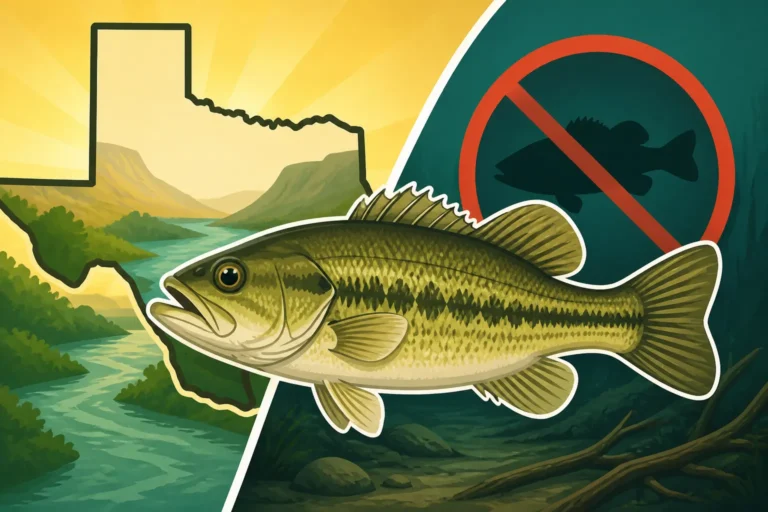
The current Texas state record largemouth bass was caught by Barry St. Clair on January 24, 1992, at Lake Fork. This colossal bass weighed an astonishing 18.18 pounds. Imagine pulling a fish like that out of the water! It’s the kind of catch that changes an angler's life and instantly becomes a part of the state's fishing folklore. St. Clair’s catch cemented Lake Fork’s reputation as the premier trophy bass lake in Texas, a title it had been earning for years prior with its consistent production of double-digit bass. For many, Lake Fork remains the spiritual home of giant bass in Texas.
This record wasn't just a fluke. Lake Fork, an impoundment on the Sabine River in Wood County, was intentionally managed for trophy bass fishing. Extensive stocking programs, strict slot limits, and habitat improvements were all designed to create an environment where largemouth bass could grow to incredible sizes. Barry St. Clair’s catch was the ultimate validation of these efforts, a testament to what dedicated conservation and smart fishing management can achieve. His record has stood for decades, a constant benchmark for every angler who wets a line in Texas waters, from weekend warriors to professional tournament pros.
Why This Record Stands So Strong
The enduring nature of the 18.18-pound record is truly remarkable. Over the years, countless anglers have dedicated their lives to breaking it, spending thousands of hours on the water, meticulously studying patterns, and refining their techniques. Yet, the record holds. This speaks to the sheer rarity of a fish of that size and the perfect storm of conditions that must align for such a capture. It takes more than just skill; it requires being in the right place at the right time, with the right bait, when a fish of that caliber decides to bite. It's a combination of preparation and pure, unadulterated luck.
Part of the reason this record has been so tough to beat is the genetic makeup of Texas bass, specifically the Florida largemouth bass genetics introduced into many state lakes. These fish have the potential for larger sizes and faster growth rates than their native Northern largemouth cousins. However, even with these superior genetics, a bass needs a consistent, abundant food supply, stable environmental conditions, and enough time to grow without being harvested prematurely. The combination of these factors, all coming together in one fish on one particular day, is what makes Barry St. Clair's 18.18-pounder such an iconic and formidable record.
Understanding the ShareLunker Program and Its Role
When we talk about trophy bass in Texas, it's impossible not to mention the Texas Parks and Wildlife Department's (TPWD) Toyota ShareLunker program. This initiative isn't just a competition; it's a vital conservation and research effort that has profoundly impacted the state's trophy bass fishery. The program actively encourages anglers to donate 13-pound-plus largemouth bass for spawning purposes, helping to propagate the genetics of these massive fish, ensuring that the legacy of giants continues for generations.
How ShareLunker Encourages Trophy Bass Fishing
The ShareLunker program started in 1986, just a few years before the state record was set. Its primary goal is to selectively breed the largest bass caught in Texas public waters. When an angler catches a largemouth bass weighing 13 pounds or more between January 1 and March 31, they can contact the program. TPWD staff will then collect the fish, transport it to the Texas Freshwater Fisheries Center, and use it in their selective breeding program. The offspring from these "Legacy Class" ShareLunkers are then stocked back into Texas lakes, effectively spreading the genes for trophy potential throughout the state. This scientific approach directly contributes to the possibility of future record breakers.
Beyond the genetic benefits, the ShareLunker program creates immense excitement and incentive for anglers to pursue big bass. The recognition that comes with donating a ShareLunker, along with the knowledge that you're contributing to the future of Texas fishing, is a powerful motivator. It fosters a culture of trophy bass hunting, encouraging anglers to practice catch-and-release, especially for those larger fish, to ensure they can contribute to the breeding program or grow even bigger. Knowing that a lunker could potentially become a ShareLunker adds an extra layer of thrill and responsibility to every big fish encounter. What qualifies a bass for the Texas ShareLunker program provides more detail on the criteria and benefits.
Different Classes of ShareLunkers
The ShareLunker program isn't a one-size-fits-all endeavor. It categorizes reported fish into different classes, reflecting the size and timing of the catch. The most prestigious is the Legacy Class, reserved for those incredible 13-pound-plus bass caught during the peak spawning period from January 1 to March 31. These are the fish directly used in the selective breeding program. Anglers who donate a Legacy Class ShareLunker receive a replica of their fish, a prize package, and a lifetime of bragging rights. This is the gold standard for trophy bass anglers in Texas.
Outside of the Legacy Class season, anglers can still participate by reporting Lunker Class fish (8 pounds or 24 inches or longer caught from April 1 to December 31), Catch and Release Class fish (any bass over 8 pounds or 24 inches caught year-round, specifically if not eligible for Legacy or Lunker Class, such as those from private waters), and Small Fry Class (any bass caught by an angler under 18 years old that meets the Lunker criteria). While only Legacy Class fish are taken for breeding, reporting all these larger bass helps TPWD gather valuable data on growth rates, locations, and populations of trophy-sized fish across the state. This comprehensive data is crucial for managing Texas's bass fisheries effectively, ensuring future generations have the opportunity to chase giants.
| ShareLunker Class | Minimum Weight/Length | Season (if applicable) | Purpose/Recognition |
|---|---|---|---|
| Legacy Class | 13 lbs or heavier | Jan 1 – Mar 31 | Spawning program, replica, prize |
| Lunker Class | 8 lbs or 24 inches | Apr 1 – Dec 31 | Data collection, recognition |
| Catch & Release Class | 8 lbs or 24 inches | Year-round | Data collection, recognition |
| Small Fry Class | 8 lbs or 24 inches | Year-round | Youth participation, recognition |
The Anatomy of a Texas Trophy Bass
What exactly makes a bass grow to record-breaking sizes? It's not just about luck; there's a complex interplay of genetic potential, environmental factors, and a plentiful food source that culminates in a true trophy. Understanding these elements can give you an edge when you're out on the water, hoping to hook into your own giant. These fish are true marvels of nature, having defied countless challenges to reach their impressive dimensions.
Key Characteristics of Record-Breaking Bass
A record-breaking largemouth bass typically exhibits several distinct characteristics. Firstly, they almost invariably carry significant Florida largemouth bass genetics. These are the fish known for their propensity to grow larger than their Northern counterparts. When you combine those genetics with hybrid vigor (often a mix of Florida and Northern genes), you get fish that have the potential for explosive growth. Secondly, these fish are often older. While bass can grow quickly in their early years, hitting the 13-pound mark, let alone 18 pounds, usually requires many years of survival, often exceeding 8-10 years, and sometimes even more. For more on this, check out How long do largemouth bass live.
Beyond age and genetics, a true lunker will have an incredibly robust build. They won't just be long; they'll be thick, with a deep body cavity and a broad tail. This girth indicates a consistent and rich diet, allowing them to pack on pounds. They are often solitary predators, masters of their domain, and have developed cunning to evade anglers for years. Their scales might show signs of age, and their fins might be slightly frayed from years of navigating their underwater world. Identifying these characteristics, even through underwater imaging, can help an angler understand the quality of fish they are pursuing. These are the fish that have seen it all and survived.
Factors Contributing to Giant Bass Growth
Several environmental and ecological factors are absolutely critical for a largemouth bass to reach record-breaking size. The first is a consistently rich and stable food supply. This usually means a lake with abundant forage fish like gizzard shad, threadfin shad, sunfish, and even smaller bass or crawfish. Lakes that experience "shad booms" can see their bass populations grow at accelerated rates. A thriving aquatic ecosystem ensures that these apex predators have all the fuel they need to keep growing into massive proportions.
Secondly, stable water conditions are crucial. Extreme fluctuations in water temperature, oxygen levels, or prolonged droughts can stress fish and hinder growth. Lakes with stable water levels and consistent water quality provide the optimal environment for bass to thrive over many years. Thirdly, effective management by agencies like TPWD plays a massive role. This includes responsible stocking programs, the enforcement of appropriate length and bag limits—especially slot limits that protect prime growing-size fish—and habitat preservation. Without these interventions, even a lake with great potential might struggle to produce true giants. Finally, light fishing pressure or catch-and-release ethics for large bass allows these fish to live long enough to achieve massive sizes. This is where programs like ShareLunker truly shine, instilling an ethic of conservation.
Tips for Chasing Your Own Giant Largemouth
While Barry St. Clair's record is a tough act to follow, the dream of catching a double-digit bass is alive and well for countless Texas anglers. It takes dedication, strategy, and often a bit of patience, but landing a truly massive largemouth is an achievable goal with the right approach. It's a journey that combines knowledge, persistence, and a deep appreciation for the pursuit.
Targeting Big Bass: Techniques and Locations
To catch a trophy bass, you often need to think differently than when targeting average-sized fish. Big bass are generally older, wiser, and often more solitary. They prefer large, calorie-rich meals and tend to be ambush predators. This means targeting specific structures and cover where they can hide and surprise their prey. Look for submerged timber, deep hydrilla beds, rocky points, ledges, and creek channels in deeper water, especially during colder months. During the spawn, they'll move shallower, but even then, they'll often be in the biggest, most protected spots. Best time of year to fish Lake Fork for bass and Best time of year to fish in Texas can offer more insights into seasonal patterns and when to plan your trip for optimal success.
In terms of techniques, "big bait, big fish" is often a true adage for trophy hunting. Large swimbaits, deep-diving crankbaits, jigs with bulky trailers, and oversized Texas-rigged soft plastics are excellent choices for tempting a lunker. Slow, methodical presentations often work best, allowing the bait to linger in the strike zone. Pay close attention to subtle bites, as these older, larger fish can be surprisingly gentle. Concentrating your efforts on known trophy lakes like Lake Fork, Sam Rayburn Reservoir, O.H. Ivie Reservoir, and Falcon Lake significantly increases your odds. These lakes are famous for producing the giants that everyone dreams of, and guides like Lake Fork Fishing Guide can point you to specific productive areas.
Essential Gear for Trophy Hunters
Chasing giant bass isn't a task for flimsy tackle. You need robust, reliable gear that can handle the sheer power of an 8-pound-plus, let alone an 18-pound, fish. A heavy-action rod, typically 7' to 7'6" long, paired with a high-quality baitcasting reel, is essential. This setup provides the backbone to horse a big fish out of thick cover and the casting accuracy for precise presentations. For line, opt for strong braided line (50-65 lb test) with a fluorocarbon leader (17-25 lb test) for abrasion resistance and stealth. You can find many excellent options for these setups on platforms like Amazon, offering a wide range of brands and prices to fit various budgets.
Beyond rods and reels, consider your terminal tackle. Heavy-duty hooks are non-negotiable; cheap hooks will straighten under the strain of a monster bass. Ensure your swivels and snaps (if you use them) are also appropriately rated. A sturdy net with a large hoop is also a critical piece of equipment to ensure a safe landing and release, especially if you're hoping to participate in the ShareLunker program. Don't forget a reliable digital scale, certified by the International Game Fish Association (IGFA), if you're serious about officially weighing a potential record or ShareLunker. Many anglers also carry a measuring board to document length. Investing in quality gear, easily accessible through retailers like Amazon, is an investment in your success and the well-being of the fish.
When planning a trip, remember to check current regulations for the specific lake you're visiting, including Texas Fish Bag and Length Limits and Texas Fishing License Requirements Explained. Always carry your Texas Fishing License Cost for Residents and Nonresidents and respect the limits to ensure the health of these incredible fisheries for future generations of trophy hunters.
Disclaimer
This article is for general informational purposes only and does not constitute professional advice. Laws, prices and regulations vary by location and change over time. Consult a qualified professional for guidance on your specific situation.