How fast do hybrid striped bass grow
One common question that pops up among Texas anglers, especially those new to targeting these feisty fish, is just how quickly hybrid striped bass grow. It's a valid curiosity, because understanding their growth rate helps you anticipate what size fish you might encounter in your local lake and how long it takes for a newly stocked fingerling to become a trophy-worthy catch. This guide will dive deep into the factors that influence the impressive growth of these popular game fish, from genetics to their diet and environment, giving you a clearer picture of what makes these powerhouses thrive.
Understanding Hybrid Striped Bass Growth Factors
Hybrid striped bass are a unique cross between a purebred striped bass ( Morone saxatilis) and a white bass (Morone chrysops), often affectionately called "wipers" by anglers. This genetic blend gives them some fascinating characteristics, including a growth rate that can be quite impressive under the right conditions. However, their development isn't simply a matter of time; it's a complex interplay of environmental factors, the food they consume, and their inherent genetic programming. Knowing these elements can help you appreciate why certain lakes produce bigger or more numerous hybrids than others.
Environmental Conditions and Water Quality
Just like any living creature, hybrid striped bass thrive when their surroundings are optimal. In Texas, where temperatures can swing wildly and lake conditions vary, these factors become even more critical for growth. Think of a comfortable home with all the amenities – that's what good water quality and stable environmental conditions are to a hybrid striper.
Optimal water temperature is perhaps the most significant environmental factor. Hybrids prefer cooler water temperatures, generally thriving and feeding most actively when the water is in the 60s and low 70s Fahrenheit. During these periods, their metabolism is high, and they're constantly on the hunt for food, leading to consistent growth. When temperatures soar into the 80s or plummet into the 40s, their metabolism slows down, reducing their feeding activity and, consequently, their growth rate. Extreme heat in particular can stress the fish, making them less active and more focused on survival than putting on weight.
Beyond temperature, the overall water quality plays a huge role. This includes factors like dissolved oxygen levels, pH balance, and the presence of pollutants. Hybrid striped bass require well-oxygenated water, especially as they grow larger and become more active. Lakes with good circulation and healthy aquatic ecosystems tend to maintain higher oxygen levels, providing an ideal environment for hybrids to grow quickly. Conversely, waters with low oxygen, often caused by excessive algae blooms or stagnant conditions, will stress the fish, inhibit growth, and can even be lethal in severe cases. Lakes like Lake Texoma, known for its vibrant hybrid striper population, often boast consistent water quality and ample forage, contributing directly to the robust growth observed there. When you're looking for Lake Texoma Striped Bass Fishing Spots, remember that oxygen levels can be a key to locating active fish.
Food Availability and Diet
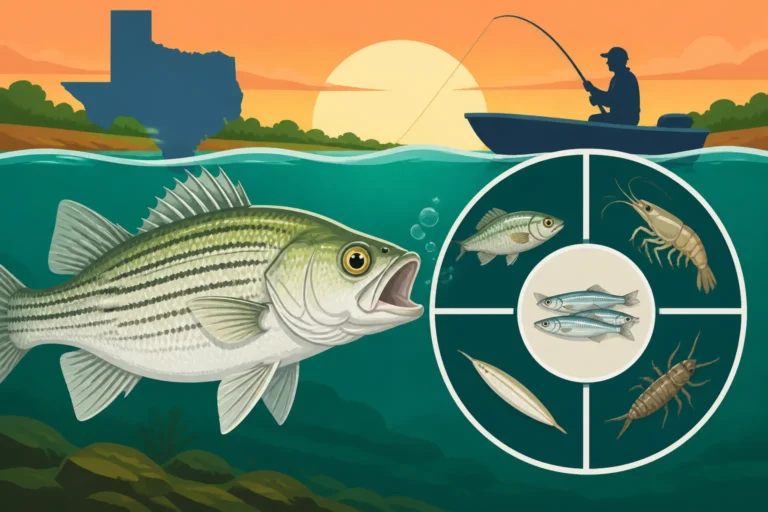
If environmental conditions are the comfortable home, then food availability is the well-stocked pantry. Hybrid striped bass are voracious predators, and their diet consists primarily of smaller baitfish. The abundance of these forage species is absolutely paramount to how fast a hybrid can pack on the pounds. Simply put, more food means faster growth.
In Texas lakes, common forage fish for hybrids include gizzard shad, threadfin shad, and sometimes even smaller sunfish or crappie. These schooling baitfish are often found in open water, which is precisely where hybrids prefer to hunt. A lake with a healthy, booming population of shad provides an endless buffet for growing hybrids. Imagine trying to grow a champion bodybuilder without enough protein – it just won't happen. The same principle applies here; consistent, plentiful meals allow hybrids to convert that energy directly into muscle and fat.
The type of forage also matters. Shad, being rich in fat and protein, are excellent growth fuel. Lakes managed by the Texas Parks and Wildlife Department (TPWD) often monitor baitfish populations carefully to ensure a sustainable food web for game fish like hybrid stripers. If forage populations decline due to environmental shifts or overfishing, the growth rate of hybrid stripers will inevitably slow down, and they might even struggle to maintain their current size. Anglers often look for active schools of baitfish on their fish finders; if the bait is there, the hybrids usually aren't far behind. You might find excellent tools to help locate these baitfish schools on platforms like Amazon, from advanced fish finders to specialized trolling motors that allow you to quietly approach the feeding frenzy.
Genetic Predisposition and Strain Differences
While environmental factors and food are critical, the blueprint for growth lies in the fish's genetics. Hybrid striped bass, being a crossbreed, inherit traits from both their parents – the pure striped bass and the white bass. This genetic mix gives them a unique growth potential that differs from either parent species. For a deeper dive, check out Texas Hybrid Striped Bass vs Pure Striped Bass and Texas White Bass vs Striped Bass.
Generally, the hybrid vigor, or heterosis, often observed in crossbred animals means they can grow faster and be more robust than either parent species. Pure striped bass are known for their potential to grow very large, but they can be slower to mature in freshwater environments compared to their anadromous counterparts. White bass, while prolific, typically max out at a much smaller size. The hybrid strikes a balance, often exhibiting a rapid growth rate early in life, often surpassing pure striped bass in size during their first couple of years, and reaching a respectable adult size faster than pure stripers in landlocked lakes.
There isn't just one "type" of hybrid striper. Different strains of pure striped bass and white bass might be used for breeding, leading to subtle variations in growth potential. Hatcheries carefully select broodstock to ensure robust, fast-growing hybrids are produced for stocking programs. These genetically strong fish, once introduced into a favorable environment with abundant food, have the inherent capacity to put on weight quickly. Their genetic makeup allows for efficient conversion of food into muscle, which is why they are such a popular target for anglers looking for a strong fight.
Typical Growth Rates and Size Milestones
So, with all those factors in mind, what can an angler realistically expect when it comes to hybrid striper growth? While there's always variability from lake to lake and even year to year, we can outline some general milestones for these impressive fish. It's truly amazing how quickly a tiny fingerling can transform into a hard-fighting, rod-bending machine.
First Year Growth: The Rapid Phase
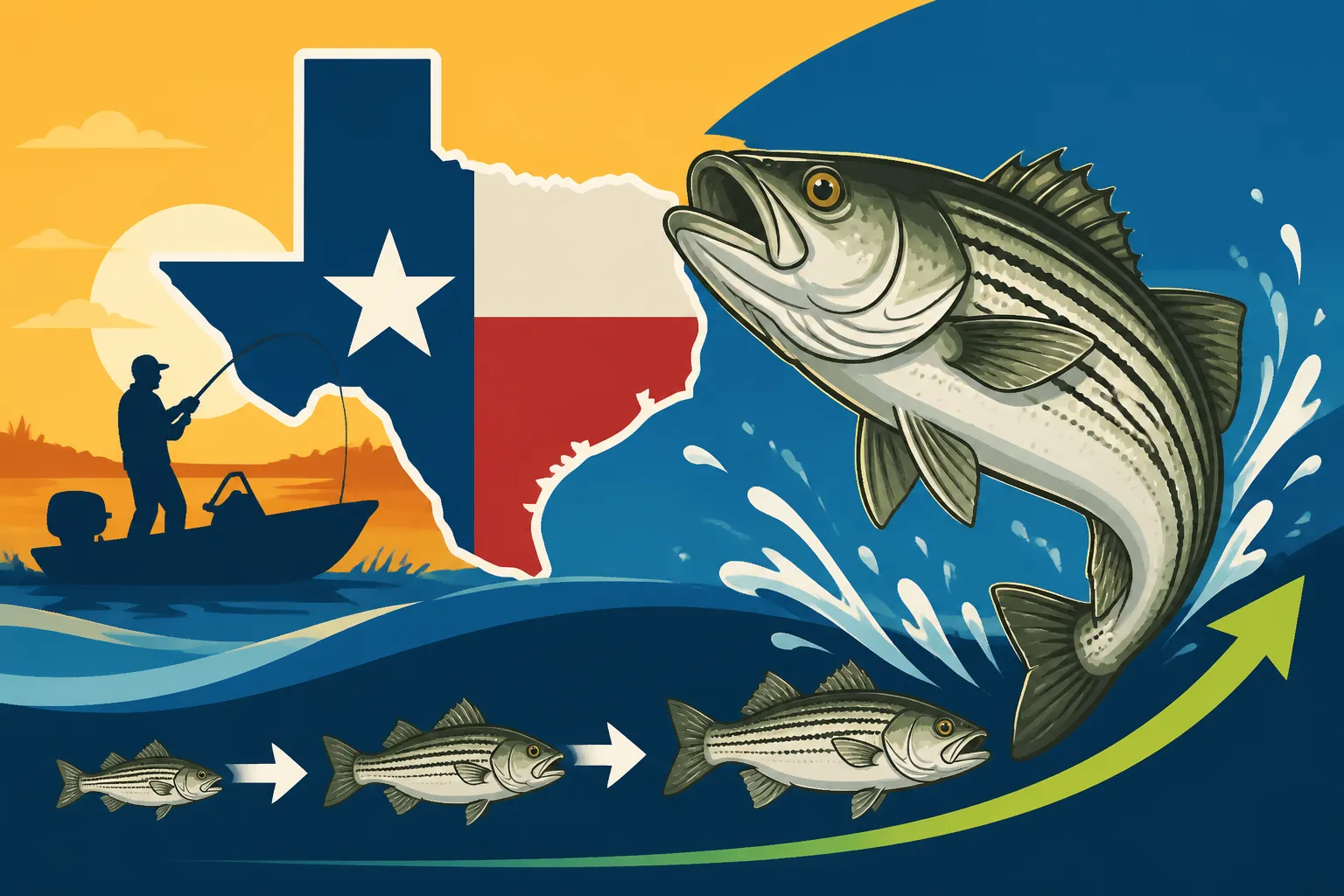
The first year of a hybrid striped bass's life is usually its most explosive growth period. Starting as tiny fry, they can grow at an astonishing rate if conditions are favorable. In well-stocked Texas lakes with plenty of forage, it's not uncommon for hybrid stripers to reach 10-12 inches in length within their first year. Some even push the 14-inch mark. This initial burst of growth is crucial for their survival, allowing them to quickly outgrow many potential predators and establish themselves in the food chain.
This rapid growth is a key reason why TPWD and local fisheries focus on stocking hybrid stripers. They mature quickly enough to provide an immediate angling opportunity, rather than taking many years to reach catchable size. For an angler, encountering a school of these aggressive yearlings can lead to a fun day of action, even if they aren't trophy-sized yet. They are already demonstrating the powerful fight that makes them so popular.
Subsequent Years: Steady Gains
After that initial surge, the growth rate of hybrid striped bass tends to slow down a bit, but they continue to put on significant weight and length. In their second year, hybrids can easily reach 16-20 inches and weigh 2-4 pounds. By their third year, many will be in the 20-25 inch range, weighing 5-8 pounds, and are considered excellent sportfish. It's during these years that they become truly formidable fighters on the end of a line, putting a serious bend in your rod. Many anglers target these larger, more mature fish.
The exact progression depends heavily on the lake. A lake known for trophy bass might also produce exceptionally large hybrid stripers due to superior forage and habitat. Conversely, a lake with a high density of hybrids and limited food might see slower growth rates, with fish topping out at smaller sizes. Regular Texas Striped Bass Fishing Guide reports and local knowledge often provide insights into the typical size class of fish found in a particular body of water.
By year four and five, hybrids in prime Texas lakes can reach impressive sizes, often exceeding 25 inches and weighing 10-15 pounds. These are the true "brutes" that seasoned anglers dream of. Catching a double-digit hybrid striper is a memorable experience that showcases their incredible power and stamina. While their lifespan is generally shorter than pure striped bass, these middle years represent their peak in terms of size and fighting ability.
Here's a generalized look at hybrid striped bass growth:
| Age (Years) | Typical Length Range (Inches) | Typical Weight Range (Pounds) | Notes |
|---|---|---|---|
| 1 | 10 – 14 | 0.5 – 1.5 | Rapid initial growth; becoming strong fighters. |
| 2 | 16 – 20 | 2 – 4 | Excellent eating size; very aggressive. |
| 3 | 20 – 25 | 5 – 8 | Prime sportfish size; powerful fights. |
| 4 | 25 – 28+ | 8 – 12+ | Trophy potential; fewer fish reach this size due to natural factors. |
| 5+ | 28 – 30+ | 12 – 15+ | Rare giants; often dependent on exceptional forage and habitat. |
Note: These are average ranges and can vary significantly based on specific lake conditions, forage availability, and genetic strains.
Maximum Size and Lifespan
While hybrid striped bass are fast growers, they don't typically live as long as their pure striped bass parents, especially in landlocked freshwater environments. Their maximum lifespan usually hovers around 5-7 years, although some individuals might live a bit longer in exceptional circumstances. This shorter lifespan means they need to grow quickly to reach their full potential before age catches up.
In terms of maximum size, hybrids can certainly get big in Texas. While the state record for a pure striped bass is significantly larger, hybrid striped bass in Texas have been recorded well into the 15-20 pound range, with some exceptional specimens pushing beyond that. A hybrid over 10 pounds is considered a truly fantastic catch, and anything approaching 15 pounds is a fish of a lifetime for most anglers. Lake Whitney and Lake Belton are known for producing some truly massive hybrids.
This impressive growth potential, combined with their aggressive feeding habits and powerful fight, is precisely why hybrid stripers are so highly regarded across the state. They offer an exciting challenge for anglers of all skill levels, and knowing how quickly they can grow only adds to the thrill of the chase.
How Anglers Can Influence Hybrid Striper Growth (and Catch Them Bigger!)
As anglers, we might not directly control the growth rate of every fish in the lake, but our actions, collectively and individually, certainly play a part. From supporting good fishery management to choosing responsible angling practices and even selecting the right gear, there are ways to both support healthy hybrid populations and improve your chances of catching bigger fish. It's all about being a part of the solution and understanding the bigger picture.
Habitat Management and Stocking Programs
The biggest "influence" on hybrid striper growth comes from the dedicated efforts of agencies like the Texas Parks and Wildlife Department. They are the backbone of Texas fisheries, and their management strategies directly impact how well these fish thrive. TPWD routinely stocks hybrid striped bass fingerlings into suitable lakes across the state, knowing that these fish will grow rapidly and provide excellent recreational opportunities. Their stocking decisions are based on scientific assessments of a lake's capacity, including forage base, water quality, and existing fish populations.
Beyond stocking, TPWD also engages in broader habitat management. This can involve monitoring water quality, managing invasive species that might compete with baitfish, and ensuring adequate water levels when possible. These efforts create and maintain the optimal conditions necessary for hybrids to not just survive, but to grow quickly and reach impressive sizes. When you buy a Texas Fishing License Requirements Explained or a Texas All-Water Fishing License Explained, a portion of that fee goes directly towards funding these crucial conservation and stocking programs, indirectly influencing the growth potential of future generations of hybrids.
Responsible Angling Practices
While we all love to catch fish, how we handle them can impact the health and growth of the overall population. If you're targeting hybrid stripers and plan to release them (which is a common practice for larger fish or when bag limits are met), practicing responsible catch and release is vital. This means minimizing the time the fish is out of water, handling it gently, and using appropriate tools to safely remove hooks.
Using single, barbless hooks can make hook removal much easier and reduce damage to the fish. When releasing a larger hybrid, hold it horizontally to support its internal organs, and allow it to recover in the water before letting it go. Proper handling increases the fish's chances of survival, allowing it to continue growing and potentially be caught again by another angler. This contribution, while individual, adds up to a healthier, more robust fishery.
Additionally, respecting bag and length limits is non-negotiable. These regulations are set by TPWD to ensure sustainable populations and prevent overfishing, allowing enough fish to reach maturity and spawn or grow to larger sizes. Familiarize yourself with Texas Fish Bag and Length Limits for hybrid stripers in the waters you plan to fish.
Gear and Tactics for Larger Hybrids
If your goal is to specifically target those bigger, fast-growing hybrids, your gear and techniques will play a significant role. These powerful fish demand robust tackle that can withstand their intense runs and stubborn fights.
For rods, you'll want something with a medium-heavy to heavy action and good backbone, often in the 7-foot range. This allows for long casts to reach schooling fish and enough leverage to turn a strong fish away from cover. Matching it with a quality spinning or baitcasting reel with a smooth drag system and plenty of line capacity is crucial. Many anglers find high-quality rod and reel combos for striped bass on Amazon, often with helpful reviews from fellow enthusiasts. Check out guides like Best Fishing Rods for Texas Anglers and Best Fishing Reels for Texas Anglers for more detailed recommendations.
When it comes to lures, live bait like shad is often king for bigger hybrids, but artificials like spoons, swimbaits, Sassy Shads, and topwater plugs can be incredibly effective, especially when fish are actively feeding on the surface or chasing baitfish schools. Trolling with deep-diving crankbaits or umbrella rigs is also a popular method for covering water and finding larger fish suspended in the water column. You can learn more about effective strategies in How to Troll for Striped Bass in Texas or by looking at Best Lures for Striped Bass on Lake Texoma. Heavy braided line with a fluorocarbon leader is often preferred for its strength and sensitivity. Investing in a good fish finder is also paramount for locating schools of baitfish and the hybrids that are sure to be nearby, especially when they're not feeding on the surface.
Ultimately, understanding how fast hybrid striped bass grow, what influences that growth, and how we can contribute to their well-being makes us better, more effective, and more responsible anglers. It transforms fishing from just catching to truly appreciating the lifecycle and ecology of these magnificent Texas game fish.
Disclaimer
This article is for general informational purposes only and does not constitute professional advice. Laws, prices and regulations vary by location and change over time. Consult a qualified professional for guidance on your specific situation.