How big do flathead catfish get in Texas
There's a special kind of thrill that comes with chasing big fish, and in Texas, few species hold that allure quite like the flathead catfish. Many anglers dream of pulling in a monster flathead, but it's natural to wonder just how massive these bottom-dwelling predators can truly get in our diverse Texas waters. This guide is here to shed some light on the impressive size potential of flathead catfish across the Lone Star State, giving you a realistic picture of what to expect and how to improve your chances of encountering a truly enormous one.
Understanding Flathead Catfish in Texas
Before we dive into the impressive statistics, it’s helpful to understand what makes the flathead catfish such a formidable and sought-after species here in Texas. Unlike their often-schooling cousins, the channel and blue catfish, flatheads are solitary, ambush predators that prefer specific habitats and exhibit unique behaviors. Their sheer power and size potential make them a true challenge for any angler, earning them a reputation as one of Texas's premier freshwater game fish.
Flathead Catfish: A Force of Nature
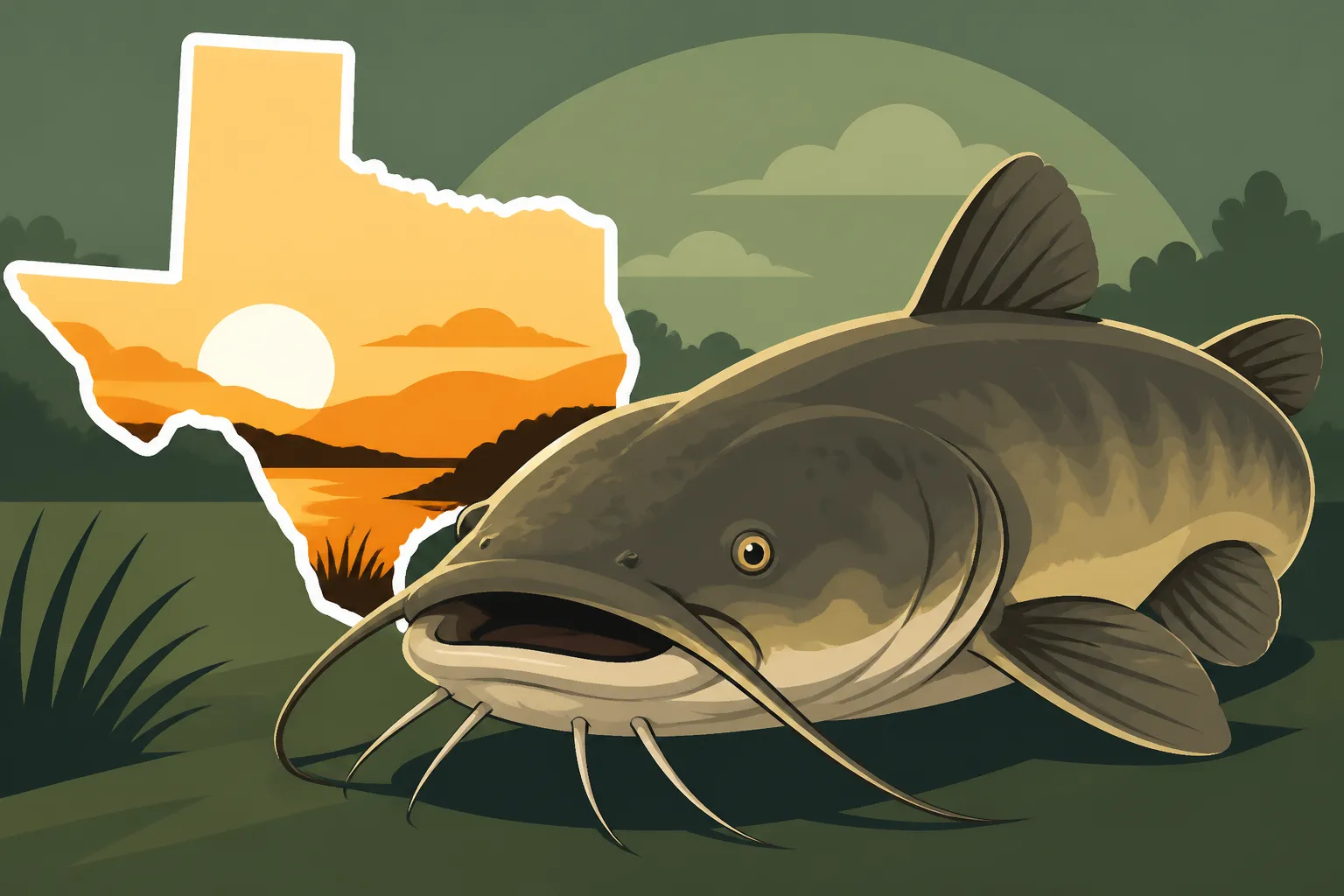
Flathead catfish ( Pylodictis olivaris) are easily distinguished by their flat, broad heads, small eyes, and a lower jaw that protrudes beyond the upper jaw. Their bodies are typically mottled brown and yellow, offering excellent camouflage among submerged timber and rocky structures. What truly sets them apart, however, is their diet. Flatheads are almost exclusively piscivorous, meaning they primarily eat other fish. This predatory nature is what fuels their incredible growth, allowing them to pack on pounds and reach truly impressive dimensions. They are not scavengers like some other catfish; they hunt live prey, which makes targeting them a unique and exciting endeavor.
These fish are built for power, with stout bodies and strong fins that allow them to hold their own against strong currents and put up epic fights when hooked. Their size isn't just about length; it's about sheer mass and girth, making them a truly heavy opponent. Landing a large flathead requires not only skill but also the right gear and a good understanding of their habits.
Native Range and Preferred Habitat
Flathead catfish are native to much of Texas, thriving in a wide variety of freshwater environments, particularly the larger rivers and reservoirs with abundant structure and ample prey. You'll find them in the Trinity, Brazos, Colorado, and Guadalupe Rivers, as well as many of our big lakes like Lake Fork, Sam Rayburn, and Toledo Bend. They're often associated with deep holes, submerged timber, rock piles, log jams, and undercut banks – places where they can lie in wait for an unsuspecting meal to swim by. They prefer slower-moving water but will position themselves at the edges of currents where food is funneled to them.
Unlike blue or channel catfish, which might be found roaming open water or shallower flats, flatheads are habitat-specific. They love areas with cover where they can ambush prey and feel secure. This means if you're targeting big flatheads, you need to think about where their food would congregate and where they would set up an ambush. Knowing their preferred hangouts is the first step in locating those truly gargantuan specimens.
How Big Do Flathead Catfish Really Get in Texas?
The question on every angler's mind is, "Just how big?" And the answer, when it comes to Texas flatheads, is: very big. While not every catch will be a record-breaker, the potential for trophy-sized fish is absolutely present in our state.
Average Size Expectations
For most recreational anglers in Texas, a "good" flathead catfish might fall in the 5 to 20-pound range. These are solid, strong fish that provide excellent sport and are a fantastic meal. A flathead in the 20 to 40-pound class is often considered a trophy for many anglers, representing a significant achievement and a memorable battle. These fish are usually several years old and have grown large by successfully preying on smaller fish.
However, the flathead's growth potential extends far beyond this. It's not uncommon for dedicated flathead anglers, especially those who specialize in nocturnal fishing or using specialized heavy gear, to consistently pull in fish exceeding 40 pounds. These are the true heavyweights, demanding serious tackle and even more serious muscle to bring to the boat or bank. The sheer power of a 50-pound flathead can be astounding, making every hookup an adrenaline rush.
The Texas State Record Flathead Catfish
Texas has a rich history of producing colossal flathead catfish, proving just how much our waters can nourish these giants. While specific numbers change as records are broken and certified, the Texas state record flathead catfish has historically been a truly monumental fish, often weighing in well over 100 pounds. This incredible catch wasn't just a big fish; it was a testament to the productivity of Texas waters and the dedication of the angler who landed it.
Imagine the fight, the sheer brute force, and the exhilaration of bringing a fish of that magnitude to the net! Such a record-setting catch typically comes from one of our larger, nutrient-rich river systems or massive reservoirs that provide an expansive habitat, abundant food sources, and plenty of deep, snag-laden cover for these solitary hunters to grow old and wise. These records are inspiring, showing us what's truly possible, even if most of us will be thrilled with a fish a quarter of that size. For the most current official records, it's always best to check the Texas Parks and Wildlife Department (TPWD) website directly.
Factors Influencing Flathead Size
Several key factors contribute to how large a flathead catfish can grow in Texas:
- Age: Like most fish, older flatheads are generally larger. These fish can live for many years, with some specimens potentially reaching 20 years or more in the right conditions. Each year they survive, they add more weight and length.
- Food Availability: This is perhaps the most critical factor. Flatheads are relentless predators, and a steady, abundant supply of live forage fish (like sunfish, shad, and carp) is essential for rapid growth. Lakes and rivers with thriving baitfish populations will consistently produce bigger flatheads. This is why targeting prime locations is so important. You can learn more about What do catfish eat in Texas lakes.
- Water Body Size and Health: Larger lakes and river systems offer more diverse habitats, deeper holes, and greater food resources, allowing flatheads to grow unmolested for longer periods. Healthy ecosystems with good water quality also contribute to robust fish populations and growth rates.
- Genetics: While harder to quantify for individual fish, certain genetic strains within a population might have a propensity for larger growth.
- Fishing Pressure: Heavily fished areas might see fewer truly giant, old flatheads, as they are more likely to be caught. Untouched or harder-to-reach areas often harbor the biggest and oldest fish.
Strategies for Targeting Trophy Flathead Catfish
If your goal is to land one of those truly massive Texas flatheads, you'll need to adjust your approach. This isn't your casual bobber fishing; this requires dedication, the right gear, and a solid understanding of these powerful fish.
Gear Up for the Giants
When you're chasing flatheads that can weigh 50 pounds or more, your standard fishing equipment simply won't cut it. You need heavy-duty gear built to withstand incredible stress.
- Rods: Look for heavy or extra-heavy action rods, typically 7 to 9 feet long, designed for catfish or saltwater applications. These rods have the backbone to turn a big fish and absorb powerful runs. Brands like Ugly Stik or Penn often offer suitable options. For a selection of robust options, many anglers turn to retailers like Amazon. You can explore Best Rods for Texas Catfish Fishing for more details.
- Reels: A high-quality conventional (baitcasting) reel with a strong drag system and high line capacity is paramount. Levelwind reels are popular for their ease of use, but ensure it's rated for heavy lines. Spinning reels can work for smaller flatheads, but for true monsters, a conventional reel provides more cranking power and durability.
- Line: Spool up with heavy monofilament (30-50 lb test) or braided line (50-80 lb test). Braided line offers superior strength-to-diameter ratio and sensitivity, but mono has more stretch, which can be beneficial when fighting a strong fish. A tough leader of 50-80 lb fluorocarbon or monofilament is essential to resist abrasion from snags and the flathead's rough mouth.
- Hooks: Large, strong hooks are a must. Circle hooks are highly recommended as they typically hook the fish in the corner of the mouth, reducing gut hooking and making catch-and-release easier. Sizes 7/0 to 10/0 are common for live bait.
- Weights: You'll need substantial weights (often 2-6 ounces or more) to keep your bait on the bottom in current or deep water. Sinker slides are useful to allow the fish to take the bait without feeling immediate resistance.
Best Baits for Big Flatheads
This is where flathead fishing truly differs from other catfish pursuits: live bait is king. Remember, flatheads are predators, and they prefer a fresh, struggling meal.
- Live Perch/Sunfish: Bluegill, green sunfish, or other small perch species (legal to use as bait) are arguably the most effective. A 5-8 inch live sunfish is often the perfect offering for a trophy flathead. Keep them lively!
- Live Shad/Minnows: In lakes and rivers where gizzard or threadfin shad are abundant, larger shad can also be excellent flathead bait.
- Live Carp/Drum: For truly enormous flatheads, some anglers will use smaller live carp or freshwater drum. Ensure these are legal baitfish in your specific fishing area.
Rig your live bait on a Carolina rig or a three-way swivel rig to keep it near the bottom where flatheads lurk. Ensure your hook placement allows the bait to swim naturally and stay alive for as long as possible. You can read more about Best Catfish Bait for Texas Lakes. When stocking up on specialized hooks, leaders, and weights for these powerful setups, online options like Amazon provide a convenient way to get exactly what you need.
Prime Locations and Timing
Finding trophy flatheads means finding their preferred ambush points and being there when they're most active.
- Deep Holes and River Bends: Flatheads love deep water, especially scour holes found on the outside bends of rivers or main lake channels. These areas often have current that brings food and provides deep cover.
- Submerged Structure: Fallen trees, log jams, rock piles, bridge pilings, and old roadbeds are magnets for flatheads. These structures provide cover for the flathead and also attract baitfish. Focus your efforts around the edges and within these snaggy areas.
- Night Fishing: While flatheads can be caught during the day, they are notoriously more active hunters at night. As darkness falls, they often move from their deep daytime lairs to shallower feeding flats or along structural edges. How to Catch Catfish at Night in Texas offers excellent insights.
- Seasonal Patterns: Flatheads are active year-round, but their feeding patterns change with water temperature. They are often most aggressive during the warmer months of late spring, summer, and early fall when their metabolism is high and they're feeding heavily.
When targeting these prime locations, patience is key. Flatheads are not always in a hurry to bite, but when they do, you'll know it!
Conservation and Responsible Angling Practices
With the potential for flatheads to reach such impressive sizes and live for many years, responsible angling practices are crucial to ensure these magnificent fish continue to thrive in Texas waters for generations to come.
Texas Regulations for Flathead Catfish
The Texas Parks and Wildlife Department (TPWD) establishes regulations, including bag and length limits, for flathead catfish to manage populations sustainably. These regulations can vary by water body and are designed to protect both juvenile fish and the larger, older breeding stock. For instance, some waters might have a minimum length limit, while others might have a daily bag limit that applies to all catfish species combined. It's imperative that every angler checks the current TPWD Outdoor Annual before heading out on any fishing trip. Ignoring these rules not only risks penalties but also harms the future of our fisheries. You can also look into general Texas Freshwater Fishing Regulations.
Understanding and adhering to these rules helps maintain a healthy balance in the ecosystem, ensuring that flatheads have the chance to grow to their full potential and reproduce. Always verify the latest specific rules for the body of water you intend to fish.
Catch and Release for Future Giants
While flatheads are excellent table fare, especially the smaller ones, practicing catch and release for larger, trophy-sized flatheads is highly encouraged. These huge fish are often older, slower-growing, and represent the prime breeding stock of the population. Removing too many of these giants can impact the genetic quality and overall health of the flathead population.
If you do catch a trophy flathead that you intend to release, take all necessary precautions to ensure its survival. This includes:
- Minimize Fight Time: Use appropriate heavy tackle to land the fish as quickly as possible, reducing exhaustion.
- Handle with Care: Support the fish horizontally, especially large ones, to avoid damaging its internal organs. Avoid dragging it on rough surfaces.
- Quick Photo, Quick Release: Get your photos quickly and then get the fish back in the water.
- Revive if Necessary: If the fish seems sluggish, hold it upright in the water, allowing water to flow over its gills, until it regains strength and can swim away on its own.
By being mindful of these practices, we can all contribute to the long-term health and impressive size potential of flathead catfish in Texas. For those using methods like trotlines, responsible practices are especially important, and understanding Texas gear tag requirements for trotlines and juglines is part of that.
Flathead Catfish Size: A Quick Comparison
To help visualize the difference between an average catch and a true trophy flathead in Texas, here's a quick comparison:
| Characteristic | Average Recreational Catch | Trophy Texas Flathead | State Record Potential |
|---|---|---|---|
| Weight Range | 5 – 20 pounds | 40 – 80+ pounds | 100+ pounds |
| Length Range | 20 – 30 inches | 40 – 50+ inches | 55+ inches |
| Age (Estimated) | 5 – 10 years | 15 – 20+ years | 20+ years |
| Diet Preference | Varied live fish | Large live fish | Very large live fish |
| Habitat | Rivers, reservoirs, structure | Deepest holes, heavy cover | Expansive, rich water bodies |
| Gear Required | Medium-Heavy to Heavy | Extra-Heavy, specialized | Extreme Heavy, specialized |
This table illustrates that while many anglers will encounter smaller flatheads, the opportunity for truly giant fish is very real. It just takes persistence and a refined approach. If you're interested in other large catfish, you might enjoy learning How big do blue catfish get in Texas.
Disclaimer
This article is for general informational purposes only and does not constitute professional advice. Laws, prices and regulations vary by location and change over time. Consult a qualified professional for guidance on your specific situation.